

Yes, you can use a drone in Thailand, but there are specific regulations and guidelines you must follow to ensure compliance with local laws. Understanding these rules will help you enjoy flying your drone responsibly while capturing the stunning landscapes of Thailand. With its vibrant culture, breathtaking beaches, and lush jungles, Thailand is a prime location for drone enthusiasts. However, to make the most of your experience and avoid legal complications, it is crucial to familiarize yourself with the regulations set forth by the authorities.
Understanding Thai Drone Regulations
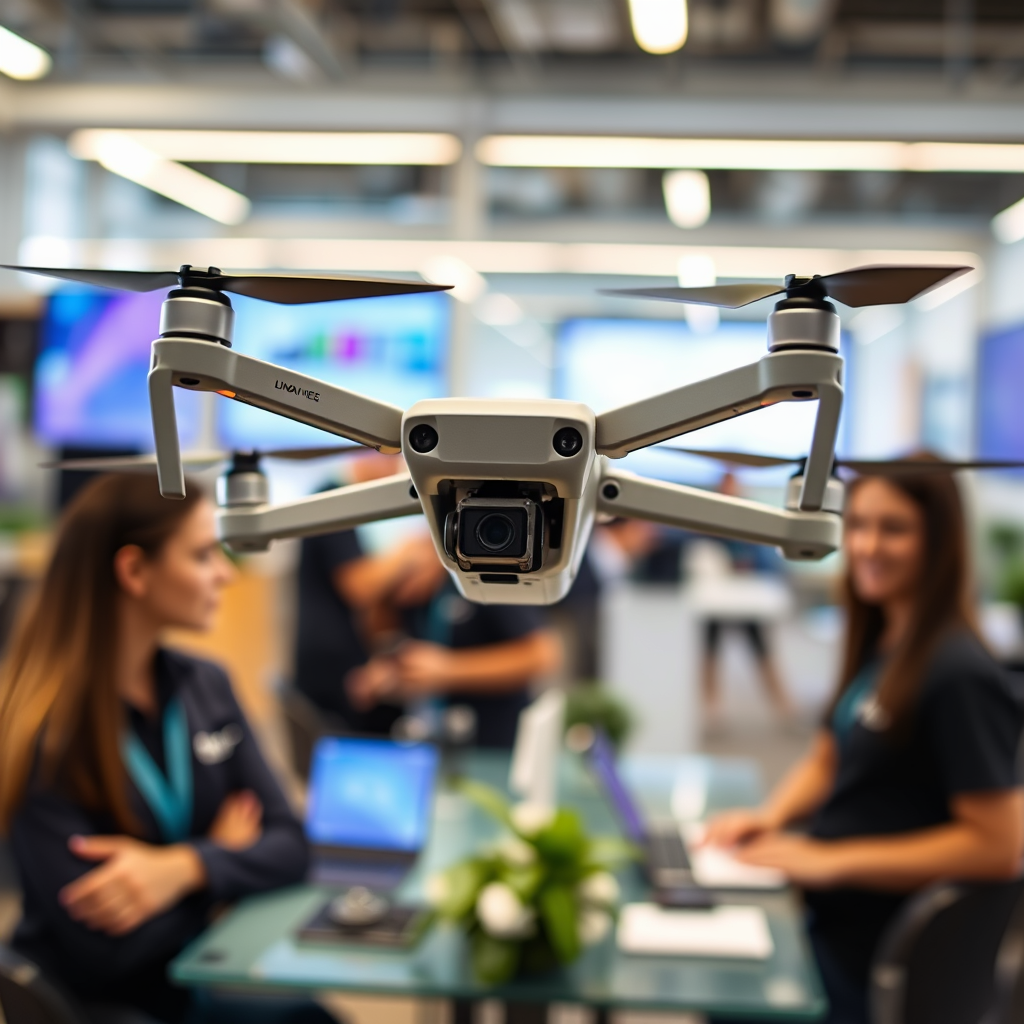
In Thailand, the Civil Aviation Authority of Thailand (CAAT) governs all drone activities. The CAAT has established a comprehensive framework for drone usage to enhance safety and security while allowing drone enthusiasts to explore the country’s natural beauty. One of the primary requirements is that any drone weighing over 2 kilograms (4.4 pounds) must be registered with the CAAT. This regulation applies to a wide range of drones, including those used for recreational and commercial purposes. By adhering to these regulations, drone operators can contribute to a safer flying environment and avoid potential fines or penalties.
Additionally, it is important to note that the regulations are subject to change, and keeping abreast of updates from the CAAT website or local authorities is essential. This proactive approach ensures that drone operators remain compliant and can fly their drones without interruption.
Drone Registration Process
The registration process for drones in Thailand is straightforward but requires attention to detail. To register your drone, you must complete the online registration through the CAAT website. The registration form will require you to provide essential documentation, including proof of ownership (such as a purchase receipt) and detailed specifications of the drone, including its weight, model, and serial number.
Once the form is submitted, the CAAT will review your application, which may take several business days. Upon approval, you will receive a registration certificate that should be kept on hand during your flights. It is recommended to carry this certificate as proof of your drone’s registration, especially when flying in areas where drone usage is being monitored.
Restricted Areas for Drone Use
In Thailand, certain areas are designated as no-fly zones, and it is crucial for drone operators to be aware of these restrictions. No-fly zones include military bases, airports, and national parks, where drone flights are prohibited to protect sensitive locations and ensure public safety. For instance, flying near the bustling airports of Bangkok can lead to serious complications, including fines and potential criminal charges.
Additionally, local regulations may impose further restrictions in specific locations, such as tourist hotspots or urban centers. It is advisable to research the area you plan to fly in and consult local authorities or drone communities to understand any additional restrictions that may apply. Always err on the side of caution and avoid flying in areas where you are uncertain about the regulations.
Required Permits for Commercial Use
For those intending to operate drones for commercial purposes in Thailand, obtaining a specific permit from the CAAT is mandatory. This requirement is in place to ensure that commercial drone activities are conducted safely and responsibly. To apply for a commercial permit, you will need to provide detailed information about the intended use of the drone, as well as any relevant training or qualifications you possess.
Furthermore, insurance coverage is often required for commercial activities. This insurance should cover potential damages or liabilities that may arise during the operation of the drone. Understanding the nuances of these regulations is essential for anyone looking to leverage drones for business, whether in photography, surveying, or other commercial applications.
Safety Guidelines for Recreational Flying
When flying drones recreationally in Thailand, adhering to safety guidelines is paramount. One of the primary rules is to maintain a visual line of sight with your drone at all times. This practice not only ensures that you can control the drone effectively but also helps in avoiding collisions with other aircraft or obstacles.
Moreover, it is advisable to avoid flying over crowds and private properties unless you have obtained explicit permission from the property owner. Respecting the privacy of others is crucial and can help foster a positive relationship between drone operators and the local community. Additionally, it is wise to check weather conditions before flying, as adverse weather can affect drone control and performance.
Consequences of Non-Compliance
The consequences of failing to comply with drone regulations in Thailand can be severe. Violations can result in fines, which vary depending on the nature of the infraction. In more serious cases, authorities may confiscate the drone, leaving the operator with significant losses. For example, unauthorized drone flights in restricted areas can lead to hefty fines and potential legal action.
Moreover, serious infractions may lead to criminal charges, including imprisonment, especially if the drone is used in a manner that endangers public safety or national security. Understanding these risks underscores the importance of following the established guidelines to ensure a safe and enjoyable flying experience.
Resources for Drone Enthusiasts
For drone enthusiasts looking to navigate the complex landscape of regulations in Thailand, several resources can offer support and guidance. Local drone communities and forums provide valuable insights and firsthand experiences from fellow drone operators. Engaging with these communities can help you learn best practices, share tips, and stay updated on any changes to regulations.
Additionally, online resources are available that compile information on drone regulations, safety tips, and local flying spots. Websites such as the CAAT’s official site and various drone advocacy organizations can serve as excellent reference points for the latest updates and legal requirements. Utilizing these resources can significantly enhance your drone flying experience in Thailand.
In summary, while using a drone in Thailand is permissible, it is essential to adhere to local laws and regulations to avoid penalties. Engaging in the registration process, respecting no-fly zones, and following safety guidelines will allow you to enjoy the breathtaking views the country has to offer. Stay informed and fly responsibly to ensure that your drone experience in Thailand is both memorable and compliant.
Frequently Asked Questions
Can I legally fly a drone in Thailand?
Yes, you can legally fly a drone in Thailand, but you must adhere to specific regulations set by the Civil Aviation Authority of Thailand (CAAT). All drone operators are required to register their drones and obtain a permit for commercial use or for flying in certain restricted areas. It’s crucial to familiarize yourself with the local laws to avoid fines or confiscation.
What are the drone regulations for tourists in Thailand?
Tourists intending to fly drones in Thailand must comply with regulations that include registering their drone with the CAAT and obtaining permission from the Ministry of Digital Economy and Society. Additionally, flying drones in national parks, over populated areas, or near airports is strictly prohibited. Always check for any local restrictions before flying.
How do I register my drone to fly in Thailand?
To register your drone in Thailand, visit the CAAT website where you’ll find guidelines on drone registration. You will need to provide details about your drone, such as its weight and specifications, along with personal identification. Once registered, ensure you keep your registration documents handy while flying.
What are the best practices for flying a drone in Thailand?
The best practices for flying a drone in Thailand include flying below 90 meters, maintaining a visual line of sight with your drone, and avoiding crowded areas. Always respect privacy and refrain from flying over sensitive sites, such as military bases or government buildings. Following these practices ensures a safe and enjoyable flying experience.
Why do I need permission to fly a drone in Thailand?
You need permission to fly a drone in Thailand primarily for safety and security reasons. The regulations help prevent accidents, protect national security, and ensure the privacy of individuals. By obtaining the necessary permits, you contribute to responsible drone use while enjoying the scenic beauty of Thailand.
References
- https://www.caa.go.th/en/
- https://www.thaiembassy.com/thailand/drone-laws-in-thailand
- https://www.tatnews.org/2020/01/drone-in-thailand-know-the-rules-before-you-fly/
- https://www.bbc.com/news/world-asia-44790820
- https://www.theguardian.com/world/2019/jun/24/thailand-drones-regulations-aviation-authority
- https://www.law.com/international-edition/2020/12/03/drone-rules-in-thailand-what-you-need-to-know/
