

Yes, you can fly a drone in a public park in the UK, but there are specific regulations and guidelines you must follow. Understanding these rules is essential to ensure safe and responsible flying. The UK has a robust framework governing drone use, primarily overseen by the Civil Aviation Authority (CAA). This article will guide you through the key considerations for flying drones in public parks across the UK, ensuring that you enjoy your experience while adhering to legal and safety requirements.
Understanding UK Drone Regulations
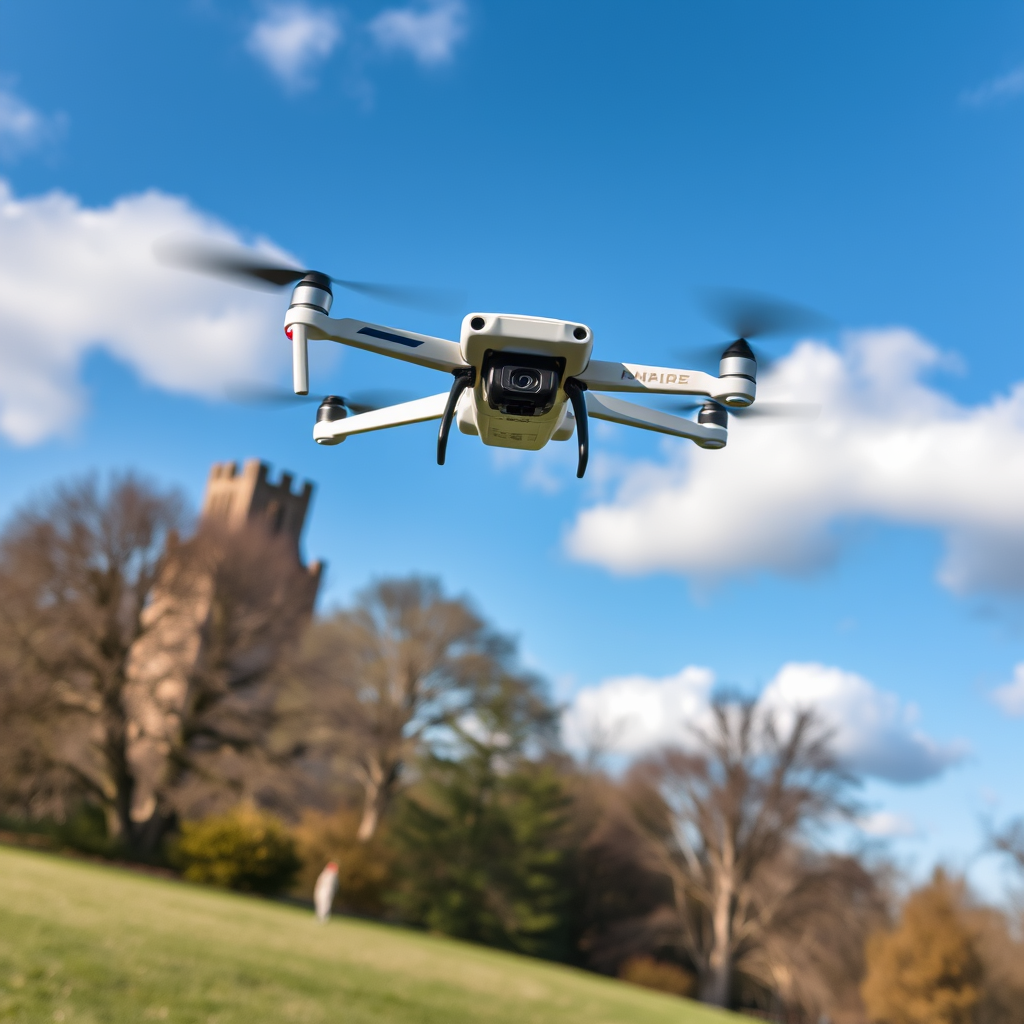
In the UK, drone operators must comply with regulations set by the Civil Aviation Authority (CAA). These regulations are designed to ensure the safety of both drone operators and the general public. As of 2023, any drone weighing more than 250 grams must be registered with the CAA, and operators are required to possess a Flyer ID and an Operator ID. The Flyer ID demonstrates that the operator has passed a basic competency test, while the Operator ID links the drone to the registered person.
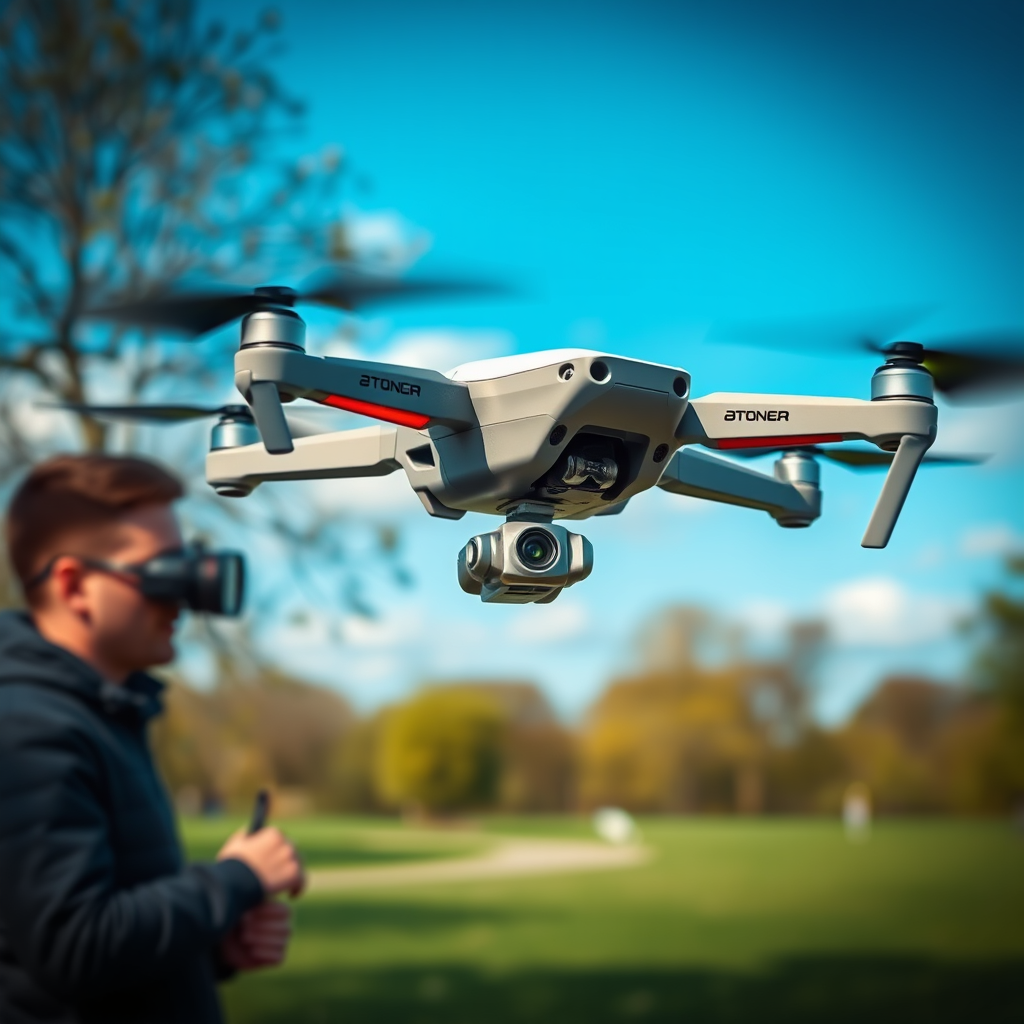
It’s crucial to familiarize yourself with the rules related to the specific weight category of your drone, as different regulations apply based on weight and intended use. For instance, drones under 250 grams may have less stringent requirements, but operators should still be aware of local laws and guidelines. Furthermore, drone pilots should be aware of the airspace classifications in which they are flying. Certain airspace may require additional permissions or could be completely off-limits.
Local Park Rules and Guidelines
While UK-wide regulations provide a framework for drone operations, individual parks may impose their own rules regarding drone use. These local regulations can vary significantly depending on the park’s management or governing body, so it is essential to check for any posted signs or directives before taking off. Some parks may prohibit drone flying altogether, while others may allow it under specific conditions, such as designated flying areas or time restrictions.
To avoid potential fines or conflicts, always consult local park authorities if in doubt. Many parks have websites where they publish guidelines, and reaching out directly can clarify any uncertainties. For instance, the Royal Parks in London have specific regulations that restrict drone flying due to the proximity of wildlife and the need to maintain peace in public spaces.
Safety Considerations
Safety should always be a top priority when flying drones, especially in public parks where people, animals, and property are present. Operators must maintain a safe distance from individuals and groups—generally recommended as a minimum of 50 meters. This distance helps prevent accidents and ensures that the drone does not become a hazard to park visitors.
Additionally, drone pilots should evaluate the area for any potential obstacles, including trees, power lines, and buildings. Proper insurance coverage is also advisable in the event of an accident, as it protects both the operator and any third parties affected. Insurance options can vary, so it’s wise to research and select a policy that meets your specific needs.
Drone Flight Restrictions
Certain areas in the UK are subject to flight restrictions, making it illegal to operate drones. For instance, drones cannot be flown near airports, military bases, or other sensitive locations. This is to prevent interference with manned aircraft and to safeguard national security. The CAA provides detailed maps indicating restricted airspace, which drone operators should consult before planning their flights.
Furthermore, Temporary Flight Restrictions (TFRs) may be imposed due to events such as airshows or emergency situations, meaning that even if an area is typically permissible for drone use, it may be temporarily off-limits. Checking the latest information through official aviation sources or apps designed for drone operators can help ensure compliance with these restrictions.
Respecting Privacy
When operating a drone, it is vital to respect the privacy of individuals. Flying over private property without permission can lead to legal issues, including complaints from property owners. Additionally, capturing images or videos of people without their consent may infringe on their privacy rights, potentially leading to legal ramifications.
To mitigate these concerns, it is advisable to avoid flying in highly populated areas or to inform individuals that you are operating a drone nearby. Setting clear boundaries and adhering to ethical guidelines will not only enhance your flying experience but also foster good relations with the public.
Best Practices for Flying Drones
For a successful drone flying experience in public parks, adhering to best practices is essential. Flying during optimal weather conditions—clear skies, low winds, and no precipitation—will significantly enhance safety and control. Moreover, always keep your drone within your line of sight, as this is not only a CAA requirement but also a crucial aspect of safe flying.
Additionally, it is advisable to conduct a pre-flight checklist, which includes checking battery levels, ensuring that the drone is in good working condition, and verifying that you have the necessary documentation. Engaging with local drone communities or participating in forums can also provide valuable insights and updates on best practices and regulations.
In conclusion, flying a drone in a public park in the UK is possible, but it requires adherence to regulations and respect for the environment and others. Always check local rules, prioritize safety, and ensure that you operate your drone responsibly. By understanding the regulations, local park guidelines, and best practices, you can enjoy a fulfilling and legal drone flying experience in the beautiful parks across the UK.
Frequently Asked Questions
What are the legal requirements for flying a drone in a public park in the UK?
In the UK, flying a drone in a public park requires adherence to the Civil Aviation Authority (CAA) regulations. You must register as a drone operator if your drone weighs over 250 grams and obtain an operator ID. Additionally, you must ensure that you fly within the Visual Line of Sight (VLOS) and maintain a safe distance from people and property, typically at least 50 meters away from individuals not involved in the flight.
How do I find out if I can fly my drone in a specific public park?
To determine if you can fly your drone in a specific public park, first check the park’s local authority website or contact them directly, as some parks have specific rules regarding drone usage. You should also consult the CAA’s drone code and any restrictions on the airspace in that area. Tools like the NATS Drone Assist app can provide real-time information about no-fly zones and other restrictions.
Why are there restrictions on flying drones in public parks in the UK?
Restrictions on flying drones in public parks in the UK are primarily in place for safety and privacy reasons. Drones can pose risks to people, wildlife, and property, particularly in crowded or sensitive areas. Furthermore, the regulations aim to prevent invasions of privacy and ensure that everyone can enjoy the park without interference from drone activities.
What are the best practices for flying a drone in a public park?
The best practices for flying a drone in a public park include familiarizing yourself with the park’s rules, maintaining a safe distance from people and animals, and flying at a height that does not disturb wildlife. Always conduct a pre-flight check on your drone to ensure it’s in good working order, and be considerate of other park visitors by flying during less busy times and avoiding noisy operations.
Which drones are suitable for flying in public parks in the UK?
When selecting a drone for flying in public parks in the UK, consider models that are lightweight and equipped with smart features like GPS for easier navigation and safety. Drones that weigh less than 250 grams, such as the DJI Mini series, are particularly suitable since they often do not require registration, making them more convenient for casual flying. Always ensure that your chosen drone complies with CAA regulations and is well-suited for the types of activities you plan to undertake.
References
- https://www.gov.uk/government/publications/drone-code
- https://www.caa.co.uk/Consumers/Unmanned-aircraft/
- https://www.bbc.com/news/technology-48286125
- https://www.theguardian.com/technology/2020/mar/10/drones-uk-government-regulations
- https://www.nationalparks.gov.uk/visiting/parks-in-the-uk/drone-use-in-national-parks
- https://www.countrysideonline.co.uk/activities/drone-flying-in-the-countryside/
- https://www.lancashire.gov.uk/parks-and-countryside/drone-flying-in-parks/
