

Yes, you can use a drone in the USA, but there are specific regulations and guidelines you must follow. Familiarizing yourself with these rules is crucial for ensuring that your drone usage complies with federal and local laws, thereby enhancing safety and enjoyment. This article outlines the critical aspects of flying a drone in the United States, including regulatory requirements, types of usage, airspace restrictions, safety guidelines, insurance considerations, local laws, and valuable resources for drone operators.
Understanding FAA Regulations
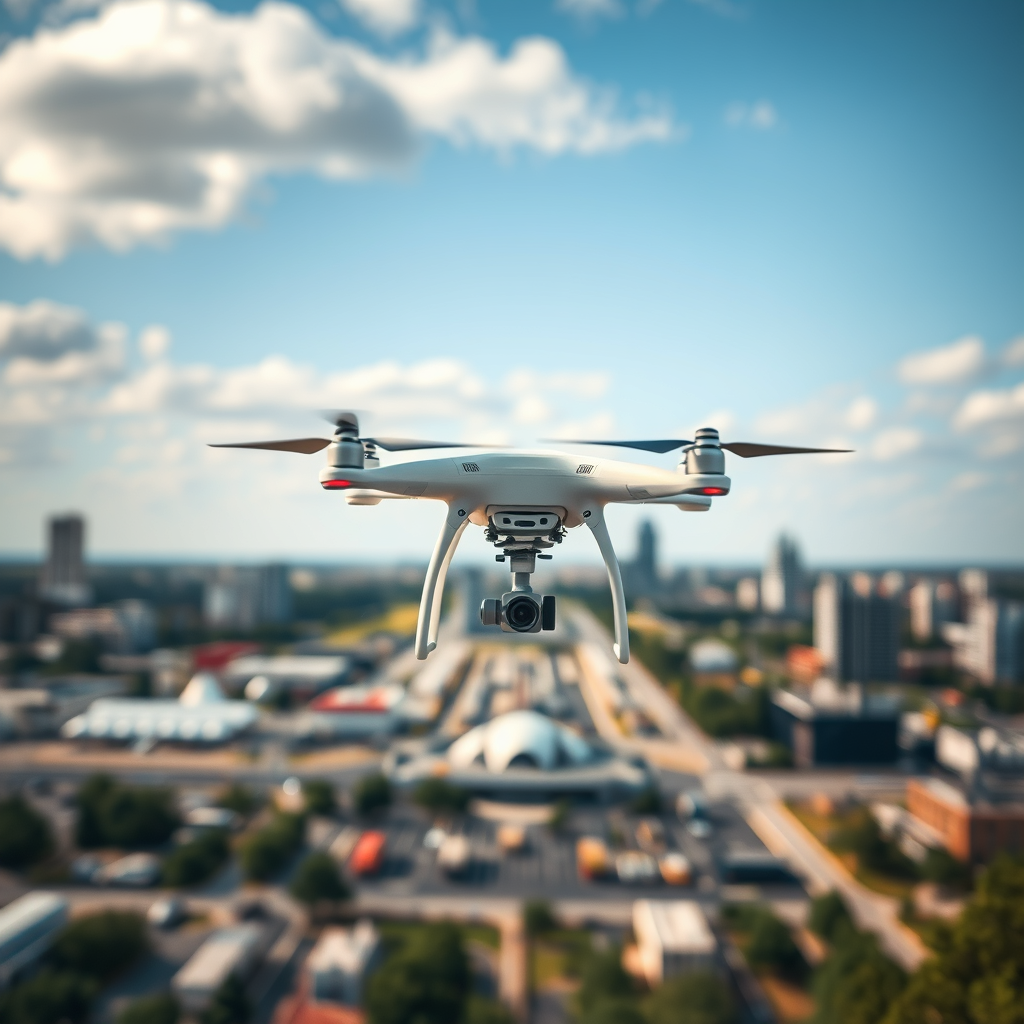
The Federal Aviation Administration (FAA) is the governing body that regulates all drone flights in the United States. This includes not only commercial operations but also recreational flying. One of the primary requirements set forth by the FAA is the registration of drones that weigh more than 0.55 pounds (approximately 250 grams). Operators can register online through the FAA’s website, and the process often takes just a few minutes. The registration costs $5 and is valid for three years.
Additionally, the FAA has established specific operational rules for both hobbyists and commercial users. For instance, recreational users must adhere to the guidelines set forth in the FAA’s “Recreational UAS Safety Test” (TRUST), which emphasizes safety and accountability. Following these regulations not only helps you avoid potential fines but also contributes to the broader safety of the airspace system.
Types of Drone Use
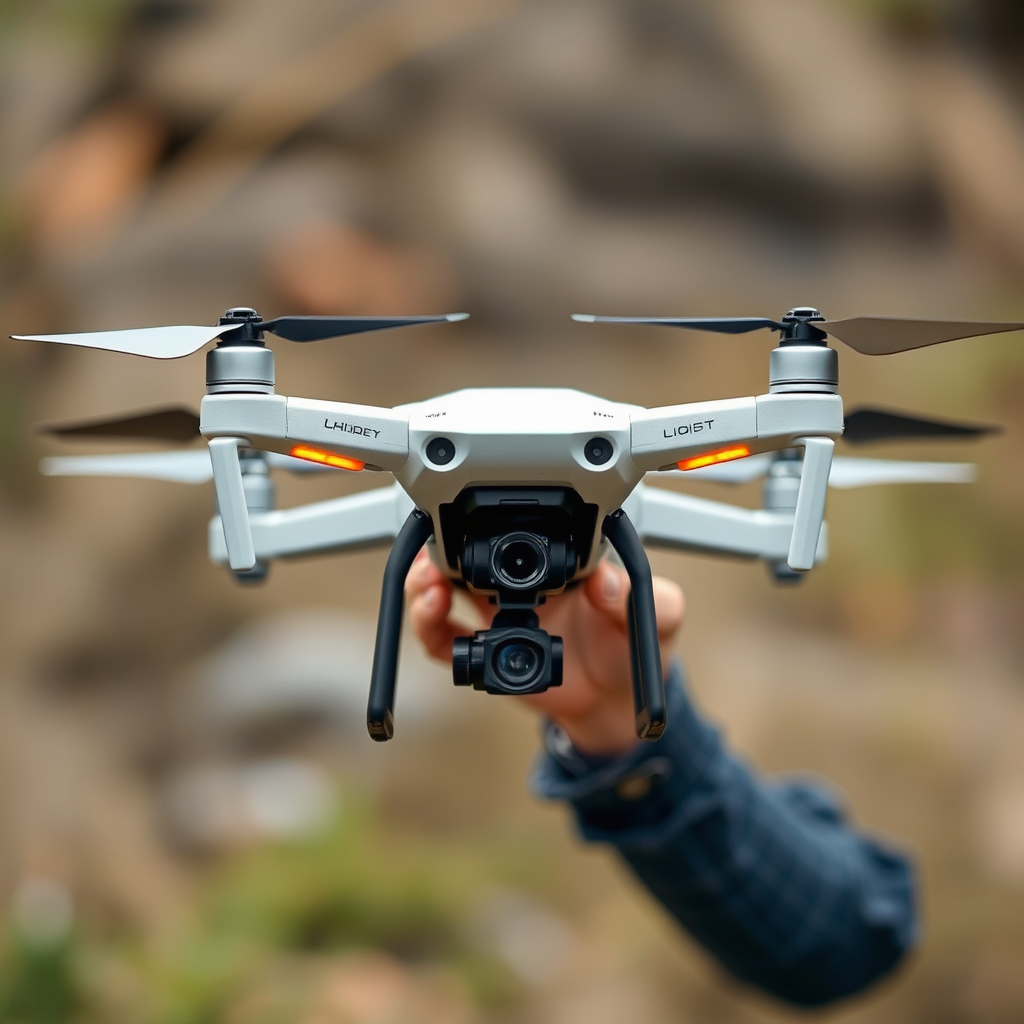
Drone usage in the USA falls into two primary categories: recreational and commercial. For recreational use, operators must comply with the TRUST program, which includes passing a safety test and following community-based guidelines. These guidelines typically involve flying below 400 feet, maintaining visual line of sight, and avoiding restricted airspace.
For those interested in commercial use, obtaining a Part 107 Remote Pilot Certificate is mandatory. This certification requires passing a knowledge test that covers topics such as airspace classification, weather effects on drone operations, and the legal responsibilities of a drone operator. Commercial pilots must also comply with specific operational limitations, such as not flying at night without special waivers and ensuring that the drone remains within visual line of sight.
Airspace Restrictions
Airspace in the United States is divided into various classes, each with its own set of regulations regarding drone usage. Certain areas, such as airports and national parks, have specific restrictions that operators must be aware of. For instance, flying within a five-mile radius of an airport typically requires notification to the airport authorities and, in some cases, air traffic control.
To navigate these complexities, drone operators should utilize apps or maps designed to identify no-fly zones. Tools like the FAA’s B4UFLY app provide real-time information about local airspace restrictions and help ensure compliance with federal regulations. Understanding airspace classification is vital for both safety and legal compliance, making it a crucial element of drone operation.
Safety Guidelines
Safety is paramount when flying drones. The FAA mandates that operators maintain a visual line of sight with their drones at all times, which is essential for avoiding collisions and ensuring safe flight. Additionally, flying below 400 feet is a critical guideline that helps prevent interference with manned aircraft.
Operators should also avoid flying over people, particularly in crowded areas, to minimize the risk of injury in case of a malfunction. Pre-flight checks are also recommended to ensure that the drone is in proper working order. These checks can include inspecting battery levels, verifying that the GPS system is functioning, and ensuring that all firmware is up-to-date. By adhering to these safety guidelines, drone operators can significantly reduce the risk of accidents and enhance the overall flying experience.
Insurance and Liability
Regardless of whether you are flying recreationally or commercially, considering liability insurance is prudent. For commercial drone operations, liability insurance can protect you against potential claims resulting from accidents or damage caused by your drone. Insurance can cover various aspects, including property damage and bodily injury, which can be particularly important given the increasing number of incidents involving drones.
Moreover, understanding the risks associated with drone usage is essential for all operators. Liability insurance not only provides financial protection but also instills a sense of responsibility. It’s advisable to consult with insurance providers who specialize in drone coverage to find the best policy that suits your needs.
Local Laws and Regulations
In addition to federal regulations, many states and municipalities have enacted their own laws governing drone flights. These local ordinances can vary significantly and may include restrictions on where drones can be flown, the times of operation, and even specific requirements for drone registration. For example, certain cities may have enacted “drone-free zones” to protect privacy or public spaces.
Before flying your drone, it is crucial to check local laws and regulations to ensure compliance. Failing to do so can result in hefty fines or the confiscation of your equipment. Resources such as local government websites or drone advocacy groups can provide valuable information on the specific laws applicable to your area.
Resources for Drone Operators
For those looking to stay informed about drone regulations and best practices, several online resources are available. The FAA website is a primary source for updates on regulations, safety guidelines, and registration processes. Additionally, joining local drone clubs or online forums can provide community support and insights from experienced operators.
Many organizations also offer training programs and workshops focused on safe drone operation and regulatory compliance. Engaging with these resources can not only enhance your knowledge but also expand your network within the drone community, providing additional opportunities for collaboration and shared learning.
In conclusion, using a drone in the USA is possible with the right knowledge and adherence to regulations. By understanding FAA guidelines, differentiating between recreational and commercial use, being aware of airspace restrictions, following safety protocols, considering insurance, and checking local laws, drone operators can enjoy safe and responsible flying. Equip yourself with the necessary information and resources to maximize your drone experience while ensuring compliance and safety in the skies.
Frequently Asked Questions
What are the legal requirements for flying a drone in the USA?
To legally fly a drone in the USA, you must comply with regulations set by the Federal Aviation Administration (FAA). This includes registering your drone if it weighs more than 0.55 pounds, obtaining a Remote Pilot Certificate if you plan to use it for commercial purposes, and adhering to specific operational guidelines, such as maintaining visual line of sight and not flying above 400 feet. Always check local laws as they may impose additional restrictions.
How can I obtain a drone pilot license in the USA?
To obtain a drone pilot license in the USA, you need to pass the FAA’s Part 107 exam, which tests your knowledge of airspace regulations, weather, and drone operation. You must be at least 16 years old and a U.S. citizen or legal resident. After passing the exam, you’ll receive a Remote Pilot Certificate, which allows you to operate drones commercially. It’s advisable to take a training course to prepare for the exam effectively.
Why are there restrictions on where I can fly my drone in the USA?
Restrictions on where you can fly your drone in the USA are primarily in place for safety and privacy reasons. Drones can pose risks to manned aircraft, and certain areas, such as airports, military bases, and national parks, are designated as no-fly zones to protect air traffic and sensitive areas. Additionally, local regulations may restrict drone use in populated areas to prevent invasions of privacy and ensure public safety.
What is the best drone for beginners in the USA?
The best drone for beginners in the USA is often considered the DJI Mini SE due to its user-friendly features, lightweight design, and affordability. It offers a good balance of performance and ease of use, making it ideal for novice pilots. Additionally, it has a built-in camera for capturing quality photos and videos, along with a long battery life, which enhances the overall flying experience for beginners.
Which apps can help me plan and navigate my drone flights in the USA?
Several apps can assist you in planning and navigating your drone flights in the USA. Popular options include AirMap, which provides real-time airspace information and alerts for restricted zones, and DroneLogbook, which helps you track flight logs and maintenance. Other useful apps include Fly Safe by the FAA, which offers educational resources and compliance information, ensuring your drone flying adheres to regulations while maximizing safety.
References
- https://www.faa.gov/uas/getting_started/part_107
- https://www.nasa.gov/feature/nasa-s-drone-operations-in-the-u-s
- https://www.acl.gov/sites/default/files/2021-05/Drone%20Usage%20in%20the%20United%20States%20-%20ACL%20Report.pdf
- https://www.wired.com/story/drone-regulations-usa/
- https://www.bbc.com/news/technology-54049293
- https://www.ncbi.nlm.nih.gov/pmc/articles/PMC7024154/
- https://www.nist.gov/news-events/news/2021/07/nist-announces-new-guidance-drone-operations-urban-environments
