
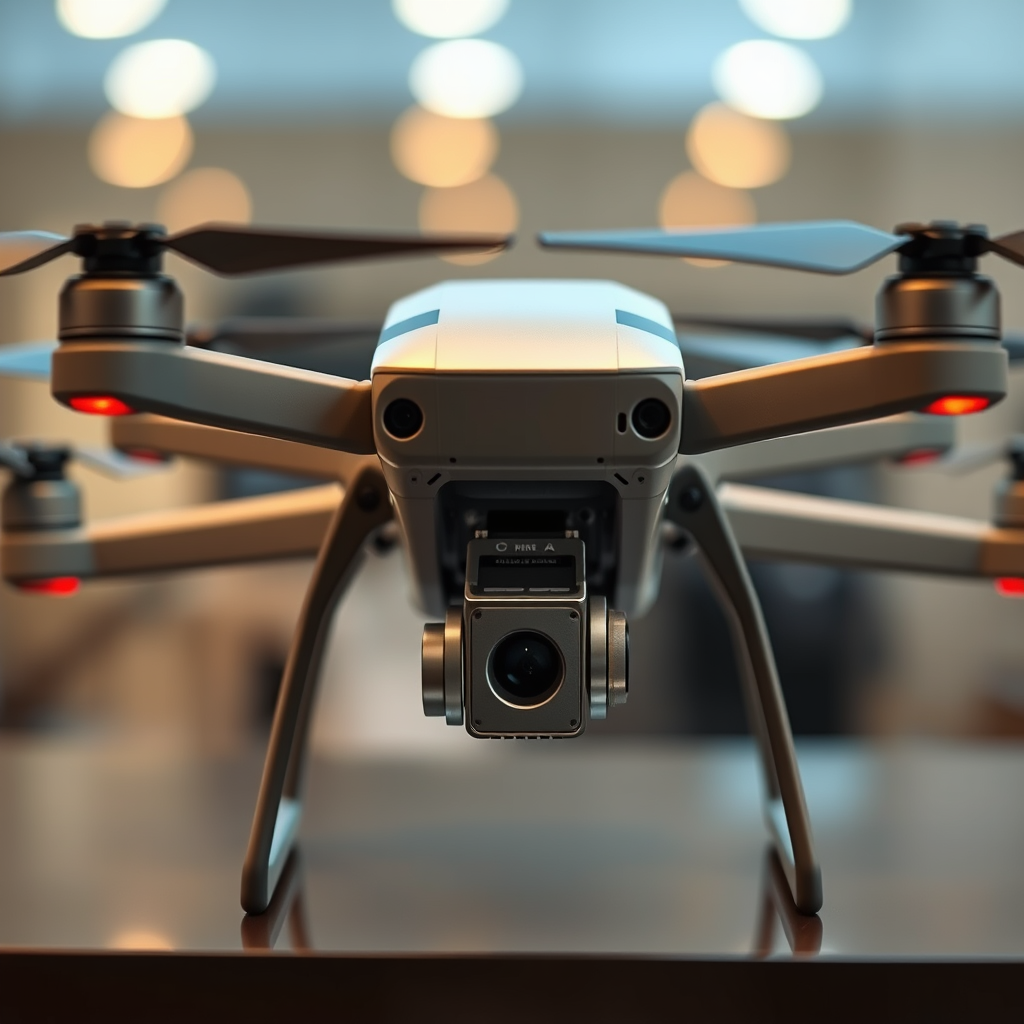
Yes, military drones can be hacked. As technology advances, so do the vulnerabilities associated with it, making these unmanned aerial vehicles susceptible to cyber attacks. This article delves into the potential risks, the methods hackers might employ, and what measures are being taken to secure military drones.
Understanding Military Drone Technology
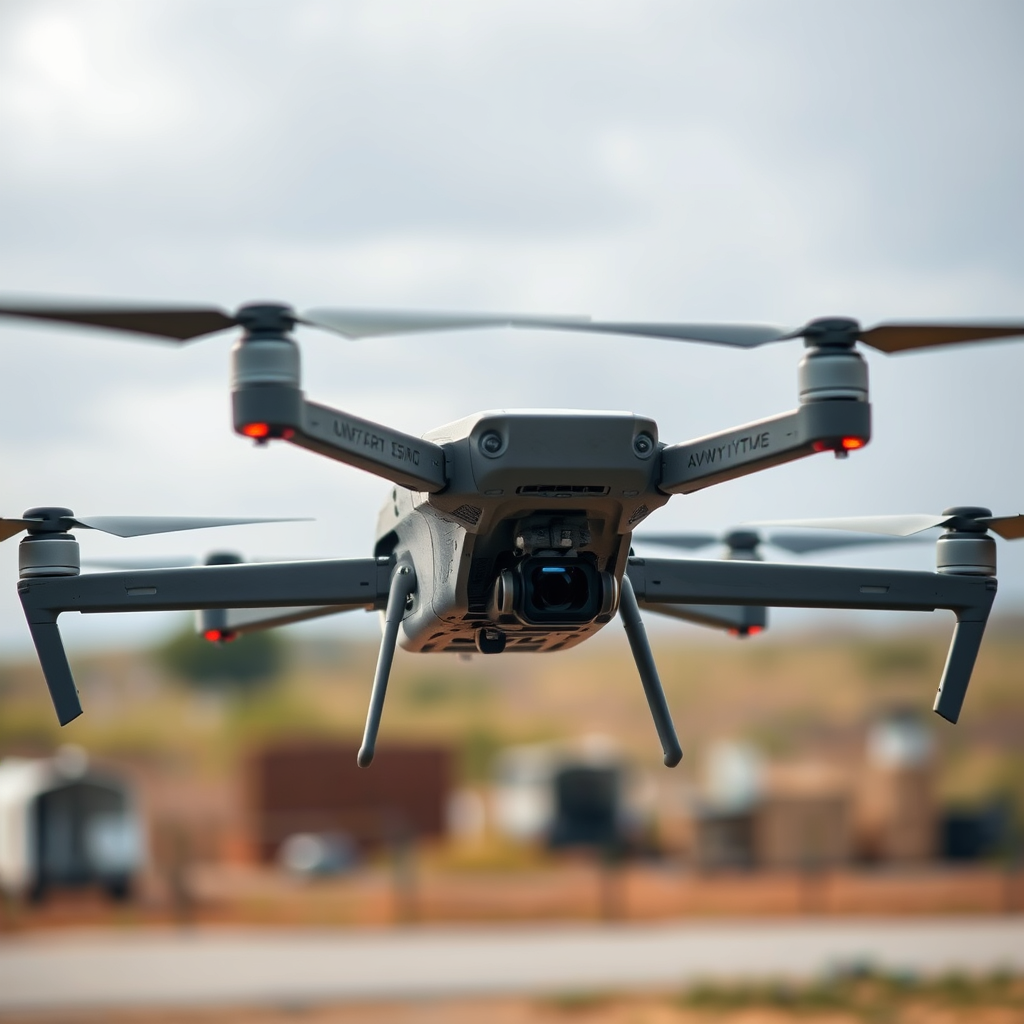
Military drones, also known as unmanned aerial vehicles (UAVs), have transformed modern warfare and reconnaissance. These sophisticated machines are equipped with advanced technologies, including high-resolution cameras, sensors, and sophisticated navigation systems. They are valued for their ability to conduct surveillance over vast areas, gather intelligence, and engage in combat without putting human lives at immediate risk.
Key features that enhance their operational effectiveness include real-time data transmission capabilities, autonomous flight systems, and advanced targeting algorithms. The ability to operate in diverse environments—ranging from urban settings to remote geographical locations—makes drones indispensable assets for military operations. As they continue to evolve, they integrate artificial intelligence to improve decision-making processes and enhance mission outcomes.
Vulnerabilities of Military Drones
Despite their cutting-edge technology, military drones are not immune to security weaknesses. Common vulnerabilities include inadequate encryption of data streams, outdated software, and insufficient security protocols during the development phase. Additionally, the reliance on commercial off-the-shelf components may introduce unforeseen security flaws.
Historical examples of drone hacking incidents further illustrate these vulnerabilities. One notable case occurred in 2011 when Iranian forces reportedly hacked into a U.S. RQ-170 Sentinel drone, gaining control over it and successfully landing it. This incident revealed significant lapses in cybersecurity protocols and raised alarms about the potential for enemy nations to exploit similar weaknesses.
Methods Used by Hackers
Hackers utilize a variety of techniques to infiltrate drone systems, often employing methods that exploit specific vulnerabilities. One common technique is the interception of communication signals between the drone and its control station, allowing hackers to manipulate the drone’s flight path or gain unauthorized access to sensitive data.
Signal jamming is another method used to disrupt the communication channels, rendering the drone inoperable or forcing it to return to its base. GPS spoofing is equally concerning; by sending false GPS signals, hackers can mislead drones into flying off course or entering restricted airspace. These methods highlight the critical need for robust cybersecurity measures to protect against such intrusions.
Impacts of Hacking Military Drones
The consequences of a successful drone hack can be severe, impacting both individual missions and broader military strategies. If a drone is compromised, adversaries could gather intelligence on troop movements, strategies, and operational capabilities, undermining national security. In a combat scenario, a hacked drone could be used against its operators, launching attacks or spreading misinformation.
Moreover, the psychological impact of such breaches cannot be underestimated. The potential for adversaries to demonstrate their ability to hack advanced military technology can embolden them while eroding the confidence of military personnel and the public. Such implications necessitate a reassessment of drone operational protocols and the importance of cybersecurity in military planning.
Current Measures to Prevent Hacking
In response to the growing threat of cyber attacks, military organizations are implementing comprehensive cybersecurity protocols for their drone fleets. These measures include employing encryption technologies to secure communication channels, regularly updating software to patch vulnerabilities, and conducting rigorous security assessments during the drone development process.
Ongoing research into advanced security technologies is also paramount. Initiatives such as employing blockchain technology to secure data transactions and creating AI-driven defenses to detect and respond to cyber threats in real-time are under exploration. These advancements aim to create a multi-layered security framework that can adapt to evolving threats.
The Future of Drone Security
As drone technology continues to evolve, so too must the strategies to secure them. Future advancements may include enhanced machine learning algorithms that can autonomously detect anomalies in drone operations, thereby preemptively addressing potential threats. Furthermore, the integration of quantum computing holds promise for creating virtually unbreakable encryption systems.
Continuous improvements in cybersecurity will be essential for military organizations to maintain operational integrity. This includes fostering collaboration between military and civilian sectors to share knowledge, tools, and best practices in cybersecurity. As the landscape of drone technology and threats evolves, a proactive and adaptive approach to security will be crucial.
In conclusion, while military drones are susceptible to hacking, there are ongoing efforts to enhance their security. As technology evolves, it is crucial for military organizations to stay ahead of potential threats to protect their assets and maintain operational integrity. Investing in advanced cybersecurity measures, fostering innovation, and creating a culture of security awareness within military ranks are imperative steps in safeguarding these vital tools of modern warfare.
Frequently Asked Questions
Can military drones be hacked?
Yes, military drones can potentially be hacked, just like any other electronic device connected to a network. Hackers may exploit vulnerabilities in the drone’s software or communication systems to gain unauthorized access, which could lead to the theft of sensitive data, control of the drone, or interference with its operations. However, military organizations implement robust cybersecurity measures to minimize these risks and protect their assets.
What measures are in place to prevent hacking of military drones?
Military drones are equipped with advanced security protocols designed to thwart hacking attempts. These measures include encryption of data transmissions, secure communication channels, and continuous monitoring for unusual activities. Additionally, military personnel regularly conduct security assessments and updates to ensure the drones remain resilient against evolving cyber threats.
How have military drones been compromised in the past?
There have been several instances in which military drones were compromised, often due to outdated software or poor security practices. For example, there have been reports of drones being hacked by foreign adversaries who exploited vulnerabilities in their communication systems. These incidents highlight the need for constant vigilance and investment in cybersecurity to safeguard military drone operations.
Why is the hacking of military drones a significant concern?
The hacking of military drones poses a significant threat because it can compromise national security and endanger lives. If a hacker gains control of a military drone, they could potentially use it for malicious purposes, such as surveillance, espionage, or even attacking critical infrastructure. The implications of such breaches extend beyond immediate operational risks, affecting strategic military capabilities and international relations.
Which types of military drones are most vulnerable to hacking?
Generally, smaller drones and those with less sophisticated security measures tend to be more vulnerable to hacking. For instance, tactical drones that rely on commercial off-the-shelf technology may have less robust cybersecurity features compared to larger, more advanced systems like combat drones. However, even advanced military drones can be at risk if they are not properly secured or if their software is not regularly updated to address new vulnerabilities.
References
- https://en.wikipedia.org/wiki/Military_drone
- https://www.bbc.com/news/technology-47946978
- https://www.nytimes.com/2019/09/12/us/politics/drone-hacking.html
- https://www.reuters.com/technology/us-military-drone-hacking-report-2021-10-12/
- https://www.defense.gov/Explore/News/Article/Article/1776558/us-military-drones-vulnerable-to-hacking-report-says/
- https://www.sciencedirect.com/science/article/abs/pii/S1877050919303340
- https://www.military.com/technology/drone-hacking-how-its-done.html
- https://www.c-span.org/video/?465352-1/hearing-drone-security
- https://www.rand.org/pubs/research_reports/RR1882.html
