

Yes, police can use drones for surveillance, but there are legal and ethical considerations involved. The deployment of drones offers law enforcement agencies enhanced capabilities for monitoring public spaces and gathering crucial evidence in various scenarios. However, the use of drones also raises significant questions regarding privacy rights and accountability, necessitating a thorough examination of the implications, regulations, and technology surrounding police drone surveillance.
Overview of Drone Technology in Law Enforcement
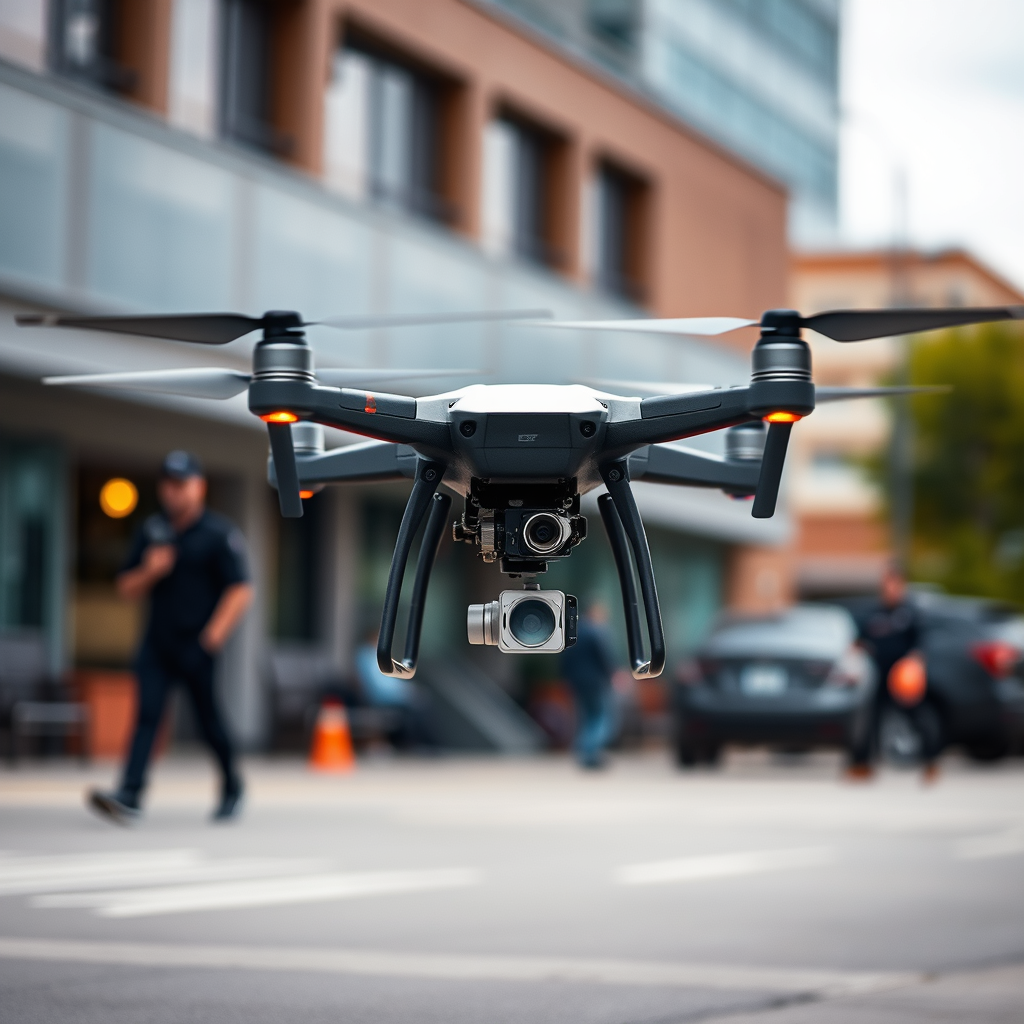
Drones, or unmanned aerial vehicles (UAVs), have become increasingly sophisticated and are now equipped with advanced cameras and sensors that facilitate real-time surveillance. These technologies can include high-resolution imaging, thermal imaging, and even facial recognition capabilities, allowing police to monitor activities from a distance with unparalleled clarity.
One of the primary advantages of drone technology in law enforcement is their ability to cover large areas quickly and efficiently. For instance, during large public events such as concerts or sporting events, drones can provide an aerial view that helps police manage crowd control and respond to incidents as they arise. In rural areas, drones can assist in tracking suspects or gathering evidence over vast landscapes where traditional policing methods may be less effective. The use of drones not only enhances situational awareness but also allows for the collection of data that can be invaluable in investigations.
Legal Framework Governing Police Drone Use
The legal framework governing police drone use varies significantly from state to state and country to country. In the United States, the Federal Aviation Administration (FAA) regulates the use of drones for commercial purposes, including law enforcement, establishing guidelines that must be followed to ensure safety and privacy. However, the specific regulations regarding surveillance practices are often dictated by local laws.
One critical aspect of the legal framework is the interpretation of the Fourth Amendment, which protects citizens from unreasonable searches and seizures. Courts have grappled with whether drone surveillance constitutes a search under the Fourth Amendment, leading to varied rulings across jurisdictions. For example, in some cases, courts have ruled that the use of drones to surveil private property without a warrant constitutes a violation of privacy rights, while others have upheld the use of drones in public spaces as permissible under the law. This legal ambiguity highlights the need for clear and consistent regulations to protect citizens’ rights while allowing law enforcement to utilize modern technology effectively.
Ethical Concerns and Public Perception
Public opinion on police surveillance via drones is highly polarized, with significant concerns about privacy and civil liberties. Many citizens fear that the pervasive use of drones could lead to a surveillance state where individuals are constantly monitored, eroding the trust between communities and law enforcement. High-profile incidents of misuse or overreach have only heightened these fears, leading to calls for greater transparency and accountability in drone operations.
To address these ethical concerns, law enforcement agencies must establish clear guidelines governing drone use. Ethical frameworks should focus on the necessity of drone deployment, the transparency of operations, and the engagement of community stakeholders in the decision-making process. For instance, some police departments have initiated public forums to discuss their drone policies, allowing citizens to voice their concerns and contribute to shaping regulations. By fostering open dialogue, law enforcement can work towards striking a balance between effective policing and the protection of citizens’ rights.
Applications of Drones in Policing
Drones have a wide array of applications in policing that extend beyond general surveillance. One notable use is in crowd control during events or protests. Drones can provide real-time footage to command centers, allowing officers to assess situations and allocate resources more effectively. This capability was notably employed during large-scale protests, where drones assisted in monitoring crowd dynamics and ensuring public safety without the need for an overwhelming police presence on the ground.
Additionally, drones have proven invaluable in search and rescue operations. When a person goes missing in a remote area, drones can quickly cover vast terrains, utilizing thermal imaging to detect body heat and locate individuals more efficiently than ground search teams. For instance, in 2021, a police department in New Jersey used drones equipped with thermal imaging during a search for a missing child, significantly expediting the search process and enhancing the chances of a successful outcome.
Limitations and Challenges of Drone Surveillance
Despite the numerous advantages of drone surveillance, there are notable limitations and challenges that law enforcement agencies must grapple with. Technical limitations, such as battery life, operational range, and weather conditions, can hinder drone effectiveness. Most commercial drones have a limited flight time, often between 20 to 30 minutes, which can restrict their utility in extended surveillance operations.
Legal challenges also pose significant hurdles. The potential for misuse or overreach in surveillance practices can result in legal ramifications for law enforcement agencies. Cases involving unauthorized surveillance or failure to adhere to regulations can lead to lawsuits and public backlash, undermining community trust. Furthermore, the rapid pace of technological advancement outstrips existing regulations, necessitating constant reevaluation and adaptation of legal frameworks to ensure responsible usage.
Future of Drone Surveillance in Law Enforcement
The future of drone surveillance in law enforcement is poised for significant advancement, driven by continuous technological innovation. Emerging technologies, such as artificial intelligence and machine learning, may further enhance drone capabilities, allowing for more sophisticated data analysis and real-time decision-making. For example, AI-driven algorithms could enable drones to identify suspicious behavior patterns in crowds or detect unusual movements that warrant further investigation.
However, as technology evolves, so too must the discussions surrounding regulation and ethical use. Policymakers, law enforcement agencies, and community stakeholders must engage in ongoing dialogue to establish clear guidelines that address the complexities of drone surveillance. This proactive approach will be crucial in developing a framework that maximizes the benefits of drone technology while safeguarding citizens’ rights and privacy.
In conclusion, while police can utilize drones for surveillance purposes, it is essential to navigate the complexities of legal, ethical, and public perception issues. The integration of drone technology into law enforcement presents both opportunities and challenges, requiring thoughtful regulation and community engagement. As technology evolves, continuous dialogue and regulation will be critical in ensuring responsible use, fostering public trust, and achieving effective law enforcement outcomes.
Frequently Asked Questions
Can police use drones for surveillance without a warrant?
In many jurisdictions, police can use drones for surveillance without a warrant in certain situations, especially if they are in public airspace and the surveillance does not invade a person’s reasonable expectation of privacy. However, laws vary by state and country, and some areas require warrants for specific drone surveillance activities, particularly those involving private property. It’s essential for law enforcement agencies to comply with local regulations to avoid legal challenges.
What are the main benefits of using drones for police surveillance?
The main benefits of using drones for police surveillance include enhanced situational awareness, cost-effectiveness, and the ability to cover large areas quickly. Drones can provide real-time aerial footage during emergencies, help in search and rescue operations, and monitor large public events while minimizing the risk to officers on the ground. Additionally, drones can be equipped with advanced technology like thermal imaging to detect heat signatures, making them invaluable for crime prevention.
How do police departments ensure the ethical use of drones for surveillance?
Police departments can ensure the ethical use of drones for surveillance by establishing clear policies and guidelines that govern drone use, including training for officers and transparency with the public. Many departments implement oversight mechanisms, such as regular audits and community advisory boards, to address privacy concerns and gather public input. Adhering to best practices and maintaining clear communication with the community can help build trust and ensure drones are used responsibly.
Which laws regulate police drone surveillance in the United States?
In the United States, the regulation of police drone surveillance is primarily governed by federal aviation laws administered by the Federal Aviation Administration (FAA) and state-specific privacy laws. The Fourth Amendment of the Constitution also plays a crucial role, protecting citizens from unreasonable searches and seizures. Many states have enacted laws that require law enforcement to obtain warrants for drone surveillance in certain circumstances, highlighting the importance of understanding both federal and state regulations.
What should I do if I believe police are using drones to surveil me illegally?
If you suspect that police are using drones to surveil you illegally, you should first document any evidence you have, such as photographs or videos of the drone. Then, consider reaching out to a civil liberties organization or a lawyer specializing in privacy rights to understand your options and rights. Additionally, you can file a complaint with your local law enforcement agency or oversight board to address your concerns and seek clarification on their drone surveillance policies.
References
- https://en.wikipedia.org/wiki/Police_use_of_drones
- https://www.aclu.org/news/privacy-technology/2020/06/drones-and-policing-what-you-need-to-know/
- https://www.eff.org/deeplinks/2018/12/drones-policing-and-privacy
- https://www.faa.gov/uas/resources/policy_briefings/media/2018-06-06_UAS_Policing_Policy_Brief.pdf
- https://www.nij.gov/journals/2019/04/drones-in-law-enforcement.html
- https://www.theguardian.com/us-news/2020/jan/28/police-drones-surveillance-privacy-rights
- https://www.bbc.com/news/technology-49316788
