

Yes, police can use drones for surveillance, but there are strict regulations and ethical considerations guiding their use. The integration of drone technology into law enforcement offers enhanced capabilities for surveillance and monitoring, yet it also raises vital questions about privacy, civil liberties, and accountability. This article delves into the legal framework, benefits, and concerns surrounding police drone surveillance, ensuring a comprehensive understanding of this evolving issue.
Legal Framework for Police Drone Use
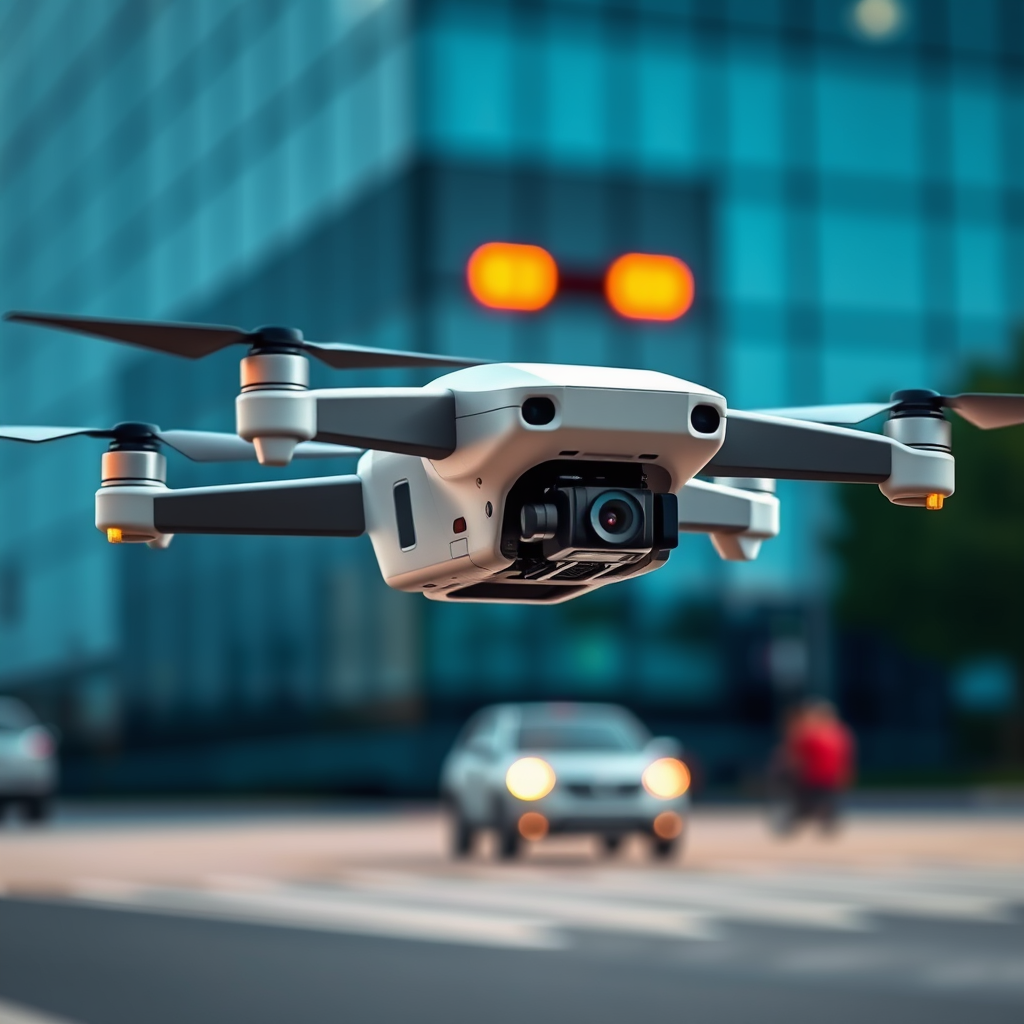
The use of drones by law enforcement is primarily governed by federal regulations established by the Federal Aviation Administration (FAA). The FAA has set forth guidelines that require law enforcement agencies to obtain specific approvals and certifications before deploying drones. For instance, police must adhere to Part 107 of the FAA regulations, which outlines operational limitations, including restrictions on flying over people and at night without proper waivers.
Beyond federal regulations, state laws also play a crucial role in dictating how drones can be utilized by police. Each state has the authority to enact its own legislation concerning drone usage, leading to a patchwork of laws across the country. For example, some states have implemented stringent restrictions that require police to obtain a warrant before conducting surveillance with drones, while others may allow for more lenient practices. This variance creates a complex legal landscape, compelling law enforcement agencies to navigate both federal and state regulations carefully.
Benefits of Drone Surveillance for Law Enforcement
The deployment of drones in law enforcement provides numerous advantages, particularly in terms of situational awareness and resource allocation. Drones can cover large areas quickly, making them ideal for monitoring public events, emergencies, or natural disasters. For example, during large gatherings such as protests or parades, drones can provide real-time aerial views that enhance situational awareness for police officers on the ground, allowing for quicker and more informed decision-making.
Additionally, drones are a cost-effective alternative to traditional surveillance methods. The expenses associated with deploying helicopters or maintaining fixed surveillance installations can be substantial. Drones, on the other hand, require less operational overhead and can be deployed on an as-needed basis, making them an economically viable tool for law enforcement agencies facing budget constraints.
Ethical Considerations in Drone Surveillance
While the benefits of drone surveillance are clear, ethical considerations must also be examined. Privacy concerns are at the forefront of discussions surrounding police drone use. The potential for mass surveillance and intrusive monitoring can lead to a chilling effect on citizens’ exercise of their freedoms, particularly in public spaces. Critics argue that the unchecked use of drones could result in the erosion of civil liberties, as individuals may feel constantly watched.
Moreover, the potential for abuse of surveillance technology poses significant ethical dilemmas. For instance, without proper oversight and transparency, police could misuse drone capabilities for purposes beyond their intended use, such as targeting specific communities or individuals based on biased criteria. This raises questions about accountability and the need for robust policies to govern drone surveillance to protect citizens’ rights.
Case Studies of Police Drone Usage
Several case studies illustrate both the successful application and the controversies surrounding police drone usage. One notable instance occurred in 2016 during the protests in Charlotte, North Carolina, where police utilized drones to monitor crowds and ensure public safety. The drones provided valuable insights that helped law enforcement manage the situation effectively, highlighting their utility in crisis management.
However, there have also been controversies linked to police drone operations. In 2020, the Los Angeles Police Department faced backlash when it was revealed that they had used drones equipped with surveillance technology to monitor protests following George Floyd’s death. Critics argued that this action exemplified an overreach of police authority and fueled distrust within the community. These examples emphasize the necessity for ongoing dialogue about the ethical implications of drone surveillance in law enforcement.
Public Opinion on Police Drones
Public sentiment regarding police drone surveillance is varied, reflecting a spectrum of opinions on the balance between safety and privacy. According to a survey conducted by the Pew Research Center, a significant portion of respondents expressed concerns about the potential for invasive surveillance by police drones. Many individuals fear that the use of drones could lead to unwarranted monitoring and a loss of personal privacy.
High-profile incidents, such as those involving protests and civil unrest, have further influenced community perceptions. While some citizens appreciate the enhanced safety that drones can provide, others view their use as an infringement on civil liberties. This dichotomy in public opinion highlights the need for law enforcement agencies to engage transparently with communities, fostering trust and understanding about how drones are used and monitored.
Future Developments in Drone Technology
As drone technology continues to advance, law enforcement agencies are likely to see innovations that enhance their capabilities. Emerging technologies, such as artificial intelligence and improved data analytics, could enable drones to conduct more sophisticated surveillance and analysis in real time. For instance, drones equipped with facial recognition software may help identify suspects more efficiently, although this raises additional ethical and legal questions about privacy and surveillance.
In light of these advancements, discussions surrounding potential reforms in drone usage policies are gaining traction. Many advocates emphasize the importance of establishing clear guidelines and oversight mechanisms to ensure that drone surveillance is conducted responsibly and ethically. As technology evolves, it will be crucial for policymakers to strike a balance between leveraging the benefits of drones for public safety while safeguarding individual rights and freedoms.
In conclusion, while police can legally use drones for surveillance, the practice raises significant ethical and legal questions. The interplay between federal and state regulations, the benefits of enhanced situational awareness, and the concerns regarding privacy and potential abuse must all be considered. As technology continues to evolve, it is crucial for communities to engage in discussions about the balance between safety and privacy, ensuring that the use of drones by law enforcement aligns with democratic principles and the protection of civil liberties.
Frequently Asked Questions
Can police use drones without a warrant to spy on individuals?
Yes, police can use drones without a warrant in certain situations, particularly in public spaces where individuals have a reduced expectation of privacy. However, the legality often depends on the specific circumstances and local laws, as some jurisdictions have enacted regulations to restrict drone surveillance to protect citizens’ privacy rights. It’s important to understand that while the use of drones can assist in law enforcement, it must balance public safety with constitutional protections.
What are the regulations governing police use of drones for surveillance?
Regulations for police drone use vary by state and country, but generally, they must adhere to aviation laws and privacy guidelines. In the U.S., the Federal Aviation Administration (FAA) oversees drone operation, while local laws may require police departments to establish policies on drone deployment. Additionally, some states have laws that explicitly require warrants for surveillance or limit drone use to specific law enforcement needs, emphasizing the importance of checking local regulations.
Why are police increasingly using drones for surveillance purposes?
Police are increasingly utilizing drones for surveillance due to their ability to provide real-time aerial views and gather evidence without putting officers in potentially dangerous situations. Drones can cover large areas quickly, assist in search and rescue operations, monitor large gatherings, and help in crime scene analysis. The cost-effectiveness and technological advancements in drone capabilities also contribute to their growing use in law enforcement.
How does drone surveillance impact citizens’ privacy rights?
Drone surveillance can significantly impact citizens’ privacy rights, as it may lead to unwarranted monitoring and data collection without individuals’ knowledge. Concerns arise regarding the potential for invasive surveillance practices and the misuse of collected data. To mitigate these concerns, many advocate for clear regulations and oversight to ensure that drone use by police is conducted within legal boundaries that protect citizens’ privacy.
What should I do if I believe the police are using drones to spy on me unlawfully?
If you suspect that police are unlawfully using drones to spy on you, the first step is to document any evidence of such surveillance, including dates, times, and descriptions of the drone activity. You may then want to file a formal complaint with your local police department, as well as seek legal advice to explore your options for protecting your privacy rights. Consulting with civil rights organizations can also provide further guidance on how to address potential violations of your privacy.
References
- https://en.wikipedia.org/wiki/Drone_usage_by_law_enforcement
- https://www.aclu.org/issues/privacy-technology/surveillance-technologies/police-use-drones
- https://www.eff.org/deeplinks/2019/07/police-drones-are-here-how-can-we-make-sure-they-dont-invade-our-privacy
- https://www.nytimes.com/2021/06/11/us/drones-police-privacy.html
- https://www.bbc.com/news/technology-58601529
- https://www.ncsl.org/research/civil-and-criminal-justice/drone-laws.aspx
- https://www.faa.gov/uas/
- https://www.theguardian.com/us-news/2020/jan/20/police-drones-privacy-concerns
- https://www.rand.org/blog/2020/09/police-drones-and-the-need-for-oversight.html
