

Yes, the FAA can track drones through various means, including registration requirements, Remote ID technology, and radar systems. These measures are designed to enhance safety and accountability in the skies. With the rapid increase in drone usage across commercial, recreational, and governmental sectors, understanding how the FAA monitors drone activity is crucial for both operators and the general public. This blog post will explore the intricate systems and regulations in place to track drones effectively, the challenges faced in this endeavor, and future developments that promise to enhance drone monitoring capabilities.
Understanding FAA Regulations on Drones
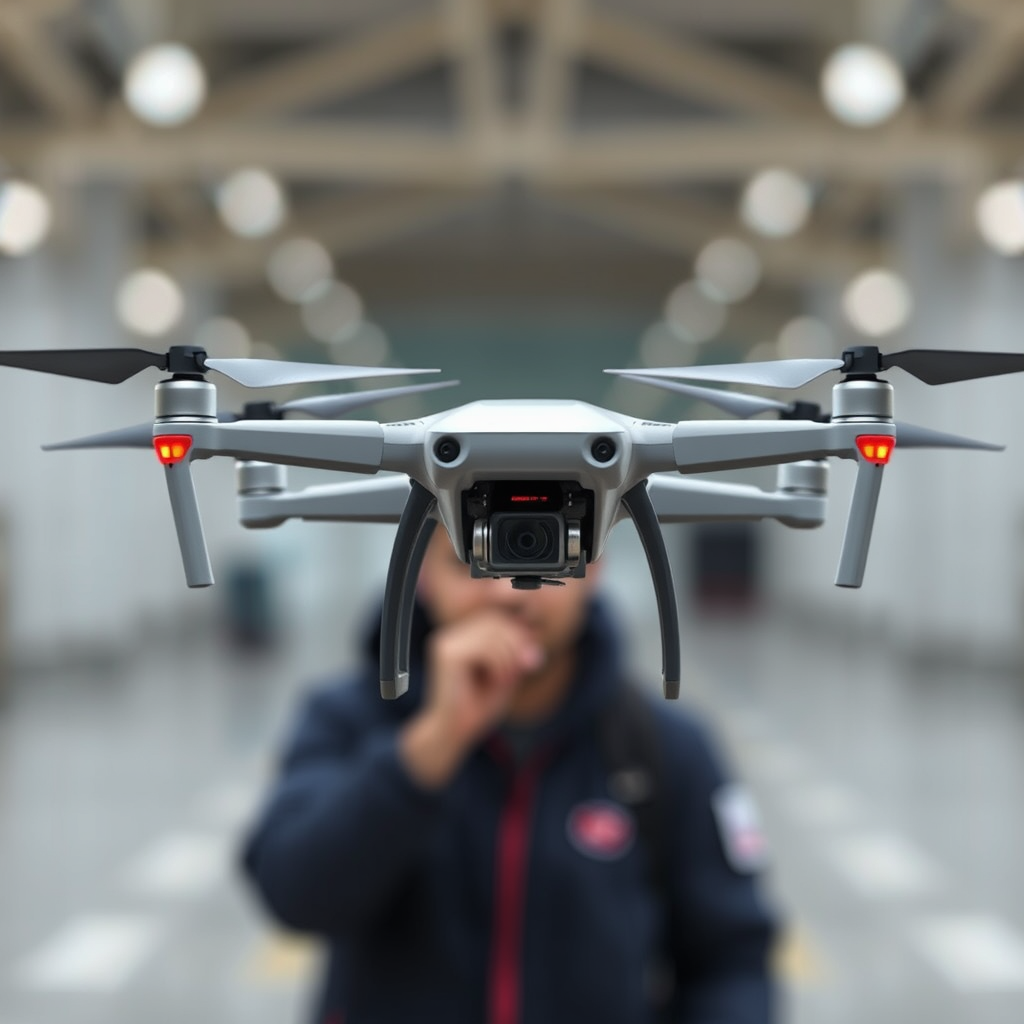
The Federal Aviation Administration (FAA) has implemented a comprehensive regulatory framework to ensure safe drone operations in U.S. airspace. One of the key components of these regulations is the requirement for drone operators to register their unmanned aircraft. Registration not only provides a means for the FAA to keep track of who is flying drones but also serves to promote responsible drone use among operators. For instance, commercial drone operators must adhere to Part 107 of the FAA regulations, which outlines operational guidelines, safety standards, and pilot certification requirements.
In addition to registration, the FAA mandates compliance with various operational guidelines. These include restrictions on flying in certain airspace classifications, maintaining visual line-of-sight (VLOS) during operations, and adhering to altitude limits. By establishing a structured regulatory environment, the FAA aims to mitigate risks associated with drone flight, thereby enhancing safety for all airspace users. This regulatory framework is critical not only for tracking purposes but also for ensuring that drone operations do not interfere with manned aircraft.
The Role of Remote ID Technology
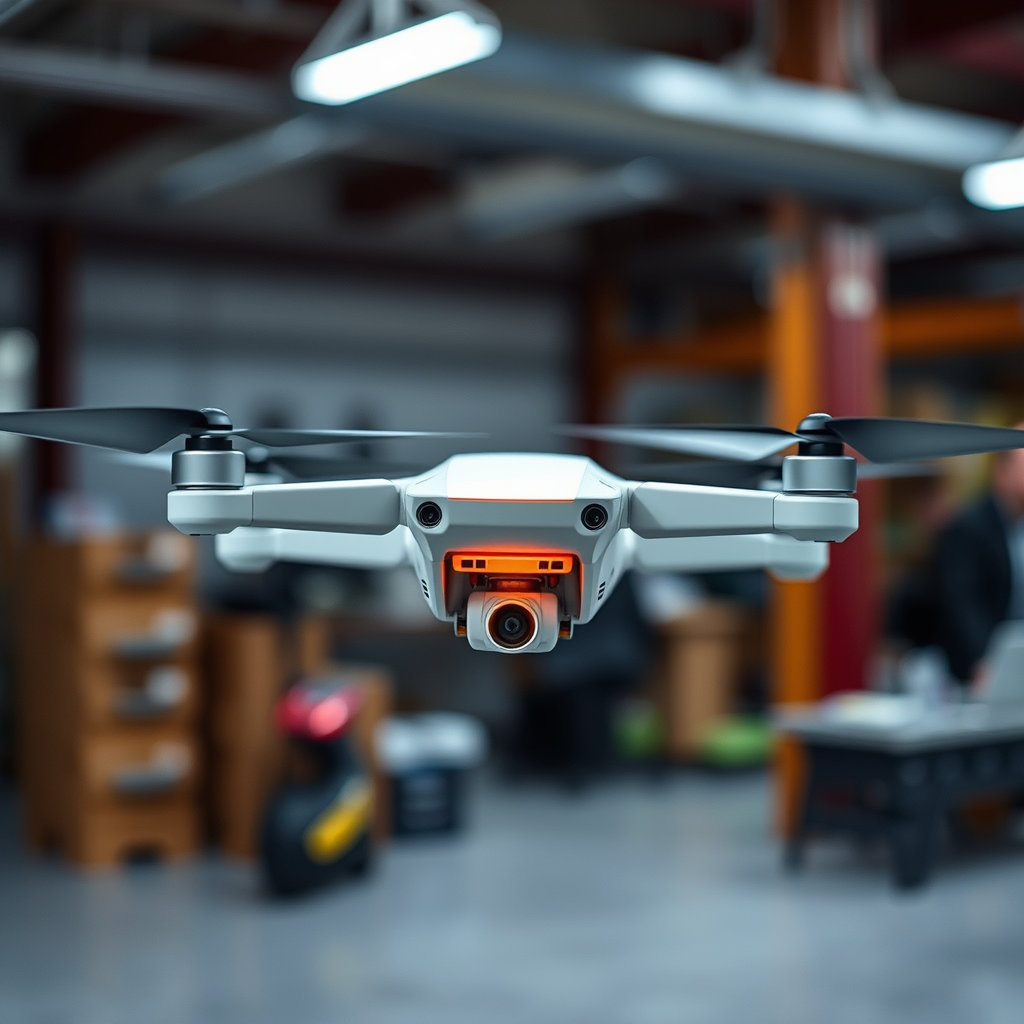
Remote ID technology is a groundbreaking innovation designed to enhance drone tracking by acting like a digital license plate. Each drone equipped with Remote ID transmits its location, identification, and flight information in real time. This capability allows authorities, such as the FAA and law enforcement agencies, to monitor drone activity effectively, especially in congested airspace or near sensitive areas such as airports.
The implementation of Remote ID is a significant step towards improving accountability among drone operators. For example, during major public events or in urban areas where drone flights might pose a risk to public safety, Remote ID can provide law enforcement with crucial data to identify the operator of a drone in real time. The FAA’s recent mandate for Remote ID compliance, which began rolling out in 2023, ensures that most drones in operation will be equipped with this technology, thus enhancing the overall safety and security of the airspace.
Radar Systems and Drone Detection
In addition to Remote ID, the FAA employs advanced radar systems to monitor drone activity, particularly in controlled airspace. Traditional radar systems, originally designed for tracking manned aircraft, are being adapted to identify and track drones as well. These systems can detect the presence of drones and analyze their flight paths, helping to identify unauthorized drone flights near airports and other sensitive areas.
For instance, the FAA has been working with various airports to implement drone detection systems that can integrate with existing radar infrastructure. These systems can alert air traffic control when a drone enters a restricted airspace, allowing for timely intervention to prevent potential collisions. While radar technology is an invaluable tool for enhancing situational awareness in the airspace, it is essential to note that not all drones are easily detectable with traditional radar, especially smaller models that may operate below radar thresholds.
Challenges in Tracking Drones
Despite the advancements in tracking technologies, several challenges remain in effectively monitoring drones. One major issue is that not all drones are equipped with Remote ID technology, which complicates tracking efforts, especially when unregistered or unauthorized drones are flown. This lack of uniformity in technology adoption means that many drones operate outside the monitoring capabilities of the FAA and other authorities, potentially leading to safety risks.
Additionally, the diverse range of drone sizes, capabilities, and operational purposes creates unique challenges for tracking. For example, smaller drones, often used for recreational purposes, may not have the same tracking capabilities as larger commercial drones. The varied technological landscape means that regulators must continually adapt and develop new methods to ensure comprehensive monitoring of all drone types. The FAA is actively researching solutions to these challenges, including partnerships with private companies and academic institutions to create more robust tracking systems.
Future Developments in Drone Tracking
The future of drone tracking looks promising, with emerging technologies poised to improve tracking accuracy and reliability significantly. Innovations such as advanced sensor technologies, machine learning algorithms, and artificial intelligence could enhance the FAA’s ability to monitor drone activity in real time. For example, new sensor networks could be deployed in urban environments to create a comprehensive drone detection system that works seamlessly alongside existing radar and Remote ID technologies.
Furthermore, ongoing research aims to integrate drones into the National Airspace System (NAS) more effectively. The FAA is exploring ways to harmonize drone operations with manned aircraft, which will be crucial as drone traffic increases. Additionally, international collaborations with other countries will likely lead to the development of standardized tracking systems that enhance global airspace safety.
The Importance of Tracking for Safety
Tracking drones is vital for maintaining safety in the airspace. By monitoring drone activity, the FAA can help prevent collisions between drones and manned aircraft, a growing concern as drone usage becomes more prevalent. Effective tracking systems also promote responsible drone usage among operators, as the knowledge that their flights are being monitored encourages adherence to regulations and safety practices.
Moreover, the ability to track drones builds public trust in the technology. As the general population becomes more aware of drone capabilities and the potential risks they pose, transparent tracking systems can alleviate concerns and demonstrate the FAA’s commitment to safety. This trust is essential for the continued growth of the drone industry and its acceptance in various sectors, including delivery services, infrastructure inspection, and emergency response.
In conclusion, the FAA has established multiple systems and regulations to effectively track drones, ensuring safety in the airspace. Through registration requirements, Remote ID technology, and radar systems, the FAA aims to enhance accountability among drone operators. However, challenges persist, particularly with the wide range of drone types and the uneven adoption of tracking technologies. As advancements continue to emerge, the importance of drone tracking will only grow, reinforcing the need for operators to stay informed about regulations and technologies that may impact their operations. The future of drone monitoring holds great promise, paving the way for a safer and more integrated airspace for all users.
Frequently Asked Questions
Can the FAA track drones in real-time?
Yes, the Federal Aviation Administration (FAA) can track drones in real-time, but this capability largely depends on the compliance of drone operators with regulations. Drones that are equipped with Remote ID technology can transmit their location, altitude, and identification information, allowing the FAA and other authorities to monitor their movements. This tracking system enhances safety and accountability in the national airspace.
Why does the FAA want to track drones?
The FAA aims to track drones to ensure safety, security, and compliance with airspace regulations. Tracking helps prevent collisions between drones and manned aircraft, assists in law enforcement efforts against unauthorized drone operations, and enhances overall situational awareness in the airspace. By monitoring drone activity, the FAA can also develop better regulations and guidance for drone operators.
What technology does the FAA use to track drones?
The FAA employs several technologies to track drones, with Remote ID being the most significant. Remote ID functions like a digital license plate for drones, broadcasting information about the drone’s location and operator via radio frequency. Additionally, the FAA collaborates with various agencies and utilizes radar systems and data-sharing platforms to monitor drone activity effectively.
How can drone operators ensure they are compliant with FAA tracking regulations?
To comply with FAA tracking regulations, drone operators should ensure their drones are equipped with Remote ID capabilities, as mandated by new regulations. This involves understanding and implementing the necessary technology, registering their drone with the FAA, and adhering to operational guidelines, such as flying in permitted areas and maintaining visual line-of-sight. Staying informed about regulatory updates is also crucial for compliance.
Which drones are required to have Remote ID for FAA tracking?
As of September 2023, the FAA requires most drones weighing over 0.55 pounds (250 grams) to have Remote ID capabilities. This includes both consumer and commercial drones, with few exceptions for specific categories such as certain model aircraft used for educational purposes. Operators of drones that do not meet the Remote ID requirement may face penalties and restrictions on their flying activities.
References
- https://www.faa.gov/uas/
- https://www.faa.gov/newsroom/faa-issues-new-drone-rules
- https://www.nytimes.com/2021/04/20/us/drone-tracking-faa.html
- https://www.bbc.com/news/technology-51245614
- https://www.reuters.com/business/aerospace-defense/faa-says-drones-should-be-tracked-2020-01-10/
- https://www.nap.edu/catalog/25479/drone-traffic-management-architecture-and-standards
- https://www.wired.com/story/faa-remote-id-drone-tracking/
- https://www.usc.edu/press/release/2021/06/drone-regulations.html
