

Yes, the FAA can track drones, especially those registered and operated under specific regulations. This capability is part of their efforts to ensure safe airspace management and compliance with aviation laws. The FAA employs various technologies to monitor drone activity and enforce regulations, which are increasingly critical as drone usage proliferates. In this article, we will explore how the FAA tracks drones, the technology involved, and what it means for drone operators.
Understanding FAA Regulations on Drones
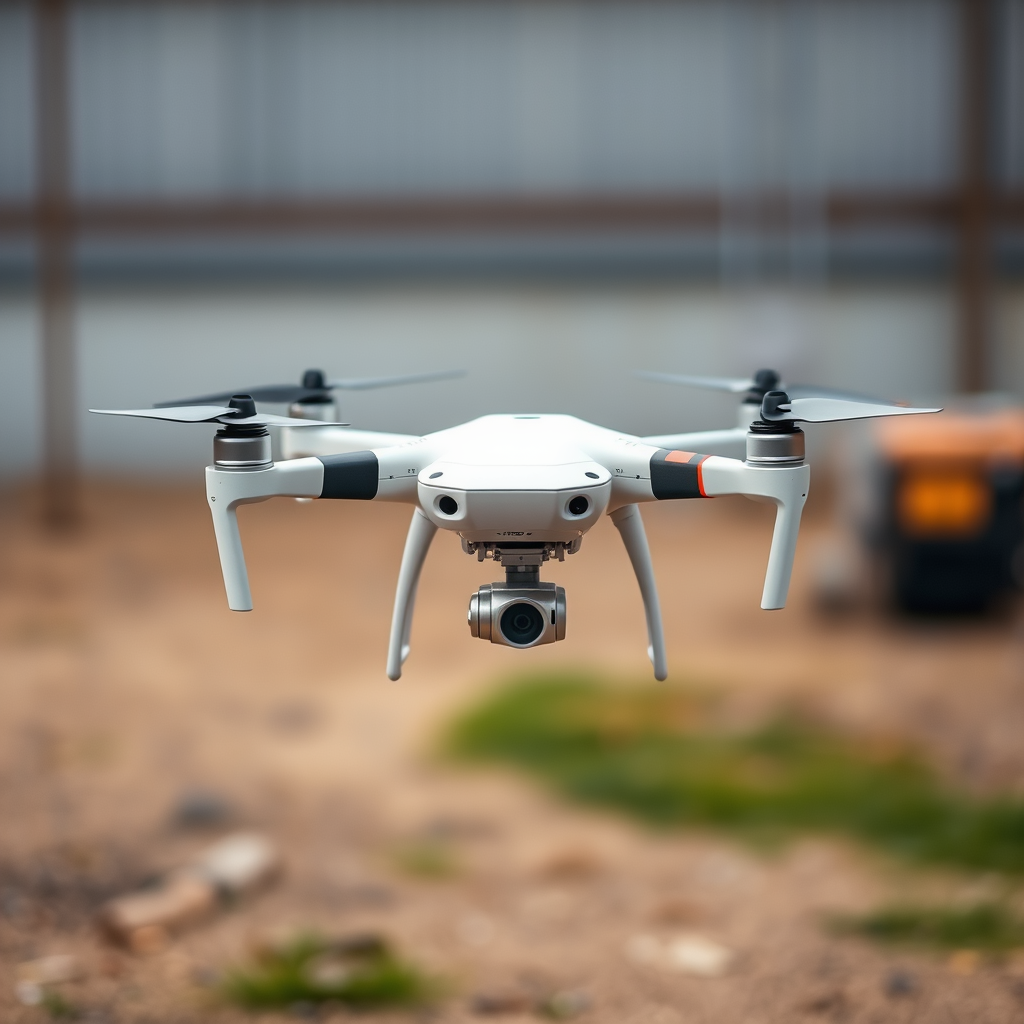
The Federal Aviation Administration (FAA) has established clear regulations that govern drone operation in the United States, primarily to ensure safety and integrate unmanned aircraft systems (UAS) into the national airspace. One of the key requirements is that drones weighing over 0.55 pounds (250 grams) must be registered with the FAA. This registration process not only aids in tracking but also ensures that operators are aware of the regulations they must follow.
For commercial drone use, compliance with Part 107 regulations is mandatory. These regulations cover various operational aspects, including pilot certification, operational limitations, and maintenance requirements. The Part 107 framework is designed to promote safe drone operations while enabling businesses to leverage drone technology for various applications, from agriculture to real estate. By adhering to these regulations, drone operators contribute to a safer airspace and avoid potential legal repercussions.
Technology Used for Tracking Drones
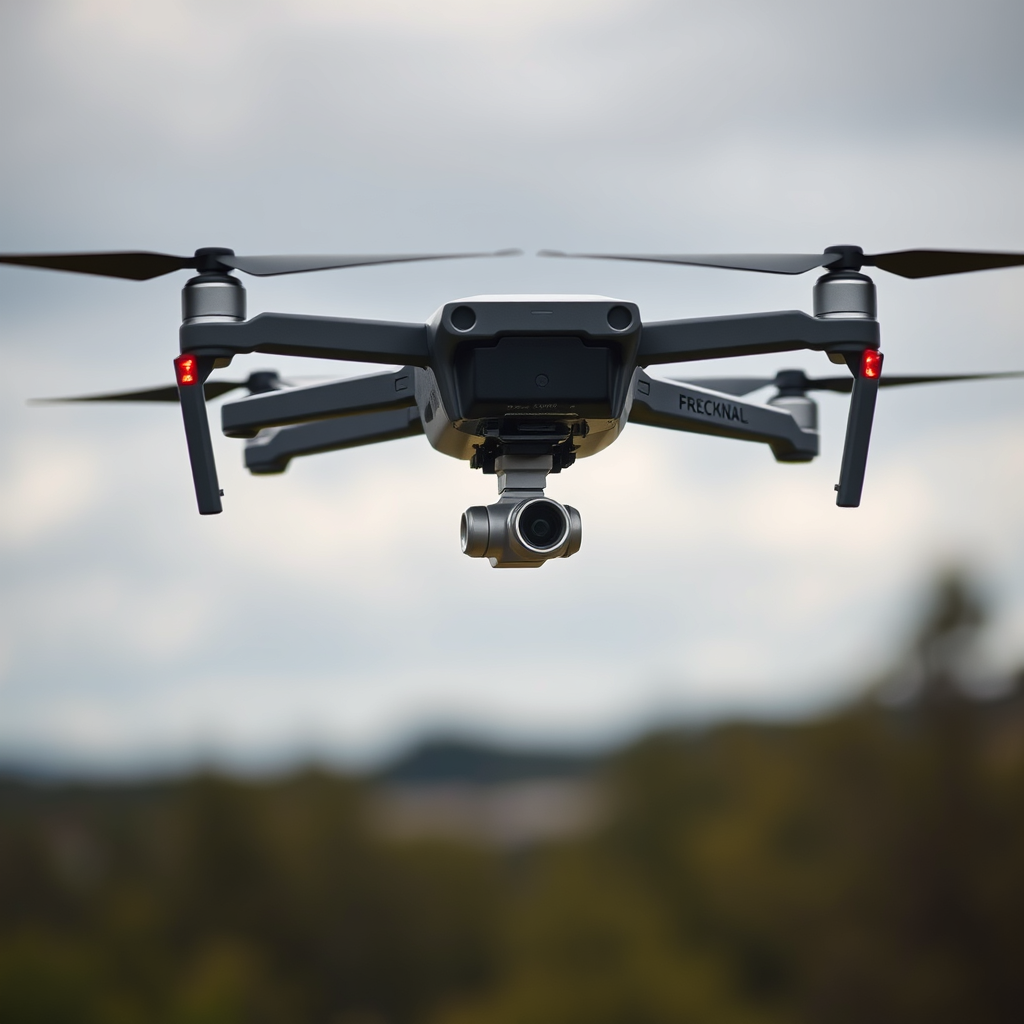
The technology that facilitates drone tracking is multifaceted and primarily revolves around GPS (Global Positioning System) technology. Most modern drones are equipped with GPS capabilities that allow them to determine their exact location in real-time. This data can be accessed by the FAA and other authorities to monitor drone movements.
Moreover, the FAA is in the process of implementing Remote ID, a new requirement that significantly enhances tracking capabilities. Remote ID functions similarly to a digital license plate for drones, allowing them to broadcast their identification, location, and altitude to authorized parties, including law enforcement and air traffic control. This technology not only improves the safety of drone operations but also enhances accountability among operators, making it easier to identify drones that may be operating in restricted areas or engaging in unsafe practices.
The Role of Remote Identification (Remote ID)
Remote ID is a pivotal advancement in drone tracking technology. By enabling real-time identification and location tracking, Remote ID provides authorities with essential data regarding drone operations. This technology requires drones to transmit information such as the drone’s unique identifier, location, altitude, velocity, and the location of the pilot.
The implementation of Remote ID is a game-changer for airspace management. It allows for better situational awareness and the ability to respond quickly to any incidents involving drones. For drone operators, understanding how Remote ID works is crucial, as compliance with these requirements will be necessary for legal operation in many areas. As of now, the FAA has mandated that all drones operating in controlled airspace must be equipped with Remote ID capabilities, which is expected to become fully enforced in the coming years.
How Tracking Impacts Drone Operators
For drone operators, awareness of tracking regulations is not just a matter of compliance; it is also essential for maintaining privacy and safety. The ability of the FAA to track drones means that operators must adhere to the established regulations rigorously. Failure to do so can result in significant penalties, including fines and the potential for the suspension of flight privileges.
Moreover, understanding the implications of drone tracking can enhance operational safety. For instance, operators can avoid restricted airspace, such as near airports or military installations, by being cognizant of their drone’s location and the regulations governing those areas. Additionally, operators should stay updated on any changes in regulations and technology that could affect their operational practices.
Privacy Concerns with Drone Tracking
While drone tracking is essential for safety and regulatory compliance, it also raises significant privacy concerns. The ongoing debates surrounding surveillance and privacy implications of Remote ID and other tracking technologies must be addressed. What data is collected, who has access to it, and how it is used are critical questions that operators and the general public should consider.
Drone operators must understand their rights and responsibilities regarding data privacy. While the FAA aims to enhance safety and accountability, it is equally important for operators to ensure that their activities do not infringe on the privacy of individuals or violate local laws. By being informed about both the tracking regulations and privacy implications, drone operators can navigate this complex landscape effectively.
Future of Drone Tracking and Regulation
The FAA is continuously evolving regulations to keep pace with the rapidly advancing drone technology landscape. As drone usage increases, so do the challenges associated with airspace management, safety, and privacy. Future advancements in tracking technologies are likely to lead to more comprehensive airspace management solutions, enabling better integration of drones into the national airspace system.
Furthermore, as public sentiment and regulatory environments evolve, drone operators may see shifts in how tracking is implemented and enforced. The potential for new technologies, such as advanced detection systems and artificial intelligence, could further enhance the FAA’s ability to monitor drone activity and ensure compliance with regulations.
In conclusion, the FAA has the capability to track drones, particularly through registration and Remote ID technology. Understanding these regulations and their implications is vital for all drone operators. By staying informed and compliant, drone operators can contribute to safer airspace practices while enjoying the benefits of their drone technology.
Frequently Asked Questions
Can the FAA track my drone during flights?
Yes, the FAA can track your drone during flights, particularly if it is equipped with Remote Identification (Remote ID) technology, which is required for many drones operating in the U.S. This system provides real-time information about the drone’s location, altitude, and operator to both the FAA and the public, enhancing safety and accountability in the airspace.
How does the FAA track drones in the airspace?
The FAA tracks drones primarily through Remote Identification technology, which mandates that drones broadcast their identification information via radio signals. This data can be received by other drones, ground control stations, and law enforcement, allowing for better situational awareness and regulatory enforcement. Additionally, the FAA utilizes radar and other surveillance methods for larger unmanned aircraft systems (UAS).
Why is the FAA interested in tracking drones?
The FAA is interested in tracking drones to ensure safety in the national airspace, manage the growing number of drone operations, and mitigate risks posed by potential accidents or misuse. Given the increasing popularity of drones for commercial and recreational purposes, tracking helps the FAA enforce regulations and maintain order in crowded airspace, protecting both manned aircraft and the general public.
What are the best practices for drone operators regarding FAA tracking?
The best practices for drone operators include ensuring that their drones are compliant with FAA regulations, including the installation of Remote ID systems if required. Operators should also maintain awareness of no-fly zones, register their drones, and stay informed about any changes in regulations. Adhering to these practices not only enhances safety but also helps operators avoid penalties and legal issues.
Which drones are exempt from FAA tracking requirements?
Drones that weigh less than 0.55 pounds (250 grams) are exempt from FAA tracking requirements and do not need to comply with Remote ID mandates. However, operators of these lighter drones should still follow general safety guidelines and be aware of local laws and regulations to ensure responsible flying. It’s essential to note that while these drones may be exempt, they still need to be operated in a safe manner to avoid accidents.
References
- https://www.faa.gov/uas/getting_started/registration
- https://www.faa.gov/uas/
- https://www.faa.gov/uas/advanced_operations/
- https://www.faa.gov/newsroom/drone-safety
- https://www.npr.org/2021/06/15/1006372576/drone-safety-faa-remote-id
- https://www.bbc.com/news/technology-55343244
- https://www.wired.com/story/faa-drone-tracking/
- https://www.theguardian.com/us-news/2021/jun/15/drone-tracking-faa-remote-id
- https://www.reuters.com/business/aerospace-defense/faa-require-remote-id-drones-2020-12-29/
- https://www.nytimes.com/2021/01/03/business/drone-regulations-faa.html
