
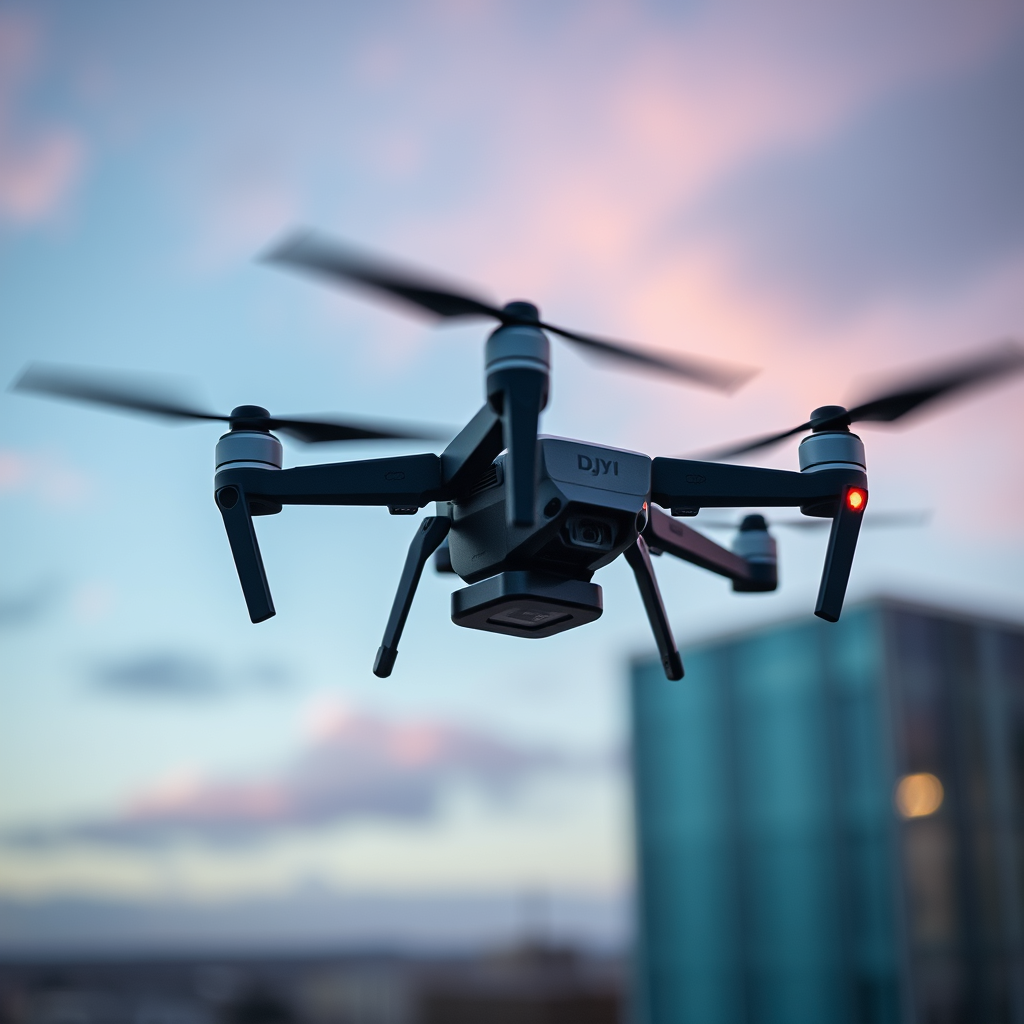
Flying two DJI drones together is indeed possible, but it requires careful planning and consideration of several factors. The integration of advanced technology in DJI drones makes it feasible to operate multiple units simultaneously, provided that operators are aware of the technical, legal, and safety considerations involved. In this article, you’ll learn about the technical aspects, safety measures, and best practices for operating multiple drones simultaneously, ensuring a smooth and efficient flight experience.
Understanding DJI Technology

DJI drones are equipped with advanced communication systems that can handle multiple devices, making them capable of flying in tandem. Key features such as GPS navigation and obstacle avoidance systems are designed primarily for single-drone operations, but with the right strategy, these features can be effectively managed when operating multiple units. For instance, the DJI Mavic series includes intelligent flight modes that can be utilized to coordinate flight paths, ensuring that both drones maintain their intended courses without colliding.
When operating two drones, it is crucial to leverage their dual GPS capabilities. Both drones should have their GPS settings optimized to ensure that they maintain their respective positions accurately, particularly when executing complex maneuvers. Additionally, operators should be aware of the potential for signal interference, particularly in crowded areas, which could affect communication between drones. Utilizing the latest models with enhanced communication protocols can help mitigate these issues, allowing for a more seamless flight experience.
Legal Considerations

Before launching into the sky with two drones, it is essential to review FAA regulations and local laws regarding drone flights in your area. The FAA has specific requirements that govern drone operations, including altitude restrictions, no-fly zones, and the necessity for visual line of sight. When flying two drones, both operators must ensure compliance with these rules to avoid potential fines or legal complications.
Furthermore, it’s critical that both drones are registered with the FAA, particularly if they weigh over 0.55 pounds. Registration not only aids in accountability but also provides a level of legitimacy to your operations. Depending on the nature of your drone flights, additional permits may be required, especially in urban areas or during public events. By adhering to these legal guidelines, you can operate your drones in a responsible manner while minimizing risks associated with non-compliance.
Communication Between Drones
Effective communication between drones is crucial for successful coordination during flight. There are several apps and software solutions designed to facilitate this process, enabling operators to establish synchronized flight paths and commands. For instance, applications like DJI’s Go app provide features that allow for real-time monitoring of drone telemetry, which can be invaluable when coordinating multiple drones.
However, operators must also understand the limitations of signal interference when flying multiple drones in close proximity. The 2.4GHz frequency band, commonly used by many DJI drones, can become congested when multiple devices are in operation, potentially leading to communication drops or delayed responses. To combat this, pilots should consider flying in less crowded airspace or utilizing drone models that operate on different frequency bands. Establishing a clear communication protocol, such as hand signals or radio communication, can further enhance coordination and ensure that both drones respond effectively to commands.
Safety Protocols
Safety should always be a priority when flying multiple drones. Establishing a clear communication plan between pilots is essential; if flying with another operator, both parties should clearly define their roles and responsibilities during the flight. Designating a lead drone and a follow drone can help minimize confusion, particularly when executing complex maneuvers or changing flight paths.
Additionally, pilots should conduct pre-flight checks for both drones to ensure that all systems are functioning correctly. This includes checking battery levels, propeller conditions, and any software updates that may be necessary. During flight, maintaining visual line of sight with both drones is critical; this may require designating one operator to focus solely on one drone while the other monitors the second. Moreover, having a designated ‘spotter’ can greatly enhance safety, as they can alert the pilot to any potential hazards or obstacles in real-time.
Practical Applications of Flying Two Drones
The ability to fly two drones simultaneously opens up a range of practical applications, particularly in fields such as filmmaking and photography. By capturing images from two different angles or heights, filmmakers can create more dynamic and visually engaging content. For example, one drone can focus on a wide aerial shot while the other captures close-up action, providing a comprehensive storytelling experience.
In addition to creative applications, flying two drones can be beneficial in various professional contexts, such as event coverage or search and rescue operations. In event coverage, one drone can monitor the crowd while the other captures the stage or key moments, ensuring that no important detail goes unnoticed. In search and rescue missions, dual drones can cover more ground, allowing teams to locate missing persons more efficiently. Agricultural monitoring is another area where multiple drones can provide significant advantages by allowing for simultaneous data collection on crop health, irrigation needs, and pest control.
Recommended Equipment
When considering flying two DJI drones together, it is essential to select models that are well-suited for coordinated flights. The DJI Mavic 3 and DJI Air 2S are excellent choices due to their advanced flight features, reliable battery life, and impressive imaging capabilities. Both models are equipped with intelligent flight modes that can help facilitate synchronized operations.
In addition to the drones themselves, certain accessories can enhance the flying experience. Extra batteries are essential for extended flight times, especially when coordinating two drones. Advanced controllers, such as DJI’s Smart Controller, can provide improved range and more intuitive control, allowing for better communication between operators. Additionally, using ND filters can help maintain optimal image quality when filming in bright conditions, enabling dual drones to achieve professional-grade footage.
Tips for Successful Coordination
To ensure successful coordination when flying two drones, operators should develop a thorough flight plan that outlines flight routes, timing, and key objectives. Establishing a synchronized timing strategy is crucial, particularly if both drones will be capturing footage for the same project. Pilots should also practice flying their drones independently before attempting synchronized flights, allowing them to become familiar with each unit’s controls and behavior.
Incorporating regular practice sessions with both drones can help build confidence and enhance overall coordination. During these practice sessions, pilots can experiment with different flight patterns, speeds, and heights to gain a better understanding of how the drones interact with each other. This familiarity will prove invaluable when it comes to executing more complex maneuvers in a coordinated manner, ultimately leading to smoother and more effective flights.
Summarizing the key considerations for flying two DJI drones together, it’s clear that while it is feasible, it demands attention to detail and adherence to regulations. For enthusiasts looking to expand their aerial capabilities, understanding these principles will lead to safer and more effective drone operations. If you’re ready to take your drone flying to the next level, gather your equipment and practice flying with a partner!
Frequently Asked Questions
Can two DJI drones fly together at the same time?
Yes, two DJI drones can fly together simultaneously, provided that both pilots are experienced and adhere to specific regulations. It’s essential for each pilot to maintain visual line of sight with their respective drone and to operate in a controlled environment to avoid collisions. Additionally, using different frequencies for communication and ensuring each drone is on a separate controller can help reduce interference.
How can I coordinate flying two DJI drones together?
To coordinate flying two DJI drones together, consider establishing clear communication protocols between pilots. Use headsets or walkie-talkies to relay real-time information about each drone’s position and planned maneuvers. It’s also crucial to plan your flight path in advance and practice flying in a safe area to minimize risks and ensure that both drones can operate without interference.
Why is it important to follow regulations when flying multiple DJI drones?
Following regulations when flying multiple DJI drones is crucial for safety, legal compliance, and air traffic management. Most countries have specific guidelines regarding drone operations, including maintaining a safe distance from other aircraft and avoiding congested areas. Adhering to these regulations helps prevent accidents, protects the rights of other drone operators, and promotes responsible flying practices.
What are the best practices for flying two DJI drones in the same location?
The best practices for flying two DJI drones in the same location include maintaining a safe distance between the aircraft, flying at different altitudes, and establishing a designated flight area. Both pilots should be aware of each other’s flight paths and follow a pre-agreed schedule to avoid overlapping routes. Additionally, always be prepared to abort the flight if any issues arise, ensuring both drones can land safely.
Which DJI drones are best suited for flying together?
The DJI Mavic series, such as the Mavic Air 2 and Mavic Mini, are great options for flying together due to their compact size, ease of use, and advanced features. These drones offer excellent stability and can be easily controlled in tandem. Furthermore, the DJI Smart Controller allows for multiple devices to connect, making it easier for pilots to monitor their drones. Make sure to check compatibility and features to ensure a smooth flying experience.
References
- https://en.wikipedia.org/wiki/Drone#Multiple_drones
- https://www.faa.gov/uas/getting_started/part_107/
- https://www.reuters.com/article/us-technology-drones-idUSKCN1VV2L5
- https://www.theguardian.com/technology/2020/apr/01/drones-airspace-uk-aviation-technology
- https://www.techradar.com/news/the-top-10-drones-you-can-buy-in-2022
- https://www.sciencedirect.com/science/article/pii/S2352864821002027
- https://www.nasa.gov/press-release/nasa-research-explores-flying-drones-in-formation
- DJI – The World Leader in Camera Drones/Quadcopters for Aerial Photography
