
Building your own DJI drone sensors is indeed possible, but it requires a solid understanding of electronics and programming. With the right knowledge and the appropriate components, you can create custom sensors that enhance your drone’s capabilities. This article will guide you through the essential components needed, the steps involved in building your sensors, and the challenges you may face throughout the process.
Understanding DJI Drone Sensors
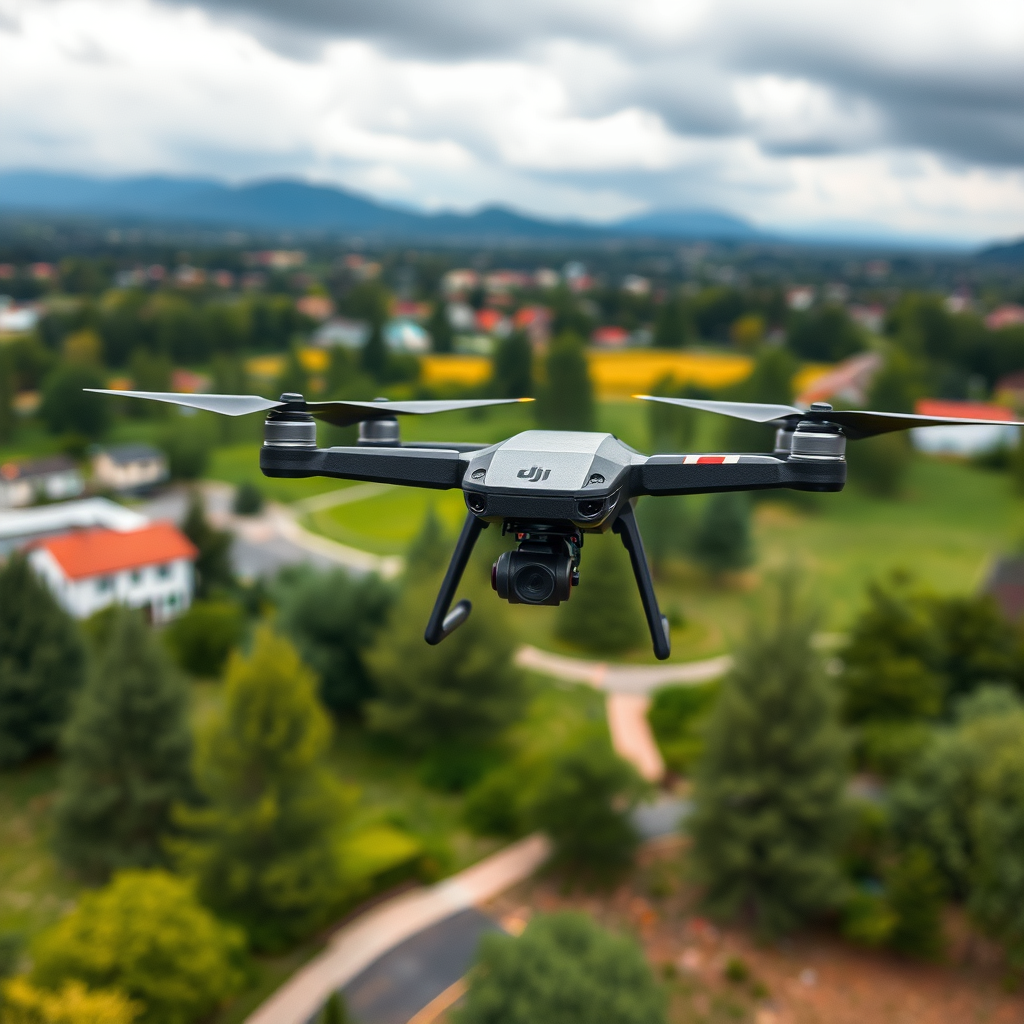
DJI drones are equipped with various sensors that play crucial roles in their operation. Common sensors include GPS modules for navigation, barometers for altitude measurement, ultrasonic sensors for obstacle avoidance, and IMUs (Inertial Measurement Units) for stability and orientation. Each sensor contributes to the drone’s performance by providing critical data that helps in navigation, obstacle detection, and maintaining flight stability. The importance of these sensors cannot be overstated; they directly influence the drone’s ability to perform complex maneuvers, maintain safety during operation, and execute tasks with precision.
Incorporating custom sensors into your DJI drone can significantly enhance its functionality. For example, adding a specialized environmental sensor can allow your drone to gather data on air quality or temperature, expanding its application beyond typical recreational uses into fields like agriculture, search and rescue, and environmental monitoring.
Components Needed for DIY Sensors
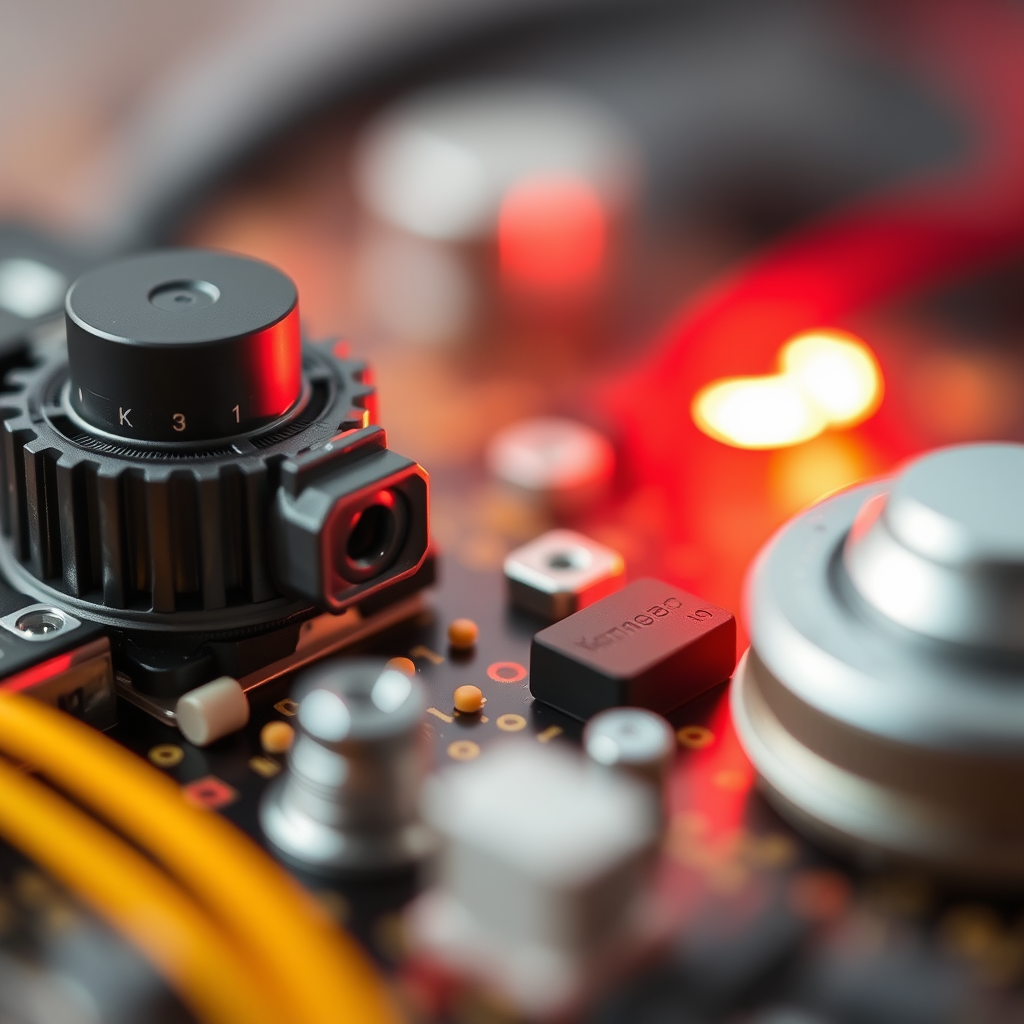
To build your own drone sensors, you will need a combination of electronic components and tools. Here’s a list of essential items you should consider:
1. Microcontroller: A popular choice is the Arduino or Raspberry Pi, which will serve as the brain of your sensor system.
2. Sensor Modules: Depending on the sensors you want to build, you might need specific modules such as:
– BMP180 or BMP280 for barometric pressure
– HMC5883L for magnetometer
– HC-SR04 for ultrasonic distance measurement
– MPU6050 for accelerometer and gyroscope
3. Wiring: Jumper wires, breadboards, or custom PCBs for assembling your components.
4. Power Supply: Batteries suitable for your drone’s voltage requirements.
5. Programming Environment: Software tools like Arduino IDE or Thonny for Python environments.
6. Testing Equipment: Tools such as multimeters and oscilloscopes to verify your sensor’s performance.
When sourcing these components, consider reputable electronics suppliers like Adafruit, SparkFun, or Digi-Key. Online marketplaces such as Amazon or eBay can also provide many of these items, often at competitive prices.
Step-by-Step Guide to Building Sensors
Building sensors for your DJI drone involves several steps, combining both hardware assembly and software development:
1. Select Your Sensor Type: Decide which sensors you want to create based on the capabilities you wish to add to your drone.
2. Assemble the Hardware:
– Connect the sensor module to the microcontroller using the appropriate wiring. For example, if using an I2C sensor like the BMP280, connect the SDA and SCL pins to the corresponding pins on your microcontroller.
– Ensure proper power supply connections to prevent damage to the sensors.
3. Write the Code:
– Using your programming environment, write code to read data from the sensors. For instance, if you are using the BMP280, you will need to include its library and set up the sensor in your code.
4. Upload the Code: Connect your microcontroller to your computer and upload the code.
5. Testing and Calibration:
– Test the sensors to ensure they are functioning correctly. Use a multimeter to check voltage levels and verify output through serial monitors.
– Calibrate your sensors based on the data they provide. Adjust the code as necessary to ensure accurate readings.
For optimal performance, it’s essential to iterate on both hardware and software based on testing feedback.
Programming the Sensors
Programming your sensors is a critical step in the DIY process, as it translates the hardware assembly into functional data collection. Here are some programming environments you can consider:
– Arduino IDE: A popular choice for beginners, it provides a straightforward interface for programming various microcontrollers.
– Python: For those using Raspberry Pi, Python offers robust libraries for sensor integration.
Here’s a simple example code snippet for reading data from a BMP280 sensor using Arduino:
#include
#include
#include
Adafruit_BMP280 bmp; // I2C
void setup() {
Serial.begin(9600);
if (!bmp.begin(0x76)) { // Check the sensor
Serial.println(“Could not find a valid BMP280 sensor, check wiring!”);
while (1);
}
}
void loop() {
Serial.print(“Temperature = “);
Serial.print(bmp.readTemperature());
Serial.println(” C”);
delay(2000);
}
This code initializes the BMP280 sensor and continuously reads and prints the temperature data to the serial monitor.
Challenges in Building Your Own Sensors
While building your own sensors can be rewarding, it is not without challenges. Here are some common obstacles you may encounter:
– Component Compatibility: Ensuring that the sensors, microcontroller, and other components work together can require careful research and testing.
– Power Management: Drones have specific power requirements, and improper power management can lead to component failure or reduced flight time.
– Data Processing: Collecting data from multiple sensors can overwhelm the microcontroller if not managed properly, leading to delays or errors in data transmission.
To troubleshoot these issues, consider the following tips:
– Research Extensively: Use online forums, tutorials, and datasheets to understand the components you are working with.
– Start Simple: Begin with one sensor and gradually add complexity as you gain confidence and experience.
– Iterate on Feedback: Use test results to refine your setup, whether it’s adjusting code for better performance or tweaking hardware connections.
Enhancing Your DIY Drone Sensor Capabilities
Once you have successfully built basic sensors, there are many ways to enhance their capabilities:
– Add Advanced Sensors: Consider integrating LIDAR sensors for detailed mapping or thermal cameras for heat detection.
– Develop Custom Algorithms: Implement machine learning algorithms to enable your drone to recognize patterns or make autonomous decisions based on sensor data.
– Create a Data Logging System: Build a system that logs data over time, allowing for detailed analysis of performance and environmental conditions.
To further your learning, numerous online platforms like Coursera, Udemy, and specialized forums such as DIYDrones or the Arduino community can provide valuable resources and advanced insights.
Real-World Applications of Custom Sensors
Custom sensors can significantly enhance the capabilities of drones across various industries. For example:
– Agriculture: Drones equipped with multispectral sensors can monitor crop health by analyzing reflectance in specific wavelengths, enabling precision agriculture practices.
– Search and Rescue: Drones with thermal cameras can locate missing persons in challenging terrains by detecting body heat.
– Environmental Monitoring: Custom sensors can be developed to measure air quality or radiation levels, providing data for environmental assessments and studies.
These applications demonstrate the versatile nature of drones and how custom sensors can be tailored to meet specific operational needs.
Creating your own DJI drone sensors can be a rewarding project that enhances your understanding of drone technology. By following the steps outlined and addressing potential challenges, you can successfully design and implement custom sensors tailored to your specific needs. The journey of building and programming these sensors not only enriches your technical skills but also opens up a world of possibilities for your drone applications. Start experimenting today, and take your drone experience to the next level!
Frequently Asked Questions
Can you build your own DJI drone sensors from scratch?
Building your own DJI drone sensors from scratch is a complex task that requires advanced knowledge in electronics, programming, and drone technology. While it is technically possible, it often involves intricate design and calibration processes to ensure compatibility with DJI drones. Instead, many enthusiasts choose to modify existing sensors or use third-party options designed for specific DJI models, which can provide a more straightforward path to customization.
What types of sensors can be added to a DJI drone?
DJI drones can be equipped with a variety of sensors to enhance their capabilities. Common types include thermal sensors for heat detection, LiDAR sensors for mapping and surveying, and high-resolution cameras for aerial photography. Additionally, environmental sensors like air quality monitors and GPS modules can also be integrated, allowing users to customize their drones for specific applications in fields such as agriculture, construction, and search and rescue.
How do you integrate new sensors with DJI drones?
Integrating new sensors with DJI drones typically involves using a companion computer or flight controller that can interface with both the drone and the sensor. This may require programming skills to write software that enables communication between the two systems, as well as making physical modifications to mount the sensors securely. Alternatively, some third-party sensor kits come with ready-to-use interfaces that simplify the integration process for users without extensive technical expertise.
Why might someone want to build their own drone sensors for DJI drones?
Building your own drone sensors for DJI drones can provide a unique advantage in terms of customization and functionality. This approach allows users to tailor the sensors to meet specific needs, such as enhanced imaging capabilities or specialized data collection for research. Additionally, DIY sensors can be more cost-effective compared to purchasing high-end commercial options, making them appealing for hobbyists and professionals looking to push the boundaries of their aerial projects.
Which DJI drones are most compatible with custom sensors?
The DJI Matrice series, particularly the Matrice 200 and 600, are among the most compatible with custom sensors due to their modular design and open architecture. These drones allow for significant flexibility in adding various payloads, including custom sensors. Additionally, the DJI Phantom 4 RTK is also compatible with certain modifications, but it is important to ensure that any custom sensor setup does not interfere with the drone’s existing systems for optimal performance.
References
- https://en.wikipedia.org/wiki/Drone_sensor
- https://www.nasa.gov/feature/nasa-s-unmanned-aircraft-system-traffic-management
- https://www.sciencedirect.com/science/article/pii/S2352864818301070
- https://www.researchgate.net/publication/331998250_A_survey_of_sensors_in_unmanned_aerial_vehicles
- Frontiers | Underwater Robotics Competitions: The European Robotics League Emergency Robots Exper…
- https://www.mdpi.com/2504-446X/4/1/10
- https://www.nist.gov/news-events/news/2021/02/nist-helps-ensure-drone-sensors-are-reliable-and-safe
- https://www.itu.int/en/ITU-T/Academic/Pages/drones.aspx
