
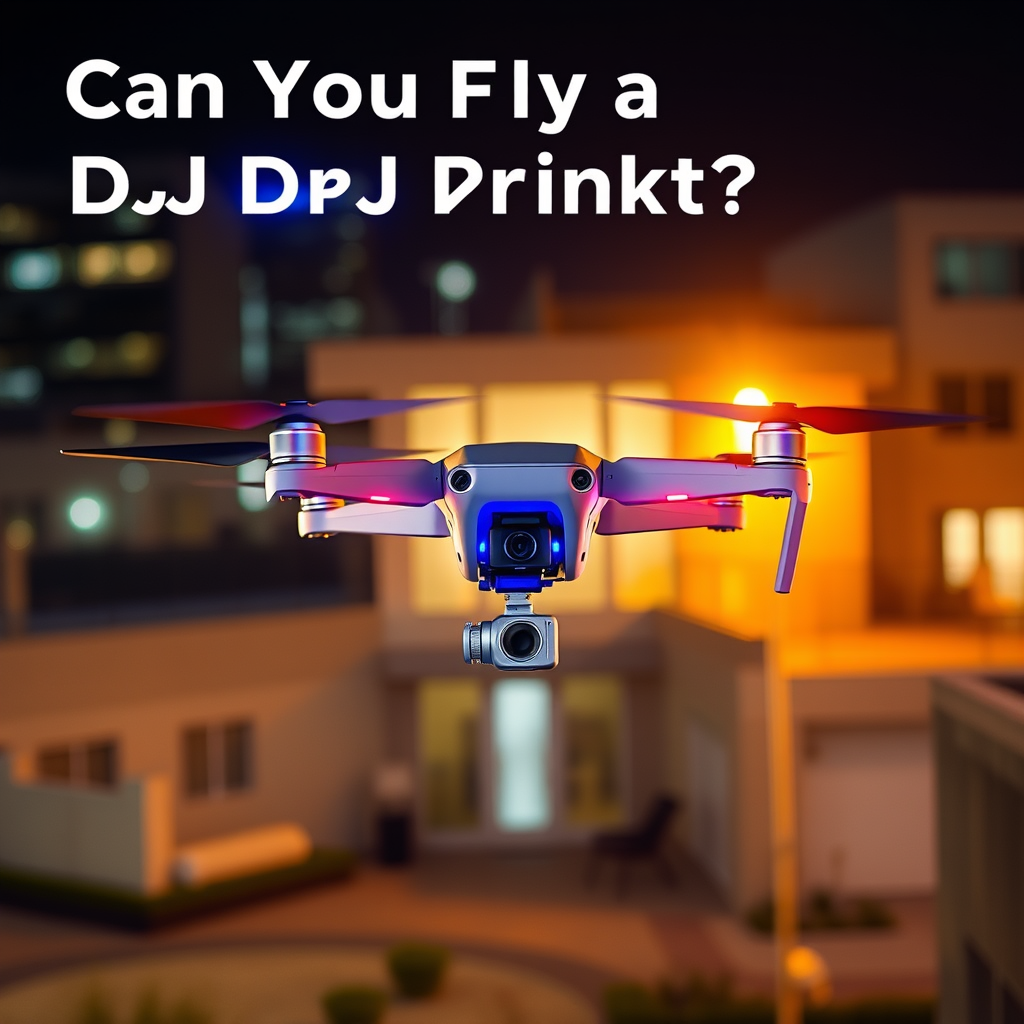
Yes, you can fly a DJI drone at night, but it is critical to adhere to specific regulations and requirements set forth by aviation authorities. Nighttime drone flying offers unique opportunities for stunning aerial photography and videography, but it also comes with increased risks and legal obligations that must be understood and respected. In this article, we will delve into the legalities surrounding night flights, the necessary safety precautions, and the appropriate equipment to ensure a successful and compliant nighttime flying experience.
Understanding FAA Regulations
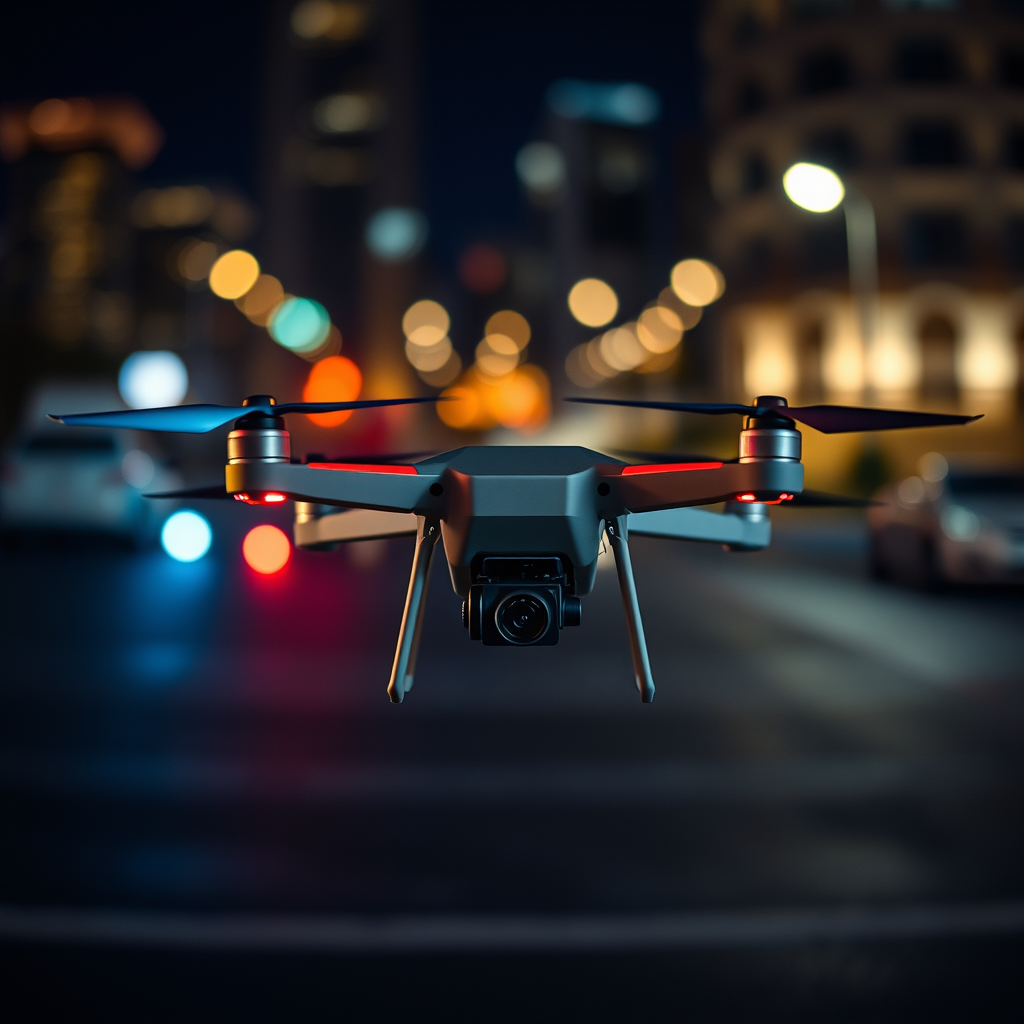
The Federal Aviation Administration (FAA) has established clear regulations concerning the operation of drones at night. One of the fundamental requirements is that all drones flown during nighttime hours must be equipped with anti-collision lighting. This lighting not only enhances the drone’s visibility to other aircraft but also assists the pilot in maintaining awareness of the drone’s orientation and position.
Additionally, pilots seeking to operate drones commercially at night must possess a Part 107 certification. This certification signifies that the pilot has completed the necessary training and understands the rules governing commercial drone operations. It is vital for drone operators to familiarize themselves with FAA regulations and ensure compliance to avoid penalties or legal issues.
Nighttime Drone Lighting Requirements
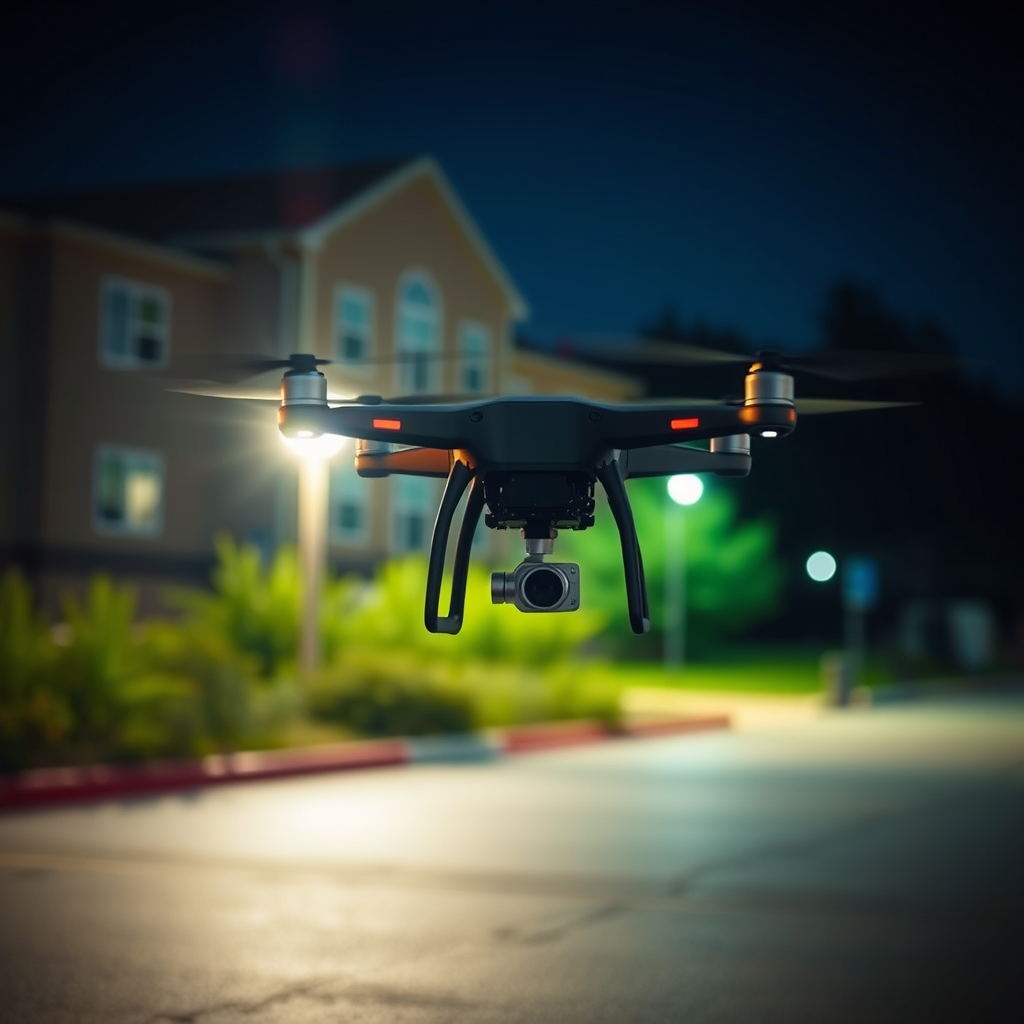
When flying a drone at night, the FAA stipulates that the drone must have visible lights that can be seen from a distance of at least three statute miles. These lights are essential for ensuring that the drone remains visible to other pilots and observers in the area. Typically, drones should be equipped with both navigation and anti-collision lights, ideally in contrasting colors to improve visibility against the night sky.
The strategic positioning of these lights is equally important. Pilots should ensure that lights are placed in a way that allows them to maintain orientation and monitor the drone’s movements effectively. By having lights on all sides of the drone, pilots can better judge the drone’s altitude and direction, thus minimizing the risk of collisions with obstacles.
Safety Considerations for Night Flying
Safety is paramount when it comes to flying drones at night. One of the first steps is to conduct a thorough assessment of the flying area. Pilots should ensure that the location is free of obstacles, such as trees, buildings, and power lines, which can pose significant hazards in low-light conditions.
Moreover, it is highly advisable to familiarize yourself with the area during daylight hours before attempting a night flight. This practice not only helps in understanding the terrain but also aids in memorizing potential hazards that might not be as visible at night. Additionally, pilots should plan their flight paths carefully and avoid crowded areas to minimize risks.
Recommended DJI Models for Night Flights
When it comes to nighttime operations, not all drones are created equal. Certain DJI models excel in low-light environments, making them ideal candidates for night flying. For example, the DJI Mavic Air 2 is equipped with advanced camera technology that performs exceptionally well in low-light conditions, allowing for high-quality images and videos.
Another excellent choice is the DJI Phantom 4 Pro, which features a 1-inch sensor capable of capturing stunning detail even in dim lighting. When selecting a drone for night operations, it is crucial to consider models that not only support the necessary lighting but also have features that enhance flight stability and camera performance in low-light situations.
Tips for Successful Night Flying
To maximize the safety and enjoyment of your night flying experience, consider the following practical tips. First, it is advisable to fly with a spotter or visual observer. This individual can assist in monitoring the drone’s surroundings, helping to identify any potential obstacles or hazards that the pilot may not see.
Additionally, it is beneficial to practice flying in low-light conditions before venturing out for a full night flight. This practice can help build confidence and improve your ability to control the drone in challenging visibility situations. Lastly, consider using a pre-flight checklist specifically designed for night operations to ensure that you do not overlook any critical steps in your preparation.
Equipment and Accessories for Night Flying
Investing in the right equipment and accessories is essential for successful night flying. High-quality anti-collision lights are a must-have to ensure that your drone remains visible to other pilots and observers. Various options are available on the market, from simple LED lights to more sophisticated lighting systems designed specifically for drones.
Additionally, consider using camera filters that enhance low-light image quality. Neutral density (ND) filters can help manage exposure, allowing for smoother video capture and sharper images. By carefully selecting the right accessories, you can significantly improve your nighttime flying experience and the quality of your aerial content.
By summarizing the key points about the regulations, safety measures, and equipment needed for flying DJI drones at night, it is clear that preparation and knowledge are essential. Nighttime drone operations can be incredibly rewarding when approached with the right mindset and tools. If you’re ready to elevate your drone flying to new heights, ensure you have the appropriate gear and knowledge, and start planning your night flight adventure today!
Frequently Asked Questions
Can you fly a DJI drone at night legally?
Yes, you can fly a DJI drone at night, but it is essential to comply with your local regulations. In the United States, for example, the Federal Aviation Administration (FAA) allows night flying as long as the drone is equipped with proper lighting to maintain visibility. Always check your country’s specific laws and any local regulations before flying at night to ensure compliance and safety.
What equipment do I need to fly a DJI drone at night?
To fly a DJI drone at night, you must have appropriate lighting systems installed on your drone. This usually includes anti-collision lights that make the drone visible to other aircraft and help you maintain orientation during flight. Additionally, using a drone with a built-in camera and night vision capabilities can greatly enhance your flying experience in low-light conditions.
How do I prepare for a night flight with my DJI drone?
Preparing for a night flight with your DJI drone involves several important steps. First, ensure that your drone is equipped with the necessary lighting and that all components are functioning correctly. Second, plan your flight path and familiarize yourself with the area to avoid obstacles. Finally, conduct a pre-flight check, including battery levels, GPS accuracy, and camera settings, to ensure a smooth flight.
Why is it important to have lights on a DJI drone when flying at night?
Having lights on your DJI drone when flying at night is crucial for safety and legal compliance. Lights help to make your drone visible to other pilots and aircraft, reducing the risk of collisions. Furthermore, they aid in navigation by allowing you to maintain orientation and track your drone’s position in the dark, ensuring a safer flying experience.
What are the best DJI drones for night flying?
The best DJI drones for night flying include models like the DJI Mavic Air 2 and the DJI Phantom 4 Pro, as they come with high-quality cameras and stable flight capabilities. These drones are also compatible with external lighting kits that enhance visibility. When choosing a drone for night flying, look for features such as advanced stabilization, low-light camera performance, and reliable battery life to ensure optimal performance in dark conditions.
References
- https://www.faa.gov/uas/getting_started/flight
- https://www.faa.gov/uas/resources/policies_regulations
- https://www.nytimes.com/2020/10/14/technology/drones-night-flying.html
- https://www.dronepilotgroundschool.com/flying-drones-at-night-what-you-need-to-know/
- Considerations for the Design of a Systematic Review of Interventions for Preventing Clinical Alz…
- https://www.suasnews.com/2021/07/faa-issues-new-rules-regarding-night-flying-for-drones/
- https://www.droneaccidents.com/drone-night-flying-laws/
