
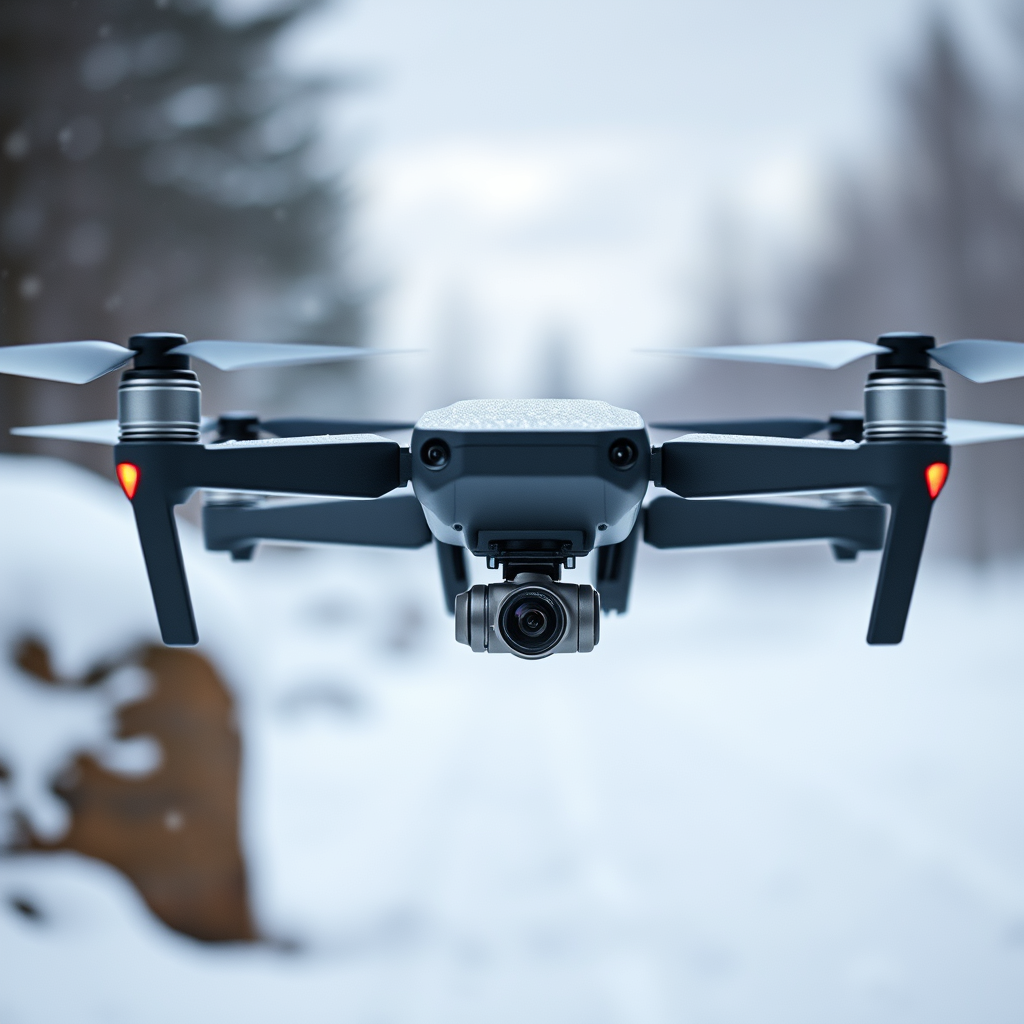
Yes, you can fly a DJI drone in snow, but it demands careful preparation and awareness of specific challenges. Snowy conditions can create picturesque landscapes that are perfect for aerial photography; however, they also pose risks that can affect your drone’s functionality and safety. In this article, we will delve into the considerations and practical tips that ensure safe flying of your DJI drone in winter weather, allowing you to capture stunning visuals while mitigating potential hazards.
Understanding DJI Drone Limitations
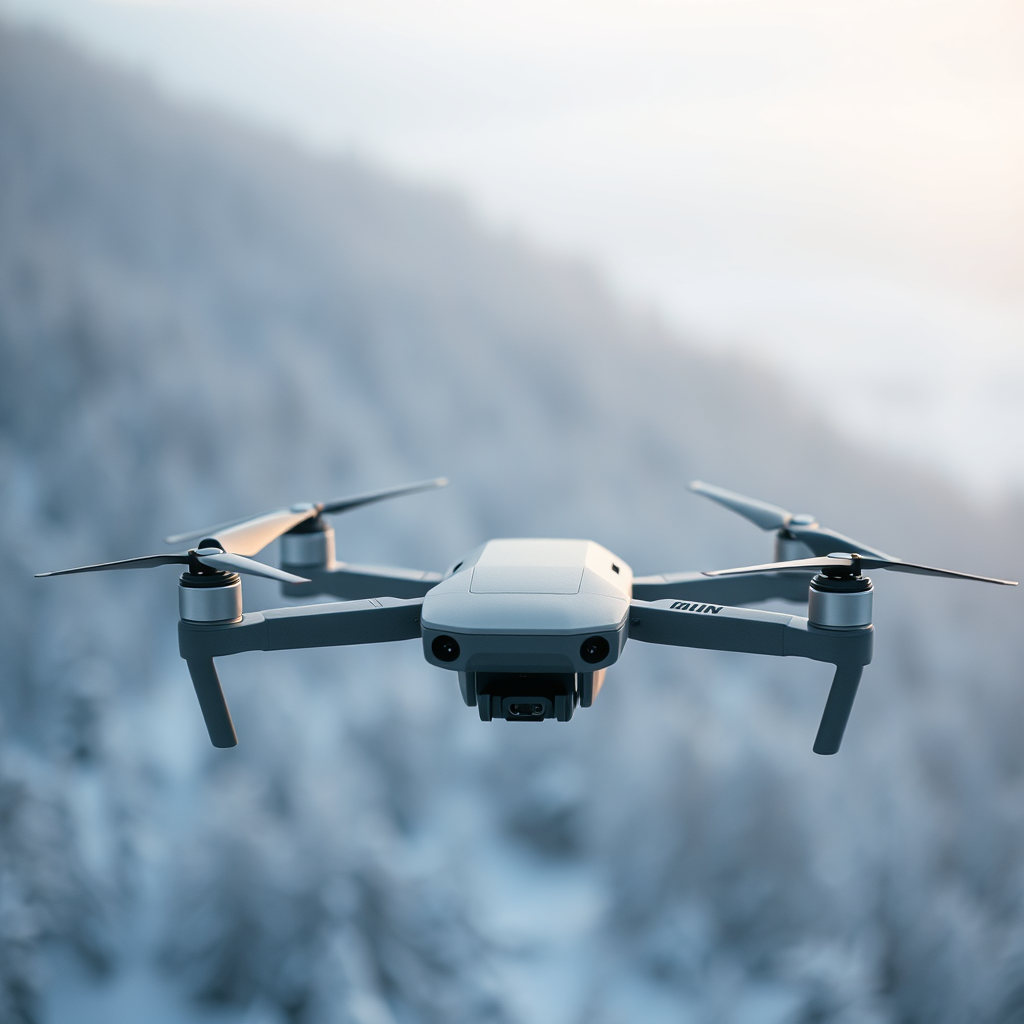
DJI drones are engineered with specific operating temperature ranges, usually between 0°C to 40°C (32°F to 104°F). Before taking your drone out into snowy conditions, it is crucial to consult the user manual for your specific model to ascertain its operational limits. Cold weather can significantly reduce battery performance, leading to shorter flight times and potential failures if the battery is not adequately managed. A lithium polymer (LiPo) battery, commonly used in drones, can lose about 20% of its capacity at 0°C (32°F) and even more as temperatures drop further. Therefore, monitoring battery levels closely and planning shorter flights can help maintain control and avoid unexpected landings.
Additionally, snow and moisture can affect the drone’s sensors and mechanical components. Moisture buildup can lead to ice forming on the drone, potentially impairing its ability to fly safely. Understanding these limitations is essential for successful operation in winter conditions.
Preparing Your Drone for Snow
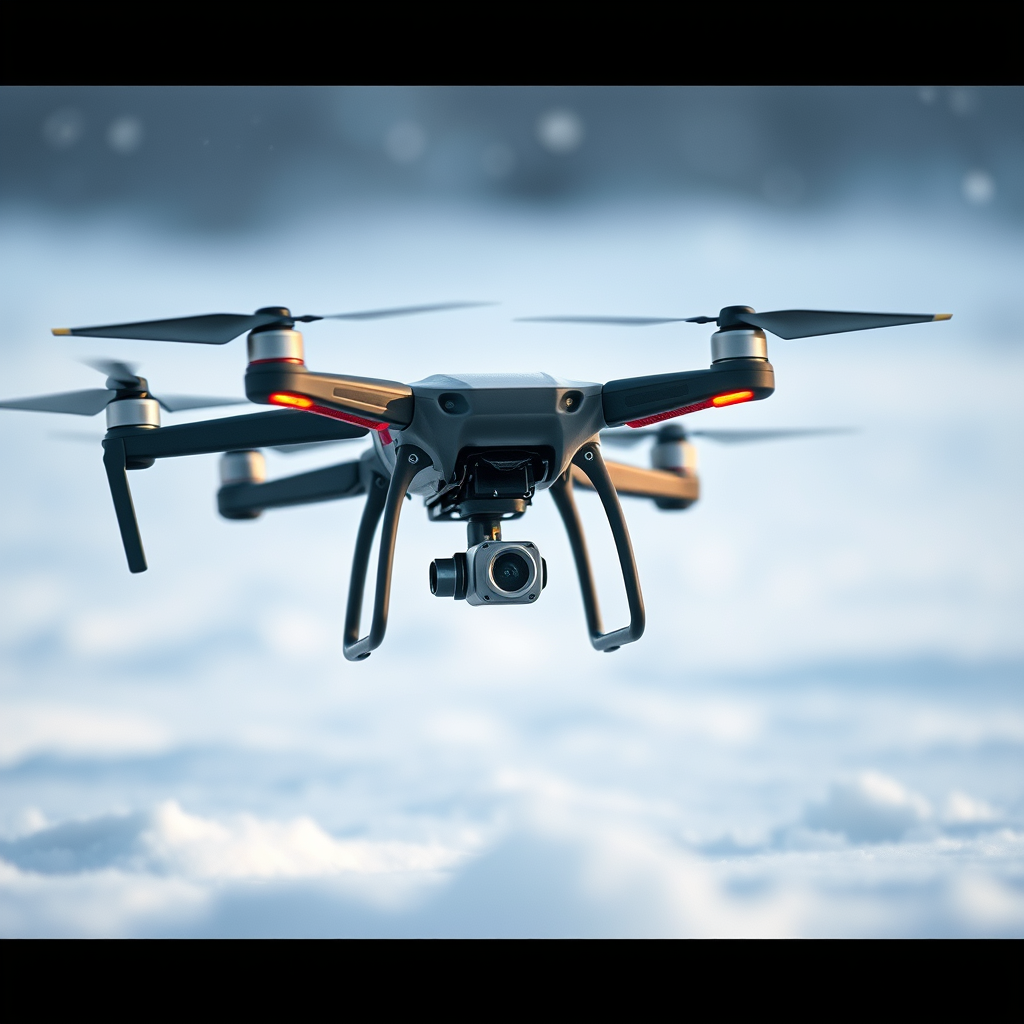
Preparation is key when flying a DJI drone in snowy environments. One of the most effective measures is to use propeller guards. These accessories not only protect the propellers from snow accumulation but also enhance overall safety by minimizing the risk of damage during takeoff and landing. Ensure your drone is fully charged before heading out, and consider carrying extra batteries, as the cold can significantly decrease their efficiency. Keeping spare batteries warm in an insulated pouch can help maintain their charge and performance.
Additionally, consider the drone’s landing gear. If your drone is equipped with landing gear that can be adjusted or changed, select a version that can better handle snowy surfaces, which will prevent snow from interfering with the drone’s electronics upon landing.
Camera Settings for Snowy Conditions
Capturing the beauty of snow-laden landscapes requires specific camera settings to overcome the challenges posed by bright, reflective surfaces. Snow can easily cause overexposure in photos due to its high reflectivity. To counteract this, adjusting the exposure settings is vital. Use a lower ISO setting to reduce sensitivity to light, and consider using a polarizing filter to help manage glare and enhance color contrast.
Switching to manual mode can provide better control over exposure in rapidly changing light conditions. When flying during twilight hours or when the sun is low, adjusting shutter speeds and aperture settings will allow for more accurate captures of the winter scenery. For instance, using a higher shutter speed can help freeze motion, making it easier to capture crisp images of fast-moving subjects against the serene backdrop of snow.
Safety Precautions While Flying
Safety should always be the top priority when flying a drone, especially in challenging conditions like snow. Avoid flying during heavy snowfall or strong winds, as these factors can compromise the drone’s stability and control. Ice can form on the drone’s body and propellers, increasing weight and potentially causing crashes. Always maintain a clear line of sight to your drone, as snowy conditions can create visibility issues.
Be aware of your surroundings, particularly when flying in areas that may have wildlife or other people. The serene beauty of a snowy landscape can attract other enthusiasts, so it’s vital to be considerate and avoid flying too close to individuals or structures. Utilizing a reliable GPS system and pre-planned flight paths can help navigate the area safely.
Post-Flight Care and Maintenance
After flying in snowy conditions, thorough post-flight care is crucial to preserve your DJI drone’s functionality and longevity. Begin by cleaning the drone meticulously to remove snow, ice, and moisture. Using a soft, dry cloth to wipe down the drone, especially around the motors and sensors, can help prevent corrosion and damage.
Check the propellers for any signs of wear or damage, as well as the battery compartment and other electrical components for moisture accumulation. It’s advisable to let the drone acclimate to room temperature before charging the batteries, as rapid temperature changes can lead to condensation forming inside the drone. Regular maintenance checks, especially after winter flights, can ensure all components are functioning correctly and extend the life of your drone.
Legal and Regulatory Considerations
Before flying your DJI drone in snowy conditions, familiarize yourself with local regulations regarding drone operations in winter. Various jurisdictions may have specific laws or guidelines for operating drones in remote or snowy areas, especially concerning wildlife protection and environmental preservation. Always respect no-fly zones, which can be more prevalent in winter months due to increased wildlife activity or snow-covered areas that may be designated as protected.
Additionally, consider notifying local authorities or fellow drone enthusiasts of your flight plans, particularly if you’re flying in a popular area. Being transparent about your intentions can foster a supportive community environment and enhance safety for everyone involved.
In summary, you can indeed fly a DJI drone in snow, but it requires careful planning and consideration of the unique challenges posed by cold weather and snowy conditions. By understanding your drone’s limitations, preparing adequately, adjusting camera settings, adhering to safety precautions, and performing diligent post-flight care, you can successfully capture breathtaking winter landscapes. For more tips on drone flying in various conditions, consider exploring our other articles or subscribing for updates!
Frequently Asked Questions
Can you fly a DJI drone in snowy conditions?
Yes, you can fly a DJI drone in snowy conditions, but it’s essential to take precautions. Snow can affect the drone’s sensors and battery performance, potentially leading to reduced flight time and stability. Always check the weather forecast, avoid flying in heavy snowfall, and ensure that the drone is dry and free from snow buildup before takeoff.
What precautions should I take when flying a DJI drone in the snow?
When flying a DJI drone in the snow, it’s crucial to keep the drone warm and dry, as cold temperatures can impact battery life and performance. Use propeller guards to prevent snow accumulation on the blades and avoid flying in wet, heavy snow. Additionally, ensure that your drone’s firmware is up to date, as this can enhance performance in challenging conditions.
How does cold weather affect DJI drone battery life?
Cold weather can significantly reduce the battery life of a DJI drone. Lithium polymer batteries, commonly used in drones, are less efficient in low temperatures, leading to shorter flight times. To mitigate this, keep your batteries warm before flight and consider using battery warmers to maintain optimal performance during snowy conditions.
Which DJI drones are best for flying in snowy conditions?
While most DJI drones can be flown in snow, models like the DJI Mavic Air 2 and DJI Phantom 4 Pro are particularly well-suited due to their robust design and advanced features. These drones have better battery management systems and improved flight stability, making them more reliable in challenging weather conditions. Always ensure that your drone is equipped with the latest firmware for optimal performance.
Why is it important to avoid flying a DJI drone in heavy snowfall?
Avoiding flying a DJI drone in heavy snowfall is crucial because it can obscure camera visibility and impair navigation sensors, leading to potential crashes. Additionally, snow can accumulate on the drone, affecting its weight and aerodynamics. For safe operation, it’s best to fly in light snow or clear conditions to ensure optimal performance and safety.
References
- DJI – The World Leader in Camera Drones/Quadcopters for Aerial Photography
- https://www.reuters.com/article/us-drones-snow-idUSKBN1ZC2K5
- https://www.wired.com/story/drones-in-winter-what-you-need-to-know/
- https://www.faa.gov/uas/getting_started/fly/
- https://www.nytimes.com/2020/12/12/technology/drones-winter-weather.html
- https://www.dronepilotgroundschool.com/can-you-fly-a-drone-in-the-snow/
