
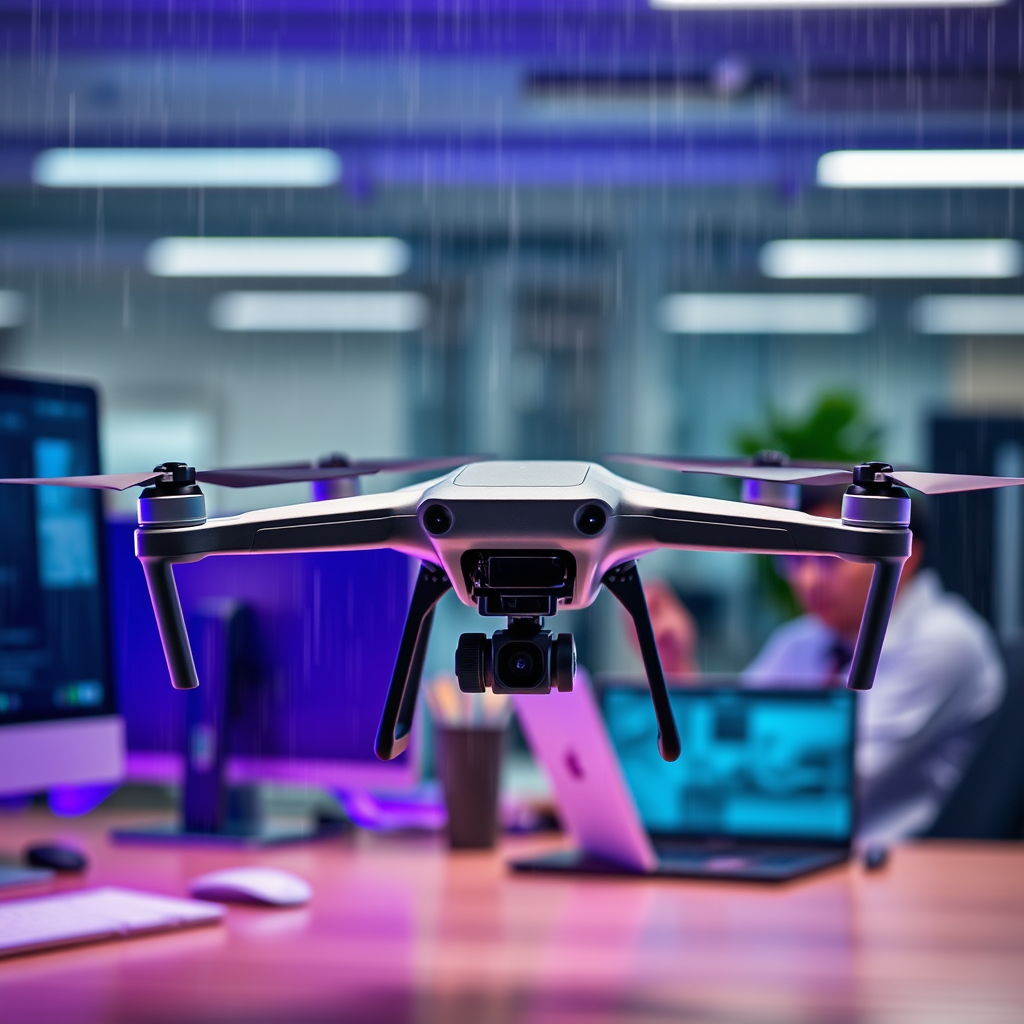
Flying a DJI drone in the rain is generally not recommended, as moisture can damage the drone’s electronics and affect its performance. While some DJI models feature water-resistant capabilities that may permit limited operation in light rain, caution is paramount. This article delves into the intricacies of flying drones in wet conditions, examining risks, guidelines, and best practices to ensure the safety and longevity of your equipment.
Understanding DJI Drone Specifications
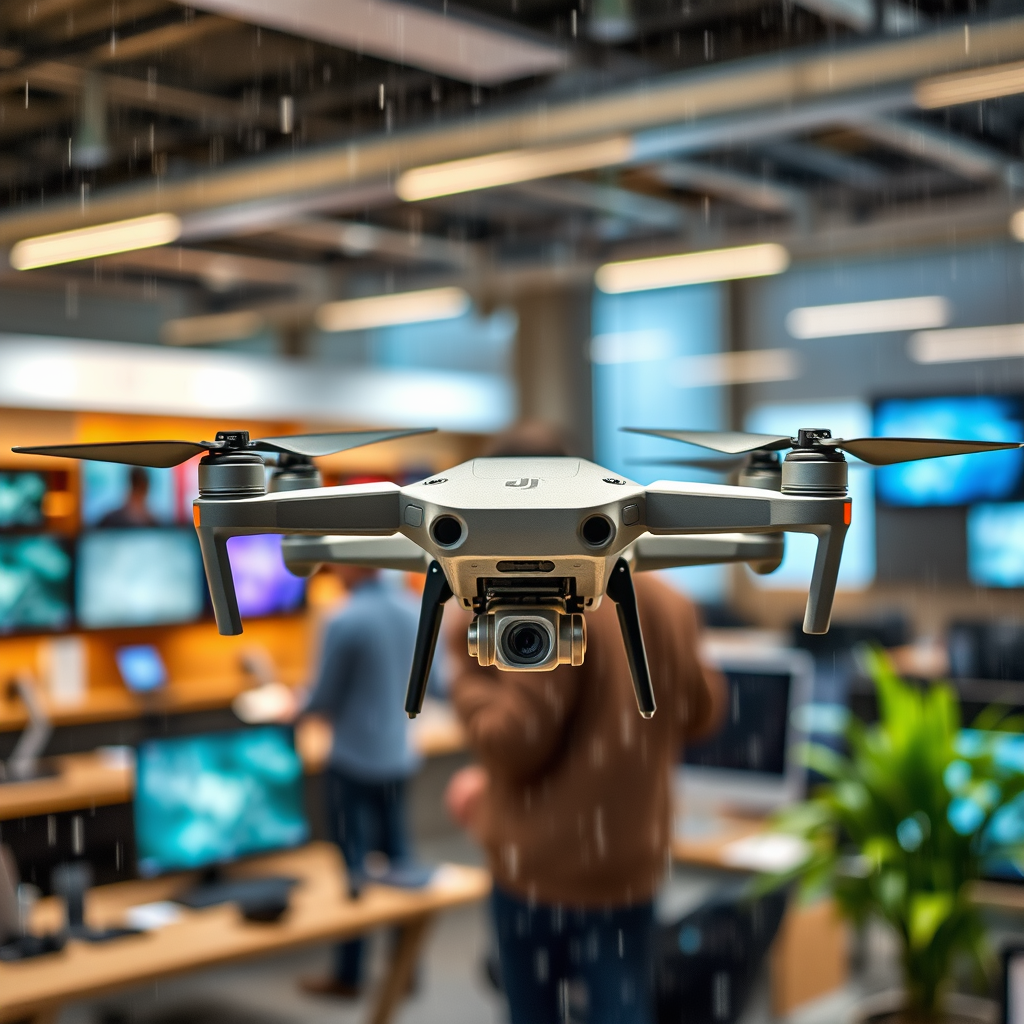
Different DJI models possess varying levels of water resistance. For instance, the DJI Mavic 2 Enterprise and the DJI Matrice series are designed with some water-resistant features, allowing for potential use in light rain. However, models like the DJI Mini series are not designed for wet conditions at all. It is crucial to consult the manufacturer’s guidelines and specifications for your specific drone model to understand its capabilities and limitations. This will help you make an informed decision before flying in adverse weather. Always refer to the user manual for detailed information regarding water resistance ratings, as these can vary significantly between models.
Risks of Flying in Rain
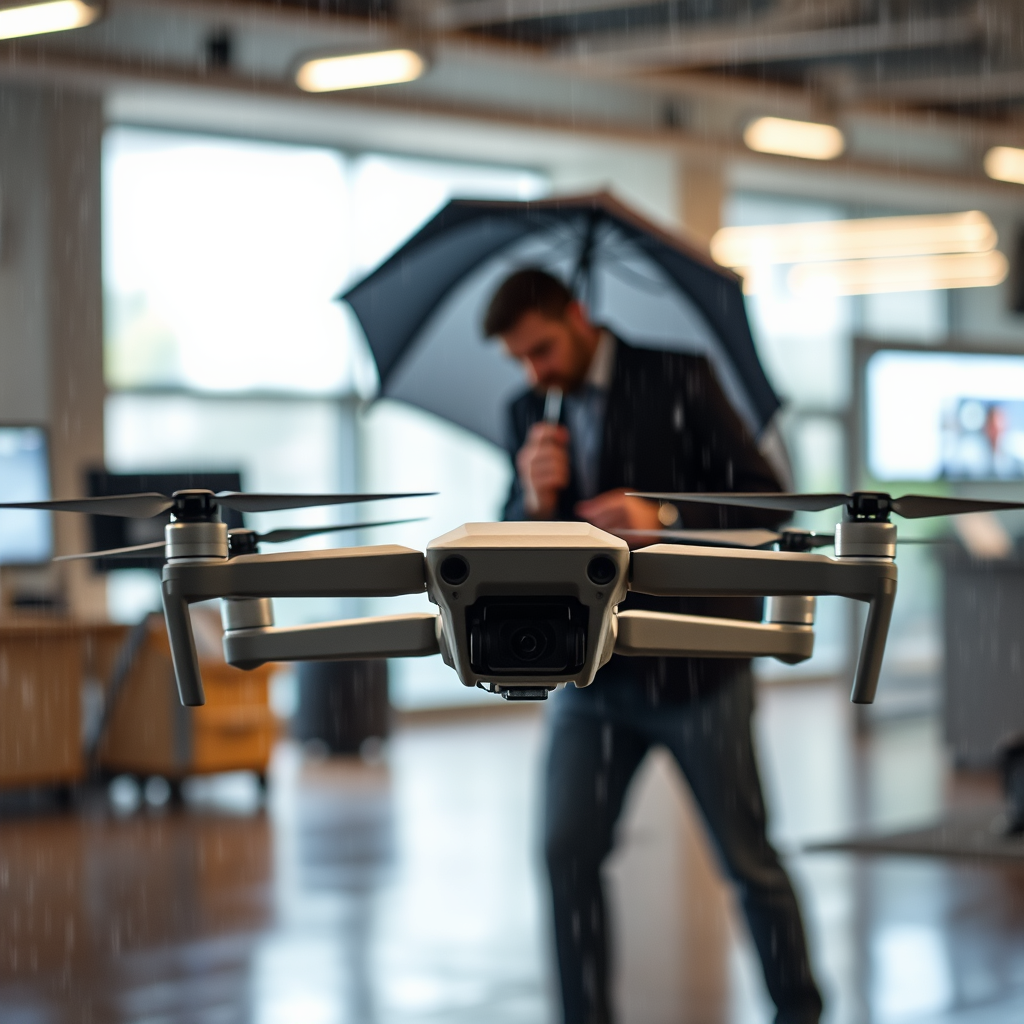
Moisture poses several risks when flying a drone, with the most significant being the potential for short circuits and hardware failure. Drones operate with complex electronic systems that can be compromised when exposed to water. Even a seemingly minor amount of moisture can lead to severe damage, necessitating costly repairs or even total replacement of the drone. Additionally, flying in rain can result in reduced visibility, complicating navigation and increasing the likelihood of accidents. Rain can obscure your view of the drone, making it difficult to maintain line of sight, which is a fundamental requirement for safe flying.
The risk of losing control of the drone increases in inclement weather, as the rain can affect the drone’s sensors and GPS functionality. Wind gusts often accompany rain, further destabilizing the drone and making it challenging to operate smoothly. Thus, the combination of these factors presents significant challenges that can lead to accidents or equipment loss.
Best Practices for Light Rain Flying
If you must fly your DJI drone in light rain, ensure that it is rated for such conditions. Check the manufacturer’s specifications, and only proceed if you have confirmed that your drone can handle light moisture. Additionally, it is essential to monitor weather conditions closely. Use reliable weather apps or services to track changes in the forecast, as conditions can sometimes worsen unexpectedly.
When flying, keep your flights short to minimize exposure to moisture. After landing, promptly check for any water accumulation on the drone and gently wipe it off with a soft, dry cloth. Avoid flying in heavy rain, as this not only increases the risk of damage but can also lead to poor visibility and difficult flying conditions. If you notice the rain intensifying, it is wise to land immediately and secure your equipment.
Maintenance Tips After Flying in Rain
Post-flying maintenance is crucial when operating in wet conditions. After every flight in the rain, clean your drone thoroughly to prevent corrosion and ensure it continues to function optimally. Use a soft cloth to wipe down the exterior, paying special attention to the motors and battery compartments, as these areas are particularly vulnerable to moisture damage.
Inspect the drone for any signs of water damage or wear, such as rust or corrosion around electrical components. If your drone has been exposed to significant moisture, it is advisable to let it dry completely in a cool, dry place before attempting to power it on again. For added protection, consider using a silica gel pack in the storage case to absorb any residual moisture. Regular maintenance checks will extend the life of your drone and ensure that it remains in good operating condition.
Alternatives to Flying in Rain
If conditions are unfavorable for flying, consider postponing your flight until the weather improves. Not only will this help protect your investment, but it will also ensure a safer flying experience. If you have to practice or want to keep your skills sharp, explore indoor flying options. Many DJI drones are suitable for indoor use, allowing you to hone your piloting skills without the risk posed by outdoor weather conditions.
Additionally, utilizing a flight simulator can be a valuable tool for drone pilots. These simulators allow you to practice flying in various scenarios without any risk to your actual drone. This can be particularly beneficial for novice pilots who want to gain confidence before flying in more challenging environments.
Legal Considerations
Flying a drone in rain may also have legal implications, as local regulations can dictate the conditions under which drones may be operated. Be sure to familiarize yourself with the laws in your area regarding flying in adverse weather. Certain regions may have specific rules concerning drone operation during rain, which can vary widely based on local governance and the specific environment, such as urban versus rural settings. Ignoring these regulations could lead to fines or other legal consequences.
Moreover, many jurisdictions require pilots to maintain line-of-sight with their drone, which can be difficult in rainy conditions. Ensuring compliance with local laws not only contributes to safer flying but also protects you from legal ramifications.
In conclusion, while flying a DJI drone in the rain is generally inadvisable due to the risks posed to both the drone and pilot, some models may permit limited operation under specific conditions. Understanding your drone’s specifications, recognizing the potential hazards, and adhering to best practices can help mitigate risks. Always prioritize safety and legal compliance, and consider postponing flights during inclement weather. Before taking to the skies, check your specific drone model’s specifications, assess the weather conditions, and prioritize safety to ensure a successful flying experience.
Frequently Asked Questions
Can you fly a DJI drone in the rain?
Flying a DJI drone in the rain is generally not recommended, as most DJI drones are not waterproof and can suffer damage from moisture. While some models, like the DJI Mavic 2 Enterprise, have improved weather resistance, it’s crucial to check the manufacturer’s guidelines for your specific drone. Wet conditions can also affect battery performance and signal quality, leading to potential safety issues.
What happens if my DJI drone gets wet?
If your DJI drone gets wet, it can lead to various issues including short-circuiting of electronic components, corrosion, and damage to the motors and propellers. If your drone has been exposed to water, it’s essential to power it off immediately, dry it thoroughly, and allow it to air out before attempting to use it again. In some cases, professional servicing may be required, especially if you notice any malfunction.
How can I protect my DJI drone from rain?
To protect your DJI drone from rain, consider using a drone rain cover or waterproof bag during transport and storage. Additionally, avoid flying during adverse weather conditions and always check the forecast before planning your flight. Investing in a drone that is specifically designed for rugged conditions or weather-resistant features can also provide extra protection against the elements.
Why is flying a drone in rain a bad idea?
Flying a drone in the rain is a bad idea primarily due to the risk of water damage, which can compromise the drone’s functionality and safety. Rain can also interfere with the drone’s GPS and camera performance, making it difficult to navigate and capture quality footage. Moreover, reduced visibility and slippery surfaces can increase the chances of crashes or accidents.
Which DJI drones are best suited for flying in wet conditions?
While no DJI drones are fully waterproof, some models are better equipped to handle light rain and adverse weather. The DJI Mavic 2 Enterprise and the DJI Matrice series have improved weather resistance and are designed for more rugged usage. Always refer to the specific model’s specifications and user manual for guidance on weather resistance capabilities before considering flying in challenging conditions.
References
- https://www.dronepilotgroundschool.com/can-you-fly-a-drone-in-the-rain/
- Unmanned Aircraft Systems (UAS) | Federal Aviation Administration
- https://www.nytimes.com/2021/06/15/technology/drones-weather.html
- https://www.bbc.com/future/article/20200604-the-pros-and-cons-of-flying-drones-in-the-rain
- https://www.techradar.com/news/can-you-fly-a-drone-in-the-rain
- https://www.verywellhealth.com/what-to-know-about-flying-drones-in-the-rain-5207246
- NASA
- 404 Error – AOPA
- https://www.reuters.com/article/us-technology-drones-insight-idUSKBN2A30C1
