
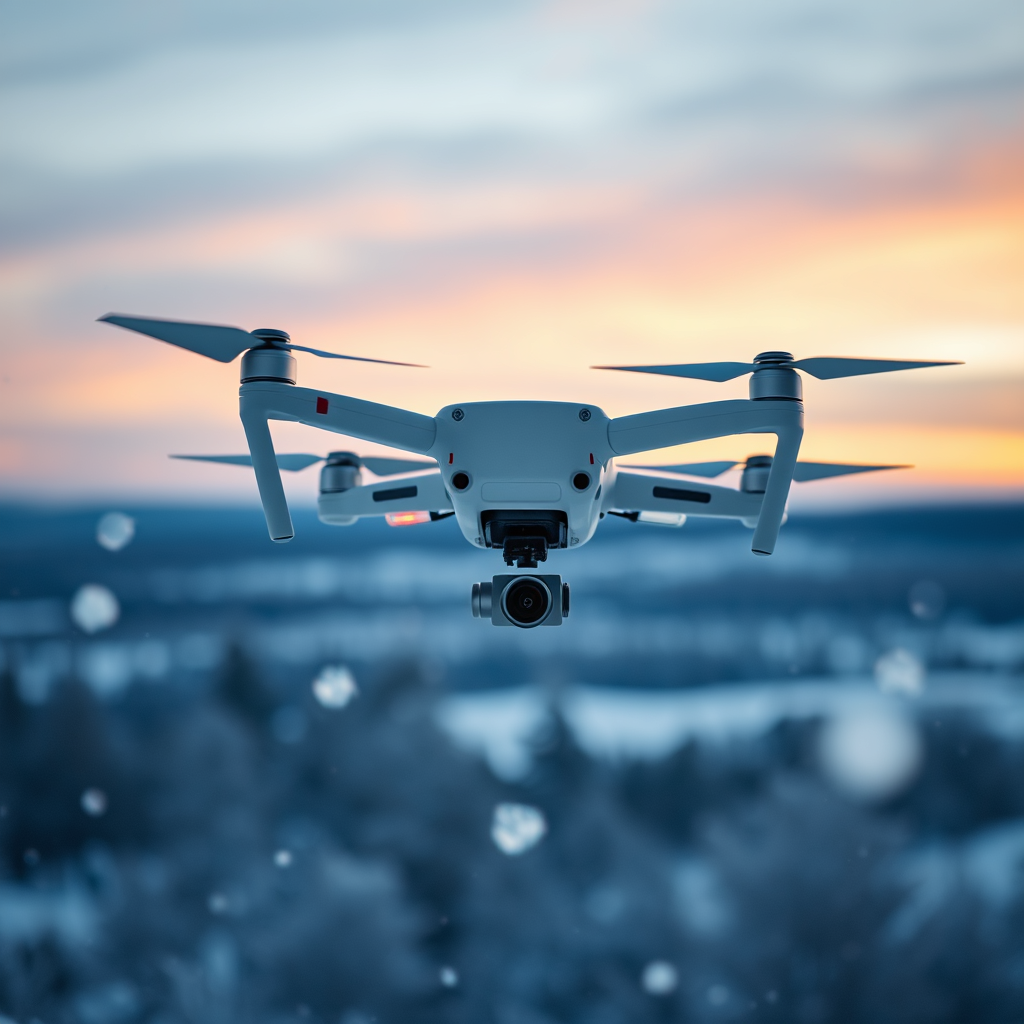
Yes, you can fly a DJI drone in the snow, but it requires careful preparation and an understanding of how cold weather can impact your drone’s performance. Winter conditions can affect battery life, navigation, and the physical integrity of your drone. To successfully capture the stunning winter landscapes with your DJI drone, it’s crucial to follow specific guidelines and take necessary precautions to ensure a safe and effective flight.
Understanding DJI Drone Performance in Cold Weather
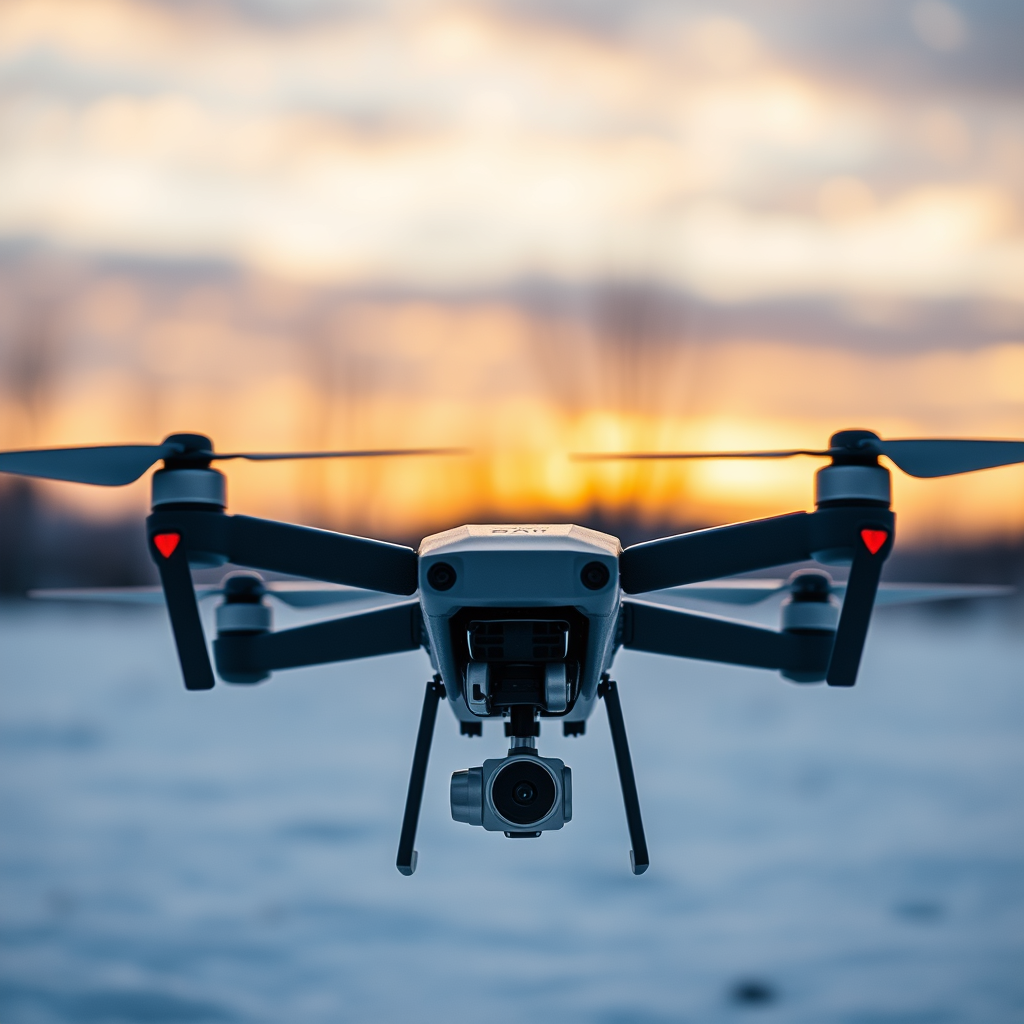
Cold temperatures have a significant impact on battery performance, which is critical for any drone operation. Lithium-polymer batteries, commonly used in DJI drones, are especially sensitive to temperature changes. When exposed to cold weather, battery capacity can diminish rapidly, leading to shorter flight times than what you might experience in milder conditions. For DJI drones specifically, optimal performance is generally achieved at temperatures above 32°F (0°C). While many DJI models are designed to operate in temperatures as low as 14°F (-10°C), pilots should expect reduced flight times and be prepared for potential battery failures if flights are extended in extreme cold.
In practical terms, if you plan to fly in temperatures near the lower threshold, you might experience a battery life reduction of up to 30% or more. For instance, if your drone typically has a 20-minute flight time in ideal conditions, you may only achieve around 14 minutes in freezing weather. Therefore, it’s advisable to conduct pre-flight checks, keep an eye on battery levels, and have a designated landing area in case the battery depletes faster than anticipated.
Preparing Your Drone for Snowy Conditions
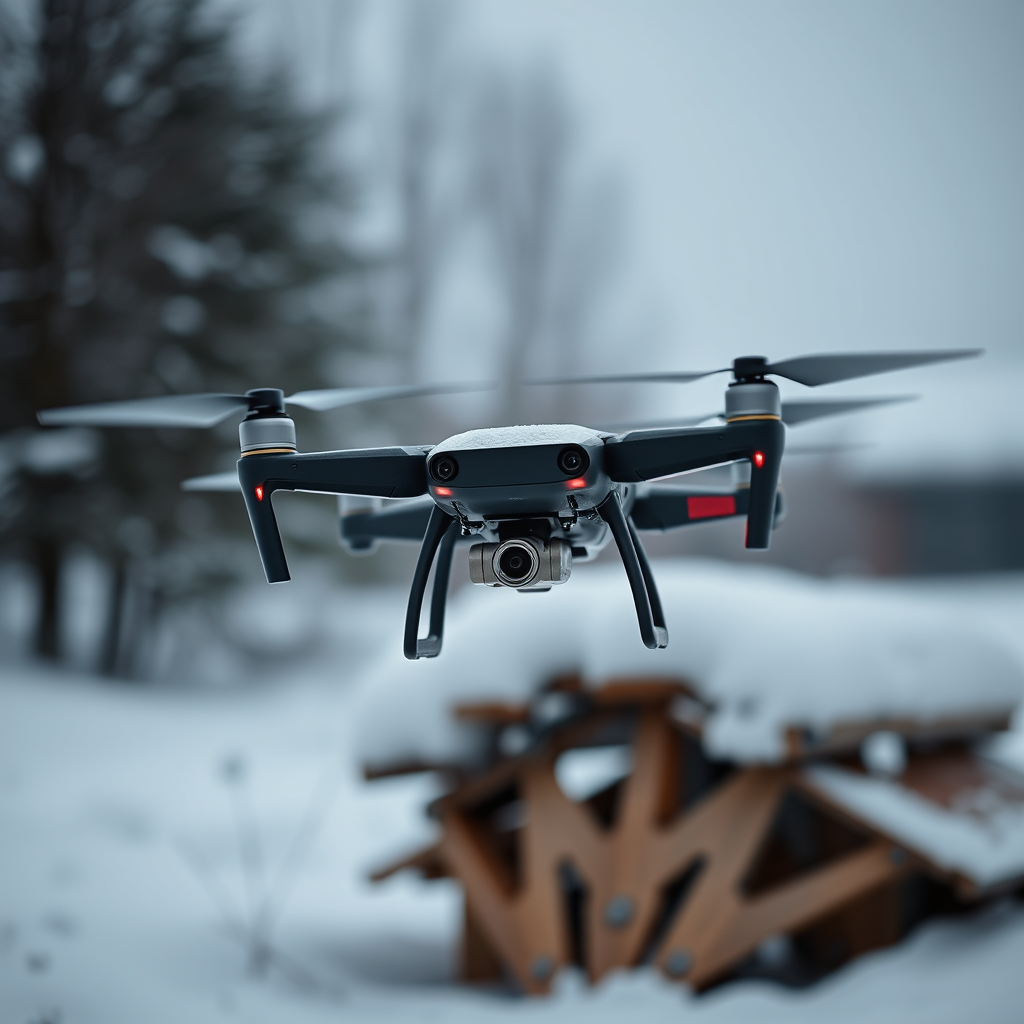
Before venturing out into the snow, thorough preparation of your DJI drone is essential. Begin by ensuring that your drone is free from snow, ice, and moisture, as these can hinder functionality and lead to malfunctions during flight. A simple cleaning with a microfiber cloth or brush can help maintain the drone’s sensors and camera clear of obstructions.
Additionally, consider equipping your drone with propeller guards. These accessories can help prevent snow accumulation on the blades during flight, which can affect performance and stability. Propeller guards also provide an additional layer of protection against potential collisions with trees or other obstacles often obscured by snow.
Furthermore, consider using de-icing solutions specifically designed for drones. These can help mitigate the effects of humidity and prevent moisture build-up on sensitive electronics. Always check for firmware updates before flying, as manufacturers often release enhancements that can improve winter performance.
Essential Tips for Flying in the Snow
When flying your DJI drone in snowy conditions, one of the most important steps is to monitor the weather forecast. Avoid flying during heavy snowfall or in strong winds, as these conditions can severely limit visibility and impact the drone’s stability. Light snow or overcast skies are generally manageable if visibility remains adequate.
Flying during daylight hours is highly recommended. Daylight provides better visibility for the pilot, making navigation easier and enhancing the ability to capture stunning images. Snowy landscapes can create beautiful contrasts and lighting conditions that are best appreciated when there is sufficient natural light.
Another essential tip is to maintain a close watch on your drone’s altitude. Snow can create optical illusions, making it difficult to gauge height accurately. Keeping your drone at a safe altitude and away from obstacles will help ensure a smooth flight experience.
Safety Precautions While Flying in Snow
Safety should always be the top priority when operating a drone, particularly in winter conditions. Keeping your drone within line of sight is crucial, as snow can easily obscure your view of the aircraft, increasing the risk of losing control or losing the drone itself. Establishing a clear flight path and staying vigilant can help mitigate these risks.
Battery management is another important safety consideration. Cold weather can cause batteries to drain faster than expected, so it’s prudent to land early, even if the battery indicator shows remaining power. A good rule of thumb is to land your drone with at least 30% battery remaining, allowing for a safe return and avoiding the risk of the drone freezing mid-flight.Additionally, be aware of the terrain beneath your drone. Soft snow can create challenging conditions for landing and may lead to the drone becoming stuck or damaged. Select landing areas wisely and avoid dense snow accumulation or icy patches that could hinder a safe landing.
Post-Flight Care for Your Drone
After your flight, it’s critical to take steps to care for your DJI drone properly. Begin by removing any snow or moisture that may have accumulated during your flight. Use a soft cloth to wipe down the drone, focusing on the motors, sensors, and battery compartment to prevent damage caused by moisture.
Allow your drone to acclimate to room temperature before charging the battery. Charging a cold battery can lead to reduced lifespan or even battery failure. As a best practice, always inspect the battery for any signs of swelling or wear after exposure to extreme temperatures, as this can indicate potential issues.
Finally, perform a thorough pre-flight check before your next adventure. Ensure that all components are functioning properly and that there are no signs of wear or damage from your previous flight.
Legal Considerations for Flying in Winter
Before flying your DJI drone in snowy conditions, it’s essential to familiarize yourself with local regulations. Different regions may have specific rules regarding drone flights in winter, especially in national parks, wildlife refuges, or other protected areas. Some jurisdictions may have restrictions in place to prevent disturbances to wildlife during winter months.
Always respect no-fly zones and privacy laws when operating your drone. This includes being aware of nearby airports and restricted airspace. Many DJI models come equipped with geofencing technology that can help prevent unauthorized flights into these areas, but as a pilot, you should remain informed and compliant with local regulations.
Moreover, consider obtaining any necessary permits or approvals if you plan to fly commercially in winter conditions, as this may entail additional legal responsibilities.
In summary, flying a DJI drone in the snow is indeed feasible, but it requires thorough preparation and awareness of various factors such as battery life, safety precautions, and post-flight care. By adhering to these guidelines and ensuring that both you and your equipment are prepared for winter conditions, you can capture breathtaking winter landscapes while enjoying a safe and successful flight. With the right approach, your drone can become a powerful tool for showcasing the beauty of winter in all its glory.
Frequently Asked Questions
Can you fly a DJI drone in snowy conditions?
Yes, you can fly a DJI drone in snowy conditions, but it’s important to take precautions. Snow can affect battery performance and GPS accuracy, so ensure that your drone is rated for low temperatures. Additionally, avoid flying in heavy snowfall or strong winds, as these can impair visibility and stability.
What are the risks of flying a drone in the snow?
The main risks of flying a drone in the snow include reduced battery life due to colder temperatures, potential for moisture entering the drone, and decreased visibility. Snow can also create an uneven surface, which may affect landing. Always check your drone’s specifications for temperature limits and ensure it is properly maintained to minimize these risks.
How do I prepare my DJI drone for flying in snow?
To prepare your DJI drone for snowy conditions, first, ensure the battery is fully charged and consider using a battery warmer to maintain optimal performance. Clean the drone to remove any snow or ice buildup, and avoid flying in heavy snow to keep the sensors clear. Lastly, consider using propeller guards to protect against any potential impacts from snow-covered surfaces.
What is the best DJI drone for flying in cold and snowy weather?
The DJI Mavic 3 and DJI Air 2S are excellent choices for flying in cold and snowy weather due to their robust battery life and advanced flight features. Both models have improved resistance to wind and temperatures, making them suitable for winter flying. Additionally, their high-quality cameras can capture stunning winter landscapes effectively.
Why is battery performance affected when flying a drone in the snow?
Battery performance is affected in snowy conditions primarily due to the cold temperatures, which can reduce the battery’s capacity and efficiency. Cold weather can lead to faster battery drainage, meaning you may not get the same flight time as you would in warmer conditions. To mitigate this, keep batteries warm prior to flight and monitor battery levels closely during operation.
References
- https://www.dji.com/us/flying-in-the-snow
- https://www.faa.gov/uas/getting_started/registration
- Aged care worker – ABC News
- https://www.nytimes.com/2020/12/15/technology/drone-snow.html
- https://www.droneflyers.com/drone-flying-in-the-snow/
- https://www.cnet.com/tech/mobile/flying-drones-in-cold-weather-what-you-should-know/
- https://www.nps.gov/articles/flying-drones-in-national-parks.htm
- https://www.sciencedirect.com/science/article/pii/S2352864818300048
