

Yes, you can fly a drone at Mount Rushmore, but there are strict regulations and guidelines that must be followed. Adhering to these rules is essential to ensure safety and compliance with federal laws, particularly those set forth by the Federal Aviation Administration (FAA) and the National Park Service (NPS). In this blog post, we will delve into the intricacies of drone flying in this iconic national monument, covering regulations, safety considerations, best practices, and alternatives for capturing breathtaking views of Mount Rushmore.
Understanding Drone Regulations
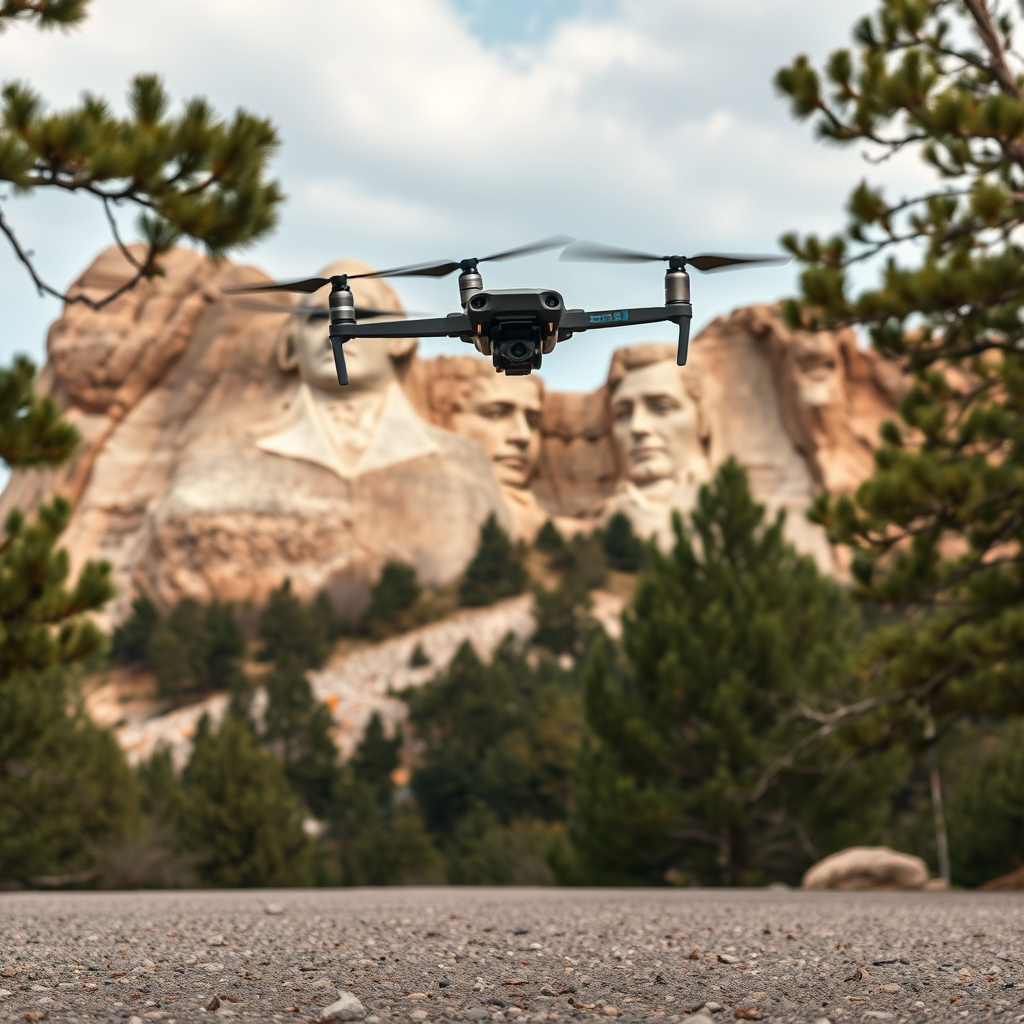
Drones are regulated by the Federal Aviation Administration (FAA), which has established guidelines for their operation to ensure safety in U.S. airspace. When it comes to national parks, including Mount Rushmore, the regulations become more stringent. The NPS has implemented specific restrictions on drone use to protect both the environment and the visitor experience. Flying a drone in a national park without permission can result in hefty fines and legal repercussions. Therefore, anyone looking to operate a drone in this area must familiarize themselves with the relevant FAA regulations as well as the policies set by the NPS.
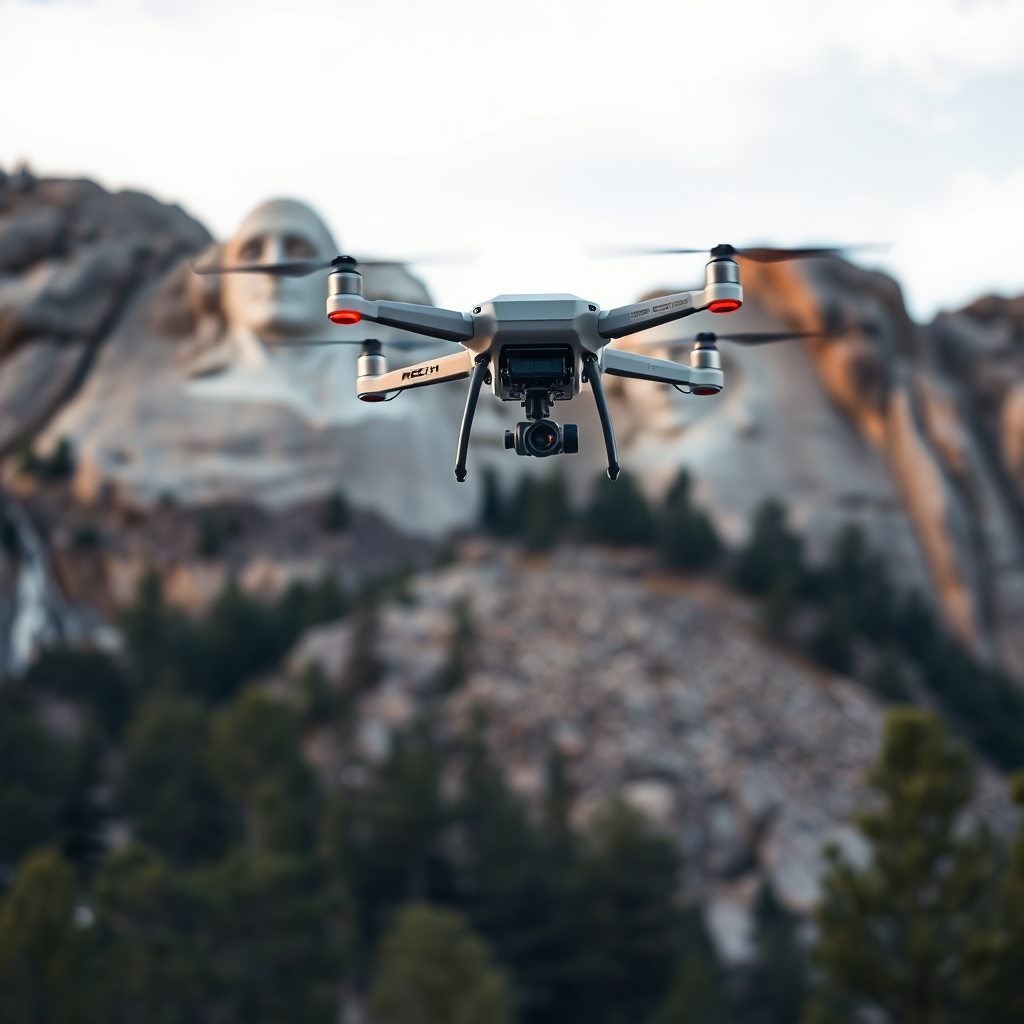
According to the FAA’s Part 107 guidelines, recreational drone pilots must register their drones, maintain visual line-of-sight, and avoid flying near people or moving vehicles. Additionally, the NPS has designated Mount Rushmore as a no-drone zone, effectively prohibiting drone flights over this treasured site. Understanding these regulations is crucial to avoid potential penalties and to promote responsible drone usage.
National Park Service Policies
The National Park Service maintains a strict policy regarding drone usage within its parks, emphasizing the need to protect wildlife, preserve natural landscapes, and ensure a quality experience for all visitors. At Mount Rushmore, the NPS explicitly prohibits the operation of drones for recreational purposes. This ban is rooted in concerns over potential disturbances to wildlife and other visitors, as well as the preservation of the park’s serene atmosphere.
For those interested in using drones for commercial purposes, such as photography or videography, special permits are required. The application process for these permits typically involves submitting a detailed proposal outlining the intended use, safety measures, and how the operation will comply with existing regulations. It is important for drone operators to be aware that the NPS thoroughly reviews these applications, and approval is not guaranteed. Therefore, engaging with the NPS well in advance of any planned drone activity is advisable.
Safety Considerations
Safety is paramount when operating any drone, particularly in areas with dense visitor traffic and diverse wildlife, such as Mount Rushmore. Operators must always maintain a visual line-of-sight with their drones to ensure they can respond quickly to any changes in the environment or potential hazards. This is not only a legal requirement but also a best practice that helps prevent accidents.
Moreover, drone pilots should be acutely aware of their surroundings. Mount Rushmore is a popular tourist destination, and the presence of families, children, and other visitors can create unforeseen challenges. Additionally, the park is home to various wildlife species, which can be easily startled by the noise and movement of drones. To mitigate risks, operators should always check for people and wildlife in the vicinity before launching their drones and should be prepared to land immediately if necessary.
Best Practices for Drone Use
Before flying a drone in any area, including Mount Rushmore, it is essential to check local weather conditions. Wind, rain, or poor visibility can greatly affect drone performance and safety. Ideally, choose a day with calm winds and clear skies to ensure optimal flying conditions. Additionally, understanding the specific airspace classifications around Mount Rushmore is critical. The area may be subject to airspace restrictions that can impact drone operations.
When flying a drone, it is advisable to operate at a safe altitude—generally below 400 feet—to minimize risks and avoid conflicts with manned aircraft. By flying at an appropriate altitude, operators can reduce the likelihood of accidents and make it easier to maintain visual contact with their drones. Furthermore, considering the use of geofencing technology can help ensure that drones remain within designated flying areas and do not unintentionally enter restricted zones.
Alternatives to Drone Photography
While drones offer unique perspectives and dynamic shots, there are several alternative methods for capturing stunning images of Mount Rushmore. One effective option is to use a high-quality camera equipped with a zoom lens. This allows photographers to capture detailed images from a distance while remaining compliant with park regulations.
Additionally, Mount Rushmore features several designated viewpoints that provide excellent angles for photography. These viewpoints not only offer breathtaking views but also enhance the overall visitor experience. Exploring these locations gives photographers an opportunity to capture the monument in various lighting conditions and from different perspectives, all while adhering to the NPS guidelines.
Resources for Drone Operators
Staying informed about the latest regulations and guidelines is crucial for responsible drone operation. The FAA website is an excellent resource for understanding national drone regulations, including registration requirements and operational guidelines. Additionally, the National Park Service provides specific information about park rules, including drone policies and the permit application process.
For drone operators planning to visit Mount Rushmore, it is advisable to contact the NPS directly for the most current information on drone regulations and any potential changes to policies. Engaging with park officials can also provide valuable insights into the best practices for capturing stunning images while respecting the park’s natural beauty.
In conclusion, while it is possible to fly a drone at Mount Rushmore, it’s essential to be aware of and adhere to the regulations set forth by both the FAA and the National Park Service. Always prioritize safety and consider alternative methods for capturing stunning views of this iconic landmark. By respecting the rules and the environment, drone operators can enjoy the beauty of Mount Rushmore while contributing to the preservation of this national treasure.
Frequently Asked Questions
Can you fly a drone at Mount Rushmore National Memorial?
No, flying a drone at Mount Rushmore National Memorial is prohibited. The National Park Service has established strict regulations that restrict drone usage to protect the natural landscape, wildlife, and the significant cultural heritage of the monument. If you’re planning a visit, it’s important to respect these regulations to avoid fines and ensure the preservation of this iconic site.
Why are drones not allowed at Mount Rushmore?
Drones are not allowed at Mount Rushmore to maintain the safety of visitors and to protect the integrity of the memorial. The presence of drones can disturb wildlife, interfere with park operations, and pose risks to people and property. The National Park Service prioritizes visitor safety and the conservation of historical sites, which is why they enforce these restrictions.
What are the best alternatives for capturing photos at Mount Rushmore without a drone?
The best alternatives for capturing stunning photos at Mount Rushmore include using a high-quality camera or smartphone from designated viewing areas. You can also consider using a tripod for stability and experimenting with different angles for unique shots. Additionally, visiting during sunrise or sunset can provide dramatic lighting for your photographs, enhancing the overall composition without the need for a drone.
How can I find out more about drone regulations in national parks?
To learn more about drone regulations in national parks, you can visit the National Park Service’s official website, which provides detailed information on drone policies and specific park rules. Additionally, you can contact park rangers directly for guidance on where drones are permitted and any necessary permits required for drone use within other parks.
Which national parks allow drone flying, and what are the general rules?
While many national parks prohibit drone flying, some parks do allow it with specific regulations. Parks such as the Badlands National Park and the Great Sand Dunes National Park permit drone use, but it typically comes with restrictions on where and when you can fly. Always check the specific park’s website for up-to-date regulations, as rules can change, and compliance is essential to avoid fines or damage to natural resources.
References
- https://www.nps.gov/moru/planyourvisit/drone-use.htm
- https://www.faa.gov/uas/where_to_fly/
- https://www.nps.gov/subjects/science/drones-in-national-parks.htm
- https://www.cnn.com/2021/06/16/us/drone-flying-national-parks/index.html
- https://www.wyomingnews.com/wyominglife/can-you-fly-a-drone-at-mount-rushmore/article_b2b254d4-4be9-11ea-a76c-97b7f5e356ff.html
- https://www.doi.gov/ppa/drones
- https://www.faa.gov/uas/resources/publications/
- https://www.law.cornell.edu/wex/drone
