

Yes, you can fly a drone higher than 400 feet, but there are regulations and safety considerations to keep in mind. In the United States, the Federal Aviation Administration (FAA) typically prohibits drone flights above this altitude without special authorization, mainly to prevent accidents with manned aircraft. It is essential to understand the rules and risks associated with high-altitude drone flights, as well as the alternatives available for capturing breathtaking aerial photographs and videos.
Understanding the 400-Foot Rule
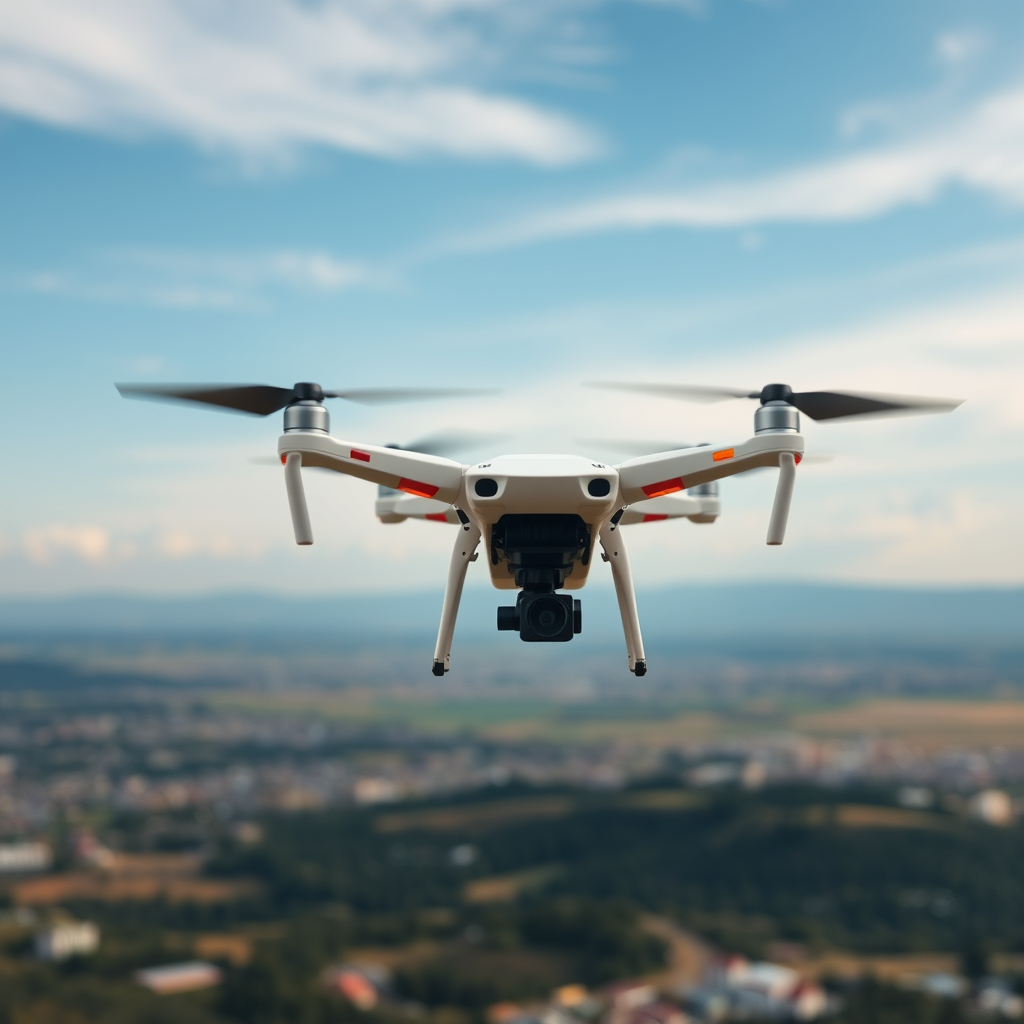
The FAA establishes a maximum altitude of 400 feet for safety reasons, which is crucial in maintaining the integrity of the airspace. This limit primarily aims to prevent drones from interfering with the operations of manned aircraft, which often fly at altitudes higher than this threshold. Flying at or below 400 feet allows drone operators to avoid potential collisions and ensures that they remain within controlled airspace.
The rationale behind this rule stems from the increasing popularity of drones for commercial and recreational use. As more drones take to the skies, the risk of encountering manned aircraft rises, making it imperative for authorities to implement regulations that safeguard both drone operators and pilots of traditional aircraft. The FAA has also established guidelines for drone registration and operation to further enhance safety in the skies.
Special Circumstances for Higher Flights
While the 400-foot rule is strict, there are pathways for flying drones at higher altitudes under special circumstances. Obtaining a waiver from the FAA is one such option, particularly for commercial operations that require the drone to operate beyond standard limits. This process involves demonstrating a legitimate need for higher flight and outlining safety measures to mitigate risks.
In addition to waivers, certain geographical features can influence altitude allowances. For instance, if a drone is flown in mountainous regions, operators may be permitted to fly above 400 feet, provided they are within a certain distance from the mountain’s summit. This exception exists to accommodate the unique challenges posed by topography while ensuring safety standards remain intact. It is crucial for operators to have a thorough understanding of these exceptions and to consult FAA regulations before planning any high-altitude flights.
Risks of Exceeding 400 Feet
Flying above the legal limit carries significant risks, especially regarding the safety of both the drone and surrounding air traffic. One of the most pressing dangers is the increased likelihood of collisions with manned aircraft. Drones can be difficult to spot in the sky, and a collision with a larger aircraft can have catastrophic consequences for both parties involved.
Moreover, the risk of losing drone control escalates at higher altitudes. Factors such as signal interference can lead to a loss of connection between the drone and its operator, making it challenging to steer or land the drone safely. Environmental conditions, such as wind speed and weather changes, can also affect the stability and control of the drone as it ascends beyond the standard altitude limits. Therefore, operators must weigh these risks carefully before deciding to fly at higher altitudes.
Local Regulations and Restrictions
In addition to FAA regulations, it is essential to be aware of local and state laws regarding drone operation. Different states and municipalities may have their own specific drone laws that can affect where and how high you can fly. For instance, some urban areas may impose stricter regulations to minimize noise and privacy concerns, while others may have designated drone zones where flying is encouraged.
To avoid fines or penalties, drone operators are advised to conduct thorough research on local regulations before taking flight. This can include checking with local aviation authorities and reviewing any applicable zoning laws. Ignorance of the law is not an excuse, and staying informed can prevent costly mistakes and enhance overall safety.
Best Practices for Safe Drone Operation
To ensure the safe operation of drones, adherence to best practices is paramount. First and foremost, always maintain visual line of sight with your drone. This practice not only helps in avoiding collisions but also allows operators to react promptly to any potential hazards. Utilizing a spotter can also be beneficial, as they can help keep an eye on the drone while the operator focuses on the controls.
Furthermore, it is vital to stay updated on any airspace restrictions or temporary flight restrictions (TFRs) in your area. TFRs can be issued for various reasons, including special events or emergency situations, and can change rapidly. Familiarizing yourself with tools like the FAA’s B4UFLY app can help you stay informed about real-time airspace conditions.
Other best practices include conducting pre-flight checks, ensuring the drone is in good working order, and familiarizing yourself with the drone’s controls and capabilities. By following these guidelines, drone operators can enhance their safety and that of others in the airspace.
Alternatives to High-Altitude Flying
For those seeking to capture stunning aerial shots without exceeding the 400-foot limit, there are various alternatives to high-altitude flying. Investing in high-quality camera technology can significantly improve the quality of images and videos captured from lower altitudes. Many drones come equipped with advanced stabilization features and high-definition cameras, allowing for exceptional photography and videography without the need for excessive altitude.
Additionally, exploring creative angles and perspectives can yield impressive results. Techniques such as flying close to the ground or using terrain features to frame shots can provide unique visual storytelling opportunities without violating regulations. Engaging in drone photography workshops or collaborating with experienced pilots can also inspire new ideas and approaches to aerial imaging.
In conclusion, while flying a drone higher than 400 feet is possible under certain circumstances, it is crucial to adhere to regulations and prioritize safety. Understanding the FAA’s altitude rules, exploring pathways for special waivers, and recognizing the risks associated with high-altitude flying can help operators make informed decisions. Moreover, staying well-informed about local regulations and embracing best practices ensures safe drone operation. Finally, by seeking alternatives to high-altitude flying, drone enthusiasts can still achieve their aerial photography goals while remaining compliant with the law.
Frequently Asked Questions
Can you legally fly a drone higher than 400 feet?
In general, the Federal Aviation Administration (FAA) regulations in the United States state that drone operators must not fly their drones higher than 400 feet above ground level unless they are within 400 feet of a structure. Flying above this altitude without special permissions can lead to fines and legal penalties. Always check local regulations and consider obtaining a waiver from the FAA if you have a legitimate purpose for higher flights.
What are the risks of flying a drone above 400 feet?
Flying a drone above 400 feet poses several risks, including potential collisions with manned aircraft, which typically operate at higher altitudes. Additionally, flying beyond the legal limit can result in losing visual line-of-sight, making it difficult to control the drone. Furthermore, you may face legal consequences, including fines or losing your drone pilot certification if you are found in violation of FAA regulations.
How can I get permission to fly my drone higher than 400 feet?
To gain permission to fly your drone above 400 feet, you must apply for a waiver from the FAA. This process involves demonstrating a legitimate need for the higher altitude, outlining your safety measures, and ensuring that your operations do not interfere with manned aircraft. Make sure to provide thorough documentation and a clear operational plan when submitting your waiver request.
Why is the 400-foot limit set for drone flying?
The 400-foot altitude limit for drone flying is primarily set for safety reasons. This regulation helps prevent drones from interfering with manned aircraft, which typically operate above this height. The FAA established this rule to promote safe airspace management and ensure that both drone and manned aircraft pilots can operate without risking accidents.
What are the best practices for flying a drone near the 400-foot limit?
When flying a drone near the 400-foot limit, always maintain visual line-of-sight with your drone and be aware of your surroundings. It’s essential to avoid flying near airports or areas where manned aircraft may be operating. Additionally, regularly check local regulations and weather conditions, and ensure your drone is equipped with reliable GPS, to maintain safe operations while adhering to the 400-foot altitude guideline.
References
- https://www.faa.gov/uas/getting_started/register_drone
- https://www.faa.gov/uas/media/Part_107_Summary.pdf
- https://www.nasa.gov/mission_pages/constellation/launch/drone.html
- https://www.wired.com/story/drone-regulations-2021/
- https://www.usa.gov/technology/drones
- https://www.ncbi.nlm.nih.gov/pmc/articles/PMC6623353/
- https://www.faa.gov/uas/advanced_operations/
- https://www.theguardian.com/us-news/2021/jun/25/drone-regulations-legal-issues
