

Yes, you can fly a drone in a residential neighborhood, but there are important regulations and considerations to keep in mind. Understanding local laws, respecting privacy, and ensuring safety are crucial for responsible drone operation in these areas. As drone technology becomes increasingly accessible, more individuals are exploring the skies above their homes, leading to a need for awareness and adherence to guidelines that protect both the operator and the community.
Understanding Local Regulations
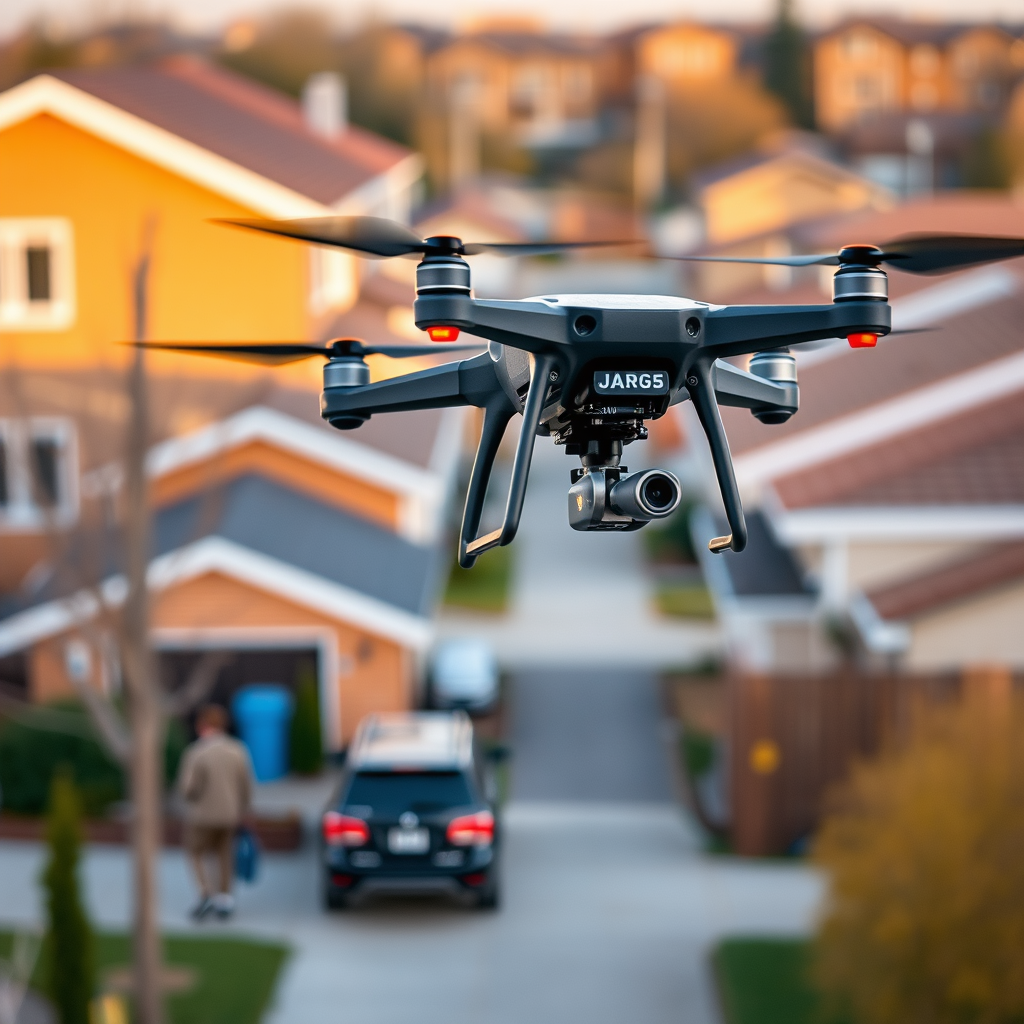
Before taking to the skies with your drone, it is essential to familiarize yourself with the Federal Aviation Administration (FAA) regulations regarding drone usage. The FAA requires that all drone pilots, whether recreational or commercial, register their drones if they weigh more than 0.55 pounds (250 grams). Additionally, drone operators must adhere to a set of rules that include flying below 400 feet, avoiding restricted airspace, and maintaining visual line of sight with the drone at all times.
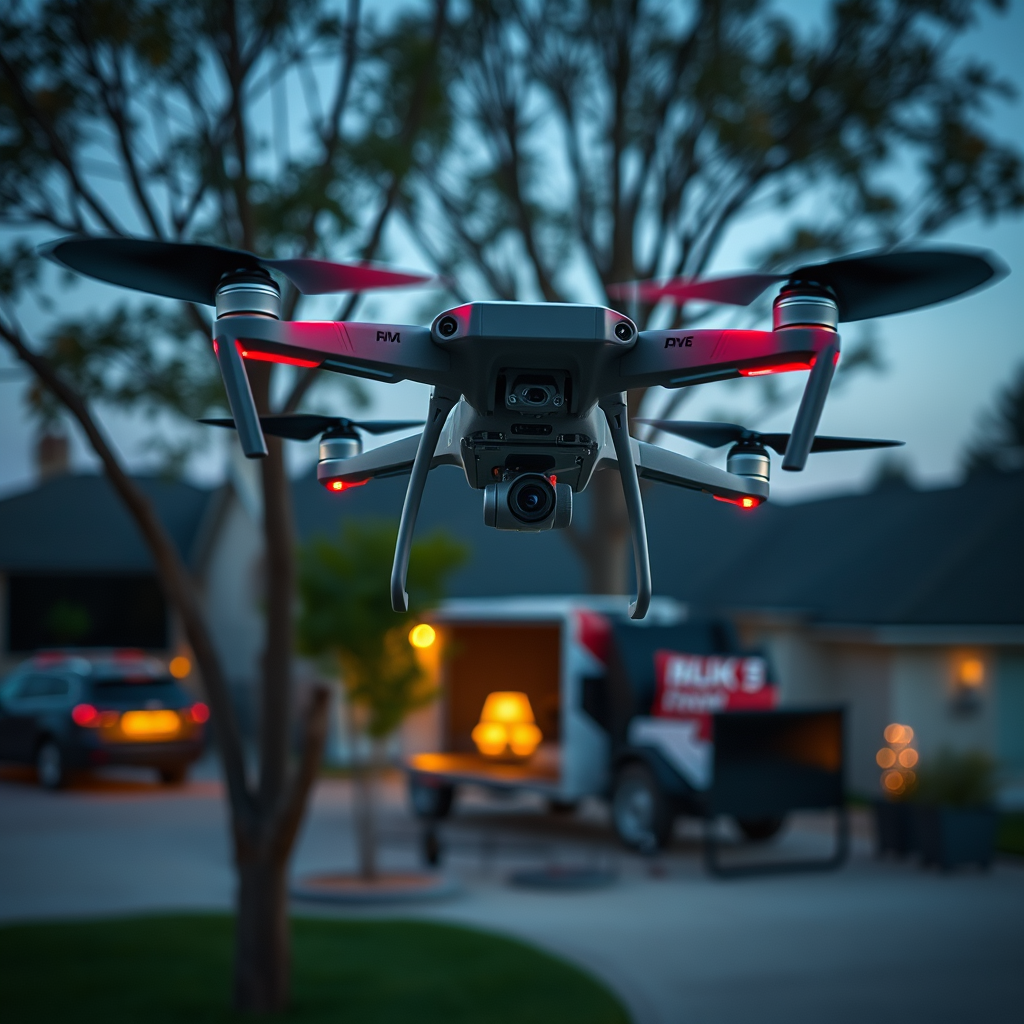
Beyond FAA regulations, local and state laws may impose additional restrictions on drone usage in residential areas. For instance, some municipalities have established ordinances that limit flying in certain zones or require permits for drone operations. It is advisable to consult your local government’s website or contact local authorities to ensure compliance with any specific regulations in your area. Failure to adhere to these laws could result in fines or other legal repercussions, making it imperative to conduct thorough research before flying.
Respecting Privacy Concerns
Respecting the privacy of your neighbors is a fundamental aspect of responsible drone operation. Avoid flying over private property without the explicit permission of the owner, as this could be considered an invasion of privacy. Many people feel uncomfortable with the thought of being recorded or photographed without their consent, and this can lead to conflict within the community.
Additionally, be mindful of the types of images or videos you capture during your flight. Even if you are flying within legal boundaries, capturing footage of individuals in their homes or yards can be perceived as intrusive. To foster goodwill and maintain a positive relationship with your neighbors, consider discussing your drone activities with them beforehand and assuring them of your intentions to respect their privacy.
Ensuring Safety During Flight
Safety should always be your top priority when flying a drone in residential neighborhoods. Maintaining a safe distance from people, pets, and property is essential to prevent accidents. The FAA recommends keeping a minimum distance of 25 feet from individuals who are not involved in the drone operation. This buffer zone helps mitigate the risk of injury should something go wrong.
Moreover, ensuring that your drone remains within your line of sight at all times is not just a legal requirement; it is a crucial safety measure. If your drone drifts beyond your visual range, you may lose control of it, potentially leading to collisions with buildings, vehicles, or people. Investing in a drone equipped with advanced safety features such as obstacle detection can further enhance safety during your flights.
Choosing the Right Time to Fly
Timing your drone flights is another important consideration, especially in residential neighborhoods. To minimize disturbances, it is advisable to fly during times when people are less likely to be outdoors. Midday hours, particularly during weekdays when many individuals are at work or school, may be ideal. Conversely, early mornings or late evenings can be disruptive and may lead to complaints from neighbors trying to enjoy their home environment.
Additionally, pay attention to local events or gatherings that might increase foot traffic in your area. For example, if your neighborhood is hosting a block party or community event, it would be prudent to refrain from flying your drone during that time to avoid causing distractions or safety issues.
Best Practices for Flying in Residential Areas
To ensure a positive flying experience in residential areas, consider adopting best practices that minimize noise and disturbances. Selecting a drone with a low noise level can significantly reduce the impact of your flights on the community. Many modern drones are designed with quieter propellers and motors, making them more suitable for urban environments.
Furthermore, opt for open spaces or parks nearby for launching and landing your drone. This not only provides a safer environment for your operations but also reduces the chances of disturbing neighbors. Always check for any local restrictions regarding drone flights in public parks, as some areas may have specific rules that govern drone usage.
Handling Complaints and Concerns
Despite your best efforts to fly responsibly, it is possible that some neighbors may still have concerns regarding noise or privacy. Being prepared to address these complaints thoughtfully can go a long way in maintaining a harmonious relationship with your community. If a neighbor approaches you with a concern, listen actively and respond respectfully. Clarifying your intentions and the precautions you take to ensure responsible flying can help alleviate anxiety.
Establishing clear communication with your neighbors can also foster understanding and support. Consider informing them of your drone flying schedule or even inviting them to observe your operations from a safe distance. By involving your neighbors in your drone activities, you can help demystify the technology and reduce apprehensions they may have.
In conclusion, while flying a drone in a residential neighborhood is permissible, it requires awareness of regulations, respect for privacy, and consideration of safety. By adhering to local laws, being mindful of your neighbors’ concerns, and implementing best flying practices, you can enjoy your drone hobby while contributing to a positive community atmosphere. Always prioritize responsible flying practices to ensure a harmonious experience for both you and your neighbors.
Frequently Asked Questions
Can you fly a drone in a residential neighborhood without permission?
Yes, you can typically fly a drone in a residential neighborhood, but it is essential to follow local regulations and obtain permission if necessary. Many areas have specific laws governing drone use, which may require you to notify neighbors or seek permission from property owners. Additionally, ensure you are not flying over private property without consent, as this could lead to legal issues.
What are the regulations for flying a drone in residential areas?
Regulations for flying drones in residential areas vary by location, but common rules include maintaining a certain distance from people, avoiding crowded areas, and flying below a specific altitude (usually 400 feet). In the U.S., the Federal Aviation Administration (FAA) provides guidelines that must be followed, and local laws may impose additional restrictions. Always check your local government’s regulations and any community-specific rules before flying.
How can I be a considerate drone pilot in a residential neighborhood?
To be a considerate drone pilot, you should always respect the privacy and space of your neighbors. Avoid flying over homes and backyards, especially during early mornings or late evenings, when noise could be more disruptive. Additionally, communicate with neighbors about your drone activities and consider their concerns, which can help foster a positive relationship within your community.
Why do some people oppose flying drones in residential neighborhoods?
Many people oppose flying drones in residential neighborhoods due to concerns about privacy invasion, noise pollution, and safety risks. Drones equipped with cameras can raise issues about surveillance, while the noise from drones can be disruptive, especially in quiet areas. Furthermore, there are fears about potential accidents or collisions with people, pets, or property, which can lead to injuries or damages.
What is the best time to fly a drone in a residential area?
The best time to fly a drone in a residential area is during daylight hours when visibility is good and air traffic is typically lower. Weekends or early mornings are often ideal, as fewer people are likely to be outdoors. However, it’s crucial to be mindful of local noise ordinances and the schedules of your neighbors to minimize disturbances and ensure a respectful flying experience.
References
- https://en.wikipedia.org/wiki/Drone_regulations
- https://www.faa.gov/uas/getting_started/
- https://www.nolo.com/legal-encyclopedia/drone-laws-California-32295.html
- https://www.nytimes.com/2021/01/14/us/drone-regulations.html
- https://www.abc.net.au/news/2020-10-18/drone-laws-in-australia/12788108
- https://www.theguardian.com/us-news/2020/sep/15/drones-faa-regulations-2020
- https://www.droneadvocates.org/faq/
- https://www.faa.gov/uas/where_to_fly/
- https://www.nationalgeographic.com/science/article/drone-laws-are-we-ready-for-the-age-of-unmanned-aircraft
