

Yes, you can fly a drone in Arlington, VA, but there are specific regulations and guidelines you must follow to ensure safe and legal operation. Understanding these rules will help you enjoy your drone flying experience while adhering to local laws. As drone technology continues to evolve and gain popularity, it is imperative for operators to stay informed about both federal and local regulations that govern drone usage, as well as best practices for safe flying.
Understanding FAA Regulations
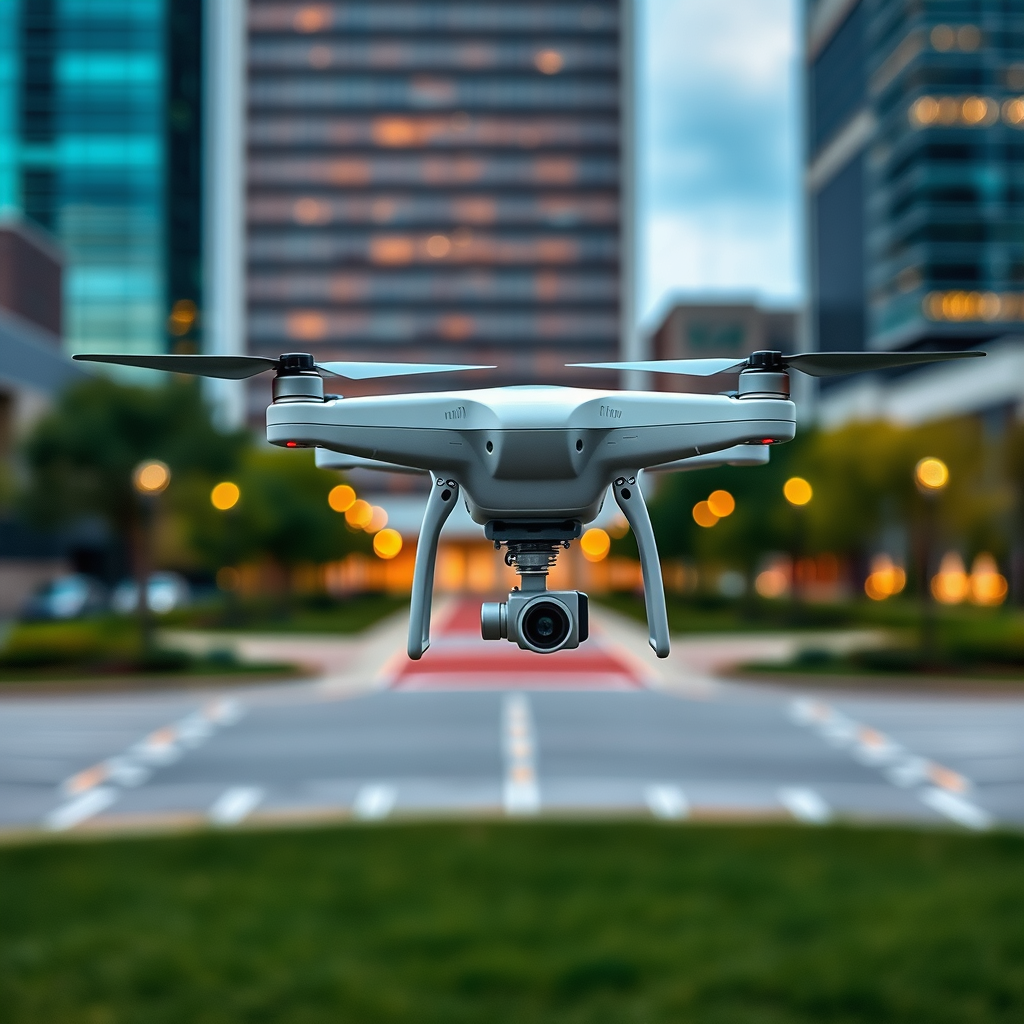
All drone operators must comply with FAA regulations, including registration and pilot certification. The Federal Aviation Administration (FAA) categorizes drones into two main categories: recreational and commercial use. For recreational drone operators, the FAA requires that you adhere to the Special Rule for Model Aircraft, which includes guidelines such as flying below 400 feet, maintaining a visual line of sight, and avoiding restricted airspace.
Drones over 0.55 pounds must be registered with the FAA. This registration process is straightforward and can be completed online. Once registered, operators receive a unique identification number that must be displayed on the drone. Registration is crucial not only for legal compliance but also for accountability in the event of any incidents. For commercial operators, additional requirements such as obtaining a Remote Pilot Certificate under Part 107 are necessary, which involves passing an aeronautical knowledge test.
Local Laws and Restrictions
Arlington has local ordinances that may restrict drone use in certain areas, such as parks or near federal buildings. For instance, the Arlington County Code prohibits flying drones in specific public spaces, including recreational areas and parks, without prior permission. This is particularly relevant in locations where the risk of interfering with wildlife or public safety is heightened.
Additionally, it’s important to check for any temporary flight restrictions (TFRs) in the area. TFRs can be issued for various reasons, including security measures related to events or VIP movements. The FAA provides real-time updates regarding TFRs, which can be accessed through their website or various drone flight apps. As a responsible drone operator, it is your duty to stay informed and comply with these regulations.
Where You Can Fly Drones
Designated parks and open spaces in Arlington are generally more drone-friendly. Areas like the Potomac Overlook Regional Park and the Long Bridge Park are popular spots among drone enthusiasts. However, even in these areas, operators should always adhere to local regulations and be mindful of other park users.
Avoid flying over private properties and crowded areas to respect privacy and safety. In particular, it is crucial to obtain permission from property owners before flying over their land. Not only does this prevent potential legal disputes, but it also fosters a respectful relationship with the community. Always consider the impact of your drone operation on others, including noise and visual disturbances.
Safety Guidelines for Drone Flying
Safety is paramount when operating a drone. Always maintain visual line of sight with your drone, which means you should be able to see your drone at all times without the aid of binoculars or other devices. This practice not only helps you navigate effectively but also allows you to avoid obstacles and other aircraft.
Avoid flying near airports or within controlled airspace without permission. Arlington is in close proximity to Washington D.C., which has several busy airports. The FAA’s B4UFLY app can help you determine whether you are in a no-fly zone and provide guidance on how to request permission if necessary. Additionally, it is advisable to check weather conditions before flying, as poor visibility or strong winds can lead to accidents.
Insurance and Liability Considerations
Consider obtaining liability insurance to cover any potential damages or accidents. While not legally required, liability insurance provides an added layer of protection for drone operators. Various insurance companies now offer specific coverage tailored for drone users, which can protect you in case of property damage or bodily injury resulting from your drone operations.
Review your homeowner’s insurance policy, as some may include drone coverage. It is essential to understand the terms and conditions of such policies to ensure you are adequately protected. In the event of an incident, having the right insurance can safeguard you against financial loss and legal repercussions.
Community Resources and Support
Joining local drone clubs or online forums can be an excellent way to connect with fellow drone enthusiasts. These communities often share valuable insights, tips, and experiences, helping you improve your flying skills and stay updated on the latest regulations. Networking with experienced pilots can also provide mentorship opportunities and foster a sense of camaraderie among drone operators.
Participate in workshops or training sessions to enhance your flying capabilities and knowledge of regulations. Many organizations and clubs offer classes that cover everything from basic flight techniques to advanced aerial photography. Engaging in these educational opportunities can significantly improve your confidence and competence as a drone operator.
In conclusion, while flying a drone in Arlington, VA is permissible, it requires adherence to both federal and local regulations. By understanding these rules and practicing safe flying, you can enjoy your drone activities responsibly. Always stay updated on any changes in legislation and local ordinances to ensure a hassle-free flying experience. Engaging with the local drone community and investing in insurance can further enhance your enjoyment and safety while operating your drone.
Frequently Asked Questions
What are the regulations for flying a drone in Arlington, VA?
In Arlington, VA, drone pilots must adhere to both federal and local regulations. The Federal Aviation Administration (FAA) governs all airspace, requiring drone operators to register their drones if they weigh more than 0.55 pounds. Additionally, local ordinances may impose further restrictions, such as flying near schools, parks, or crowded areas, so it’s essential to check Arlington’s specific regulations and any signage that may indicate no-fly zones.
How can I find safe places to fly my drone in Arlington, VA?
To find safe locations for flying your drone in Arlington, VA, consider using tools like the FAA’s B4UFLY app, which provides information on airspace restrictions and nearby airports. Additionally, parks and open spaces in Arlington may have designated areas for drone flying, but always verify local laws and check for any posted regulations to ensure compliance and safety while operating your drone.
Why is it important to follow drone laws in Arlington, VA?
Following drone laws in Arlington, VA, is crucial not only for your safety but also for the safety of others. Adhering to regulations helps prevent accidents, protects privacy, and ensures that you are operating within the legal framework established by the FAA and local authorities. Violating these laws can lead to fines, confiscation of your drone, and potential legal consequences, making it essential to stay informed.
What are the best practices for flying a drone responsibly in Arlington, VA?
To fly a drone responsibly in Arlington, VA, always maintain visual line-of-sight with your drone, avoid flying over people or private property without permission, and refrain from flying near airports or emergency response areas. Additionally, it’s recommended to fly during daylight hours, check weather conditions, and respect any local wildlife habitats to ensure a safe and enjoyable flying experience.
Which drone models are best for beginners looking to fly in Arlington, VA?
For beginners looking to fly in Arlington, VA, models like the DJI Mini SE, Holy Stone HS720, or Ryze Tello are excellent choices due to their user-friendly features, stability, and affordability. These drones typically come equipped with GPS capabilities, easy-to-use controls, and safety features like automatic return-to-home, making them ideal for novice pilots while also complying with local regulations for recreational use.
References
- https://www.faa.gov/uas/getting_started/registration
- https://www.arlingtonva.us/Government/Departments/Environmental-Services/Drone-Use-in-Arlington
- https://www.faa.gov/uas/resources/policy_library/
- https://www.arlingtonva.us/Government/Departments/Environmental-Services/Drone-Use-in-Arlington/Drone-Pilot-Requirements
- https://www.nationalgeographic.com/science/article/drone-regulations-and-laws-in-the-us
- https://www.drones.gov/
- https://www.faa.gov/uas/learn/overview/
- https://www.usa.gov/elected-officials
- https://www.wusa9.com/article/news/local/arlington-county/what-you-need-to-know-about-flying-drones-in-arlington/65-7e6f7d38-0ca3-4fdc-8193-9b0a5a3d6e2c
