

Yes, you can fly a drone in Estes Park, but there are specific regulations and guidelines you must follow to ensure safety and compliance. Nestled at the entrance of Rocky Mountain National Park, Estes Park is a stunning destination for drone enthusiasts. To make the most of your aerial adventures, it’s crucial to understand both federal and local regulations, identify the best locations for flying, and adhere to safety practices. This article will provide a comprehensive overview of everything you need to know about flying a drone in this picturesque Colorado town.
Understanding Local Regulations
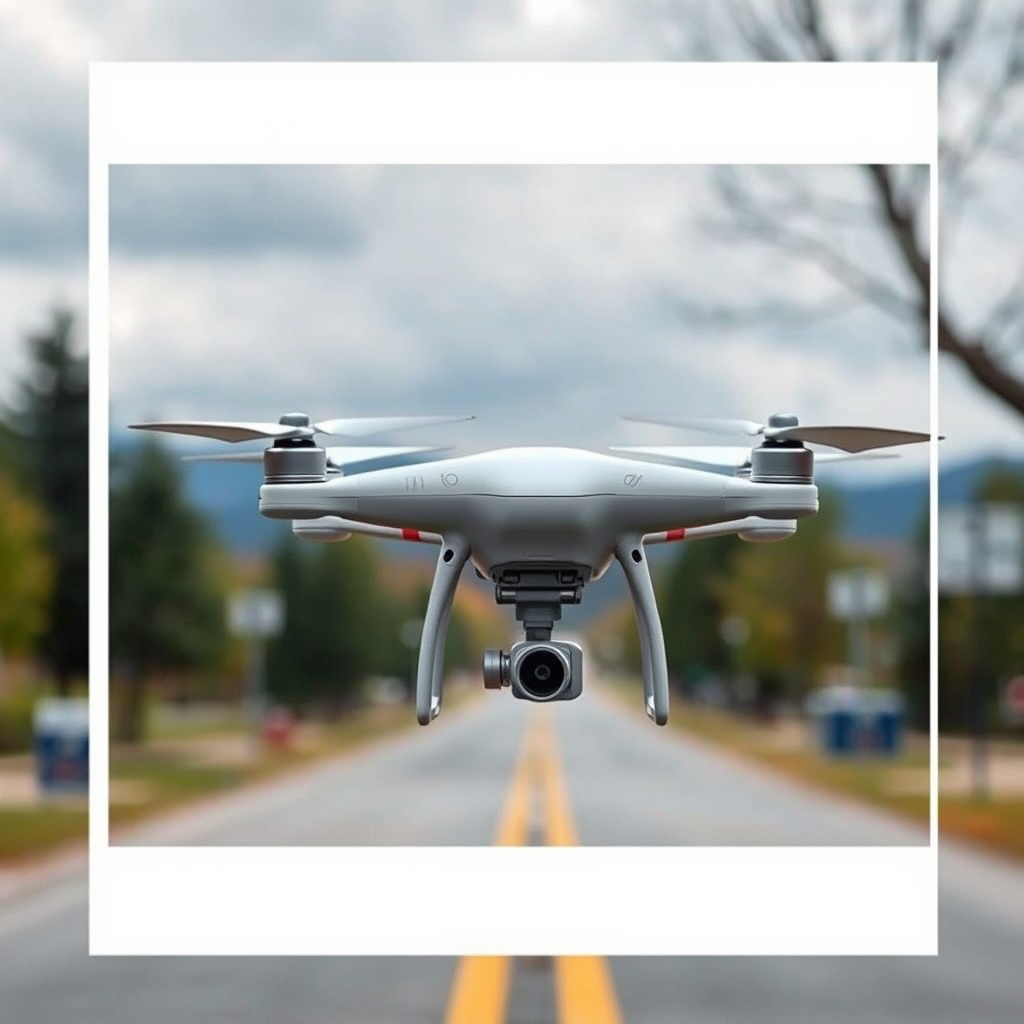
When flying a drone in Estes Park, it is imperative to comply with Federal Aviation Administration (FAA) regulations. These regulations require that all drone pilots register their drones if they weigh more than 0.55 pounds and adhere to guidelines such as flying below 400 feet, maintaining visual line of sight, and avoiding restricted airspaces. However, Estes Park has additional local restrictions that pilots should be aware of.
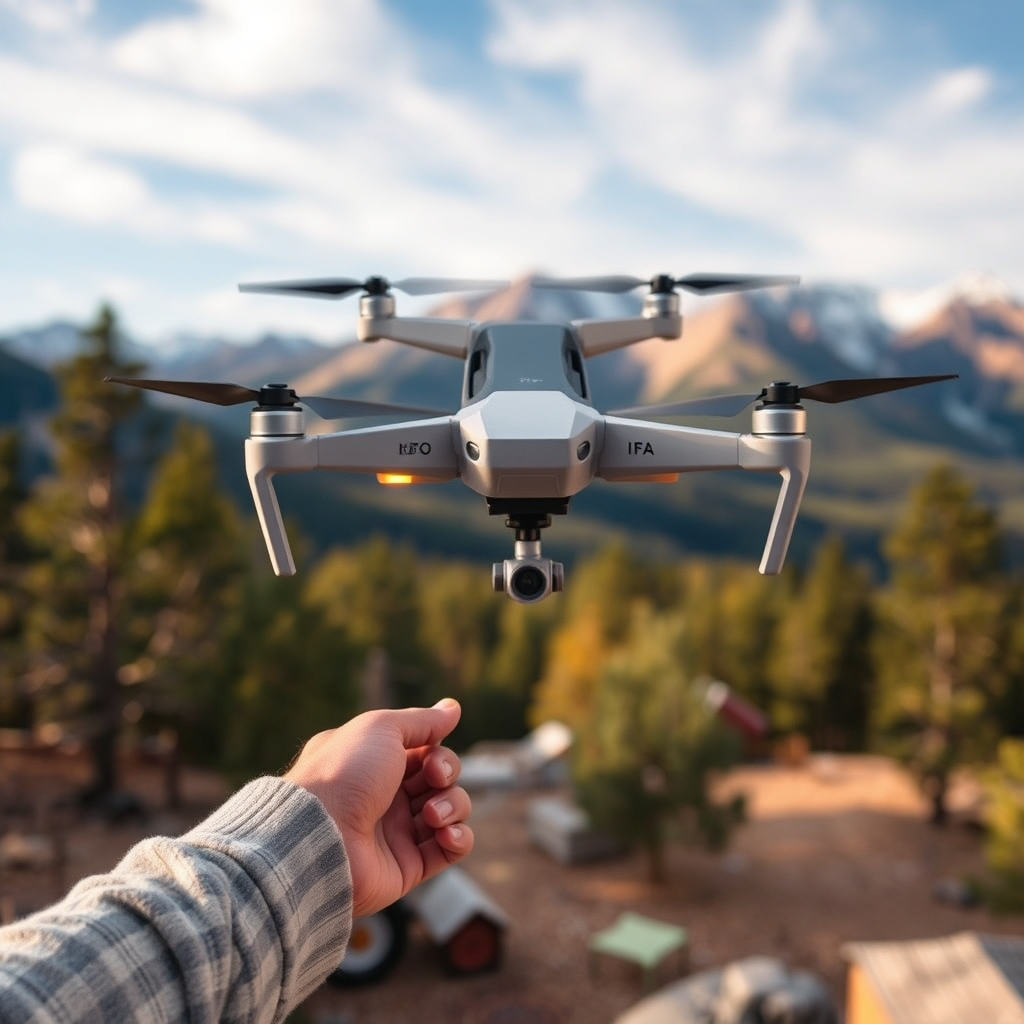
For instance, the Town of Estes Park prohibits drone use in certain areas, including the downtown district and near sensitive wildlife habitats. Additionally, Rocky Mountain National Park has its own set of regulations that restrict drone use to protect the park’s natural resources and wildlife. It is essential for drone operators to familiarize themselves with these local rules and consult the Estes Park website or local authorities for updates before flying.
Designated Flying Areas
To enjoy a smooth flying experience, it is important to identify specific parks or open spaces in Estes Park where drone use is permitted. One popular area for drone enthusiasts is the Estes Park Golf Course, which offers wide-open spaces and stunning mountain backdrops. Additionally, some of the local parks, such as the Stanley Park and the Lake Estes area, may allow drone flying in designated zones.
However, it is crucial to check for any no-fly zones around sensitive wildlife areas or private property. Estes Park is home to diverse wildlife, including elk and deer, especially during the mating season. Respecting these natural habitats is essential not only for preservation efforts but also to avoid legal repercussions. Always verify the current regulations in place before planning your drone flight to ensure compliance and safety.
Safety Guidelines for Flying Drones
Safety should always be a top priority when flying a drone. To ensure a secure flying experience, maintain visual line of sight with your drone at all times. This is not only a legal requirement but also crucial for avoiding collisions with other aircraft, trees, or power lines.
Furthermore, avoid flying over crowds or populated areas, as this could pose a risk to public safety. Respecting the privacy of others is equally important; refrain from filming private property or individuals without their consent. Having a pre-flight checklist can help you stay organized and remember key safety measures, such as checking battery life, ensuring your drone is in good working condition, and being aware of weather conditions that could impact flight performance.
Best Times to Fly
Timing can greatly enhance your drone-flying experience in Estes Park. Early mornings and late afternoons are ideal for capturing stunning aerial imagery due to the softer light and vibrant colors of sunrise and sunset. These times also tend to have fewer crowds, allowing for a more serene flying experience.
Seasonal weather conditions can significantly affect drone performance. During summer, the afternoon thunderstorms can create challenging flying conditions, while winter snowstorms may ground your drone. Always check the weather forecast before heading out, and plan your flights for optimal visibility and safety.
Scenic Spots for Drone Photography
Estes Park is brimming with breathtaking landscapes that are perfect for drone photography. One iconic location is Rocky Mountain National Park, where soaring peaks, lush valleys, and alpine lakes provide a stunning backdrop for aerial shots. Popular sites within the park include Bear Lake, Trail Ridge Road, and the picturesque views from the top of Flatirons.
Another excellent spot for drone photography is Lake Estes, where the reflection of the surrounding mountains on the water creates captivating images. The area around the Stanley Hotel also offers unique architectural shots against the backdrop of the Rockies. When capturing these stunning landscapes, ensure you follow all regulations and respect the natural environment to preserve its beauty for future generations.
Tips for First-Time Drone Pilots
If you are a first-time drone pilot, taking the time to familiarize yourself with your drone’s controls before flying in open areas is crucial. Practicing in a controlled environment can help you gain confidence and improve your piloting skills.
Consider joining local drone clubs or online forums for support and advice from experienced pilots. These communities often share valuable insights, resources, and tips to enhance your flying experience. Additionally, attending local drone meetups can provide opportunities to learn about regulations, safety practices, and even participate in group flying events.
In conclusion, flying a drone in Estes Park is possible, provided you adhere to local regulations and prioritize safety. Understanding the rules and designated flying areas, practicing good safety guidelines, and choosing the right timing and locations will enhance your experience. Always do your research before heading out, and enjoy capturing the stunning scenery that this majestic area has to offer. Whether you’re a seasoned pilot or a beginner, the breathtaking views of Estes Park await your exploration from above.
Frequently Asked Questions
Can you fly a drone in Estes Park, Colorado?
Yes, you can fly a drone in Estes Park, but there are specific regulations and restrictions you need to follow. Estes Park is near Rocky Mountain National Park, which has strict no-fly zones for drones. Always check local ordinances and ensure you are flying in permitted areas while adhering to FAA guidelines, including keeping the drone within your line of sight and not exceeding 400 feet in altitude.
What are the drone laws in Estes Park?
The drone laws in Estes Park include both federal regulations and local ordinances. According to the FAA, drones must be registered if they weigh more than 0.55 pounds, and operators must follow Part 107 rules if flying for commercial purposes. Additionally, Estes Park has its own regulations, which may include restrictions around parks, wildlife areas, and residential zones, so it’s essential to verify these before flying.
How do I find designated drone flying zones in Estes Park?
To find designated drone flying zones in Estes Park, you can use resources like the FAA’s B4UFLY app, which provides real-time information about airspace restrictions and no-fly zones. Additionally, local government websites and the Estes Park town office can provide updates on any specific regulations or designated flying areas. Always ensure to check recent updates, as rules can change frequently.
Why are there restrictions on flying drones in Estes Park?
Restrictions on flying drones in Estes Park are primarily in place to protect wildlife, preserve the natural beauty of the area, and ensure public safety. Drones can disturb animals, particularly in sensitive habitats, and can pose risks to other visitors. Additionally, the proximity to Rocky Mountain National Park necessitates strict regulations to prevent accidents in crowded areas and to maintain the tranquility of the park.
What is the best time to fly a drone in Estes Park?
The best time to fly a drone in Estes Park is during early morning or late afternoon when the winds are typically calmer, and the lighting is ideal for capturing stunning aerial photography. Additionally, weekdays may offer less crowded conditions compared to weekends, allowing for a more enjoyable flying experience. Always check the weather forecast and local regulations before heading out to ensure a safe flight.
References
- https://www.faa.gov/uas/getting_started/know_before_you_fly
- https://www.colorado.gov/pacific/dola/drone-regulations-colorado
- https://www.estes.org/faq
- https://www.nps.gov/subjects/drones/index.htm
- https://www.colorado.edu/engineering/centers/drones/colorado-drone-regulations
- https://www.colorado.edu/engineering/centers/drones/drone-flying-in-colorado-guide
