

Yes, you can fly a drone in public, but there are specific regulations and guidelines you must follow to ensure safety and compliance. In recent years, drone usage has surged in popularity among hobbyists and professionals alike, prompting the need for clear regulations to manage their integration into public spaces. Understanding these rules not only promotes responsible flying but also enhances public safety and the overall flying experience.
Understanding Drone Regulations
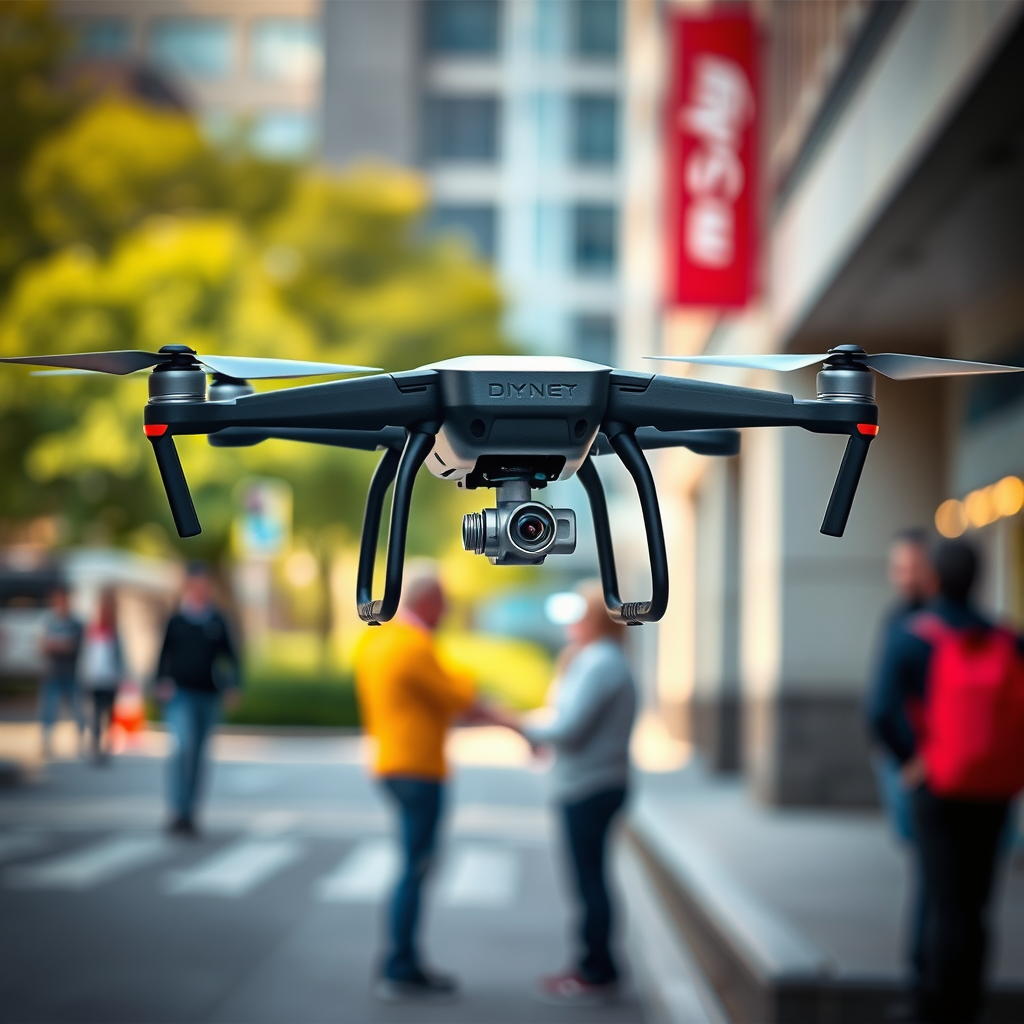
Federal Aviation Administration (FAA) rules govern drone usage in the U.S. The primary body responsible for regulating airspace, the FAA has established a framework that drone operators must adhere to, ensuring safe operation and minimizing risks to people and property. Key regulations include maintaining a maximum altitude of 400 feet, prohibiting night flights without appropriate lighting, and not flying drones over people or moving vehicles unless specific conditions are met.
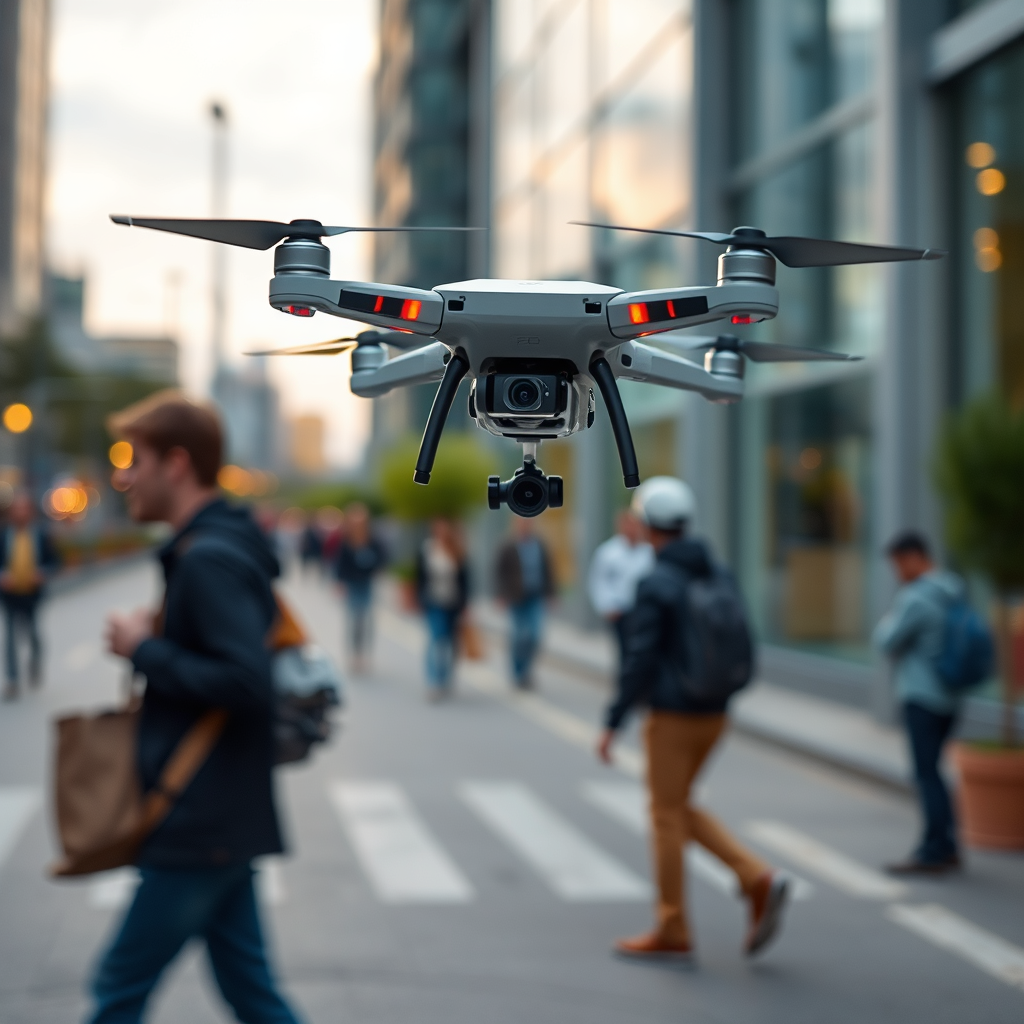
In addition to FAA regulations, local laws may impose additional restrictions, such as no-fly zones near sensitive areas like schools, hospitals, and government buildings. For instance, cities like New York and Los Angeles have implemented strict drone regulations, including designated flight zones and permits for commercial use. It is crucial for drone operators to familiarize themselves with both federal and local laws before taking to the skies, to avoid potential legal repercussions.
Where You Can Fly Drones
Public parks and open spaces are generally permissible for drone flights, provided that local regulations do not restrict their use. Areas such as designated recreational zones often provide ample space for hobbyists to enjoy flying without the risk of interfering with everyday activities or endangering bystanders. However, it is essential to check the specific rules in your area, as some parks may have designated no-fly zones or require special permits for drone usage.
Avoid flying near airports, military bases, or crowded areas. Airports have established airspace regulations to prevent drones from interfering with manned aircraft, typically requiring a five-mile buffer zone around them. Similarly, military installations often have stringent security measures, making them off-limits for drone operation. Flying in crowded areas poses risks not only to the operator but also to the public, as drones can cause injury or property damage. Always be mindful of your surroundings and adhere to the regulations regarding where you can and cannot fly.
Safety Considerations
Safety is paramount when operating a drone in public spaces. One of the most critical safety guidelines is to maintain a visual line of sight with your drone at all times. This ensures that you are aware of your drone’s location and any potential hazards in the vicinity. Utilizing a spotter can be beneficial, especially in complex environments, as they can help keep an eye on the drone while you focus on navigating.
Respecting privacy is another essential consideration. Avoid flying over private property without permission, as this can lead to legal disputes and complaints from property owners. It is advisable to communicate with local communities and inform them about your activities, thereby fostering goodwill and understanding. Additionally, familiarize yourself with the concept of “geofencing,” which many modern drones employ to prevent users from flying in restricted airspace.
Required Documentation and Registration
If your drone weighs over 0.55 pounds, you must register it with the FAA. The registration process is straightforward and can be completed online, requiring a nominal fee. Once registered, you will receive a unique identification number that must be displayed on your drone. Failing to register your drone may result in fines and other penalties.
For commercial drone operations, additional permits and certifications may be necessary. Drone pilots must obtain a Remote Pilot Certificate, which involves passing a written exam that covers airspace regulations, weather, and operational procedures. This certification demonstrates that the pilot is knowledgeable about safety protocols and can operate drones responsibly in public spaces.
Best Practices for Flying Drones in Public
Establishing best practices is crucial for ensuring a safe and enjoyable flying experience. Conduct pre-flight checks to ensure your drone is in good working condition. This includes verifying that the battery is fully charged, the propellers are undamaged, and the software is updated. A well-maintained drone is less likely to malfunction, reducing the risk of accidents.
Follow the “Know Before You Fly” campaign for safety tips and guidelines. This initiative, supported by the FAA, provides valuable resources for drone operators, including educational materials and a comprehensive guide to understanding local regulations. Engaging with this campaign not only enhances your knowledge but also promotes responsible drone usage within your community.
Consequences of Illegal Drone Use
Flying without proper permissions can lead to significant consequences, including fines and the confiscation of your drone. The FAA has ramped up enforcement against illegal drone operators, and penalties can vary based on the severity of the violation. In extreme cases, violating airspace regulations could result in criminal charges, especially if the actions pose a threat to public safety.
Legal issues may arise from violating privacy or safety regulations as well. If a drone operator invades an individual’s privacy by capturing images or videos without consent, they may face civil lawsuits. Understanding the legal landscape surrounding drone usage is essential to avoid these pitfalls and ensure a smooth flying experience.
Resources for Drone Pilots
Access the FAA’s official website for updated regulations and guidelines. The FAA provides a wealth of resources, including maps of no-fly zones, FAQs about drone regulations, and safety tips for operators. Staying informed of any changes in regulations is crucial for all drone pilots.
Joining local drone pilot communities can also be beneficial for gaining insights, advice, and support from fellow enthusiasts. Many cities have organizations or clubs dedicated to drone flying, where members share experiences and knowledge about safe practices and local regulations. Engaging with these communities can enhance your understanding of responsible drone operation and foster connections with like-minded individuals.
In conclusion, flying a drone in public is possible, but it comes with responsibilities. Operators must stay informed about regulations, respect others’ privacy, and adhere to safety guidelines to ensure a positive flying experience. By understanding the legal framework and following best practices, you can enjoy the exhilarating experience of flying a drone while contributing to a safe and respectful environment for all. For more information, consider checking out local drone clubs or the FAA website to stay up-to-date with the latest guidelines.
Frequently Asked Questions
What are the general regulations for flying a drone in public areas?
The regulations for flying a drone in public areas can vary significantly depending on your country and local laws. In the United States, the Federal Aviation Administration (FAA) requires drone operators to register their drones if they weigh more than 0.55 pounds and to follow guidelines such as flying below 400 feet, staying away from airports, and avoiding flying over people. Always check your local laws and regulations, as some areas may have stricter rules or require special permits for public drone use.
How can I ensure I’m flying my drone safely in public spaces?
To fly your drone safely in public spaces, always conduct a pre-flight check to ensure your drone is in good working condition. Maintain a visual line of sight with your drone at all times, avoid flying over crowds, and be mindful of privacy concerns by not capturing images or videos of individuals without their consent. Additionally, familiarize yourself with local airspace restrictions and any temporary flight restrictions that may be in place due to events or emergencies.
Why do I need to check local laws before flying a drone in public?
Checking local laws before flying a drone in public is essential to avoid legal issues and fines. Many municipalities have specific regulations that can include no-fly zones, restrictions on flying near critical infrastructure, or limitations on flight times. Understanding these laws not only helps you comply with legal requirements but also promotes responsible drone use within the community, ensuring that you respect the privacy and safety of others.
What should I do if I encounter someone who objects to my public drone flight?
If someone objects to your public drone flight, the best approach is to remain calm and respectful. Politely explain that you are following all regulations and that you are mindful of their privacy and safety. If they continue to express concerns, consider landing your drone and discussing the issue further, or relocating to a different area where you can fly without conflict. Being courteous can help de-escalate the situation and promote a positive perception of drone use in public spaces.
Which public spaces are typically off-limits for drone flying?
Public spaces that are typically off-limits for drone flying include areas near airports, military bases, national parks, and other critical infrastructure facilities like hospitals and power plants. Additionally, many urban areas have restrictions against flying drones over schools, playgrounds, and large gatherings. To avoid potential violations, always check local regulations and maps that indicate no-fly zones before planning your flight.
References
- https://en.wikipedia.org/wiki/Drone_regulations
- https://www.faa.gov/uas/getting_started/
- https://www.nasa.gov/feature/nasa-drones-flying-in-public-airspace
- https://www.theguardian.com/technology/2021/dec/07/drone-regulations-what-you-need-to-know
- https://www.nytimes.com/2020/01/29/technology/drone-regulations.html
- https://www.usa.gov/elected-officials
- https://www.faa.gov/uas/resources/policy_library/
- https://www.reuters.com/technology/drones-are-everywhere-here-are-rules-flying-them-2021-12-03/
- https://www.nap.edu/catalog/25183/drones-in-the-public-sphere
- https://www.huffpost.com/entry/what-you-need-to-know-about-flying-drones-in-public_n_5d4c3e05e4b0b1cbe7f4c3f5
