

Yes, you can fly a drone in public places, but there are specific regulations and guidelines you must follow to ensure safety and legality. Understanding these rules is crucial for both recreational and commercial drone users. As the popularity of drones increases, so does the responsibility that comes with operating them in shared spaces. This article will explore the essential guidelines to help you navigate the complex landscape of drone flying in public areas.
Understanding Drone Regulations
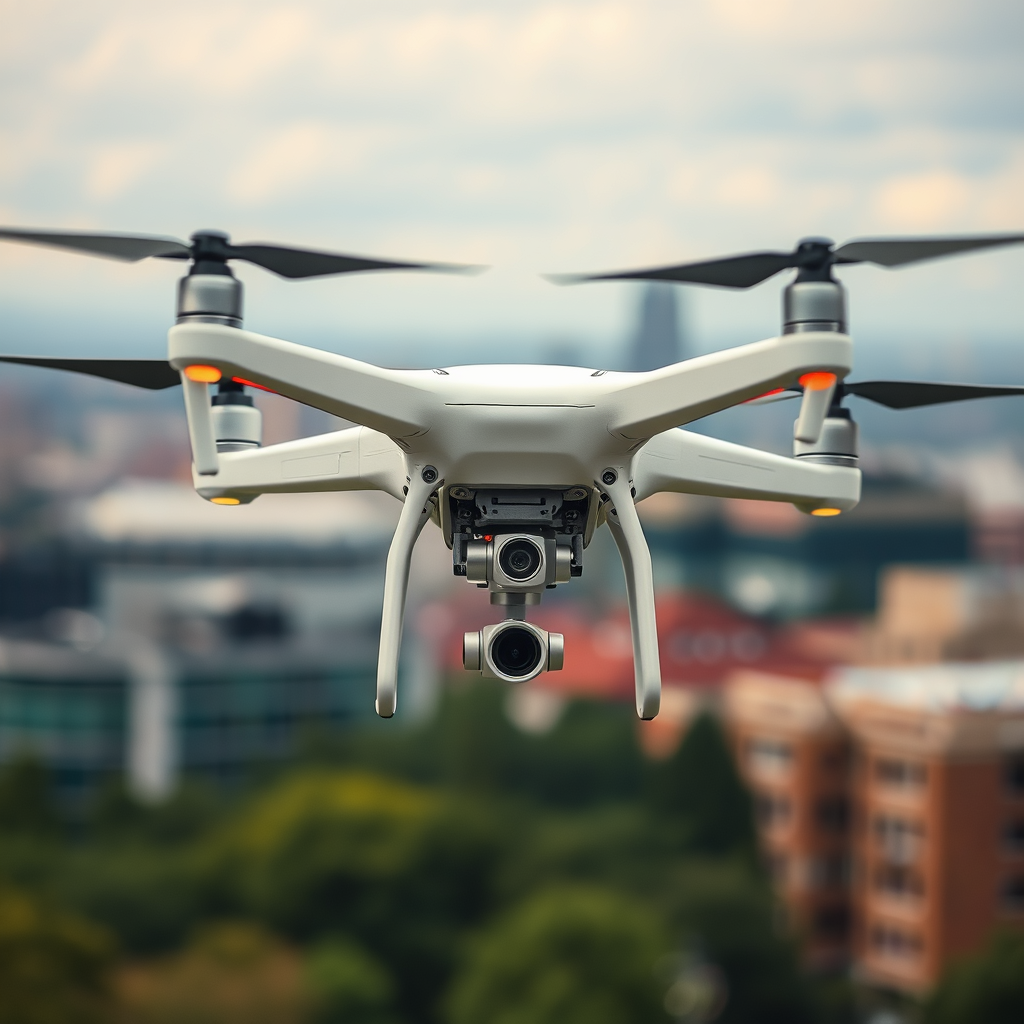
The Federal Aviation Administration (FAA) rules govern drone use in the U.S. These regulations are designed to ensure safety in the airspace and to protect both drone operators and the public. For instance, under the FAA’s Part 107 rules, drone operators must be at least 16 years old, pass an aeronautical knowledge test, and obtain a remote pilot certificate to fly commercially. Recreational users must adhere to the guidelines set forth by the FAA’s Special Rule for Model Aircraft, which includes flying below 400 feet and within visual line of sight.
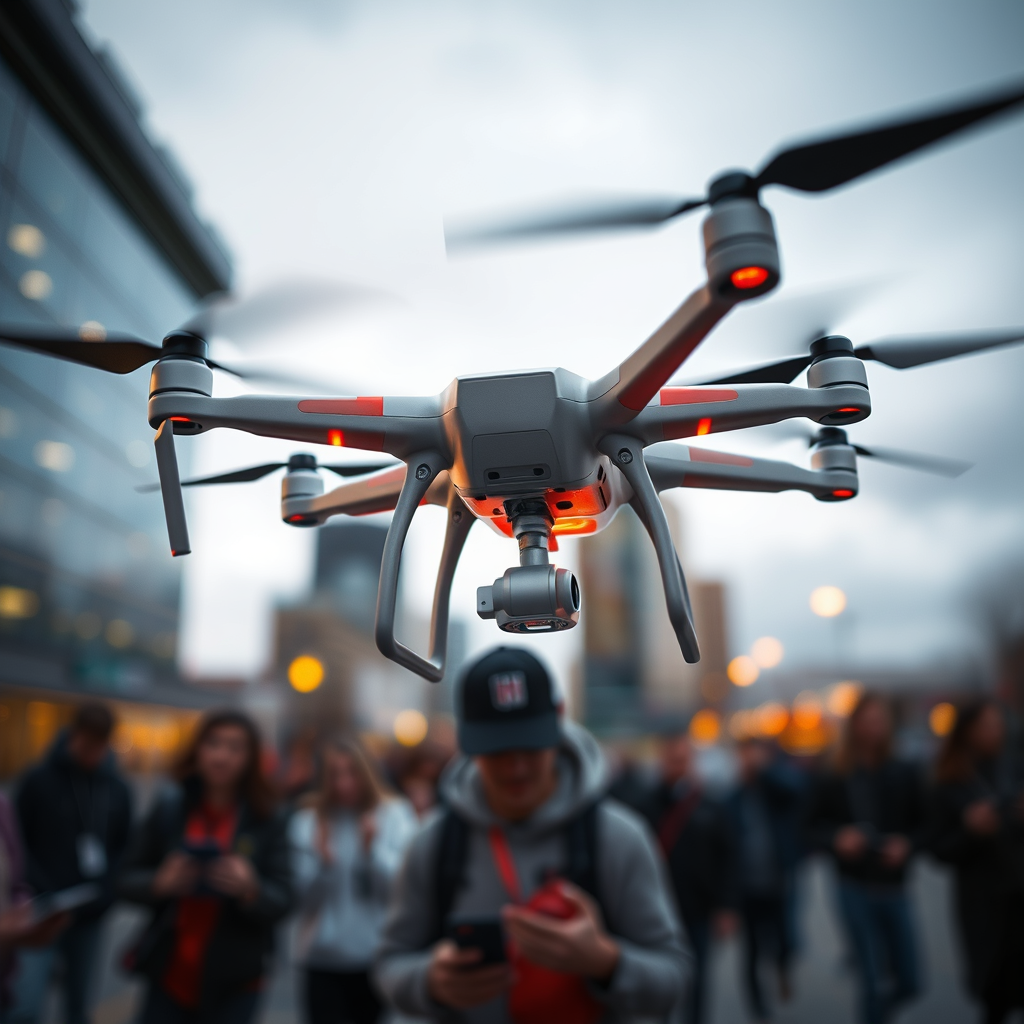
In addition to federal regulations, local laws may impose additional restrictions on flying in certain public areas. Cities or states may have ordinances that prohibit drone flights in parks, residential neighborhoods, or near sensitive infrastructure. Always check local regulations before flying to avoid fines or legal issues.
Designated Flying Areas
To ensure a safe and enjoyable flying experience, it is vital to identify locations where drone flying is permitted. Many cities have designated parks or open spaces where drone use is allowed, often with specific guidelines in place. For example, some national parks have established areas where drone operators can fly, while others have outright bans.
When selecting a location, avoid flying near sensitive areas such as schools, airports, or military bases. Proximity to these locations not only poses a risk to safety but may also violate FAA regulations, leading to potential legal repercussions. Utilizing resources like the FAA’s UAS Facility Maps can help you identify airspace classifications and restrictions in your intended flying area.
Safety Considerations
Safety should always be your top priority when flying a drone in public places. Always maintain a visual line of sight with your drone, which is not only a legal requirement but also essential for avoiding obstacles and ensuring safe operation. This means you should be able to see your drone without the aid of binoculars or other visual enhancement devices.
Additionally, be aware of surrounding people, property, and wildlife to prevent accidents. For instance, flying in crowded areas can lead to unintended collisions, which could result in injury or damage to property. It is advisable to choose times when public spaces are less crowded or to fly in designated areas where the risk of interference is minimized. Implementing safety protocols, such as pre-flight checks and understanding emergency procedures, can significantly enhance your flying experience.
Privacy Concerns
Respecting the privacy of individuals is paramount when flying a drone in public places. Avoid flying over private property without permission, as this can lead to privacy violations and potential legal actions. Many states have specific laws regarding aerial surveillance and photography, which may impose restrictions on recording individuals in public spaces without consent.
Understanding local laws regarding aerial photography is crucial, especially if you intend to capture images or videos for commercial use. In some jurisdictions, you may need to obtain a permit or notify individuals if they are likely to be captured in your footage. Always prioritize ethical considerations alongside legal requirements to maintain a positive reputation within the community.
Insurance and Liability
As a responsible drone operator, consider obtaining liability insurance to cover potential damages caused by your drone. While the FAA provides a regulatory framework, it does not shield operators from liability in the event of accidents or property damage. Insurance can provide peace of mind and financial protection, especially for commercial operators who may be at higher risk.
Additionally, check if your drone’s manufacturer provides coverage for accidents. Some manufacturers offer warranties or insurance plans that may cover damages or losses incurred during operation. Understanding your coverage options can help you make informed decisions about your drone flying activities.
Drone Etiquette
Practicing good drone etiquette is essential for maintaining a positive relationship with the public and other drone users. Fly at reasonable times, avoiding early mornings or late evenings when noise may disturb residents or wildlife. Being courteous and respectful towards bystanders and other drone users can foster a sense of community and encourage a more enjoyable flying environment for everyone.
If you encounter other drone operators, consider giving them space and acknowledging their presence. Sharing airspace and being mindful of other users can prevent conflicts and promote a culture of mutual respect among drone enthusiasts.
Staying Informed
The world of drone regulations is constantly evolving; thus, it is crucial to stay updated with changes in drone regulations and local ordinances. Regularly check the FAA website for updates on rules and guidelines, as well as any temporary restrictions that may be implemented in response to specific events or situations.
Joining local drone flying clubs or online forums can also provide valuable insights and shared experiences from fellow operators. Engaging with the community can help you learn about best practices, new technologies, and upcoming regulations that could affect your drone flying activities.
In conclusion, while flying a drone in public places is allowed, it is essential to adhere to regulations, prioritize safety, and respect the rights of others. By understanding drone regulations, identifying designated flying areas, and practicing good etiquette, you can enjoy your drone flying experience responsibly. Staying informed and considerate will not only enhance your experience but also contribute positively to the broader drone community.
Frequently Asked Questions
What are the regulations for flying a drone in public places?
The regulations for flying a drone in public places vary by country and local jurisdiction. In the United States, the Federal Aviation Administration (FAA) requires drone operators to register their drones if they weigh more than 0.55 pounds. Additionally, you must fly below 400 feet, keep your drone within visual line of sight, and avoid flying over people or moving vehicles. It is crucial to check local laws and regulations, as some cities may have specific restrictions or require permits.
How can I determine if a public place is safe for flying my drone?
To determine if a public place is safe for flying your drone, you should first check for any no-fly zones, which can include areas near airports, military bases, and certain urban environments. Use apps or websites like the FAA’s B4UFLY or AirMap to visualize airspace restrictions. Additionally, consider factors like crowd density, potential hazards (like power lines or trees), and local wildlife. Always prioritize safety and respect the privacy of others when flying in public spaces.
Why is it important to check local laws before flying a drone in public places?
Checking local laws before flying a drone in public places is essential to avoid legal repercussions and ensure the safety of yourself and others. Different regions may have varying rules regarding drone use, including flight altitude, restricted areas, and required permits. Violating these laws can result in fines, confiscation of your drone, or even criminal charges. By staying informed, you can enjoy your flying experience while adhering to legal requirements.
What are the best practices for flying a drone in crowded public areas?
The best practices for flying a drone in crowded public areas include maintaining a safe distance from people, keeping your drone within visual line of sight, and being aware of your surroundings. Always avoid flying over large gatherings or events, as this can pose risks to safety and privacy. Additionally, respect any local regulations and obtain necessary permissions if required. Communicating your flight plans to bystanders can also enhance safety and reduce concerns.
Which types of drones are best suited for flying in public places?
The best types of drones for flying in public places are those that are lightweight, easy to maneuver, and equipped with safety features. Models like the DJI Mini series or the Parrot Anafi are popular choices due to their compact size, advanced stabilization technology, and user-friendly controls. Look for drones that offer geofencing capabilities to help avoid restricted areas and drones with obstacle avoidance systems to enhance safety during flights in populated environments.
References
- https://www.faa.gov/uas/getting_started/fly_for_fun
- https://www.nasa.gov/feature/nasa-drone-operations-in-public-areas
- https://www.theguardian.com/technology/2021/jun/11/drone-laws-uk-public-places
- https://www.nytimes.com/2022/05/30/technology/drone-regulations.html
- https://www.ama-assn.org/delivering-care/public-health/drone-deliveries-are-here-what-physicians-need-know
- https://www.wired.com/story/drone-flying-regulations/
- https://www.sans.org/white-papers/38039/
- https://www.ncbi.nlm.nih.gov/pmc/articles/PMC6819683/
- https://www.michigan.gov/dnr/things-to-do/recreation/drone-flying
