

Yes, you can fly a drone in the Grand Canyon, but there are strict regulations and restrictions in place. The Grand Canyon National Park has specific guidelines that drone operators must adhere to in order to ensure both safety and the preservation of its breathtaking natural environment. Understanding these regulations is crucial for anyone looking to capture stunning aerial footage or simply enjoy the experience of flying a drone in one of America’s most iconic landscapes.
Understanding the Regulations
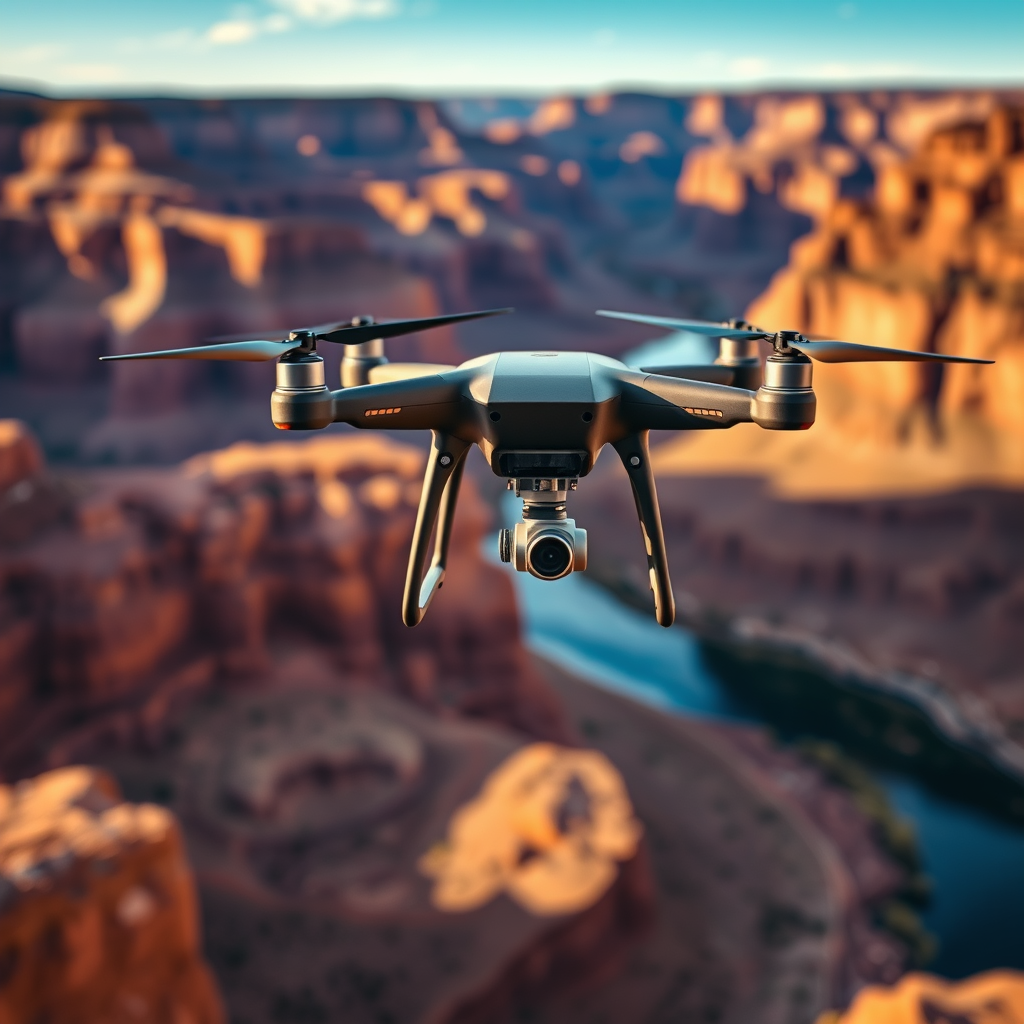
Flying a drone in the Grand Canyon is not as straightforward as one might think. The National Park Service (NPS) has established strict regulations to protect both the environment and the park’s visitors. Primarily, drones are prohibited in most areas of the Grand Canyon National Park. This ban is in place to minimize disturbances to wildlife and the tranquility of the park experience.
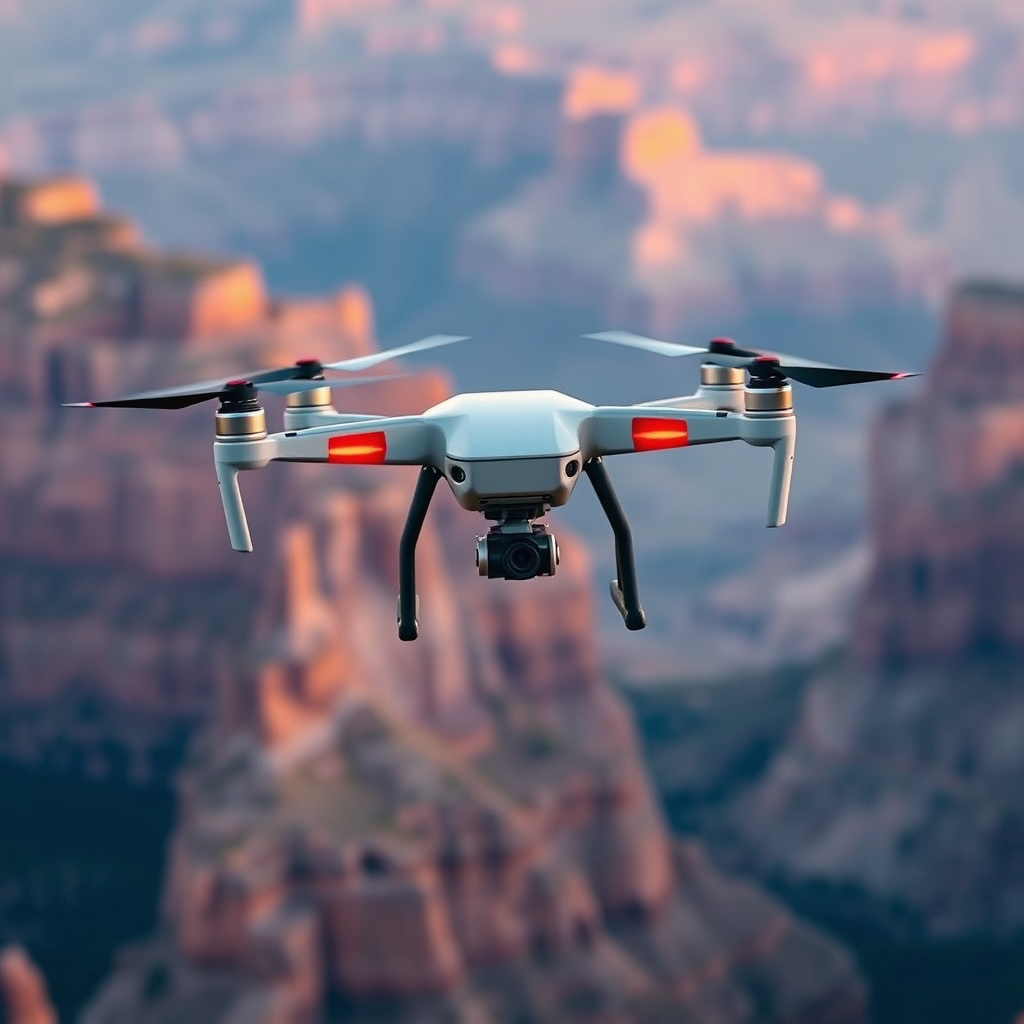
For those interested in using drones for commercial purposes, such as aerial photography or videography, special permits are required. The process for obtaining these permits can be quite detailed. Applicants must submit comprehensive flight plans, including proposed flight paths, times, and safety measures that will be implemented to ensure compliance with the park’s regulations. Understanding these regulations and the application process is crucial for anyone considering drone use within the park’s boundaries.
Areas Where Drones Are Allowed
While the majority of the Grand Canyon National Park prohibits drone use, there are designated areas outside the park boundaries where flying is permitted. Some nearby public lands, such as certain sections of the Coconino National Forest, may allow drone flying. However, it is imperative to check local laws and regulations before taking off. Each state and municipality can have its own rules regarding drone operation, so being informed is key to ensuring a hassle-free experience.
Drone operators should also remain aware of airspace restrictions, including those imposed by the Federal Aviation Administration (FAA). In many cases, flying near airports or other sensitive airspace is illegal, and operators must be vigilant to avoid any violations that could lead to fines or worse, accidents.
Safety Considerations
Safety is paramount when flying drones, especially in a complex environment like the Grand Canyon. Operators should be acutely aware of their surroundings, including wildlife and fellow visitors. Drones can be noisy and can easily disturb the natural habitats of various species, including birds and mammals that call the Grand Canyon home. Therefore, it is advisable to maintain a significant distance from wildlife, particularly during nesting seasons or in areas known for sensitive habitats.
Additionally, operators should always maintain a safe distance from cliffs and other hazardous areas. The Grand Canyon’s rugged topography can create dangerous conditions, especially for those unfamiliar with the environment. Before flying, it’s essential to conduct a thorough risk assessment and ensure that all safety protocols are in place.
Respecting Nature and Wildlife
Respect for nature and wildlife is a core principle of visiting national parks, and this extends to drone operation. The introduction of drones into a pristine environment can have unintended consequences, such as disturbing wildlife, disrupting nesting birds, or altering animal behavior. For instance, many birds may abandon their nests if they feel threatened, which can lead to population declines.
As a drone operator, it is your responsibility to avoid flying near nesting sites or sensitive habitats. The penalties for disturbing wildlife can be severe, ranging from fines to the confiscation of equipment. By operating drones responsibly and with respect for the natural world, operators can help protect the delicate ecosystems that exist within the Grand Canyon.
Obtaining Necessary Permits
For those determined to fly drones within the Grand Canyon National Park, understanding the application process for a Special Use Permit is critical. The NPS requires detailed submissions that outline the intended drone flight, including the specific area of operation, times of flight, and a comprehensive safety plan.
Typically, applications must be submitted well in advance of the intended flight date, and the approval process may take time. It is advisable to consult the NPS website or contact the park directly for the most current permit requirements. By being well-prepared and providing thorough documentation, drone operators can increase their chances of receiving the necessary permissions to operate legally within the park.
Alternative Photography Options
For those unable or unwilling to navigate the complexities of drone regulations, there are numerous alternative options for capturing the stunning beauty of the Grand Canyon. Guided photography tours often provide opportunities to access unique vantage points that offer breathtaking views without the need for drones. These tours are typically led by experienced photographers who can offer invaluable tips and techniques to enhance your photography skills.
Additionally, traditional photography methods can yield incredible results. High-quality cameras and lenses, combined with an understanding of composition and lighting, can produce stunning images that rival those taken from drones. Utilizing techniques such as long exposures or panoramic shots can help capture the grandeur of the landscape effectively.
In conclusion, while flying a drone in the Grand Canyon is possible under certain conditions, it is essential to adhere to strict regulations and respect the natural environment. Operators must stay informed about the latest rules, consider the impact of their activities on wildlife, and explore alternative ways to capture the stunning landscape. By doing so, they can ensure that the Grand Canyon remains a preserved haven for future generations to enjoy.
Frequently Asked Questions
Can you fly a drone in the Grand Canyon National Park?
No, flying drones is prohibited in Grand Canyon National Park. The National Park Service has established this rule to protect wildlife, preserve the natural landscape, and ensure the safety of park visitors. If you’re considering capturing aerial photography or video, it’s best to explore other options or check for designated areas outside the park where drone flying is allowed.
Why are drones banned in national parks like the Grand Canyon?
Drones are banned in national parks to minimize disturbances to wildlife, protect the natural scenery, and maintain the tranquil experience that visitors seek. The noise and presence of drones can disrupt animal habitats and affect the enjoyment of fellow visitors. Regulations are put in place to ensure the preservation of these special environments for future generations.
What are the legal alternatives to flying a drone around the Grand Canyon?
If you’re looking for legal alternatives to drone flying near the Grand Canyon, consider using a camera for photography or video from established viewpoints within the park. Additionally, there are designated areas outside the park boundaries in Arizona where drone flying is permitted, such as certain state lands or private properties, where you can capture stunning aerial views.
How can I capture aerial views of the Grand Canyon without a drone?
To capture aerial views of the Grand Canyon without using a drone, consider taking a helicopter tour, which offers breathtaking perspectives of the canyon’s vastness from above. Additionally, some companies offer fixed-wing aircraft tours that provide panoramic views. For ground-level photography, use high vantage points like the South Rim or North Rim for stunning shots of the canyon landscape.
Which permits do I need to fly a drone in areas surrounding the Grand Canyon?
If you plan to fly a drone outside of Grand Canyon National Park, you must comply with FAA regulations and any local laws that may apply. In many cases, you may not need a permit for recreational use, but if you’re using the drone for commercial purposes, you will need to obtain a Part 107 Remote Pilot Certificate from the FAA. Always check local regulations, as they can vary by location.
References
- https://www.nps.gov/grca/planyourvisit/drone-use.htm
- https://www.faa.gov/uas/where_to_fly/national_parks
- https://www.grandcanyontrust.org/what-you-need-know-flying-drones-grand-canyon
- https://www.aero-mag.com/drone-use-grand-canyon
- https://www.grandcanyonnews.com/news/2021/nov/04/drone-use-in-the-grand-canyon/
- https://www.nps.gov/articles/drone-use-in-national-parks.htm
