

Yes, you can fly a drone near a hospital, but there are specific regulations and safety considerations you must follow to ensure compliance and safety. Understanding these rules is essential for both drone operators and hospital staff, as it helps protect patients, staff, and the integrity of medical operations. This article delves into the FAA regulations, local laws, safety concerns, best practices, alternatives to flying near hospitals, and the process of obtaining permission for drone use.
Understanding FAA Regulations
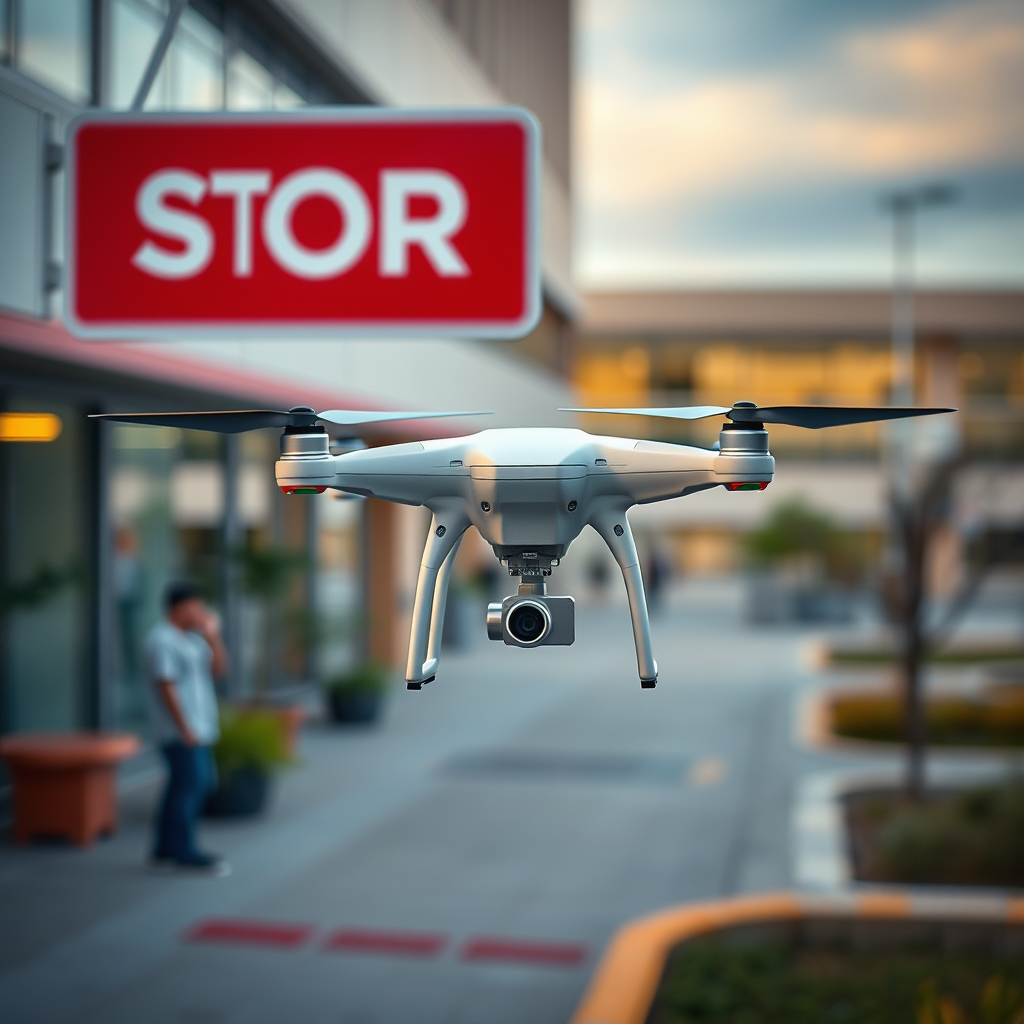
The Federal Aviation Administration (FAA) is the governing body for all drone operations in the United States. Under FAA regulations, drone pilots must adhere to specific guidelines, particularly when it comes to flying near airports. Since many hospitals have helipads or are situated within five miles of an airport, this proximity triggers important restrictions.
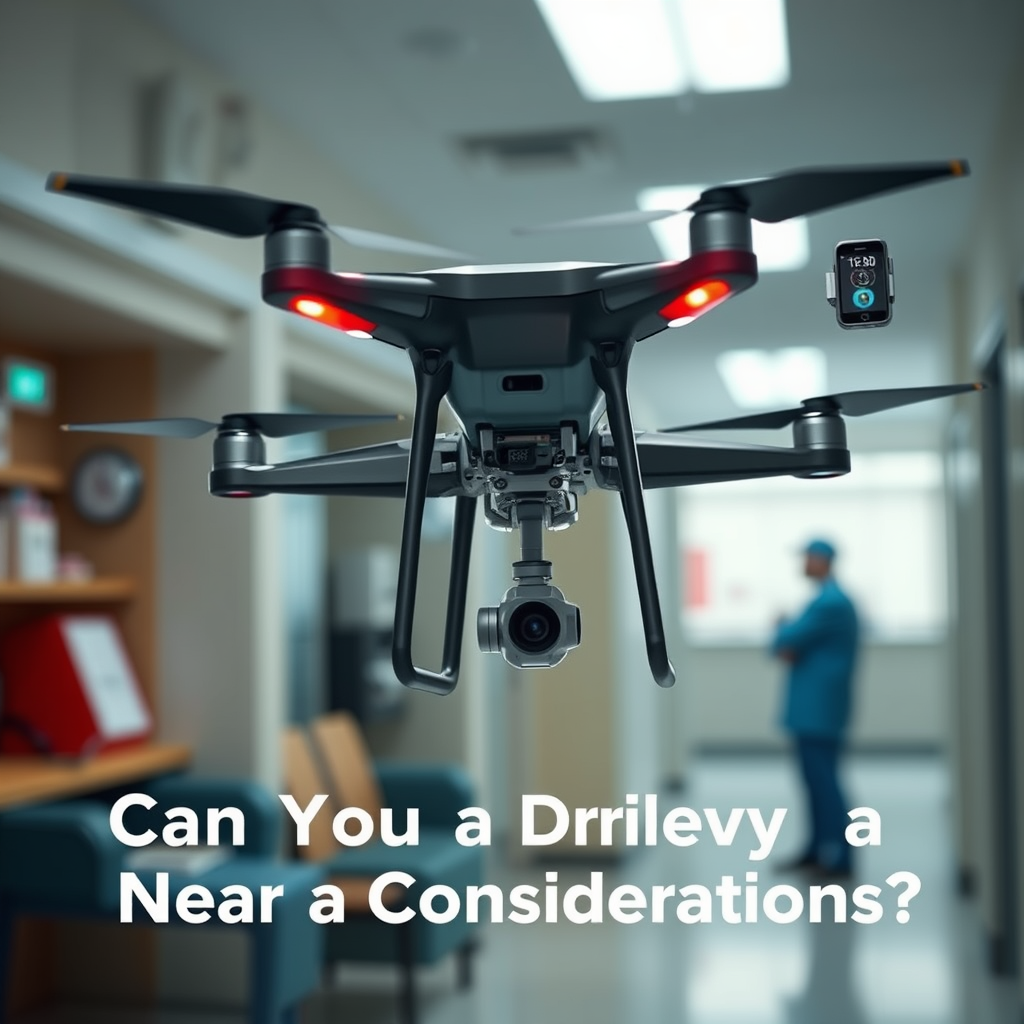
According to FAA Rule 107, drone pilots must not fly their aircraft within five miles of an airport without prior notification and permission from the airport’s control tower. This includes hospitals that may have designated helipads for emergency medical services. Additionally, drone operators must maintain visual line-of-sight with their drones and cannot fly above 400 feet in controlled airspace without the appropriate waivers. Understanding these regulations is crucial to avoid hefty fines and legal repercussions while ensuring the safety and efficiency of hospital operations.
Local Laws and Ordinances
Beyond federal regulations, many states and municipalities have their own specific laws regarding drone use, particularly in sensitive areas like medical facilities. Local ordinances may impose additional restrictions on drone flights, including designated no-fly zones around hospitals.
For instance, some states have enacted laws that prohibit drones from flying over private property without permission, which may include hospitals. Failing to comply with these local laws can result in fines or even criminal charges. Therefore, it is imperative for drone operators to research and understand the local regulations in their area prior to launching their drone near a hospital. Checking with local government websites and consulting legal resources can help ensure compliance with all applicable laws.
Safety Concerns for Hospitals
Safety is paramount when considering drone operations near hospitals. Drones can pose significant risks, particularly if they interfere with emergency services or air traffic. For example, a drone flying too close to a hospital’s helipad can disrupt a medical evacuation or emergency transport, potentially endangering lives.
Furthermore, hospitals must maintain a secure environment for their patients and staff. Unauthorized drone flights can lead to privacy concerns and even security breaches, as drones may capture sensitive information or images. Given the critical nature of medical facilities, any disruption caused by a drone can have serious implications. Drone operators need to be acutely aware of these safety concerns and plan their flights accordingly to minimize risks.
Best Practices for Flying Near Hospitals
To ensure safe and compliant drone operations near hospitals, operators should adhere to several best practices. First and foremost, always notify hospital administration before flying in proximity to their facility. This communication can help establish a cooperative relationship and ensure that hospital staff are aware of your presence, reducing the likelihood of misunderstandings or safety concerns.
Additionally, maintaining a safe distance from the hospital is vital. Drone operators should avoid flying directly over hospital grounds or in areas where medical personnel are actively engaged in patient care. This practice not only protects the privacy and safety of patients but also ensures that the drone does not interfere with any medical operations.
Using a drone identification system can also enhance safety; many drones now come equipped with “geo-fencing” capabilities that prevent them from entering restricted airspace. Utilizing such technology can help drone operators adhere to regulations and ensure a safer flying environment near hospitals.
Alternatives to Flying Near Hospitals
For drone operators looking to utilize their aircraft for medical purposes without the risks associated with flying near hospitals, there are several alternatives worth considering. One option is to seek locations that are further away from sensitive areas. This may include rural or less populated areas where drone activities can be conducted without regulatory concerns.
Another promising application of drones is in medical supply delivery. Many hospitals are exploring the use of drones to transport medical supplies, blood, and even organs across longer distances. By utilizing drones in controlled environments, hospitals can streamline operations while minimizing risks to patients and staff. Collaborating with local authorities and hospitals to create designated flight paths for these operations can enhance efficiency and safety.
Getting Permission for Drone Use
In some instances, drone operators may need to obtain special permission to fly near hospitals or other restricted areas. Familiarizing yourself with the FAA’s process for applying for waivers or permissions is essential. This often involves submitting a detailed request outlining your flight plan, the purpose of your drone operation, and the safety measures you intend to implement.
Additionally, consider reaching out to hospital administration to discuss your plans and seek any necessary permissions at the local level. Establishing a dialogue with hospital staff can facilitate a smoother approval process and foster a collaborative approach to drone operations.
In conclusion, while flying a drone near a hospital is possible, it requires adherence to regulations and careful consideration of safety. Understanding FAA regulations, local laws, and hospital safety concerns is vital for responsible drone operation. By following best practices, exploring alternatives, and obtaining the necessary permissions, drone operators can ensure their flights support medical facilities without compromising safety or compliance. Staying informed about the ever-evolving landscape of drone regulations is essential for all stakeholders involved.
Frequently Asked Questions
Can you fly a drone near a hospital legally?
Yes, you can fly a drone near a hospital, but there are strict regulations you must follow. According to the Federal Aviation Administration (FAA), drones cannot be flown in controlled airspace without proper authorization, which typically applies to areas around hospitals. It’s crucial to check local laws and hospital guidelines to ensure compliance and avoid potential fines or legal issues.
What are the risks of flying a drone near a hospital?
Flying a drone near a hospital poses several risks, including interference with emergency medical flights and potential privacy violations for patients and staff. Additionally, drones may disrupt hospital operations or cause accidents if they malfunction. Understanding these risks is essential for responsible drone operation and maintaining safety in sensitive areas like hospitals.
How far should you stay from a hospital when flying a drone?
The recommended distance to stay away from a hospital when flying a drone is generally at least 5 miles, especially if the hospital is located in controlled airspace. This distance helps to avoid interfering with medical helicopters and ensures compliance with FAA regulations. Always check for specific local restrictions that may require you to keep an even greater distance.
Why is flying a drone near hospitals discouraged?
Flying a drone near hospitals is discouraged primarily due to safety and privacy concerns. Drones can obstruct emergency medical services, potentially delaying critical care. Moreover, hospitals often have sensitive patient information, and drone flights may infringe on privacy rights, leading to legal consequences and ethical dilemmas.
What is the best way to check if you can fly a drone near a hospital?
The best way to check if you can fly a drone near a hospital is to use tools like the FAA’s B4UFLY app, which provides real-time information on airspace restrictions. Additionally, you should contact local authorities or the hospital directly to inquire about any specific policies or guidelines they have in place regarding drone operations. This proactive approach ensures you stay informed and compliant with local regulations.
References
- https://www.faa.gov/uas/getting_started/part_107_rules
- https://www.faa.gov/uas/getting_started/where_to_fly
- https://www.npr.org/sections/thetwo-way/2018/07/26/634642232/faa-hospitals-ask-drone-operators-to-stay-away-from-patient-transport
- https://www.wired.com/story/drone-delivery-hospitals/
- https://www.govinfo.gov/app/details/USCODE-2011-title49/USCODE-2011-title49-subtitleVII-chap448
- https://www.ama-assn.org/delivering-care/public-health/what-drones-mean-health-care-and-patient-safety
- https://www.dronepilotgroundschool.com/drone-flying-near-hospitals/
