

Yes, you can fly a drone off a cruise ship, but there are important regulations and safety considerations to keep in mind. Flying a drone while on a cruise can provide unique aerial views and spectacular photography opportunities. However, it’s essential to understand the nuanced rules that govern drone use at sea, as well as the policies of cruise lines and local laws of the destinations you will visit.
Understanding Maritime Regulations
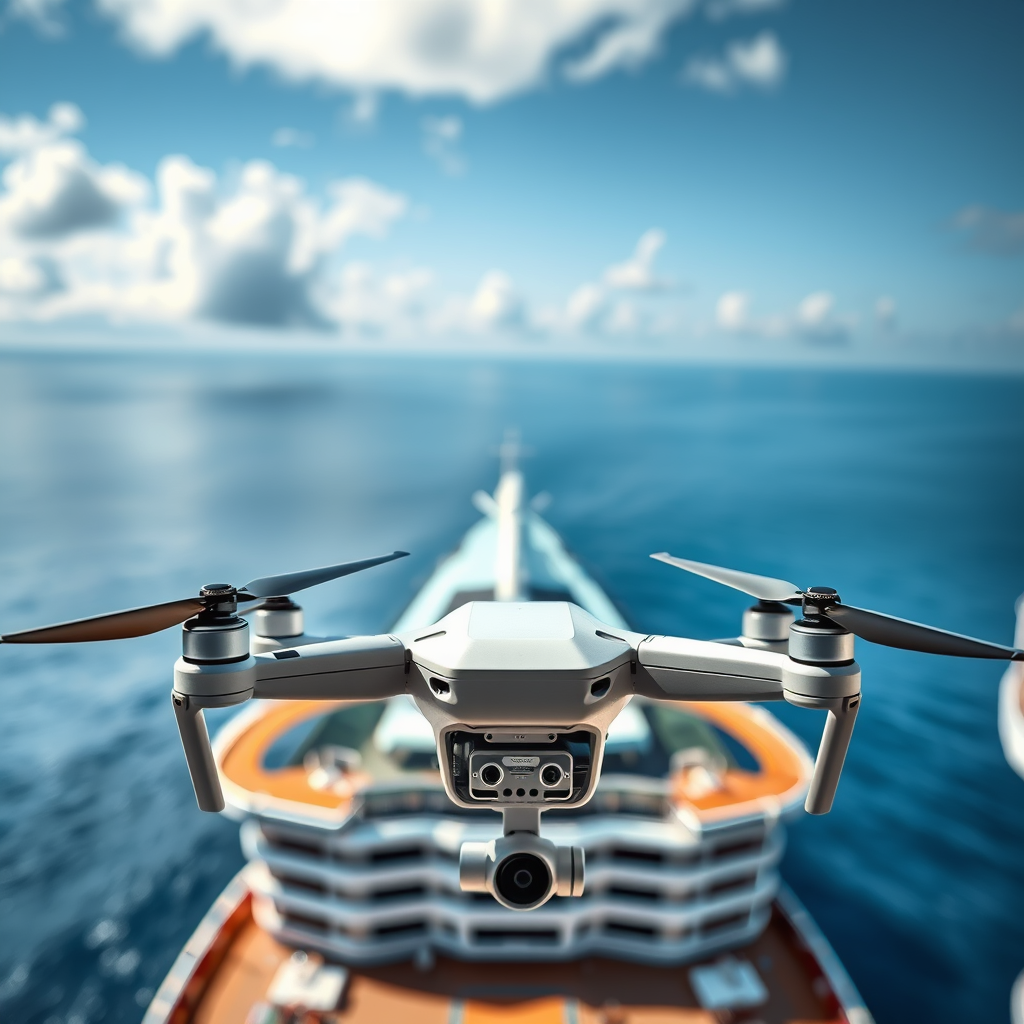
Drones are subject to the laws of the country where the ship is registered. This means that if you are cruising on a ship registered in the Bahamas, for example, you must adhere to Bahamian drone regulations. In addition to registration laws, international waters may have different regulations than those of coastal states. For example, while the U.S. has specific Federal Aviation Administration (FAA) guidelines for drone use, other countries may have stricter or more relaxed rules. It’s crucial for drone operators to research and understand these regulations to avoid legal complications.
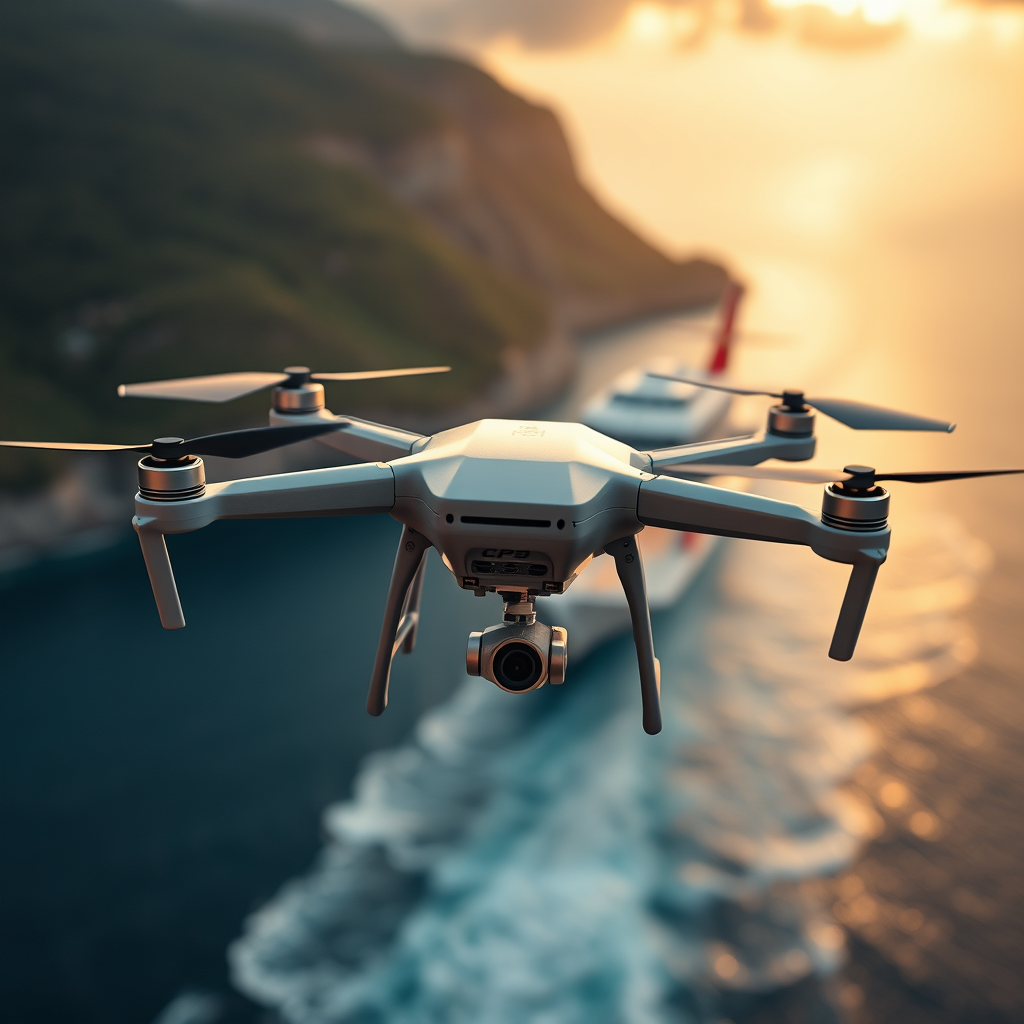
Furthermore, many countries have established airspace restrictions that apply to drones, particularly in proximity to airports, military installations, and urban areas. Therefore, before attempting to fly a drone off a cruise ship, operators should familiarize themselves with both maritime and aviation regulations to ensure compliance. This not only protects the operator but also ensures the safety of fellow passengers, crew, and the environment.
Cruise Line Policies
Many cruise lines have strict policies against flying drones. These policies are often put in place due to safety concerns, potential disruptions to operations, and privacy issues. For instance, prominent cruise lines such as Royal Caribbean and Carnival Cruise Line explicitly prohibit drones on board their vessels. This is often outlined in the cruise line’s terms and conditions.
Always check the specific cruise line’s rules before bringing your drone onboard. This may involve reviewing the cruise line’s website or contacting customer service for clarification. Even if you are considering sneaking a flight during a port stop, it’s important to remember that violating these policies can lead to removal from the cruise or fines. Knowing and respecting the cruise line’s regulations will not only keep you compliant but also guarantee a smoother sailing experience.
Safety Concerns
When flying a drone from a cruise ship, it is imperative to consider the safety of passengers and crew. High winds are common at sea, and the stability of a drone can be significantly impacted in such conditions, making it challenging to maintain control. Limited space on the cruise ship also poses risks; operators may inadvertently fly their drones into people or objects, potentially causing injury or damage.
Moreover, the presence of other ships and vessels nearby can complicate drone operations. Collisions with other crafts could lead to major accidents. Therefore, it is essential to conduct a thorough risk assessment and consult with the ship’s crew for advice on safe drone operation in open waters. Prioritizing safety ensures not only your well-being but also that of everyone aboard the cruise.
Best Practices for Drone Operation
To ensure a successful and safe drone flight, operators should adhere to best practices. First and foremost, ensure your drone is fully charged and in good working condition before taking off. Regular maintenance, including checking propellers and connectivity, can prevent in-flight malfunctions.
It’s also crucial to maintain a clear line of sight with the drone. Many regulations require that operators keep their drones within visual range, which is particularly important when flying from a moving vessel. Additionally, be aware of altitude restrictions; flying too high may breach local regulations and can increase the risk of interference with other aircraft.
Lastly, consider using drone safety features such as geo-fencing, which prevents the drone from flying into restricted areas. Familiarizing yourself with the drone’s controls and features before your trip can enhance your flying experience and reduce the likelihood of mishaps.
Alternative Locations for Drone Flying
If flying a drone from a cruise ship is not feasible due to regulations or cruise line policies, consider exploring designated areas near the cruise port for drone flying. Many ports have specific zones where drone operation is allowed, often with scenic backdrops that provide excellent photography opportunities.
Research local regulations for drone use in port destinations prior to your trip. Some countries may require permits for drone flights, while others may have specific time windows during which flying is permitted. Engaging with local drone communities, whether online or in person, can provide invaluable insights into the best locations and practices for flying in those areas.
Consequences of Violating Rules
Understanding the potential penalties for flying a drone illegally is crucial for any operator. Violations can lead to fines that vary significantly by country and can exceed hundreds or even thousands of dollars. In some cases, authorities may confiscate the drone, resulting in a significant financial loss and the inability to capture the journey’s memories.
Legal action is another serious consequence that could arise from violating drone regulations, potentially leading to criminal charges in extreme cases. Such incidents can also tarnish the reputation of drone enthusiasts and may lead to stricter regulations in the future. Therefore, ensuring compliance with all laws and guidelines is essential for maintaining the rights and freedoms of drone operators.
Preparing for Your Drone Flight
Preparation is key to a successful drone flight experience. Gather any necessary permits and documentation if required by the cruise line or the countries you will visit. This may include registration papers for your drone, insurance information, and any local permits needed for drone operation.
Additionally, familiarize yourself with the drone’s controls and features before your trip. Understanding how to operate the drone efficiently can prevent accidents and enhance your overall experience. Consider practicing in a safe, open area before attempting to fly from a cruise ship or at a port destination. This preparation will help you feel more confident and capable when it’s time to take to the skies.
In conclusion, while flying a drone off a cruise ship is possible, it’s crucial to follow all regulations and the cruise line’s policies. Understanding maritime regulations, being aware of cruise line rules, and taking safety precautions can lead to a rewarding experience. Always prioritize safety and respect local laws to ensure an enjoyable experience. If you’re planning a cruise and want to capture those stunning views, consider the guidelines discussed to make the most of your drone experience and create lasting memories from your journey at sea.
Frequently Asked Questions
Can you legally fly a drone off a cruise ship?
The legality of flying a drone off a cruise ship largely depends on the cruise line’s policies and the laws of the countries you visit. Most cruise lines prohibit the use of drones while the ship is in port or at sea due to safety concerns and local regulations. It’s essential to check with your cruise line for specific rules and to familiarize yourself with drone laws in the destinations on your itinerary before attempting to fly.
What are the safety concerns related to flying a drone from a cruise ship?
Flying a drone from a cruise ship raises several safety concerns, including the risk of collisions with other vessels, the potential for losing control of the drone in windy conditions, and the challenge of retrieving the drone if it malfunctions or flies away. Additionally, cruise ships are often crowded, and operating a drone could pose a hazard to passengers and crew. Safety regulations typically prioritize the wellbeing of everyone on board, which is why many cruise lines ban drone use.
How can I find out if my cruise line allows drones?
To find out if your cruise line allows drones, you should start by visiting the cruise line’s official website and looking for their policies on drone use. Alternatively, you can contact customer service for clarification. Many cruise lines provide detailed information in their FAQ sections or travel guidelines, ensuring you have the latest updates on drone regulations before your trip.
Which countries have restrictions on drone use that may affect cruising?
Many countries have strict regulations governing drone use that can impact your cruising experience. For instance, places like the Bahamas, Mexico, and various Caribbean nations have specific laws regarding where and how drones can be flown, often requiring permits or outright banning them in tourist areas. Before your cruise, research the drone regulations of the countries on your itinerary to avoid legal troubles and ensure compliance with local laws.
What are the best alternatives to flying a drone while on a cruise?
If flying a drone is not permitted on your cruise, consider alternatives like using a high-quality camera or smartphone for photography and videography. Many cruise destinations offer stunning views, and these devices can capture beautiful memories without the complications of drone operation. Additionally, exploring excursion options that provide aerial tours or scenic viewpoints can enhance your experience without violating cruise or local regulations.
References
- https://www.faa.gov/uas/getting_started/registration
- https://www.cruisecritic.com/articles.cfm?ID=2580
- https://www.bbc.com/news/world-us-canada-49612913
- https://www.theguardian.com/travel/2018/aug/13/cruise-ship-drone-use-regulations
- https://www.nytimes.com/2016/07/31/travel/using-drones-on-cruise-ships.html
- https://www.nolo.com/legal-encyclopedia/flying-drones-cruise-ships-297176.html
