

Yes, you can fly a drone over federal property, but there are strict regulations and guidelines you must follow to ensure compliance with the law. Understanding these rules is essential to avoid potential fines or legal issues. This article will break down what you need to know before taking to the skies over federal land.
Understanding Federal Regulations
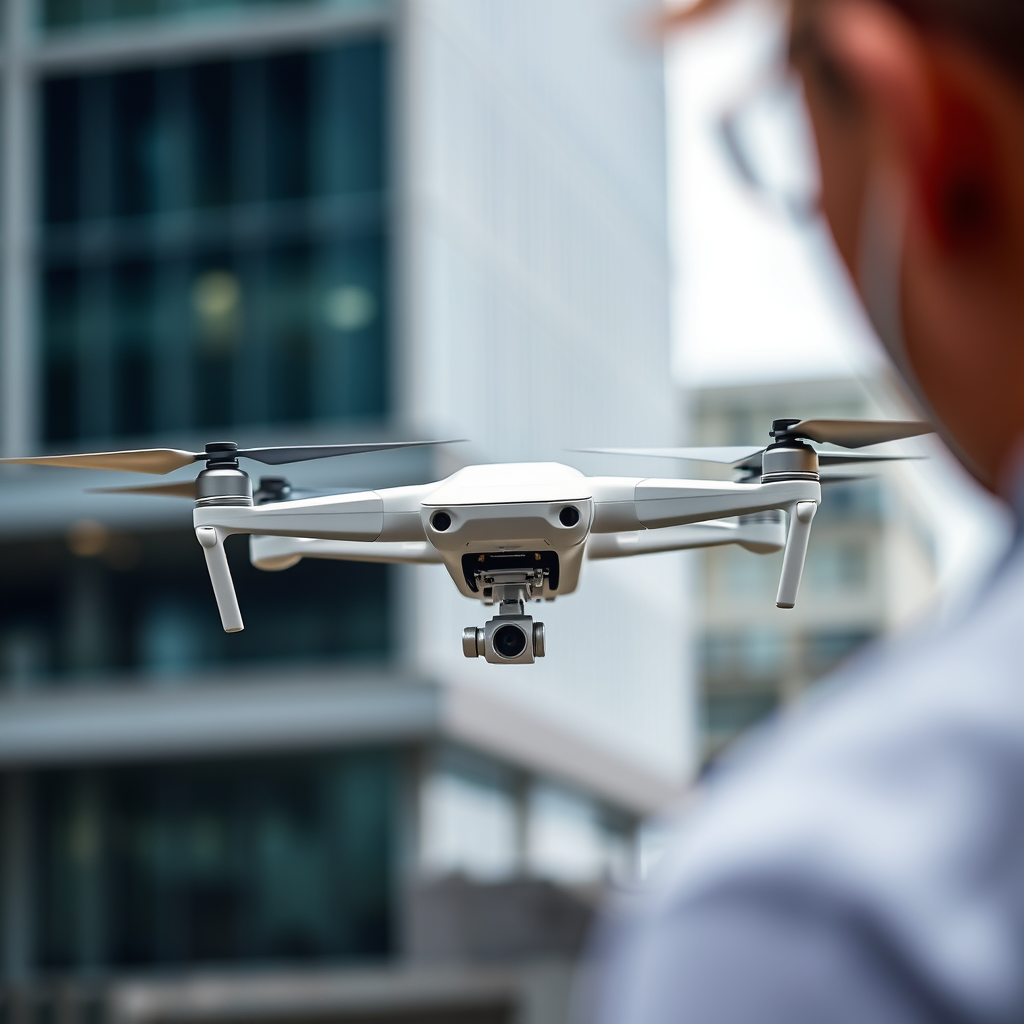
The Federal Aviation Administration (FAA) governs all airspace in the United States, including over federal property. This means that any drone operations must adhere to FAA regulations, which include rules about altitude, airspace classification, and equipment requirements. Additionally, certain laws, such as those enforced by the National Park Service (NPS), specifically restrict drone use in designated areas. For example, flying a drone in national parks is generally prohibited due to the potential for disturbing wildlife and damaging natural resources. It is crucial for drone operators to familiarize themselves with these federal regulations to ensure lawful operation.

Moreover, other federal agencies may have additional requirements. For instance, the U.S. Forest Service has its own set of rules governing drone use in national forests. Violating these regulations can lead to significant penalties, emphasizing the need for thorough research before planning a drone flight over federal property.
Types of Federal Property
Federal property encompasses a variety of locations, each with specific regulations regarding drone operation. Here are some of the most common types:
– National Parks: Drone use in national parks is generally prohibited. The NPS has a clear policy against flying drones in these areas to protect wildlife, preserve the natural landscape, and ensure the safety of park visitors. For instance, the Grand Canyon National Park and Yellowstone National Park both have strict regulations that ban drone flights entirely.
– Military Bases: Flying drones over military bases is subject to stringent regulations due to national security concerns. Unauthorized drone flights in these areas can result in severe penalties, including arrest. It is often necessary to obtain special permission from military authorities before attempting to fly in or above these restricted zones.
– Federal Buildings and Landmarks: Certain federal buildings, such as courthouses and monuments, may also have no-fly zones. For example, the area around the White House and the U.S. Capitol is highly restricted, and violations can lead to immediate law enforcement action.
Understanding the nuances of these different types of federal property is essential for any drone operator who wishes to avoid legal complications.
Required Permissions and Permits
Navigating the regulatory landscape of federal property often requires more than just compliance with FAA rules; in many cases, you may need to apply for additional permissions or permits. For instance, if you intend to fly a drone in a national park, you would typically need to apply for a Special Use Permit. This process involves submitting detailed plans about your intended flight, including the purpose, dates, and locations of the drone operation.
In addition to national parks, other federal lands may have their own permit requirements. For example, if you wish to fly a drone over federal wildlife refuges, you may need to obtain permission from the U.S. Fish and Wildlife Service. Always check local laws and regulations, as state or local authorities might impose additional requirements.
Drone operators should be proactive in researching the necessary permissions. Websites of relevant federal agencies often provide resources and applications for permits, making it easier to navigate the process.
Safety and Privacy Concerns
When flying a drone over federal property, safety and privacy should be at the forefront of every operator’s mind. Respecting the privacy of individuals and activities occurring on federal land is crucial. For instance, if you are flying in a populated area or near a federal installation, there is a heightened responsibility to avoid infringing on people’s privacy.
Moreover, adhering to the FAA’s guidelines for safe flying practices is essential to prevent accidents. This includes maintaining a safe distance from people, avoiding flying over gatherings, and ensuring that your drone remains within your line of sight. Additionally, operators must be aware of airspace restrictions, such as temporary flight restrictions (TFRs) that may be in place around federal facilities, particularly during special events or emergencies.
By prioritizing safety and privacy, drone operators can foster a positive relationship with both the public and regulatory agencies, minimizing the risk of complaints or legal actions.
Consequences of Non-Compliance
Failing to comply with federal regulations when flying a drone can lead to a range of consequences. The FAA has the authority to impose fines for unauthorized drone flights, and these fines can be substantial, sometimes reaching thousands of dollars. In addition to financial penalties, individuals may face civil liabilities or criminal charges for severe infractions, particularly if their actions endanger public safety or national security.
For example, a drone operator who flies over a military base without authorization could not only incur hefty fines but also face serious legal repercussions, including arrest and prosecution. The consequences can be even more severe if the drone flight interferes with emergency response efforts or violates restricted airspace regulations.
Understanding the potential consequences of non-compliance underscores the importance of being well-informed and adhering to all applicable laws and regulations when operating a drone over federal property.
Best Practices for Flying Drones Near Federal Property
To ensure a legal and enjoyable drone-flying experience near federal property, operators should adopt several best practices:
– Research Specific Areas: Before flying, conduct thorough research on the specific federal property you plan to operate over. Check the regulations set forth by the relevant federal agency and stay updated on any changes.
– Use Apps and Resources: Leverage technology to assist in your flight planning. Various apps provide information on airspace regulations, including no-fly zones and temporary flight restrictions. Tools like the FAA’s B4UFLY app can help you understand the airspace around you and comply with local regulations.
– Engage with Local Authorities: If you are uncertain about the legality of your flight plans, consider reaching out to local authorities or the federal agency responsible for the land. They can offer guidance and clarify any uncertainties regarding drone use in their jurisdiction.
– Maintain Safe Practices: Always fly your drone responsibly. Adhere to altitude limits, avoid flying over crowds, and maintain visual line-of-sight with your drone at all times. Following the FAA’s safety guidelines will help prevent accidents and enhance the overall flying experience.
By following these best practices, drone operators can minimize risks and enjoy a more compliant and fulfilling experience while flying near federal property.
In summary, while flying a drone over federal property is possible, it comes with a host of regulations and restrictions that must be understood and adhered to. Operators should familiarize themselves with federal regulations, types of federal property, required permissions, and the potential consequences of non-compliance. By prioritizing safety, respecting privacy, and following best practices, drone enthusiasts can ensure a lawful and enjoyable flying experience. Always remember that being informed is the first step to flying responsibly and legally.
Frequently Asked Questions
What are the regulations for flying a drone over federal property?
Flying a drone over federal property is subject to strict regulations enforced by the Federal Aviation Administration (FAA) and specific federal agencies. Generally, you must obtain permission before operating a drone in these areas to ensure safety and security. Additionally, many federal properties, such as military bases and national parks, have designated no-fly zones, making it crucial to check local regulations and first seek necessary approvals.
How do I obtain permission to fly a drone over federal property?
To obtain permission for flying a drone over federal property, you need to contact the relevant federal agency that manages the property. This often involves submitting a request that outlines your intended flight plan, purpose, and equipment details. Some agencies may have specific forms or online portals for drone operations, so it’s best to visit their official websites for detailed instructions.
Why is it illegal to fly a drone over certain federal properties?
It is illegal to fly a drone over certain federal properties primarily due to security concerns and privacy issues. Many federal sites, including military installations, government buildings, and national parks, require strict airspace control to protect sensitive operations and the safety of individuals. Violating these regulations can result in severe penalties, including fines and criminal charges.
What are the potential consequences of flying a drone over federal property without permission?
The consequences of flying a drone over federal property without permission can be quite serious. Violators may face substantial fines, confiscation of the drone, and even criminal charges, depending on the nature of the violation. Additionally, unauthorized flights could pose risks to national security, leading to further legal repercussions and a permanent ban from flying in federal airspace.
Which federal properties have specific drone restrictions or no-fly zones?
Numerous federal properties impose specific drone restrictions or have established no-fly zones, including military bases, national parks, and certain government facilities. For example, the National Park Service prohibits drone use within park boundaries, while military installations often have controlled airspace where drone flights are strictly regulated. It’s essential to check the FAA’s B4UFLY app or the specific agency’s guidelines to identify any no-fly zones before planning your drone flight.
References
- https://www.faa.gov/uas/getting_started/fly_for_fun
- https://www.faa.gov/uas/resources/policy_library
- https://www.nps.gov/articles/drone-use-in-national-parks.htm
- https://www.usgs.gov/mission-areas/land-resources/science/drones-and-remote-sensing
- https://www.wired.com/story/drone-regulations-guide/
- https://www.wired.com/story/who-can-fly-drones-over-federal-land/
- https://www.nytimes.com/2021/07/11/us/drone-federal-land.html
