

Yes, you can fly a drone over houses, but there are important regulations and guidelines to keep in mind. Understanding local laws, privacy concerns, and safety protocols is essential for responsible drone operation. As drone usage becomes increasingly popular for recreational and commercial purposes, it is imperative for operators to navigate the complex landscape of regulations and community standards. This blog post will delve into the critical aspects of flying drones over residential areas, ensuring that operators can enjoy their hobby or business while respecting the rights and safety of others.
Understanding Drone Regulations
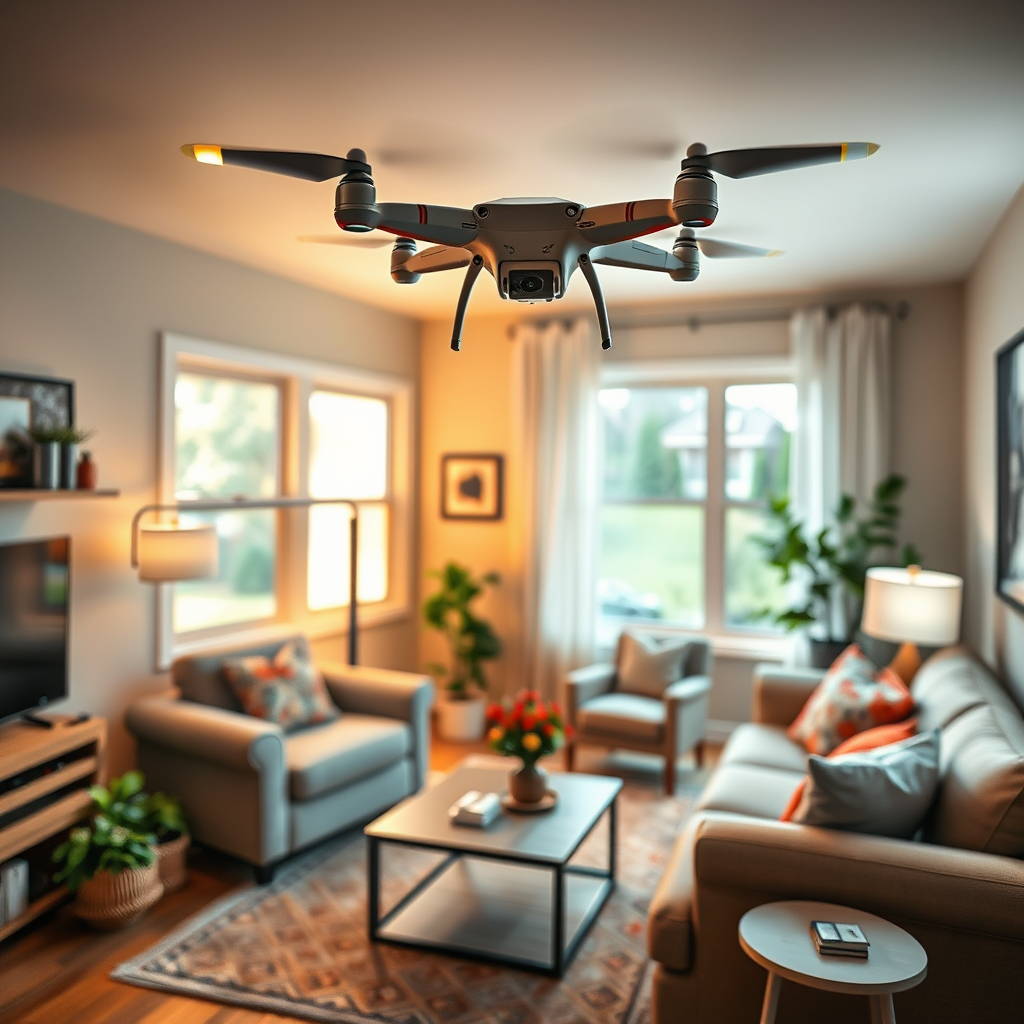
Federal Aviation Administration (FAA) guidelines dictate where drones can be flown, establishing a framework that all operators must adhere to. According to the FAA, drones must be flown at or below 400 feet in uncontrolled airspace and must remain within the visual line of sight of the operator. It’s also essential to register your drone if it weighs over 0.55 pounds. However, local regulations can vary significantly. Many states and municipalities have enacted specific laws that may restrict flying over private property or in certain residential zones. For instance, in some areas, flying over homes may require prior consent from the homeowners, while in others, it may be completely prohibited. It is crucial to research and understand both federal and local laws before taking to the skies.
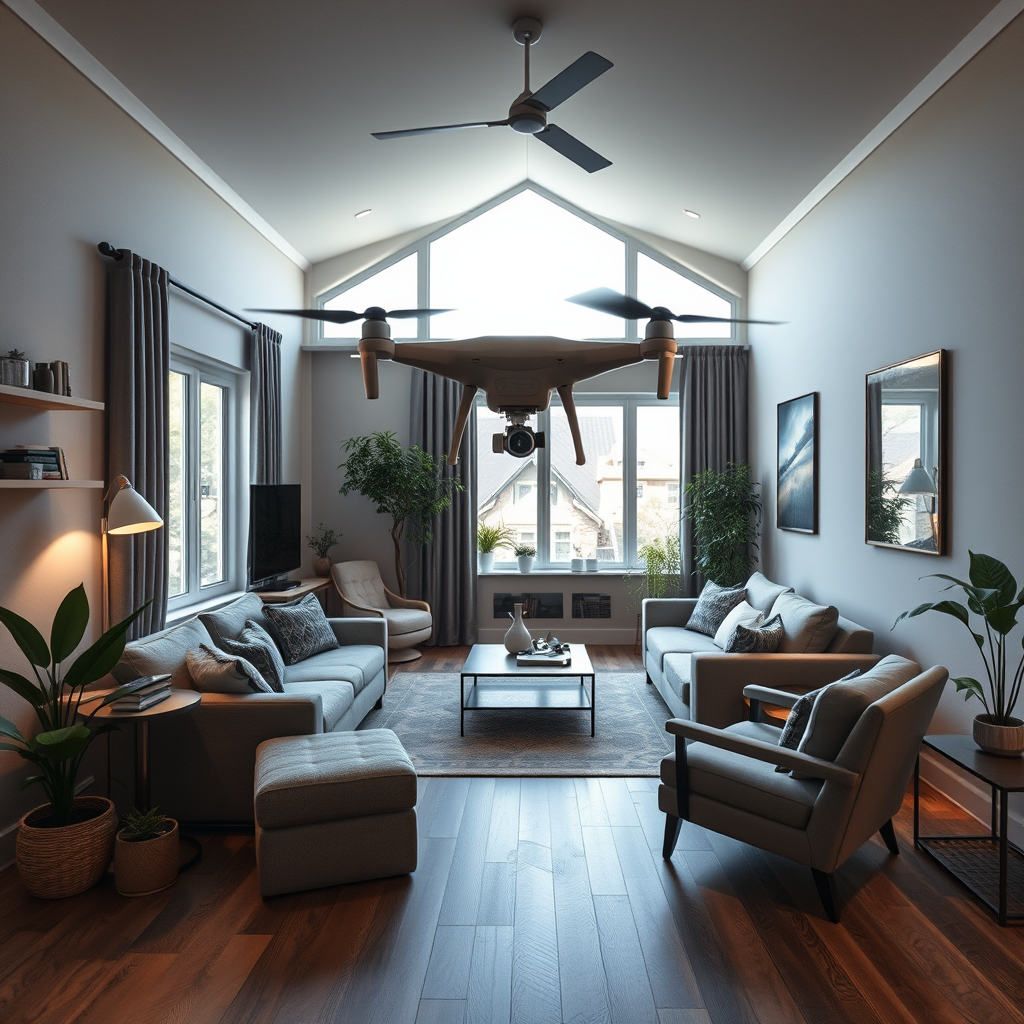
In addition to local restrictions, zoning laws may influence where you can fly. Some communities have designated drone zones or parks specifically for drone use, while others may have stricter regulations due to safety and noise concerns. Checking with local authorities or websites that track drone regulations can provide clarity and help avoid potential legal issues.
Privacy Concerns and Etiquette
Flying over houses may invade the privacy of residents, leading to potential complaints and conflicts. Drones equipped with high-resolution cameras can capture images and video that might intrude upon the personal space of individuals. To mitigate these privacy concerns, it is advisable to maintain a respectful distance from homes and avoid flying directly over private property whenever possible.
Moreover, it’s courteous to inform neighbors if you’re planning to fly in their vicinity. A simple heads-up can alleviate concerns and foster goodwill within the community. Engaging in conversations about your drone activities can help demystify the technology and its uses, building a rapport with those living nearby. Furthermore, consider the purpose of your flight; if you are using your drone for commercial photography or inspections, obtaining explicit permission from property owners can not only prevent disputes but also enhance your professional reputation.
Safety Protocols for Drone Operation
Safety is paramount when operating drones, especially in residential areas. Always maintain a visual line of sight with your drone to ensure that you can react promptly to any unexpected situations. This is not only a requirement set forth by the FAA but also a best practice to avoid collisions with obstacles such as trees, power lines, or other aircraft.
Additionally, avoid flying near crowded areas or during adverse weather conditions. High winds, rain, or fog can impair your ability to control the drone effectively and increase the risk of accidents. Always check local weather forecasts before flying and be prepared to postpone your flights if conditions are less than ideal.
Another important safety protocol is to conduct a pre-flight check. This involves inspecting the drone for any mechanical issues, ensuring that the batteries are charged, and confirming that the software is up to date. Taking these steps can significantly reduce the risk of malfunctions during flight.
No-Fly Zones and Restricted Areas
Be aware of no-fly zones, such as near airports, schools, or government buildings. The FAA has established specific areas where drone flights are strictly prohibited to ensure the safety and security of sensitive locations. For instance, flying within five miles of an airport requires notifying the airport authority and, in some cases, receiving permission.
Moreover, temporary flight restrictions (TFRs) may apply due to special events or emergencies, such as natural disasters or large public gatherings. Operators should check the FAA’s TFR database or use apps designed for drone operators that provide real-time information about airspace restrictions. Familiarizing yourself with these regulations is essential to avoid legal repercussions and ensure safe flying practices.
Best Practices for Flying Near Residential Areas
When flying near residential areas, timing and consideration are crucial. Choose appropriate times for flying to minimize disturbances to residents. Early mornings or late afternoons may be preferable, as these times often have fewer outdoor activities. Additionally, using drones equipped with noise-reducing features can limit sound pollution, making for a more considerate flying experience.
It’s also advisable to limit the duration of flights over populated areas. The longer you fly, the more likely you are to cause annoyance or distress to residents. Be respectful of their space and time, and try to maintain a low profile, especially in quiet neighborhoods.
Furthermore, consider utilizing technology that allows for safer operations, such as obstacle detection systems. These features can help prevent accidents and provide peace of mind when flying in proximity to homes and other structures.
Insurance and Liability Considerations
Consider obtaining liability insurance for your drone operations, especially if you plan to fly frequently or for commercial purposes. Liability insurance can protect you financially in the event of accidents resulting in damage to property or injury to individuals. Some drone manufacturers offer insurance packages, while independent providers also exist.
Understanding potential liabilities is critical. If your drone causes damage or injury, you could face significant legal and financial consequences. Many homeowners’ insurance policies do not cover drone-related incidents, so it’s crucial to verify what your current insurance covers and consider additional coverage if necessary.
Additionally, being aware of the risks involved in drone flying, such as equipment failure or pilot error, can help you take proactive steps to mitigate these risks. This might include taking drone operation courses to enhance your skills and knowledge.
In summary, while it is generally permissible to fly a drone over houses, adhering to regulations and being considerate of privacy and safety is crucial. Always stay informed about local laws, practice good etiquette, and prioritize safety protocols to ensure a positive experience for yourself and the community. By following these guidelines, you can enjoy the benefits of drone flying while fostering goodwill and respect among your neighbors.
Frequently Asked Questions
Can you legally fly a drone over private houses?
The legality of flying a drone over private houses varies by country and local regulations. In the United States, the Federal Aviation Administration (FAA) allows drone flights as long as the operator maintains visual line of sight and adheres to height restrictions. However, it’s important to respect the privacy of homeowners and check for any local laws that may prohibit flying over residential areas.
What are the safety considerations when flying a drone over homes?
When flying a drone over homes, safety is paramount. Operators should ensure that their drone is in good working order and avoid flying in adverse weather conditions that could affect control. Additionally, it’s crucial to maintain a safe distance from people and property to prevent accidents or damage, as well as to be mindful of noise levels that could disturb residents.
Why do some people complain about drones flying over their houses?
Complaints about drones flying over houses often stem from concerns regarding privacy invasion, noise pollution, and potential safety hazards. Homeowners may feel uncomfortable with drones capturing images or videos of their property without consent. Respecting privacy and adhering to local regulations can help mitigate these concerns and foster better relationships with the community.
What should you do if a drone is flying over your house without permission?
If you notice a drone flying over your house without permission, the first step is to try to identify the operator. Often, a polite conversation can resolve the issue. If the drone poses a safety risk or continues to violate your privacy, you can report the incident to local law enforcement or the FAA, especially if you believe it’s operating in violation of local laws or regulations.
Which drone models are best for flying over residential areas?
When selecting a drone for flying over residential areas, consider models that are known for their stability, quiet operation, and advanced safety features. Drones like the DJI Mini 2 and the Mavic Air 2 are popular choices due to their compact size, ease of use, and impressive camera capabilities, making them suitable for aerial photography while being mindful of noise and disturbance in populated areas.
References
- https://en.wikipedia.org/wiki/Drone#Regulations_and_laws
- https://www.faa.gov/uas/getting_started/
- https://www.faa.gov/uas/media/Part_107_Summary.pdf
- https://www.nytimes.com/2021/05/19/us/drone-regulations.html
- https://www.nolo.com/legal-encyclopedia/drone-law-what-you-need-know-29915.html
- https://www.theguardian.com/technology/2020/jan/16/drone-flying-laws-uk-what-you-need-to-know
- https://www.faa.gov/uas/
- https://www.wired.com/story/drone-law-faa-rules/
