
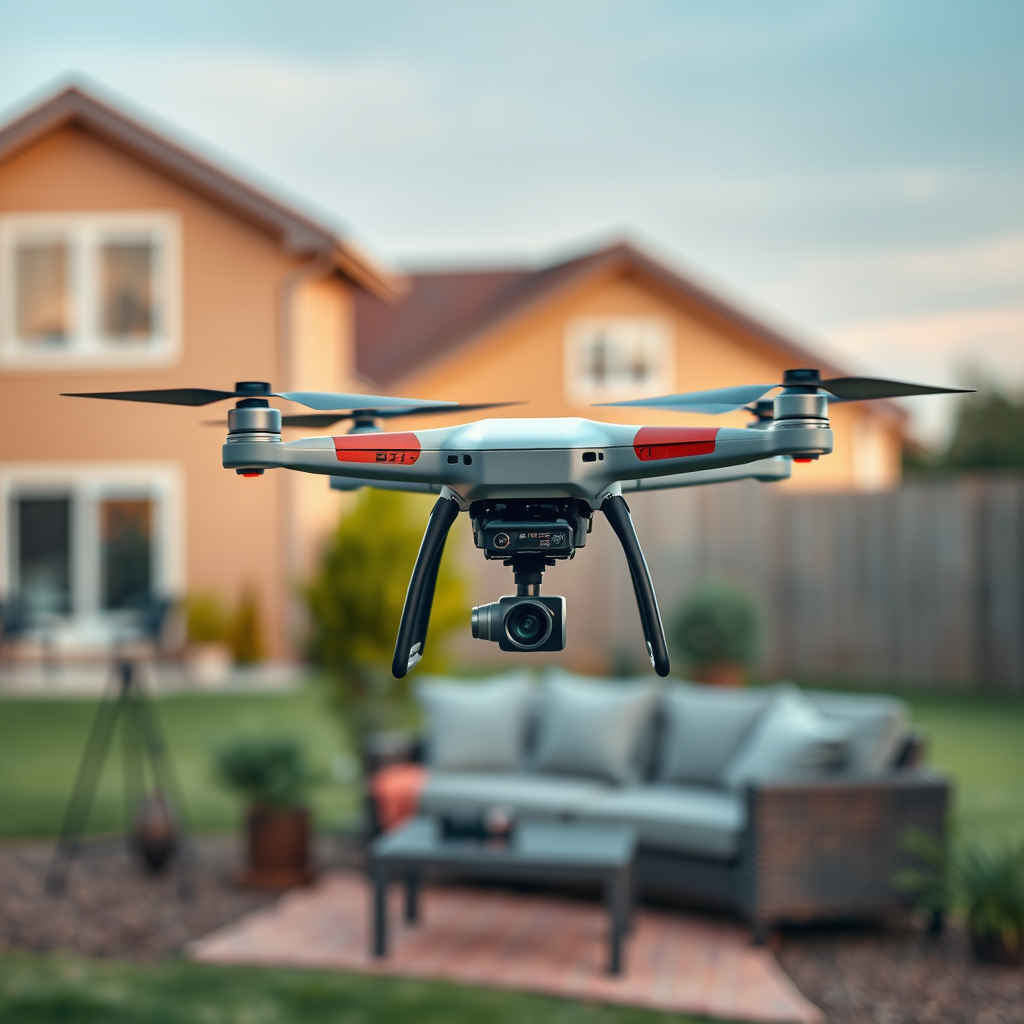
Yes, you can fly a drone over someone’s yard, but there are legal and ethical considerations to keep in mind. Understanding local regulations, respecting privacy rights, and adhering to best practices are crucial to ensure responsible drone usage. As drone technology continues to evolve, it is increasingly important for operators to be informed and conscientious to avoid potential conflicts and legal repercussions.
Understanding Drone Regulations
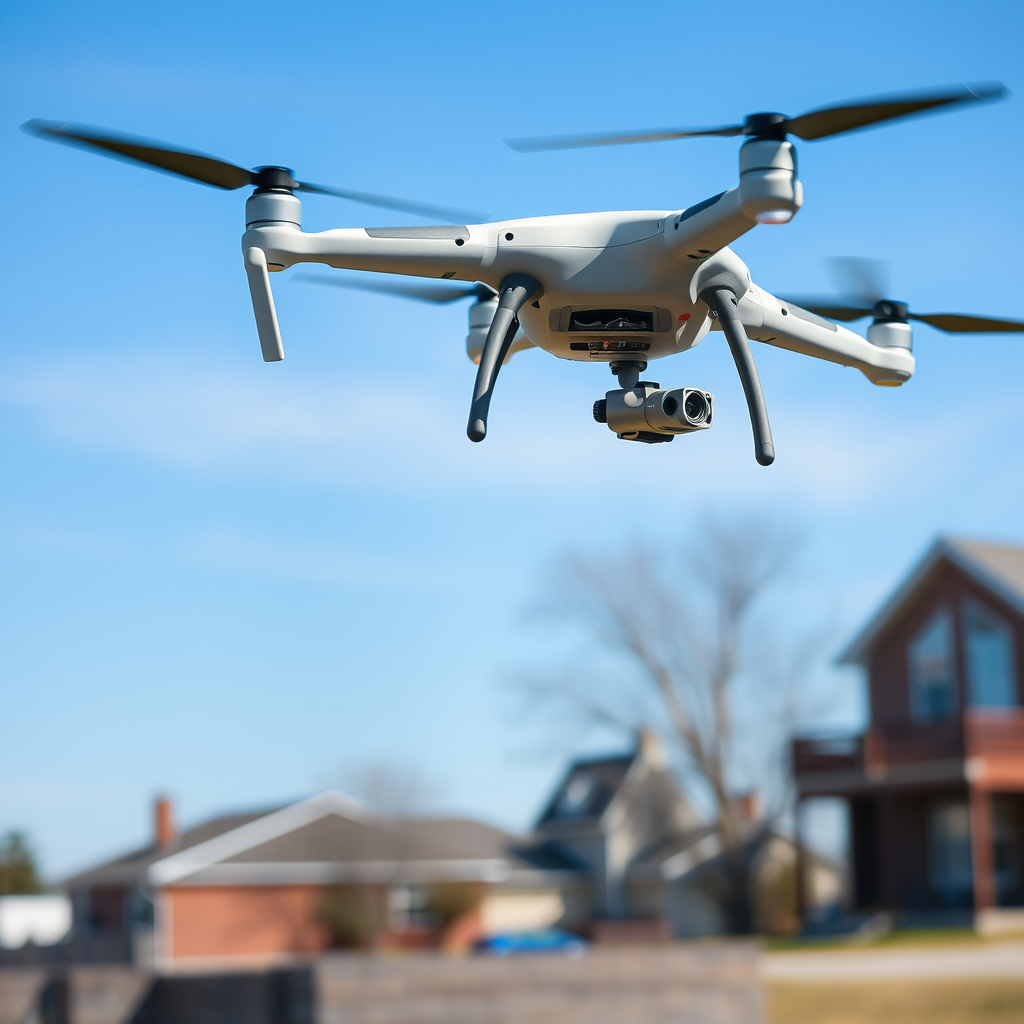
Drone regulations vary significantly across countries and states, making it vital for drone pilots to familiarize themselves with the specific laws governing their operations. In the United States, the Federal Aviation Administration (FAA) regulates commercial and recreational drone flights. According to the FAA, drone operators must adhere to guidelines such as flying below 400 feet, maintaining visual line-of-sight, and avoiding flying near airports or crowded areas.
Internationally, different countries have their own sets of rules. For instance, in the United Kingdom, the Civil Aviation Authority (CAA) has established specific regulations that include mandatory registration for drones above a certain weight and the requirement for pilots to pass an online safety test. It is essential for drone enthusiasts to research and understand these regulations, as ignorance is not a defense against penalties for violations.
Privacy Concerns
Flying a drone over someone’s property raises significant privacy concerns. Homeowners may feel uncomfortable or violated when drones hover above their yards, capturing images or videos without their consent. This intrusion can lead to conflicts or complaints, as individuals have the right to enjoy their property without unwarranted surveillance.
To illustrate, several high-profile cases have emerged where drone operators faced backlash for flying over private residences and capturing footage that was later shared online. Such actions not only raise ethical questions but can also lead to legal actions if the property owner decides to pursue charges based on invasion of privacy. Thus, understanding the implications of privacy rights is essential for responsible drone flying.
Local Ordinances and Restrictions
In addition to federal and state regulations, many local governments have enacted their own ordinances governing drone use, particularly in residential areas. These can include restrictions on flying at night, limitations on drone weight, and designated no-fly zones where drone operation is strictly prohibited.
For example, cities like Los Angeles and New York have implemented strict regulations regarding drone flights in urban areas to minimize risks to public safety and privacy. Before taking to the skies, drone operators should check their local regulations, as violations can lead to hefty fines or confiscation of the drone. Websites or apps that provide information on local airspace restrictions can be invaluable tools for drone pilots seeking to navigate these complex regulations.
Best Practices for Responsible Flying
Adhering to best practices is crucial for maintaining safety and respect while flying drones. One fundamental principle is to always maintain a line of sight with your drone; this ensures you can react swiftly to any potential hazards or obstacles. Additionally, avoiding flying directly over people or private property without explicit permission is essential for minimizing conflicts and respecting individual privacy.
Drone pilots should also be mindful of their surroundings, opting to fly in open areas where they are less likely to disturb others. Engaging with the local community, participating in drone meetups, or joining flying clubs can foster goodwill and enhance understanding among drone enthusiasts and their neighbors.
Obtaining Permission
When in doubt about whether to fly over someone’s property, it is always best to seek permission from the property owner. This simple act can go a long way in preventing misunderstandings and conflicts. A respectful request can build goodwill and may even encourage the property owner to share their own experiences or concerns regarding drone use.
For instance, if you are a drone enthusiast and have a neighbor who enjoys photography, you might suggest collaborating on a project together. Not only does this foster positive relationships, but it also demonstrates respect for their privacy and property. Open communication can often mitigate potential issues before they arise.
Consequences of Violating Drone Laws
The consequences for violating drone regulations can be severe and may include fines, legal action, or the suspension of your flying privileges. The FAA has established a framework for enforcement, which can result in penalties ranging from a few hundred dollars to tens of thousands, depending on the severity of the violation and whether it resulted in harm or property damage.
Moreover, repeated offenses can lead to criminal charges, which may include a permanent ban on flying drones. It is essential for drone pilots to educate themselves about the laws and consequences of their actions to avoid these pitfalls. Taking the time to understand your rights and responsibilities as a drone operator is crucial for maintaining safety and legality.
Resources for Drone Pilots
To stay informed about drone regulations, local ordinances, and best practices, aspiring and current drone pilots should utilize various online platforms and forums dedicated to drone enthusiasts. Websites like the FAA’s official page, DroneDJ, and community forums can provide valuable insights into recent developments in drone laws and technology.
Additionally, considering enrolling in a drone safety course or workshop can enhance your understanding of proper flying techniques and legal compliance. Many organizations offer certification programs that not only equip you with knowledge but can also serve as proof of your commitment to responsible drone operation.
In conclusion, while flying a drone over someone’s yard is permissible under certain conditions, it is essential to navigate the legal landscape and respect privacy rights. By understanding drone regulations, being mindful of local ordinances, and practicing responsible flying, drone pilots can ensure a positive experience for themselves and those around them. Staying informed and cultivating good relationships with neighbors will not only enhance your flying experience but will also contribute to a harmonious coexistence in the community.
Frequently Asked Questions
What are the laws regarding flying a drone over someone’s yard?
The laws for flying a drone over someone’s yard can vary significantly depending on your location. In the United States, the Federal Aviation Administration (FAA) regulates airspace, but local laws may also apply. Generally, flying a drone over private property is legal as long as it remains in public airspace; however, it’s advisable to respect the privacy of individuals and check local ordinances to avoid potential legal issues.
How can I avoid conflicts when flying a drone near someone’s property?
To avoid conflicts when flying a drone near someone’s property, it’s best to communicate with your neighbors beforehand. Let them know your intentions and the purpose of your flight, which can help mitigate any concerns. Additionally, flying at a reasonable altitude and maintaining a safe distance from homes can reduce the likelihood of complaints, ensuring a more harmonious experience for everyone involved.
Why is it important to respect privacy when flying a drone over residential areas?
Respecting privacy when flying a drone over residential areas is crucial to maintaining trust and good relationships with your neighbors. Drones are equipped with cameras that can inadvertently invade personal space, leading to feelings of discomfort or suspicion. Observing privacy not only helps you avoid potential legal repercussions but also promotes responsible drone usage within your community, fostering a positive environment for all.
What are the best practices for flying a drone in urban neighborhoods?
The best practices for flying a drone in urban neighborhoods include being aware of your surroundings, adhering to local regulations, and maintaining a respectful distance from private properties. Always check for any no-fly zones, such as near airports or sensitive sites, and consider flying during times when fewer people are outside to minimize disruption. Additionally, using a drone with built-in geofencing capabilities can help prevent accidental violations of airspace restrictions.
Which drone flying apps can help me understand airspace regulations?
Several drone flying apps can help you understand airspace regulations, including DJI Fly, Airmap, and Skyward. These applications often provide real-time information about no-fly zones, local laws, and airspace classifications, allowing drone operators to make informed decisions before taking flight. Utilizing these tools can enhance your flying experience and ensure compliance with both federal and local regulations, ultimately promoting safer drone operations.
References
- https://en.wikipedia.org/wiki/Drone#Regulation
- https://www.faa.gov/uas/getting_started/part_107
- https://www.nolo.com/legal-encyclopedia/drone-law-overview-29780.html
- https://www.nytimes.com/2021/04/20/business/drone-laws.html
- https://www.reuters.com/business/aerial-drones-privacy-what-you-should-know-2022-09-01/
- https://www.nbcnews.com/news/us-news/drone-flying-privacy-laws-rcna25755
- https://www.privacyrights.org/resources/drones-and-privacy-rights
- https://www.abcnews.go.com/US/flying-drones-neighbors-yard-legal/story?id=79071163
