

Yes, you can fly DJI drones in the U.S., but there are specific regulations and guidelines you must follow. Understanding these rules is essential for safe and legal drone operation, ensuring not only compliance with the law but also the safety of people and property around you. As drone technology continues to evolve, so do the regulations governing their use, which is why staying informed is crucial for any drone pilot.
Understanding FAA Regulations
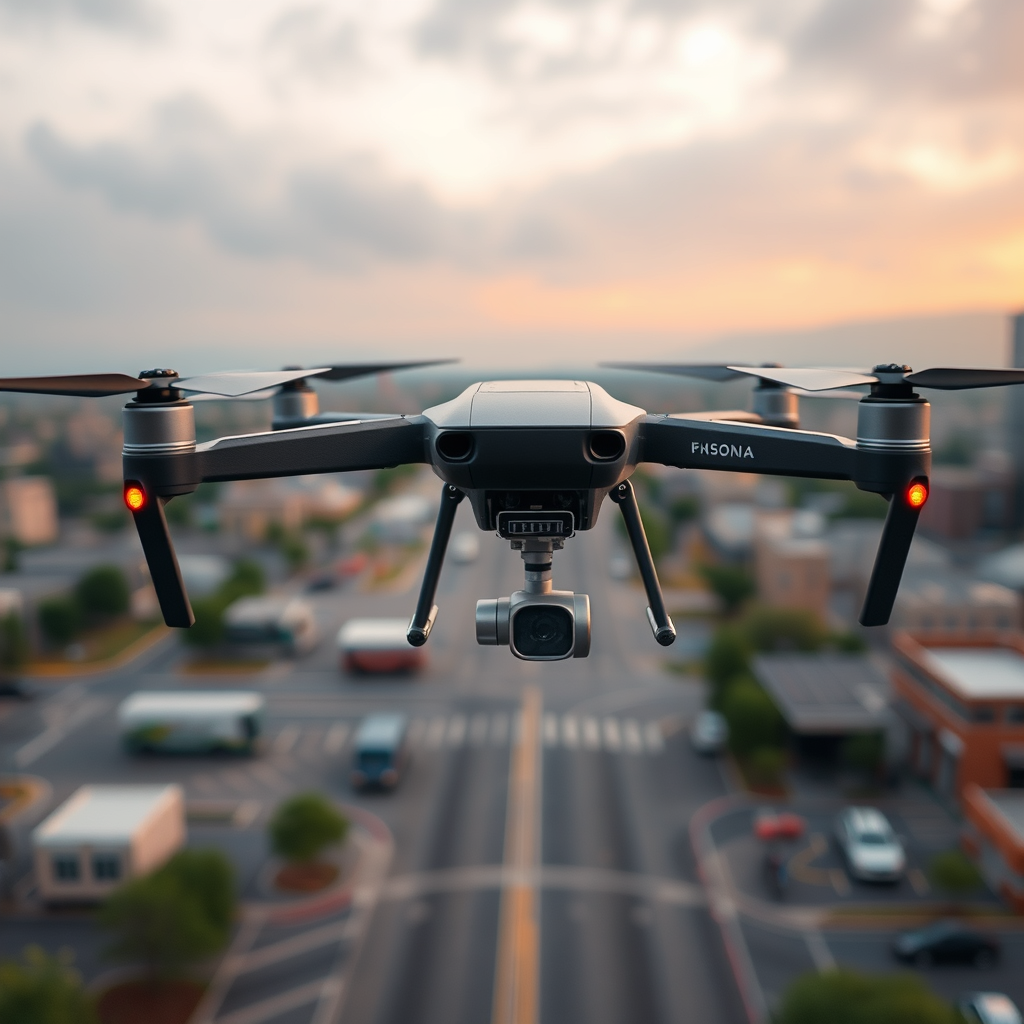
The Federal Aviation Administration (FAA) governs all drone operations in the U.S. This agency is responsible for ensuring that the skies remain safe and that drone pilots operate within defined parameters. One of the most significant regulations is that all drone pilots must register their DJI drones if they weigh over 0.55 pounds (approximately 250 grams). Registration is a straightforward process that can be completed online and requires the pilot to provide basic information about themselves and their drone. Once registered, the drone is assigned a unique identification number that must be displayed on the aircraft.
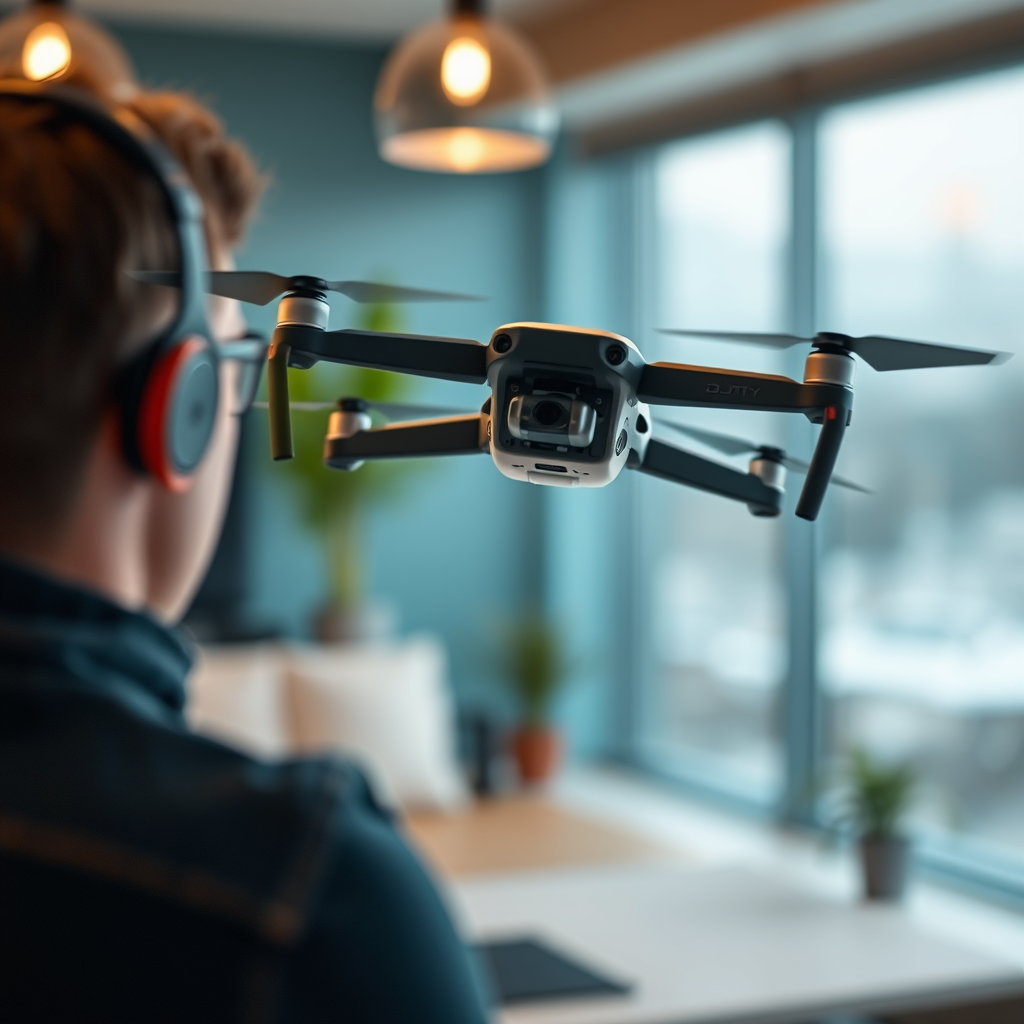
Additionally, the FAA has established guidelines that govern where and how drones can be flown. For example, drones must be flown below 400 feet and within the visual line of sight of the pilot. These regulations are designed to minimize the risk of accidents and ensure that drone operations do not interfere with manned aircraft. Understanding these foundational rules is the first step in becoming a responsible drone operator.
Drone Pilot Certification
The certification requirements for drone pilots in the U.S. differ based on whether the pilot is flying for recreational or commercial purposes. Recreational pilots must adhere to the “Trust” program, which mandates that they pass an online safety test and agree to follow the established safety guidelines. This program is intended to educate hobbyists about the safe operation of drones and the legal boundaries they must respect.
On the other hand, commercial pilots must obtain a Part 107 certification from the FAA. This certification requires passing a rigorous knowledge test that covers various topics, including airspace classification, weather, and drone operation regulations. The Part 107 certification is crucial for anyone who intends to use drones for business purposes, such as aerial photography, surveying, or delivery services. This level of training ensures that commercial pilots possess the necessary knowledge to operate drones safely and effectively in a variety of environments.
Restricted Airspace Awareness
An essential aspect of flying DJI drones legally is being aware of restricted airspace. Certain areas, such as airports, military installations, and national parks, have strict no-fly zones to protect both air traffic and sensitive locations. Violating these restrictions can lead to severe penalties, including fines and loss of flying privileges.
To navigate these complexities, drone pilots should utilize tools like the FAA’s B4UFLY app, which provides real-time information about airspace restrictions and potential hazards. This app allows pilots to check whether the area they plan to fly in is legal and safe, offering an interactive map, alerts about temporary flight restrictions, and guidance on local regulations. Taking the time to understand and comply with airspace rules not only ensures legal operation but also enhances safety for all airspace users.
Local Laws and Regulations
While the FAA sets the overarching regulations for drone operations, individual states and municipalities often impose additional laws that pilots must adhere to. For instance, some states have laws concerning drone use for hunting or surveillance, while others may have specific rules about flying over private property.
Pilots should always check local regulations before taking to the skies. This could involve researching state laws, consulting local authorities, or joining community forums where drone enthusiasts share information about regional rules. Compliance with local regulations is essential to avoid legal issues and maintain a good relationship with the communities in which you fly.
Insurance and Liability Considerations
Though drone insurance is not mandated by law, it is a prudent consideration for any drone pilot. Insurance can protect you from potential liability and damages that could arise from accidents or mishaps. For instance, if your drone accidentally crashes into someone’s property or injures a person, liability coverage can help cover the costs associated with claims or repairs.
When considering insurance options, pilots should evaluate policies that cover damage to the drone itself, third-party liability, and personal injury. Some companies offer specialized drone insurance that caters to both recreational and commercial pilots, allowing you to choose a plan that fits your needs. Investing in drone insurance is not only a smart financial decision but also a responsible step in safeguarding your investment and ensuring peace of mind while flying.
Best Practices for Safe Operation
To promote safe drone operation, pilots should adhere to best practices that enhance both safety and compliance with regulations. One of the fundamental practices is to maintain a visual line of sight with your drone at all times. This ensures that you can monitor its flight path and respond quickly to any potential hazards.
Moreover, pilots should avoid flying over crowds and respect the privacy of others. Not only does this practice help prevent accidents, but it also fosters goodwill within the community and complies with privacy laws. Additionally, before each flight, it is advisable to conduct a pre-flight check of the drone to ensure that it is in good working order, including checking battery levels, firmware updates, and ensuring that all components are functioning properly.
Furthermore, pilots should be mindful of weather conditions, avoiding flights in high winds, rain, or poor visibility, as these factors can significantly impact flight safety.
In conclusion, flying DJI drones in the U.S. is entirely possible, provided you adhere to FAA regulations and local laws. Understanding registration requirements, certification processes, airspace restrictions, and insurance options is crucial for responsible drone operation. By staying informed and prepared, you can ensure a safe and enjoyable flying experience while contributing positively to the growing community of drone enthusiasts.
Frequently Asked Questions
What are the legal requirements for flying DJI drones in the US?
To fly DJI drones in the US, you must comply with the regulations set by the Federal Aviation Administration (FAA). This includes registering your drone if it weighs more than 0.55 pounds, obtaining a Remote Pilot Certificate if you plan to use it for commercial purposes, and adhering to airspace restrictions and altitude limits. Additionally, you should always fly your drone within visual line of sight, avoid flying over people, and respect privacy laws.
How do I obtain a Remote Pilot Certificate to fly DJI drones for commercial use in the US?
To obtain a Remote Pilot Certificate for flying DJI drones commercially in the US, you need to pass the FAA’s Part 107 knowledge test. This exam covers topics such as airspace rules, weather, and drone operations. You can prepare by studying the FAA’s Remote Pilot Study Guide and taking practice exams. Once you pass the test, you can apply for the certificate through the FAA’s Integrated Airman Certification and Rating Application (IACRA) system.
Why can’t I fly my DJI drone in certain areas of the US?
There are several restricted areas in the US where flying DJI drones is prohibited or limited, primarily for safety and security reasons. These include airports, military bases, national parks, and areas near emergency response situations. The FAA designates these no-fly zones to protect manned aircraft and sensitive locations, so it’s essential to check the airspace status using tools like the FAA’s B4UFLY app or other drone mapping resources before flying.
What are the best practices for flying DJI drones safely in the US?
To fly DJI drones safely in the US, follow best practices such as conducting a pre-flight check of your equipment, ensuring your drone is fully charged, and checking the weather conditions before takeoff. Always maintain visual line of sight with your drone, avoid flying near people or vehicles, and respect local regulations and privacy laws. Additionally, consider joining a local drone community or organization for sharing knowledge and tips on safe flying.
Which DJI drone models are best suited for beginners flying in the US?
For beginners looking to fly DJI drones in the US, models like the DJI Mini SE and DJI Mini 2 are highly recommended due to their user-friendly features and lightweight design. These drones are easy to operate, have built-in safety features like GPS and Return-to-Home, and provide excellent camera quality for aerial photography. Additionally, both models fall under the 0.55-pound weight limit, making them less cumbersome regarding registration requirements with the FAA.
References
- https://www.faa.gov/uas/getting_started/
- https://www.faa.gov/uas/
- https://www.nps.gov/articles/drone-regulations-in-national-parks.htm
- https://www.wired.com/story/faa-drone-regulations/
- https://www.reuters.com/technology/us-faa-drone-rules-2021-01-15/
- https://www.theguardian.com/technology/2021/jan/15/faa-drone-rules-2021
- https://www.dronecertified.com/drone-laws-in-the-united-states/
- https://www.nationalgeographic.com/science/article/drone-regulations-in-the-us
