
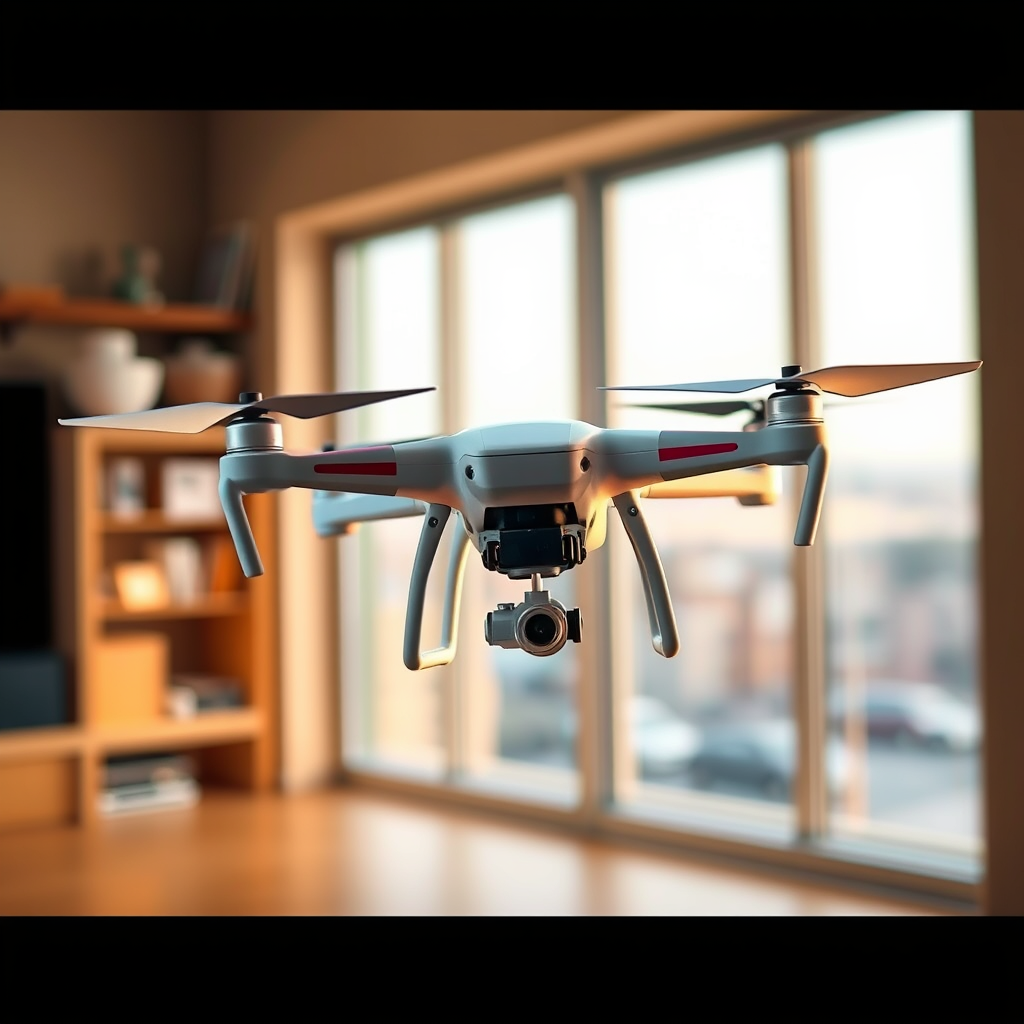
Yes, you can fly drones, but there are important regulations and considerations to be aware of before taking to the skies. This guide will provide you with the essential information you need to get started safely and legally, ensuring you enjoy the experience while complying with all necessary laws.
Understanding Drone Types and Uses
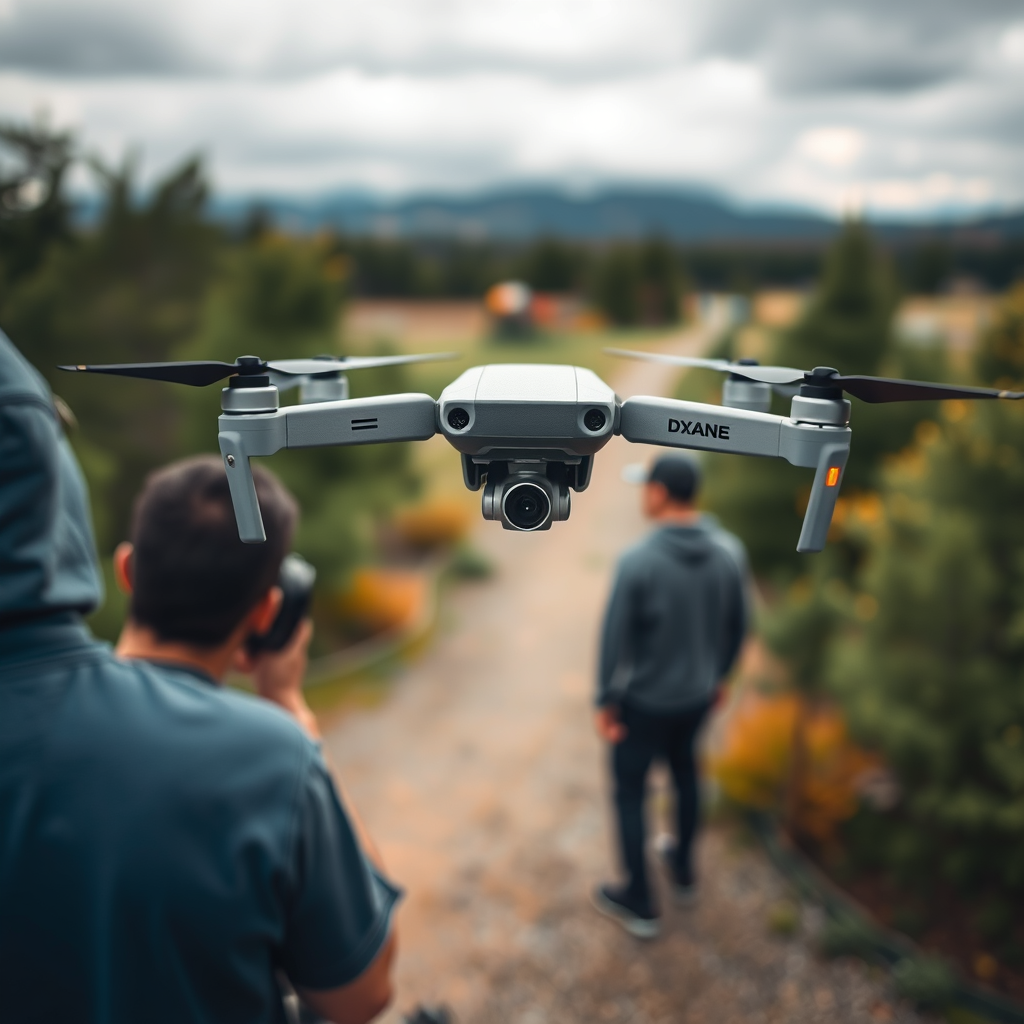
Drones are versatile devices that come in various types tailored for distinct purposes. The primary categories include recreational drones, commercial drones, and racing drones. Recreational drones are often user-friendly and designed for leisure flying and photography. Commercial drones, on the other hand, are utilized in industries such as agriculture, real estate, and surveying, often equipped with advanced sensors and cameras for professional-grade output. Racing drones, characterized by their speed and agility, cater to a niche market of drone racing enthusiasts who seek adrenaline-fueled competition.
Common uses of drones extend beyond mere hobbyism. Photographers and videographers leverage drones to capture stunning aerial shots that were once the domain of helicopters. In agriculture, drones assist in crop monitoring and precision farming, allowing farmers to assess land health and optimize resources. Delivery services are also beginning to emerge, with companies like Amazon exploring drone technology to expedite package deliveries. Understanding these types and uses will help you determine the perfect drone for your needs.
Legal Considerations for Flying Drones
Flying drones comes with a host of legal responsibilities. The Federal Aviation Administration (FAA) regulates all aspects of civil aviation in the United States, including drone operations. All drones weighing over 0.55 pounds must be registered with the FAA, which requires a nominal fee and is valid for three years. Registration not only helps in tracking drone owners but also promotes responsible flying.
Furthermore, understanding airspace classifications is vital for safe drone operation. There are several categories, including Class G (uncontrolled airspace), Class B, C, D, and E (controlled airspace), each with specific regulations. For instance, flying in controlled airspace, particularly near airports, typically requires prior authorization from the FAA. Familiarizing yourself with resources like the FAA’s B4UFLY app can help you navigate these restrictions effectively.
Safety Guidelines for Flying Drones
Safety should always be a priority when flying drones. Before each flight, conduct thorough pre-flight checks to ensure your drone is in good working order. This includes checking battery levels, inspecting propellers for damage, and confirming that all firmware is up-to-date. A checklist approach can help streamline this process and prevent mishaps.
When it comes to the flying environment, choose open areas away from crowds, buildings, and restricted airspace. Avoid flying near wildlife, as drones can disturb natural habitats. Additionally, be aware of weather conditions; high winds, rain, and low visibility can significantly impact flight safety. Developing a habit of assessing these factors will ensure a safer flying experience.
Choosing the Right Drone for You
Selecting the right drone hinges on several factors including budget, features, and intended use. For beginners, it’s wise to start with a drone that is affordable yet capable. Popular options include the DJI Mini SE and the Holy Stone HS720, both of which offer excellent camera quality, stable flight performance, and user-friendly interfaces.
Consider features like battery life, camera resolution, and flight range when making your choice. If aerial photography is your goal, prioritize drones with high-quality cameras and stabilization features. For those interested in racing, look for models that offer speed and maneuverability. Ultimately, your intended use will guide your decision-making process.
How to Get Started with Flying Drones
Getting started with drone flying is an exciting venture. First, unbox your drone and read the manual thoroughly—this step is critical as it familiarizes you with the specific functionalities and controls of your model. Afterward, charge the battery and ensure all components are assembled correctly.
Begin practicing basic flight techniques in a spacious, obstacle-free area. Familiarize yourself with controls such as takeoff, landing, and directional movements. Many drones come with beginner modes that limit speed and altitude, making it easier for new pilots to gain confidence. Consider joining a local flying club or community, where you can learn from experienced pilots and share tips.
Resources for Drone Pilots
There is a wealth of resources available for budding drone pilots. Online communities and forums, such as the Drone Pilots Community on Facebook and the DJI Forum, provide platforms for sharing experiences, troubleshooting issues, and exchanging tips. Engaging with fellow enthusiasts can enhance your knowledge and make your journey more enjoyable.
Additionally, various apps are available to assist with flight planning and monitoring weather conditions. Apps like AirMap and UAV Forecast can provide real-time information on airspace regulations and weather forecasts, helping you make informed decisions about your flights. Utilizing these resources can greatly enhance your flying experience.
Maintaining Your Drone
Routine maintenance is essential for ensuring the longevity and performance of your drone. Regularly inspect and clean the propellers, check for any signs of wear or damage, and keep the drone’s sensors free from debris. Storing your drone in a protective case when not in use can also prevent accidental damage.
Pay attention to performance indicators such as battery life and flight stability. If you notice a significant decrease in battery performance or erratic flying behavior, it may be time for repairs or upgrades. Keeping your drone in peak condition will not only enhance your flying experience but also extend the life of your investment.
In conclusion, flying drones can be an exciting hobby or profession, but it’s crucial to stay informed about regulations, safety, and maintenance. By following this guide, you’ll be well on your way to enjoying your drone flying experience responsibly. Embrace the journey, explore the skies, and remember to fly safely!
Frequently Asked Questions
What are the legal requirements for flying drones in the United States?
In the United States, drone operators must adhere to the Federal Aviation Administration (FAA) regulations. This includes registering your drone if it weighs over 0.55 pounds, obtaining a Remote Pilot Certificate if you plan to fly for commercial purposes, and following specific guidelines such as flying below 400 feet, keeping the drone within visual line of sight, and avoiding restricted airspace. It’s essential to check local laws as well, as some states and municipalities have additional regulations.
How can I ensure safe drone flying practices?
To ensure safe drone flying practices, always conduct a pre-flight check, including battery levels, controls, and environmental conditions. Familiarize yourself with your drone’s features and limitations, and practice flying in open, unpopulated areas before attempting complex maneuvers. Additionally, respect no-fly zones, maintain a safe distance from people and buildings, and be aware of weather conditions that could affect flight safety.
Why is it important to register my drone?
Registering your drone is crucial for compliance with FAA regulations, which helps maintain safety in the national airspace system. Registration provides accountability, as it links the drone to its owner, which can be vital if the drone is lost or causes an incident. Moreover, flying an unregistered drone can result in fines and penalties, so ensuring your drone is registered not only keeps you legal but also contributes to overall aviation safety.
What are the best drones for beginners?
The best drones for beginners are typically those that are user-friendly, durable, and affordable. Popular choices include the DJI Mini SE, which offers great camera quality and stability, and the Holy Stone HS720, known for its ease of use and GPS capabilities. Look for drones that have features like altitude hold, one-key takeoff, and built-in tutorials to help novice pilots gain confidence and skills.
Which drone flying apps can help improve my piloting skills?
Several drone flying apps can enhance your piloting skills and overall flying experience. Apps like DJI Fly, which provides tutorials and flight modes, and DroneDeploy, which offers mapping and analysis tools, are excellent for beginners and professionals alike. Additionally, simulators like the DRL Simulator can help you practice flying in a safe, virtual environment, allowing you to refine your skills without the risk of crashing.
References
- https://en.wikipedia.org/wiki/Drone
- https://www.faa.gov/uas/
- https://www.nytimes.com/2021/04/07/us/drone-regulations.html
- https://www.nasa.gov/uas
- https://www.nps.gov/articles/drone-use-in-national-parks.htm
- https://www.theguardian.com/technology/2019/jul/10/faa-drone-regulations-2019
- https://www.ncbi.nlm.nih.gov/pmc/articles/PMC7431225/
- https://www.wired.com/story/faa-drone-rules-2021/
- https://www.aa.com.tr/en/technology/faa-issues-new-drone-regulations/2139527
