
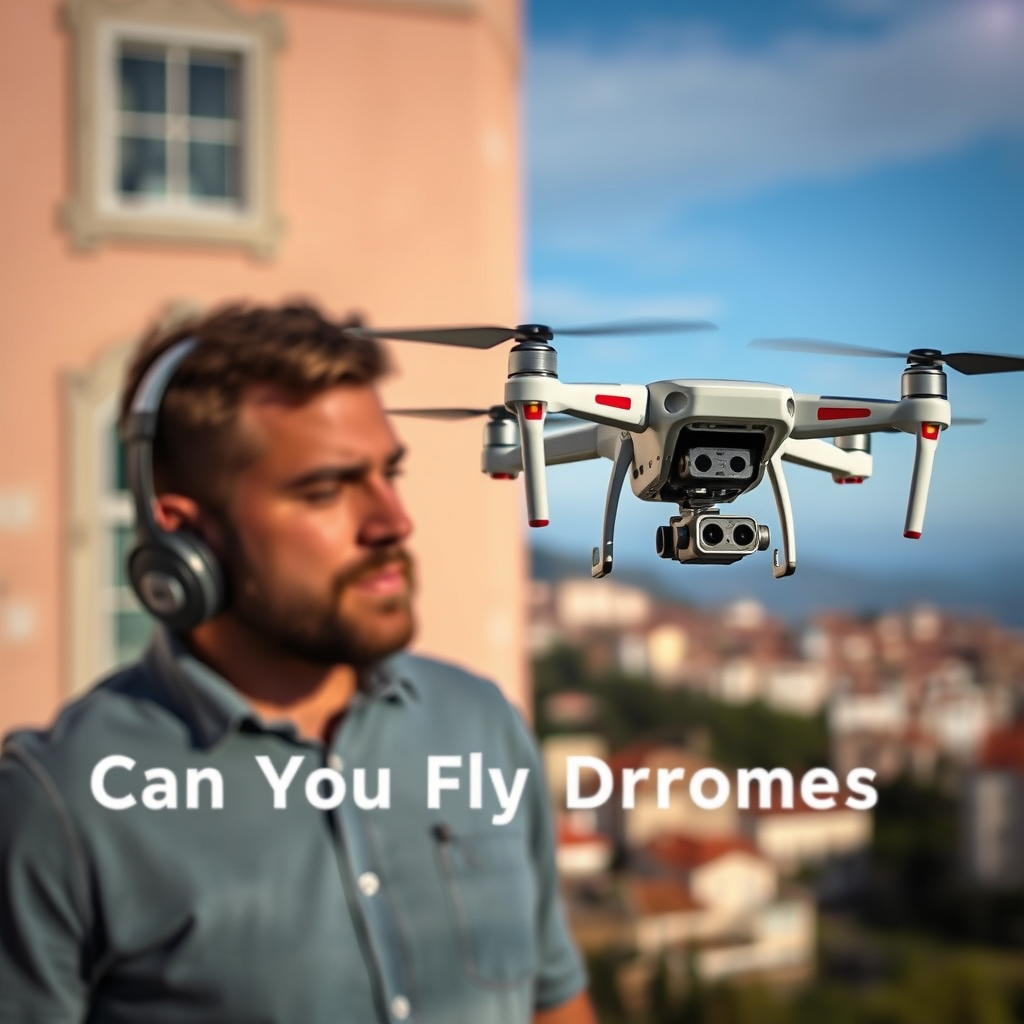
Yes, you can fly drones in Portugal, but there are specific regulations and guidelines that you must follow. Understanding these rules will not only enhance your flying experience but also ensure that you remain compliant with local laws and safety standards. With a growing number of drone enthusiasts and commercial operators in the country, it’s crucial to familiarize yourself with the legal framework governing drone use to enjoy your activities without legal repercussions.
Overview of Drone Regulations in Portugal
In Portugal, drone flying is regulated by the National Civil Aviation Authority (ANAC), which mandates that all drones must be registered. The registration process involves providing details about the drone and the pilot, ensuring that authorities can track drone activities for safety and regulatory compliance. Furthermore, pilots are required to possess a valid pilot’s license, depending on the category and weight of the drone they intend to operate. This regulation ensures that only qualified individuals are flying drones, reducing the risk of accidents and misuse.
For recreational drone operators flying drones weighing less than 250 grams, a simple online registration is sufficient. However, for those operating heavier drones or engaging in commercial activities, obtaining a proper pilot’s license is essential, which may involve passing a theoretical and practical exam. It’s advisable to check the ANAC website for the latest updates on regulations, as they can change to reflect evolving safety concerns and technological advancements.
Categories of Drone Use
Drone regulations in Portugal can be categorized based on the purpose of flying and the weight of the drone. There are two primary classifications: recreational flying and commercial flying. Recreational users enjoy more lenient regulations, provided they adhere to basic safety guidelines. In contrast, commercial operators face stricter oversight, requiring licensure and adherence to specific operational protocols to ensure public safety and privacy.
Additionally, regulations vary by weight classifications:
– Drones under 250 grams: These are subject to minimal regulations, requiring only basic registration. They are ideal for hobbyists and beginners.
– Drones between 250 grams and 25 kilograms: Pilots must register their drones and obtain a license, particularly if they intend to use them for commercial purposes.
– Drones over 25 kilograms: These require a more comprehensive licensing process, including advanced training to operate safely.
Understanding these distinctions is crucial for drone pilots to ensure compliance with the law, as violations can lead to significant penalties.
No-Fly Zones and Restrictions
Portugal has designated no-fly zones where drone operations are strictly prohibited. These include areas near airports, military installations, and urban environments. For instance, flying near Lisbon’s Humberto Delgado Airport is highly restricted due to the potential risks posed to commercial air traffic. Additionally, many historic sites and tourist attractions have local restrictions to protect the privacy and enjoyment of visitors.
Before taking flight, it is imperative to consult local maps and resources, such as the ANAC’s dedicated drone map, to identify any no-fly zones in your intended flight area. Failing to adhere to these restrictions can result in severe penalties, including fines and confiscation of equipment. Awareness of your surroundings and the legal landscape is essential for responsible drone operation in Portugal.
Safety Guidelines for Flying Drones
Safety should always be a top priority for drone operators. One of the fundamental guidelines is maintaining a visual line of sight with your drone at all times. This practice allows you to monitor the drone’s position and avoid obstacles, ensuring a safer flying experience. Additionally, flying over crowds is strictly prohibited to minimize the risk of accidents and injuries.
Respecting the privacy of individuals is also crucial. Drone pilots should avoid capturing images or videos of people without their consent, as this can lead to legal disputes and violations of privacy laws. Using drones responsibly not only protects the operator but also upholds the rights of others, fostering a positive image of drone flying in the community.
Insurance and Liability
While flying drones can be an exhilarating experience, it also comes with inherent risks. Obtaining insurance for your drone is highly recommended to cover potential damages or accidents. Insurance policies can vary widely, so it is important to select a plan that best suits your flying habits and the type of drone you operate.
Moreover, understanding your liability is essential. In the event of an accident that causes damage to property or personal injury, you may be held legally responsible. Insurance can provide a safety net, but being informed about local laws and regulations concerning liability will further protect you as a drone pilot.
Tips for Responsible Drone Flying
To enhance your drone flying experience in Portugal, consider a few key tips for responsible operation. Firstly, familiarize yourself with local weather conditions before heading out. Weather can significantly affect drone performance, so flying in calm, clear conditions is ideal.
Additionally, joining local drone flying communities can provide invaluable support and insights into the latest regulations and best practices. These communities often share experiences, tips, and even host events that can help you improve your skills. Staying informed and connected with other drone enthusiasts can enrich your flying experience and ensure compliance with local laws.
In conclusion, flying drones in Portugal is indeed possible, but it requires adherence to specific regulations set forth by the authorities. By understanding the categories of drone use, recognizing no-fly zones, following safety guidelines, considering insurance options, and engaging with the drone community, you can enjoy a safe and fulfilling aerial experience. Always stay informed and fly responsibly to ensure that your passion for drone flying remains enjoyable and legally compliant.
Frequently Asked Questions
Can you fly drones in Portugal without a license?
In Portugal, flying drones is regulated by the National Civil Aviation Authority (ANAC). If your drone weighs more than 250 grams, you must register it and obtain a license. For recreational use, a basic knowledge test is required, while commercial drone operations necessitate a specific drone pilot license. Always check local regulations to ensure compliance before flying.
What are the restrictions for flying drones in Portugal?
In Portugal, there are several restrictions for drone flying to ensure safety and privacy. Drones cannot be flown near airports, over crowds, or in controlled airspace without proper authorization. Additionally, you must maintain visual line of sight with your drone at all times and respect no-fly zones, including national parks and urban areas. It’s essential to stay informed about local laws to avoid penalties.
How do I register my drone in Portugal?
To register your drone in Portugal, visit the ANAC website and complete the registration process, which includes providing details about your drone, such as its weight and purpose of use. You will also need to pay a registration fee. After registering, ensure you keep your drone’s identification number visible on the device while flying.
Why is it important to follow drone regulations in Portugal?
Following drone regulations in Portugal is crucial for ensuring safety, protecting privacy, and avoiding legal consequences. Non-compliance can result in hefty fines, confiscation of equipment, or even criminal charges in severe cases. By adhering to the rules, drone operators contribute to a safer airspace and a more positive public perception of drone usage.
What is the best drone for beginners to fly in Portugal?
The best drone for beginners in Portugal is one that is lightweight, easy to control, and equipped with safety features. Popular options include the DJI Mini SE and the Holy Stone HS720. These drones are user-friendly, offer decent flight time, and have built-in safety mechanisms such as GPS and altitude hold, making them ideal for novice pilots looking to explore the beautiful landscapes of Portugal.
References
- https://www.faa.gov/uas/getting_started/part_107
- https://www.easa.europa.eu/document-library/general-publications/easa-rules-unmanned-aircraft-systems
- https://www.portugal.gov.pt/en/gc21/area-de-governo-da-infraestrutura-e-da-habitação/
- https://www.civilaviation.gov.pt/
- https://www.uavcoach.com/drone-laws-in-portugal/
- https://www.wired.com/story/eu-drone-regulations/
- https://www.lawfareblog.com/what-does-eu-drone-regulation-mean-drone-operators-europe
