

Yes, you can fly drones in Toronto, but there are specific regulations and guidelines you must follow to ensure safety and compliance. Understanding these rules will help you navigate the city’s airspace responsibly while enjoying your drone flying experience. With the popularity of drones soaring, particularly for recreational and commercial purposes, it’s vital to familiarize yourself with the laws that govern their use in Toronto. This article will guide you through the essential regulations, where you can fly, required certifications, safety guidelines, community resources, and the consequences of non-compliance.
Understanding the Regulations
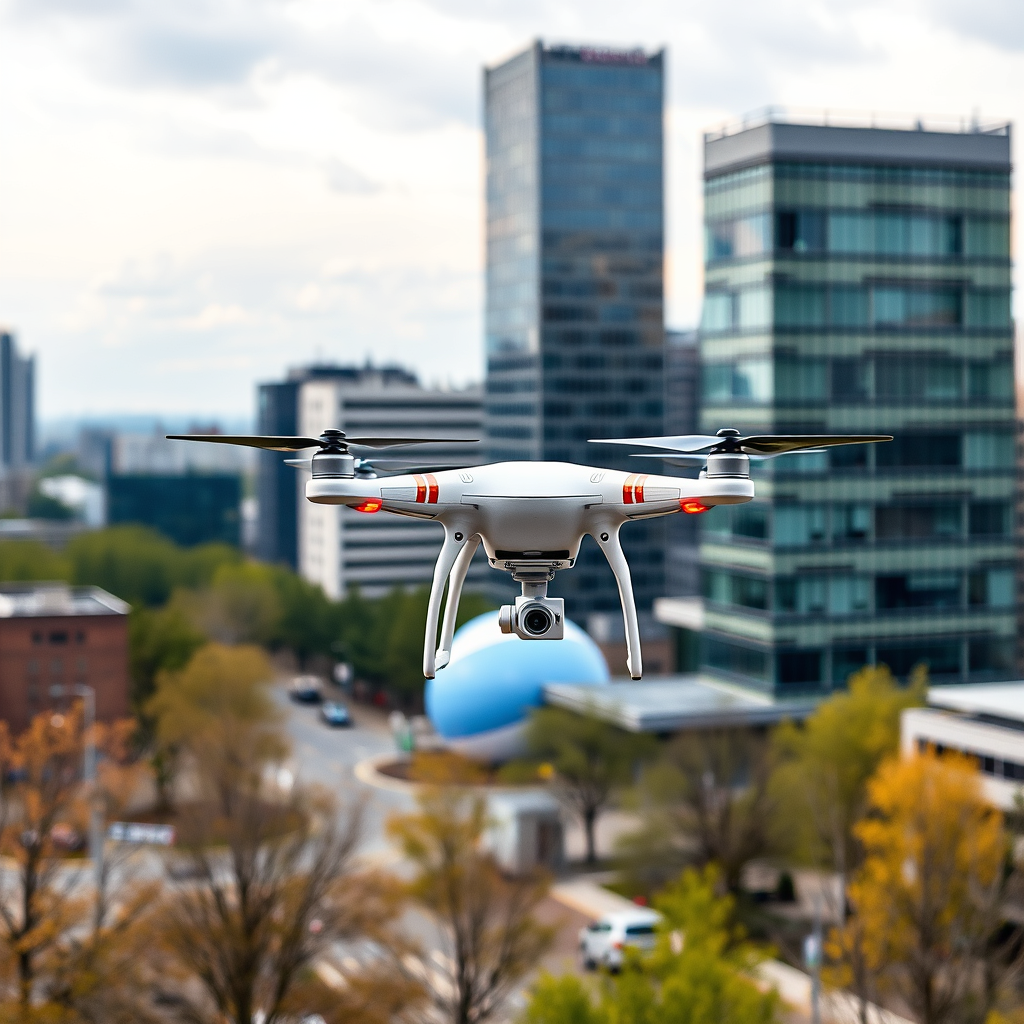
Canada’s drone regulations fall under Transport Canada’s guidelines, which were established to promote safety and security in the National Airspace System. Drones are categorized based on their weight, with specific rules applicable to each category. For instance, drones that weigh over 250 grams must be registered with Transport Canada, which involves providing details about the drone and obtaining a registration number. This requirement is crucial for accountability and helps ensure that operators can be identified in case of any incidents.
Furthermore, operators must adhere to the Canadian Aviation Regulations (CARs) and the Aeronautics Act, which set forth the rules for flying both recreational and commercial drones. The regulations include stipulations on altitude limits, flight paths, and operational boundaries that must be respected to ensure the safety of both the drone operator and the general public. Violating these regulations can lead to significant fines or legal action, making it imperative for drone enthusiasts to stay informed.
Where You Can Fly Drones
When flying drones in Toronto, it is essential to choose appropriate locations to ensure compliance with regulations and safeguard public safety. Avoid flying near airports, hospitals, and heavily populated areas, as these places pose heightened risks for drone operations. Toronto has several designated no-fly zones, including areas surrounding the Toronto Pearson International Airport and Billy Bishop Toronto City Airport, where drones are strictly prohibited due to the potential for interference with manned aircraft.
In contrast, parks and open spaces are typically better suited for drone flying. For example, the Toronto Islands, High Park, and Rouge National Urban Park provide vast expanses of open areas where drone enthusiasts can operate their devices without significant obstacles. However, it is still vital to ensure that you are not infringing on any local bylaws that may restrict drone use in specific locations. Always check signage and local regulations governing the area before launching your drone.
Required Certifications
Depending on the nature of your drone use—be it recreational or commercial—you may need to obtain a Basic or Advanced Pilot Certificate. For recreational flyers, the Basic Pilot Certificate is generally sufficient, which can be obtained by successfully passing an online exam covering topics such as airspace rules, emergency procedures, and drone operation guidelines. This certification demonstrates that the pilot has a foundational understanding of safe drone operation.
For those looking to operate drones for commercial purposes—such as photography, surveying, or delivery services—the Advanced Pilot Certificate is necessary. The process for obtaining this certificate is more rigorous, requiring not only a passing score on a more comprehensive online exam but also a practical flight test. This certification ensures that commercial drone operators possess the essential skills and knowledge to navigate complex airspace and conduct operations safely.
Safety Guidelines for Flying Drones
Adhering to safety guidelines is paramount for responsible drone operation. First and foremost, always maintain a visual line of sight with your drone. This practice is crucial for avoiding collisions and ensuring that you can react promptly to any unforeseen circumstances. Additionally, avoid flying over people, vehicles, or private properties without obtaining permission. Doing so can pose significant safety risks and infringe upon privacy rights.
It is also advisable to keep your drone below 122 meters (400 feet) in altitude unless you hold an Advanced Pilot Certificate and are operating in controlled airspace. Furthermore, flying during daylight hours is recommended to enhance visibility and reduce the likelihood of accidents. Other safety precautions include ensuring that your drone is equipped with adequate fail-safe systems, conducting pre-flight checks, and being aware of weather conditions that may affect your flight.
Local Drone Communities and Resources
Engaging with local drone communities can greatly enhance your flying experience and provide valuable insights into best practices. There are several drone clubs and organizations in Toronto where enthusiasts can come together to share advice, experiences, and tips. For instance, the Toronto Drone Community is an active group where members discuss regulations, share flying locations, and showcase their work.
Additionally, online forums and social media groups focusing on drone flying in Toronto serve as excellent resources for staying informed about local events, changes in regulations, and new flying spots. Participating in these communities allows you to learn from experienced operators and fosters a sense of camaraderie among fellow drone enthusiasts. Resources like the Transport Canada website also offer up-to-date information on regulatory changes and drone safety tips that are essential for all operators.
Consequences of Non-compliance
Failing to adhere to drone regulations can lead to serious consequences, both legal and financial. The penalties for non-compliance can range from fines to criminal charges, depending on the severity of the violation. For instance, operating a drone in a restricted area, such as near an airport, can result in hefty fines upwards of $3,000. Repeated offenses may also lead to more severe repercussions, including the suspension of flying privileges.
Moreover, it is crucial to stay updated on changes to drone laws and regulations, as the landscape is continually evolving. Transport Canada periodically reviews and revises its guidelines, and being unaware of these changes can lead to inadvertent violations. Keeping abreast of the latest information ensures that you can operate your drone lawfully and enjoyably within the vibrant city of Toronto.
In summary, while flying drones in Toronto is permitted, staying informed about regulations and safety practices is crucial for a smooth experience. Always prioritize safety and compliance to enjoy your time in the skies responsibly. By understanding the rules, selecting appropriate flying locations, obtaining necessary certifications, and engaging with local communities, you can make the most of your drone flying adventures while contributing to a safer airspace for everyone.
Frequently Asked Questions
What are the regulations for flying drones in Toronto?
In Toronto, drone operators must comply with Transport Canada’s regulations, which include registering their drone if it weighs over 250 grams and obtaining a pilot certificate for advanced operations. Additionally, you must adhere to the rules regarding airspace restrictions, which prohibit flying near airports, over crowds, and in controlled airspace unless you have special permissions. Always check for local bylaws and park rules as well, as they may impose further restrictions.
How do I obtain a drone pilot certificate in Canada?
To obtain a drone pilot certificate in Canada, you must pass an online exam administered by Transport Canada for basic operations or a flight review for advanced operations. The basic exam covers topics such as airspace rules, safety, and drone operation, while the advanced review requires an in-person flight test with an accredited examiner. Once you pass, you can download your certificate through the Transport Canada website, which allows you to legally operate your drone.
Why are there restrictions on where I can fly my drone in Toronto?
Restrictions on drone flying in Toronto are primarily in place to ensure public safety, privacy, and national security. Drones can pose risks to manned aircraft, especially near airports, and flying over crowded areas can endanger people. Additionally, regulations help protect sensitive locations such as government buildings and parks, where wildlife and environmental preservation may be a concern. Following these restrictions helps promote responsible drone use.
What are the best places to fly drones in Toronto?
Some of the best places to fly drones in Toronto include designated parks like Tommy Thompson Park and the Toronto Islands, where regulations are more relaxed and the scenery is picturesque. However, always check for any specific local bylaws that may apply to these areas before flying. It’s also wise to avoid busy times and ensure that you’re not flying over people or vehicles to stay compliant with safety regulations.
Which drones are best for beginners flying in Toronto?
For beginners looking to fly drones in Toronto, models like the DJI Mini 2 or the Ryze Tello are excellent choices. The DJI Mini 2 is lightweight, easy to operate, and has a good camera for aerial photography, while the Ryze Tello is affordable and user-friendly, making it ideal for learning the basics of drone flying. Both options comply with Transport Canada’s regulations for weight and are equipped with features that help new pilots fly safely and effectively.
References
- https://www.tc.gc.ca/en/services/aviation/drone-safety.html
- https://www.toronto.ca/community-people/recreation-programs/recreational-activities/drone-flying-in-toronto/
- https://www.cbc.ca/news/canada/toronto/drone-regulations-toronto-1.4778263
- https://www.ontario.ca/page/drone-flying-ontario
- https://www.toronto.ca/wp-content/uploads/2019/07/8f09-drone-flying-in-toronto.pdf
- https://www.cbc.ca/news/canada/toronto/drone-flying-regulations-1.6109413
