

Yes, you can fly drones over private property, but there are important regulations and considerations to keep in mind. The legality of drone operation in such areas is governed by a mix of federal, state, and local laws, all of which can vary significantly. Additionally, ethical considerations regarding privacy and property rights must be respected to avoid potential conflicts with property owners. This article will delve into the legal framework, privacy concerns, and best practices for flying drones near private land, ensuring that you operate within the law while respecting the rights of others.
Understanding Drone Regulations
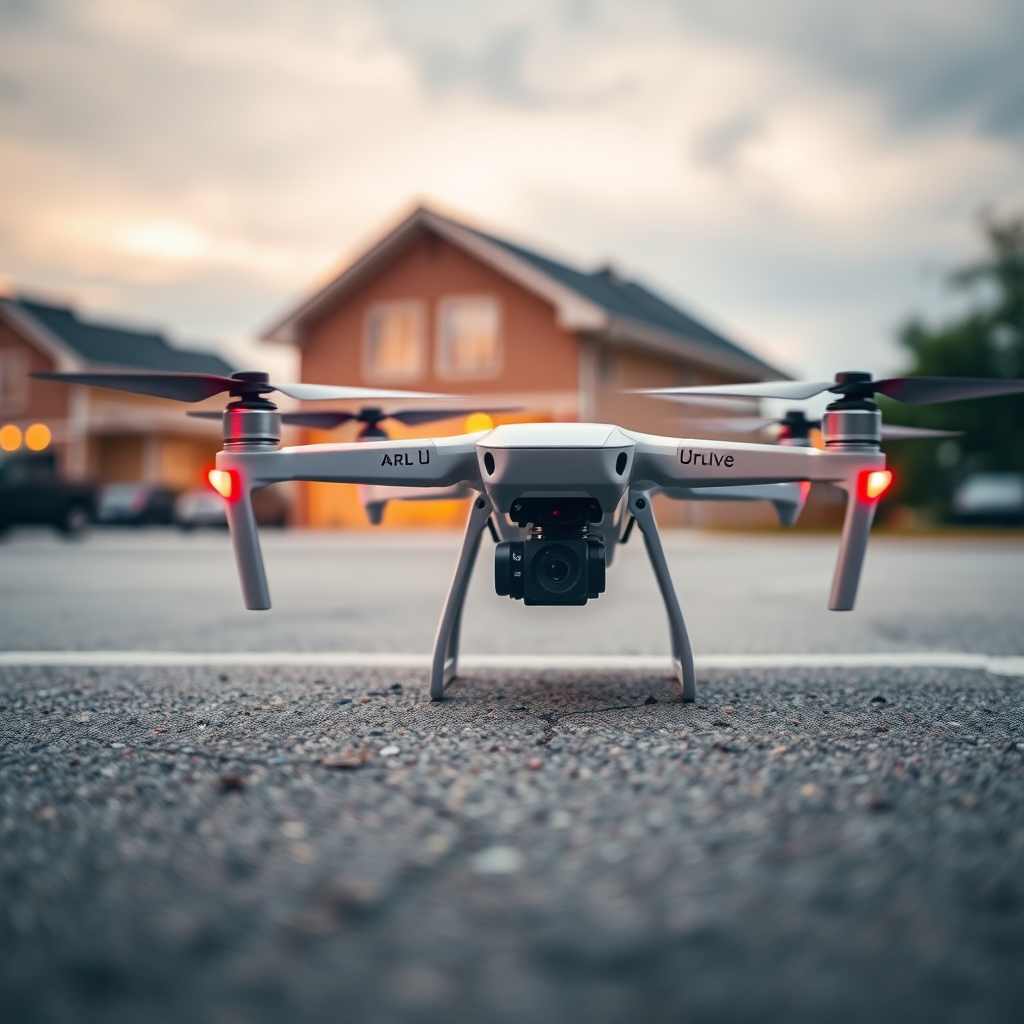
Drones in the United States must comply with regulations set forth by the Federal Aviation Administration (FAA). The FAA classifies drones into various categories, primarily based on their weight and purpose. For recreational use, drones weighing below 55 pounds must be flown within the operator’s line of sight and below 400 feet. Operators must also adhere to the FAA’s Part 107 rules if they are flying commercially, which includes obtaining a Remote Pilot Certificate.

In addition to federal regulations, local laws may impose additional restrictions on drone flights. Many states and municipalities have enacted specific ordinances that govern drone operations, particularly concerning flying over private property. For example, some states have laws that restrict drone use in certain areas, such as near schools or government buildings, and may require permits for flights in urban environments. Always research local regulations before flying to ensure compliance.
Property Rights and Drones
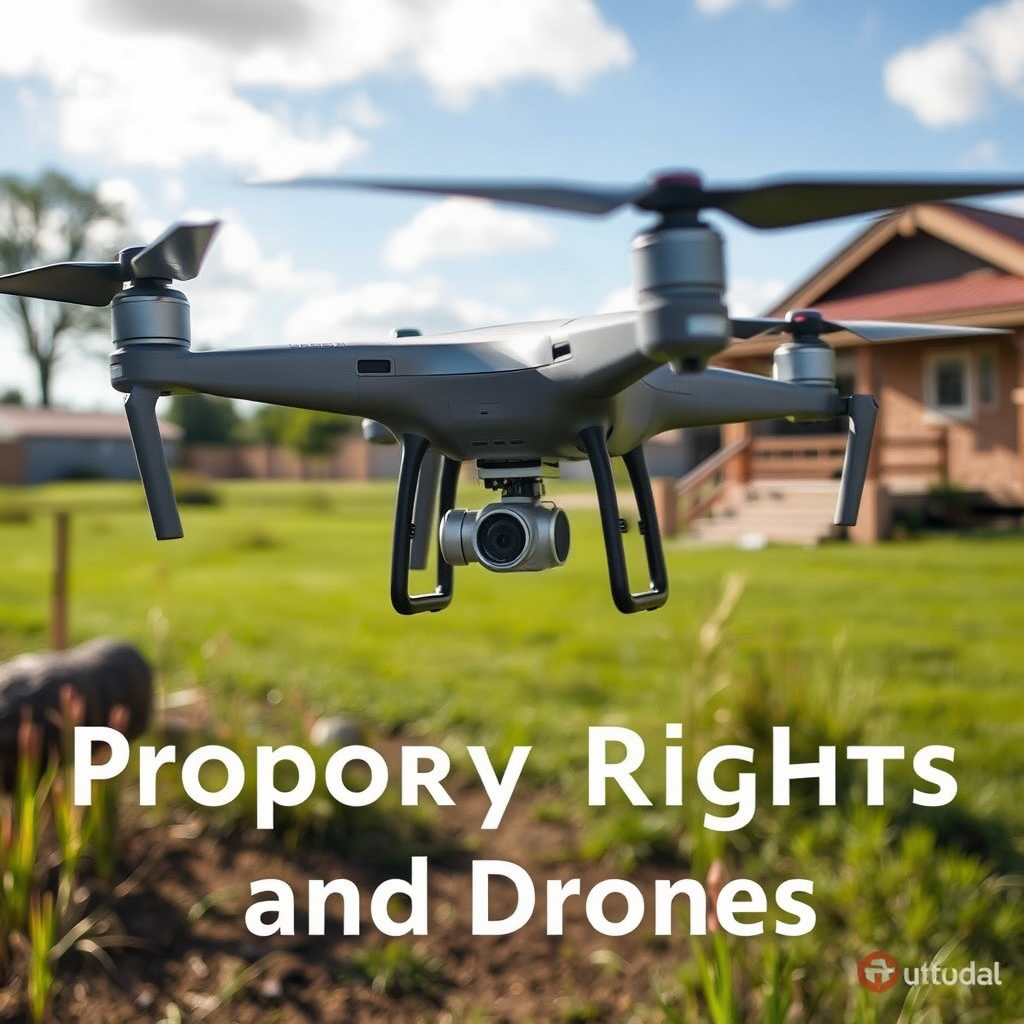
Property rights extend vertically to the airspace above a landowner’s property, though the extent of these rights can vary. Generally, landowners have the right to control the airspace directly above their property, which can pose challenges for drone operators. The legal principle of “navigable airspace” typically starts at 500 feet above ground level, where federal aviation regulations govern, but anything below that can be subject to state and local laws, as well as private property rights.
In some situations, flying a drone too low over private property could be considered trespassing. For instance, if a drone operator captures images or video footage while flying at a low altitude without the landowner’s permission, it could lead to legal disputes. It is essential for drone operators to understand these laws to avoid potential lawsuits or conflicts with property owners.
Privacy Concerns
One of the most significant concerns regarding drone usage over private property is the potential for invasion of privacy. Drones equipped with cameras can easily capture images or videos of individuals in their own backyards or private settings, leading to uncomfortable situations and potential legal issues. Many states have enacted laws that protect individuals from unauthorized surveillance, which can include capturing footage from a drone without consent.
For example, in California, the California Invasion of Privacy Act prohibits the use of any device, including drones, to record private conversations or activities without consent. Violating privacy laws can result in hefty fines and civil lawsuits. Therefore, drone operators should always consider the privacy of others when planning their flights and avoid filming in areas where individuals may have a reasonable expectation of privacy.
Best Practices for Flying Drones
To ensure a smooth and conflict-free drone operation experience, following best practices is crucial. First and foremost, always seek permission from property owners before flying over their land. This not only demonstrates respect but can also prevent misunderstandings and potential legal issues. If you are unsure whether an area is private property, it is best to err on the side of caution and avoid flying there without explicit permission.
Be respectful of neighbors and their privacy as well. Even if you are flying legally, being considerate can go a long way in maintaining good relationships within your community. Avoid flying during early mornings or late evenings when people may be more likely to be at home. Additionally, keep your drone at a higher altitude when flying over residential properties to minimize any disturbance or privacy invasion.
What to Do If You’re Approached
If a property owner approaches you while you are flying your drone, it is essential to remain calm and know your rights as a drone operator. Be prepared to discuss your intentions for flying, whether it is for recreational purposes, photography, or another reason. Open communication can often defuse potential conflicts and lead to a better understanding between you and the property owner.
If the property owner expresses concerns about your drone operation, consider their feelings and be willing to compromise. You may choose to move your flight path or land your drone to alleviate their concerns. Remember that maintaining a positive image as a responsible drone operator can help foster community support for drone enthusiasts in the long run.
Conclusion
Flying drones over private property is possible, but it comes with significant legal and ethical considerations. Understanding FAA regulations, respecting property rights, and being mindful of privacy concerns are critical for ensuring a positive experience for both drone operators and property owners. By adhering to best practices, seeking permission when necessary, and engaging respectfully with neighbors, drone operators can navigate the complexities of flying drones over private land. Ultimately, prioritizing safety and respect for others will lead to a more enjoyable and responsible flying experience.
Frequently Asked Questions
Can I legally fly a drone over my neighbor’s private property?
Legally, you can fly a drone over a neighbor’s private property in the U.S. as long as you maintain a height of 400 feet or below and comply with FAA regulations. However, it’s important to note that even though you may have the legal right to fly over someone else’s property, this can lead to potential disputes or claims of invasion of privacy. It’s often best to communicate with your neighbors and seek permission to avoid conflicts.
What are the privacy laws regarding flying drones over private property?
Privacy laws regarding drones can vary by state, but generally, flying a drone over private property is legal if done from a lawful altitude. However, capturing images or video of individuals in private spaces without consent can lead to privacy violations. It’s best to familiarize yourself with local laws and regulations to ensure compliance and respect for privacy.
How can I avoid conflicts when flying a drone near private property?
To avoid conflicts when flying a drone near private property, consider notifying your neighbors before your flight. Share your intentions and ensure they understand you’re operating within legal limits. Additionally, maintaining a respectful distance from homes and backyards can help alleviate concerns. Being transparent and courteous can go a long way in building good relationships with those around you.
Why do some people complain about drones flying over their property?
Complaints about drones flying over private property often stem from concerns about privacy, safety, and noise disturbances. Many property owners feel uncomfortable with drones capturing images or videos of their homes and families, leading to a sense of invasion. Additionally, some individuals worry about potential accidents or damage caused by drones. Understanding these concerns can help drone operators fly responsibly.
What should I do if I see a drone flying over my property?
If you see a drone flying over your property and feel uncomfortable, first assess whether it’s violating any local laws or privacy regulations. If you believe it is, you can try to identify the operator and address your concerns directly or contact local law enforcement if necessary. Documenting the incident, including the time, date, and any relevant details, can also be helpful for reporting any suspected violations.
References
- https://en.wikipedia.org/wiki/Drone#Legal_issues
- https://www.faa.gov/uas/
- https://www.nolo.com/legal-encyclopedia/drone-laws-your-state-32830.html
- https://www.aclu.org/other/flying-drones-private-property
- https://www.sciencedirect.com/science/article/pii/S235197891730001X
- https://www.theguardian.com/technology/2021/jul/12/drone-privacy-laws-uk-europe
- https://www.ithaka.org/blog/what-is-the-future-of-drone-regulation-and-privacy-in-the-us/
