

Yes, you can fly your drone in the rain, but it depends on the drone’s weather resistance and the intensity of the rain. Many consumer drones are not designed for wet conditions, and flying in the rain can pose significant risks. Understanding your drone’s specifications, the type of rain, and the associated risks is essential to ensure safe operation and protect your equipment.
Understanding Drone Weather Resistance
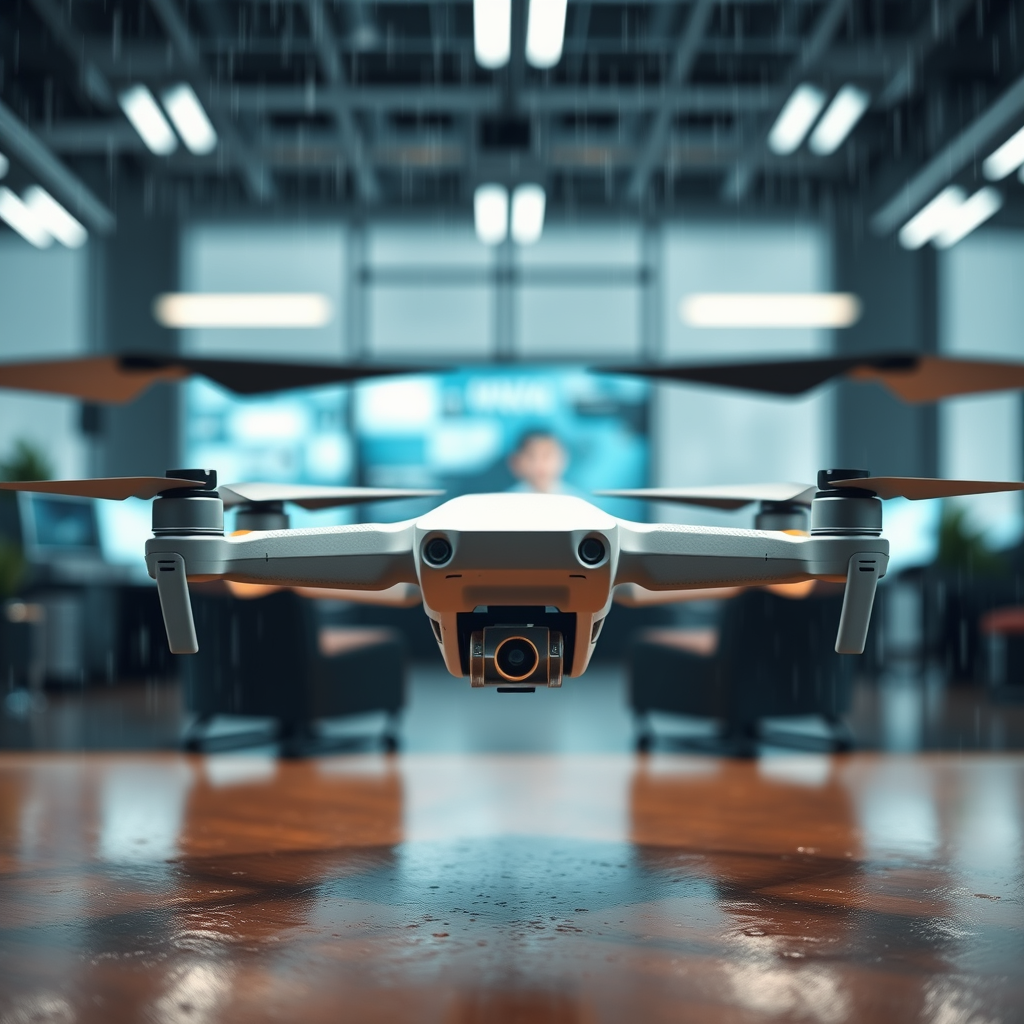
When considering flying a drone in the rain, the first step is to understand the drone’s weather resistance capabilities. Most consumer drones have varying degrees of water resistance, which is indicated by their Ingress Protection (IP) rating. For instance, a drone with an IP rating of IP43 can withstand water splashes, while a drone rated IP67 can endure immersion in water for a specific duration.
It is crucial to consult the manufacturer’s specifications to determine the water-resistant or waterproof ratings of your drone. Higher-end models, such as the DJI Mavic 2 Enterprise, boast better weather resistance, making them more suitable for inclement weather. However, even drones with high IP ratings should not be subjected to heavy rain or prolonged exposure to moisture, as this can lead to corrosion or damage over time.
Types of Rain and Their Impact
The impact of rain on drone performance largely depends on its intensity. Light rain, often characterized by small droplets and minimal wind, may not significantly affect a drone’s operation. Many pilots have reported successful flights in light drizzle, provided they take necessary precautions and monitor the drone’s performance closely.
Conversely, heavy rain presents a host of challenges. Intense rainfall can lead to water accumulation on the drone’s body, affecting aerodynamics and flight stability. Additionally, heavy rain can obscure visibility, making it difficult to maintain line of sight with the drone. This lack of visibility can increase the risk of accidents, collisions, and loss of control.
Furthermore, rain can significantly impact the drone’s camera performance. Water droplets on the lens can blur images and videos, compromising the quality of aerial footage. Pilots should assess the weather conditions carefully before deciding to fly in any rain.
Risks of Flying in Rain
Flying a drone in rainy conditions introduces several risks that every operator should be aware of. One of the most significant concerns is the increased risk of losing control due to wet conditions. Rain can create slippery surfaces on the drone, which may lead to reduced grip and responsiveness during flight. This can be particularly problematic during maneuvers that require precise control.
Moreover, moisture poses a risk to the drone’s electronic components. Water can seep into sensitive areas, leading to short circuits and potentially causing permanent damage. Even drones with a high IP rating are not completely immune to moisture-related failures. For example, a drone that encounters heavy rain may still experience issues even if it is rated for some water resistance.
Additionally, the potential for battery performance issues under wet conditions should not be overlooked. Lithium-polymer batteries, commonly used in drones, can be affected by moisture, leading to reduced efficiency and shorter flight times. This can be particularly concerning if the drone is flying at a significant altitude or distance.
Recommended Precautions
If you decide to fly your drone in the rain, taking appropriate precautions is essential to mitigate risks. First and foremost, ensure that your drone has a higher IP rating for moisture protection. Drones designed for professional or industrial use, such as the DJI Matrice series, often feature enhanced weatherproofing, making them more suitable for wet conditions.
Before flying, assess the weather forecast and avoid operating during storms or heavy downpours. Even light rain can become heavier unexpectedly, so remain vigilant and ready to land if conditions worsen. Additionally, consider using a gimbal cover or lens hood to protect the camera from rain, enhancing the quality of your aerial photography and videography.
Moreover, it is wise to conduct pre-flight checks, ensuring that all components are dry and functioning correctly. After landing, inspect the drone for any signs of moisture accumulation, and allow it to dry thoroughly before storing it.
Legal Considerations
Before flying a drone in the rain, it is crucial to be aware of local regulations regarding drone operation in inclement weather. Different regions may have specific guidelines or restrictions related to flying drones during adverse weather conditions. For instance, some jurisdictions may prohibit drone flights in foggy conditions or during heavy precipitation to ensure safety.
Furthermore, ensure compliance with any restrictions or guidelines set by aviation authorities, such as the Federal Aviation Administration (FAA) in the United States. These regulations often emphasize maintaining the safety and integrity of both the operator and the drone, especially in challenging weather conditions. Familiarizing yourself with local laws can help avoid penalties and ensure responsible flying practices.
Alternatives to Flying in the Rain
If the weather is unsuitable for flying, consider exploring alternatives to outdoor flights. Indoor flying can be an excellent option for practicing maneuvers and improving piloting skills without the complications of wet weather. Ensure the indoor space is large enough for safe operation and free from obstacles.
Another alternative is to utilize drone simulators, which can provide a realistic flying experience without the risks associated with actual flights. Many advanced simulators offer adverse weather scenarios, allowing pilots to practice their skills in challenging conditions. This experience can be invaluable when facing real-life situations, enhancing overall piloting proficiency.
Lastly, simply waiting for better weather conditions is a practical approach. Drones are precision instruments, and operating them in optimal conditions will yield better results and enhance the overall flying experience.
In conclusion, while flying a drone in the rain is possible, it comes with various risks and considerations. Understanding your drone’s weather resistance, the impact of different rain types, and the associated risks is crucial for safe operation. Always prioritize safety by checking your drone’s specifications and local regulations before taking off in wet weather. By following recommended precautions and considering alternatives, you can enhance your flying experience and protect your equipment. For more information, stay updated on best practices for drone operation to ensure a safe and enjoyable flying experience.
Frequently Asked Questions
Can you fly your drone in light rain?
While flying a drone in light rain may be technically possible, it is generally not recommended. Most consumer drones are not designed to be water-resistant, and exposure to moisture can damage the electronics or disrupt performance. Additionally, rain can affect visibility and GPS accuracy, which may lead to control issues or accidents.
What are the risks of flying a drone in the rain?
The primary risks of flying a drone in the rain include potential water damage to the drone’s internal components and the loss of control due to wet conditions. Rain can hinder visibility, making it difficult to see your drone and its surroundings, increasing the likelihood of crashes. Furthermore, wet conditions can also affect battery life, leading to shorter flight times.
How can I protect my drone from rain?
To protect your drone from rain, consider using a waterproof drone case or bag when not in use. If you must fly in questionable weather, some specialized drones are designed to be water-resistant or even waterproof, offering better protection. Additionally, you can apply a water-repellent coating to the drone’s exterior, which can help minimize moisture exposure.
Why do most drone manufacturers advise against flying in the rain?
Most drone manufacturers advise against flying in the rain due to the high risk of water damage to the drone’s electrical components and sensors. Rain can also cause issues with navigation and stability, leading to accidents. Manufacturers prioritize user safety and the longevity of their products, which is why they recommend avoiding wet conditions.
Which drones are safe to fly in the rain?
Drones that are specifically designed for adverse weather conditions, such as those built for professional cinematography or industrial uses, often feature water-resistant or waterproof ratings. Brands like DJI offer models, such as the Matrice series, that are built to withstand rain. Always check the specifications of your drone and consult the manufacturer’s guidelines before flying in rainy weather.
References
- https://www.faa.gov/uas/recreational_fliers/
- https://www.nasa.gov/feature/what-you-need-to-know-about-drone-flying-in-the-rain
- https://www.wired.com/story/drone-flying-in-the-rain/
- https://www.theguardian.com/technology/2020/jul/01/what-you-need-to-know-about-drones-and-the-weather
- https://www.gearpatrol.com/tech/a36013555/can-you-fly-a-drone-in-the-rain/
- https://www.dronepilotgroundschool.com/flying-drones-in-rain/
