

Yes, you can go to jail for flying a drone under certain circumstances. Violating federal regulations, endangering public safety, or infringing on privacy laws can lead to criminal charges and potential jail time. With the rapid proliferation of drone technology, understanding the legal implications of drone operation is crucial for both recreational and commercial pilots. This article will explore the complex legal framework surrounding drone usage, the common violations that could lead to incarceration, and best practices for responsible flying.
Understanding Drone Regulations
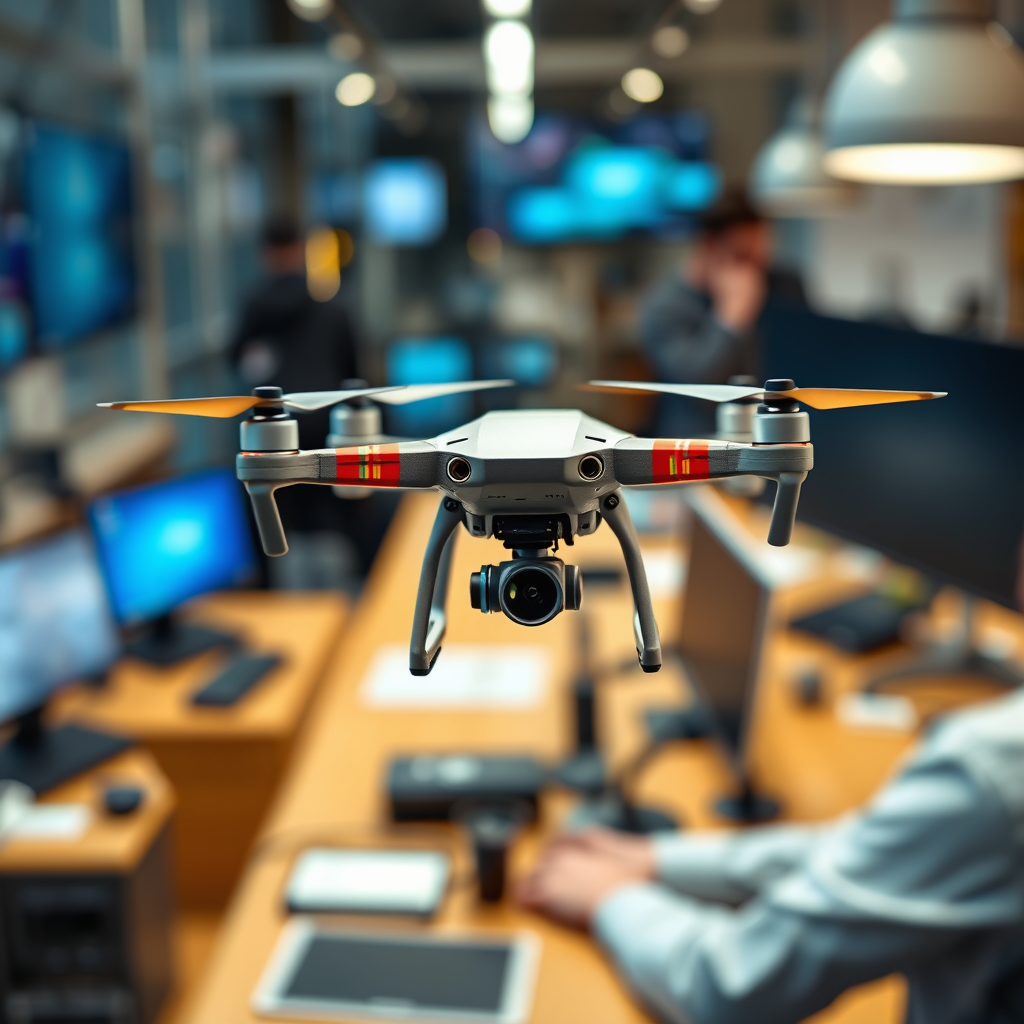
The Federal Aviation Administration (FAA) governs drone use in the United States, establishing rules that all operators must follow to ensure safety in the national airspace. The FAA classifies drones based on weight and intended use, with specific regulations for hobbyist and commercial users. For instance, recreational pilots must adhere to the guidelines outlined in the FAA’s Part 107 regulations, which include maintaining visual line-of-sight, flying below 400 feet, and avoiding restricted airspace. Commercial drone operators must obtain a Remote Pilot Certificate, which involves passing a knowledge test and adhering to stricter operational guidelines.
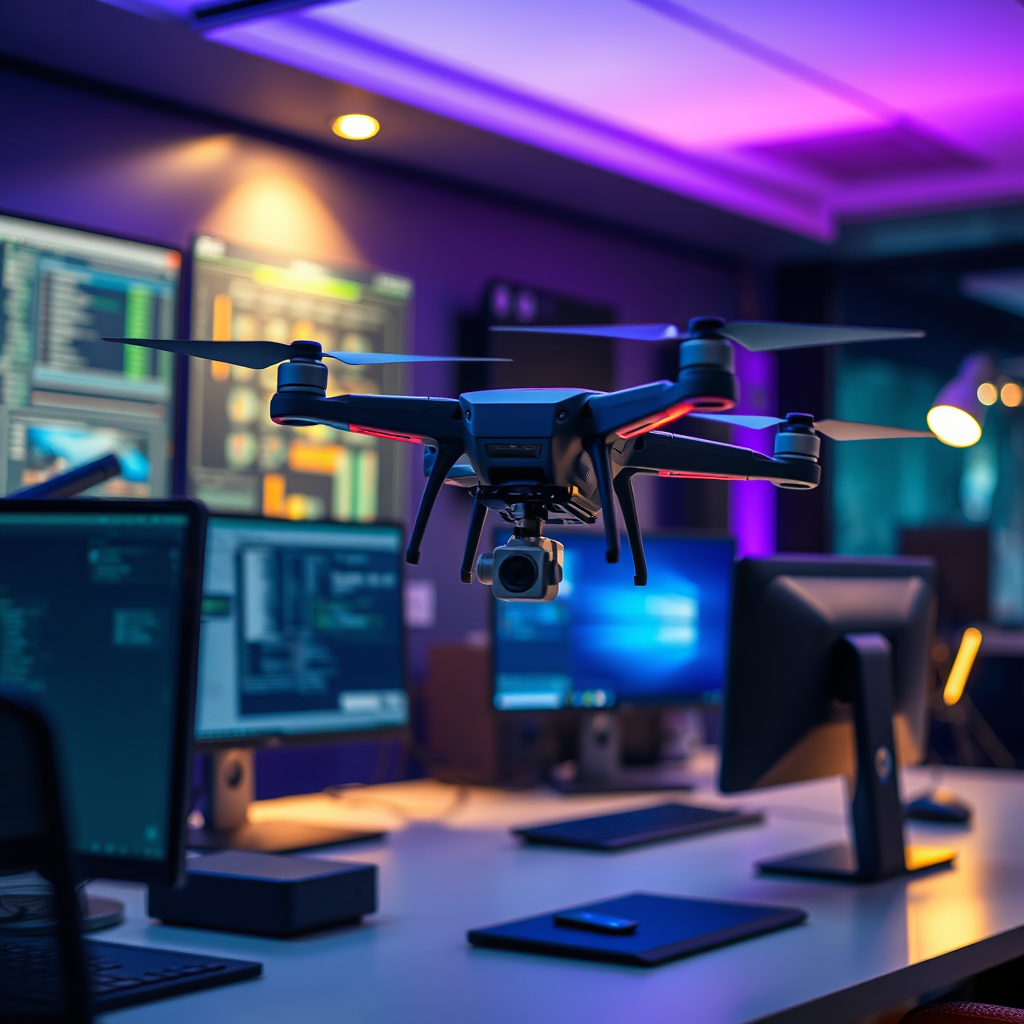
In addition to federal regulations, local and state laws may also impose restrictions on drone use. These laws can vary significantly from one jurisdiction to another, addressing issues such as flying over private property, flying in urban areas, or using drones for surveillance. It is imperative for drone operators to familiarize themselves with both federal and local laws to avoid legal repercussions.
Common Violations That Could Lead to Jail Time
Several actions can lead to serious legal consequences for drone operators. One of the most egregious violations is flying in restricted airspace, such as near airports or military installations. For example, a drone pilot who operates their device near an airport can interfere with manned aircraft, posing a severe risk to public safety. Such actions can result not only in hefty fines but also in criminal charges, including potential jail time.
Another common violation involves endangering people or property through reckless flying. This includes operating a drone in a manner that could lead to accidents or injuries. There have been instances where drone operators have crashed their devices into crowded events or private property, leading to serious injuries or damage. In these cases, operators can face criminal charges ranging from misdemeanors to felonies, depending on the severity of the incident.
Consequences of Illegal Drone Use
The consequences of illegal drone use can be severe and multifaceted. Fines for violating FAA regulations can range from hundreds to thousands of dollars, depending on the nature of the violation. For instance, the FAA has imposed fines exceeding $20,000 for repeated or serious offenses. Additionally, drone operators can face criminal charges that may result in jail time. These charges can include reckless endangerment, invasion of privacy, or even terrorism-related offenses if a drone is used in a threatening manner.
The potential for jail time varies based on the severity of the offense. For example, reckless flying that leads to injury can result in felony charges, while minor infractions may only incur fines. It is crucial for drone operators to understand the legal landscape and the potential repercussions of their actions to avoid facing such consequences.
Privacy Issues Related to Drone Use
Drones equipped with cameras can inadvertently infringe on privacy rights, leading to legal challenges for operators. Many states have enacted laws that protect individuals from being surveilled without consent, and flying a drone over private property can violate these laws. For instance, a drone operator who captures images of a neighbor’s backyard without permission may face civil lawsuits or criminal charges related to invasion of privacy.
Several legal cases have highlighted the repercussions of privacy violations associated with drone use. In one notable case, a drone operator was charged for using their drone to film a private residential area, leading to a lawsuit from the affected homeowners. The court ruled in favor of the homeowners, emphasizing the importance of respecting individual privacy rights in the context of drone operation. As drones become more prevalent, understanding and respecting privacy laws is essential for operators to avoid legal entanglements.
Best Practices for Safe and Legal Drone Flying
To enjoy a safe and legal drone flying experience, operators should adhere to several best practices. First and foremost, it is crucial to research and understand the relevant laws and regulations governing drone use in your area. This includes familiarizing yourself with FAA guidelines and any local ordinances that may apply.
Obtaining necessary permits and licenses is also an important step. For commercial operators, acquiring a Remote Pilot Certificate is mandatory. Additionally, certain states may require permits for specific drone activities, such as aerial photography or surveying. Ensuring compliance with these requirements can prevent legal issues down the road.
Moreover, maintaining a respectful distance from people, property, and sensitive areas like schools or hospitals is essential. Being courteous and responsible can help mitigate risks and foster a positive relationship between drone operators and the communities in which they fly.
Resources for Drone Operators
For drone pilots seeking to enhance their knowledge and stay compliant, numerous resources are available. The FAA’s official website provides comprehensive information on regulations, safety guidelines, and educational materials. Organizations like the Academy of Model Aeronautics (AMA) offer resources and community support for recreational pilots, while commercial operators can benefit from industry-specific groups such as the Association for Unmanned Vehicle Systems International (AUVSI).
Additionally, many organizations offer educational courses on drone regulations and safe flying practices. Online platforms such as Udemy and Coursera feature courses led by industry experts, covering topics from FAA regulations to advanced drone operations. Engaging with these resources can help drone operators maintain their skills and knowledge while navigating the evolving landscape of drone technology.
In conclusion, while flying a drone can be a fun and rewarding hobby, it is crucial to understand the legal framework surrounding its use. By adhering to regulations and being aware of privacy concerns, you can enjoy flying without the risk of facing jail time. Always stay informed and responsible to ensure a safe drone experience, safeguarding yourself and others while flying in the skies.
Frequently Asked Questions
Can you go to jail for flying a drone illegally?
Yes, you can go to jail for flying a drone illegally if your actions violate federal, state, or local laws. For example, flying a drone in restricted airspace, such as near airports or over certain private properties without permission, can result in criminal charges. Penalties may include fines, probation, and even jail time, depending on the severity of the violation.
What are the legal consequences of drone misuse?
The legal consequences of drone misuse can vary widely but may include civil penalties, fines, and criminal charges that could lead to incarceration. For instance, if a drone is used to invade someone’s privacy or cause harm, law enforcement may pursue felony charges. Additionally, the FAA can impose strict regulations and hefty fines for violations of airspace rules, impacting your ability to fly in the future.
How can I avoid getting arrested for flying my drone?
To avoid getting arrested for flying your drone, familiarize yourself with local, state, and federal drone regulations. Always check for restricted airspace, obtain necessary permits for commercial use, and respect privacy laws by not flying over private property without permission. Additionally, enrolling in a drone safety course can help you understand the rules and best practices to fly responsibly.
Why do some people get arrested for drone-related incidents?
Some individuals get arrested for drone-related incidents due to negligence, intentional violations, or failure to comply with established regulations. Common reasons include flying drones in no-fly zones, using drones to harass individuals, or causing accidents that endanger public safety. Law enforcement agencies take these violations seriously, leading to arrests and legal repercussions to maintain public safety.
Which organizations regulate drone usage in the United States?
In the United States, the primary organization regulating drone usage is the Federal Aviation Administration (FAA), which sets rules for recreational and commercial drone pilots. Additionally, local and state governments may have their own regulations, and organizations such as the National Park Service enforce specific guidelines for drone use in national parks. Familiarizing yourself with these regulations is crucial for safe and legal drone operation.
References
- https://en.wikipedia.org/wiki/Drone_regulation
- https://www.faa.gov/uas/resources/policies_regulations/
- https://www.nytimes.com/2021/02/09/us/drone-laws.html
- https://www.theguardian.com/us-news/2020/jun/23/drone-laws-united-states
- https://www.nolo.com/legal-encyclopedia/drone-laws-what-you-need-know-29788.html
- https://www.faa.gov/uas/
- https://www.aclu.org/news/privacy-technology/2020/10/can-you-fly-a-drone-in-your-backyard-yes-but/
