

Yes, it is possible to hack a drone, but it requires specialized knowledge and skills. Drones are increasingly prevalent in various sectors, including commercial, recreational, and military applications, making them enticing targets for cybercriminals. Their reliance on wireless communication and software leaves them vulnerable to a range of cyber attacks. This article will explore the methods, motivations, and implications of drone hacking, providing a comprehensive overview of this emerging cybersecurity issue.
Understanding Drone Technology
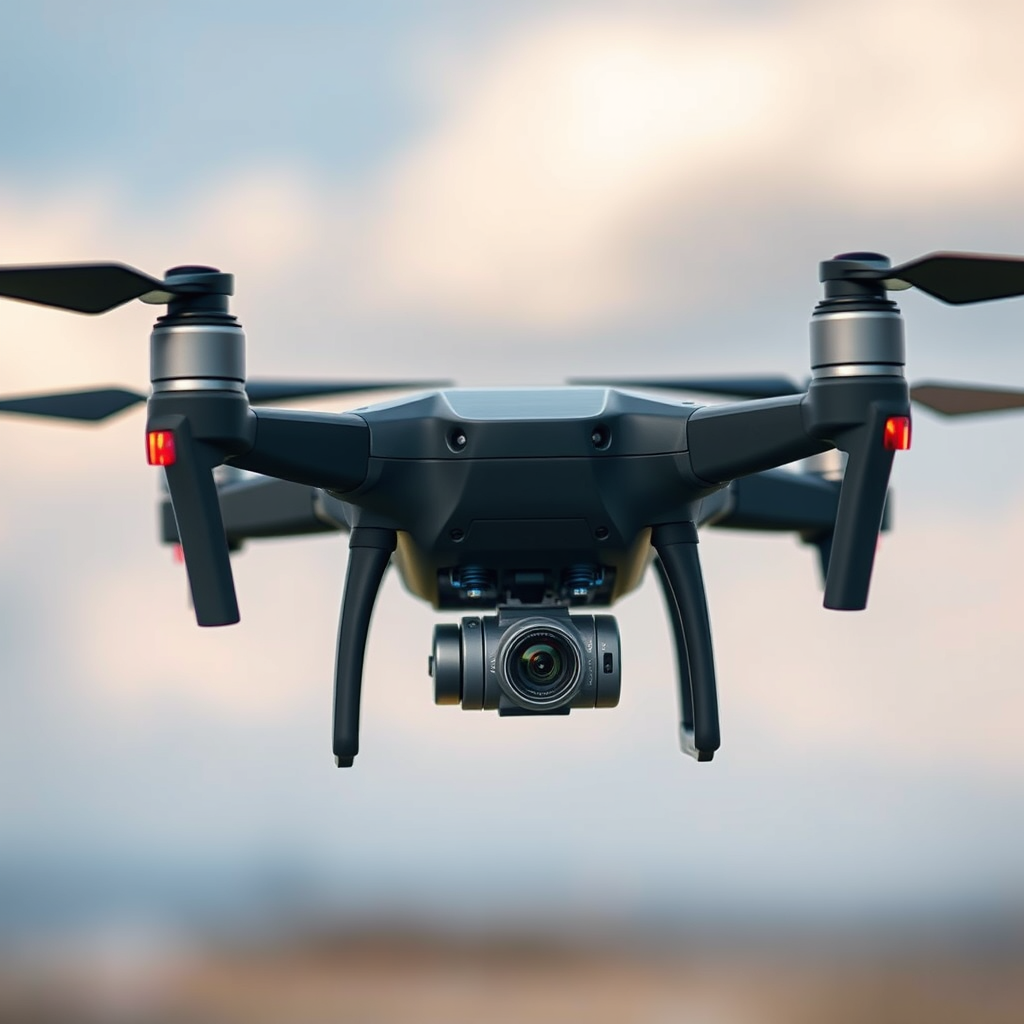
Drones operate through a complex interplay of hardware and software components that enable them to perform a variety of tasks autonomously or via remote control. At the core of drone functionality are communication methods like Wi-Fi and GPS, which allow for real-time data transmission between the drone and its operator. Drones typically utilize radio frequency (RF) signals for communication and control, which makes them susceptible to interception or disruption.
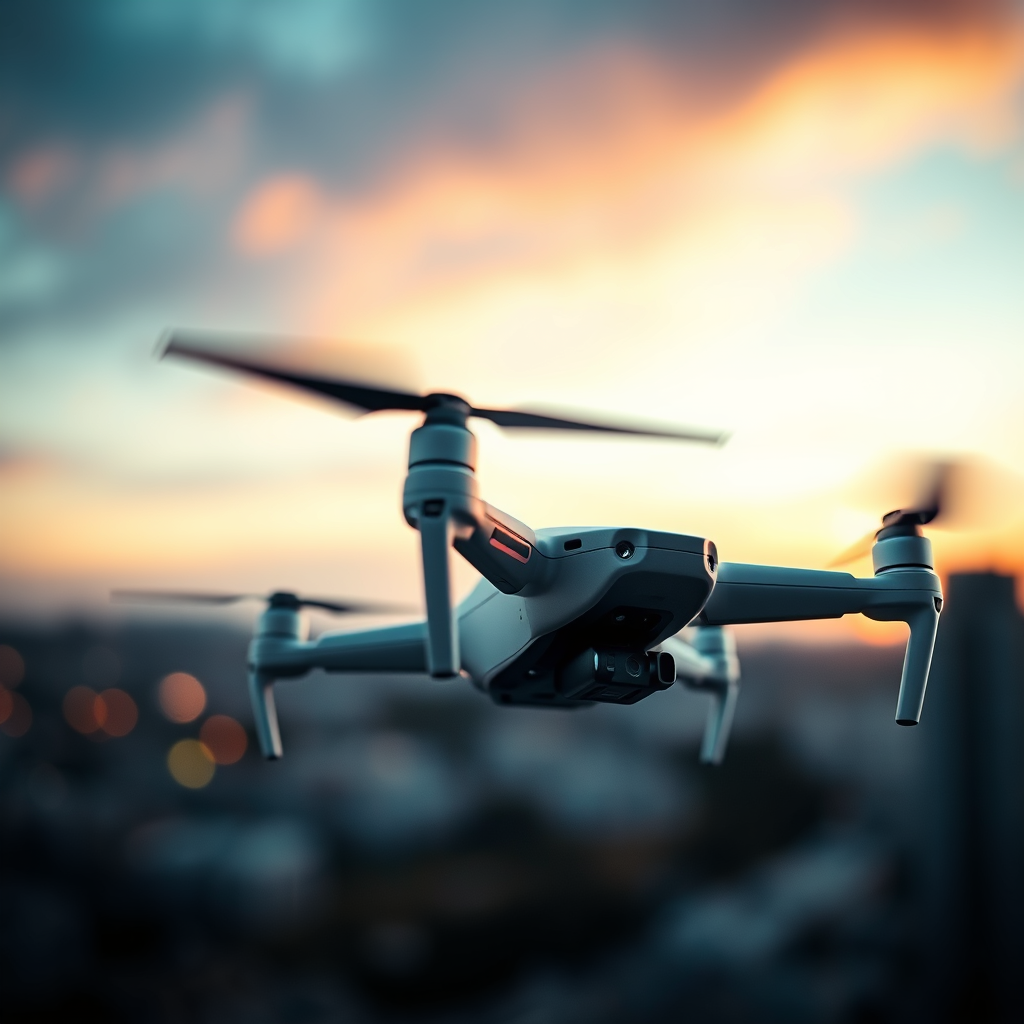
The hardware components of a drone include sensors, cameras, and navigation systems, all of which can be targeted in a hack. On the software side, most drones run on proprietary operating systems that can contain vulnerabilities, making them potential entry points for hackers. For instance, if an attacker can exploit a flaw in the drone’s firmware, they may gain unauthorized control, manipulate its flight path, or access sensitive data being captured by onboard sensors.
Common Hacking Techniques
Hackers employ a variety of techniques to compromise drones, each with its own set of risks and implications. Signal jamming is one technique where an attacker disrupts the communication between the drone and its operator, rendering the drone inoperable or forcing it to land. This form of interference can be particularly concerning for emergency services that rely on drones for critical operations.
Spoofing is another prevalent technique, wherein the hacker sends false signals to the drone, tricking it into believing it is communicating with its legitimate operator. This can lead to unauthorized control of the drone, allowing the attacker to manipulate its flight path or access sensitive data.
Malware injection involves the use of malicious software to compromise the drone’s operating system. Hackers can employ specialized tools, including open-source software such as Kali Linux, to gain remote access to the drone. Additionally, hardware tools like Software Defined Radios (SDRs) can facilitate the interception of drone signals and enable hackers to execute their attacks.
Legal and Ethical Implications
The legal landscape surrounding drone hacking is complex and varies by jurisdiction. In many countries, laws prohibit unauthorized access to devices and networks, which extends to drones. The Computer Fraud and Abuse Act (CFAA) in the United States, for example, makes it illegal to access a computer system without authorization, which includes hacking a drone. Violators may face severe penalties, including fines and imprisonment.
Ethically, the implications are equally significant. Hobbyists and professionals must navigate the fine line between innovation and privacy invasion. For instance, while drone technology can be utilized for legitimate purposes such as aerial photography or agricultural monitoring, it can also be exploited for malicious surveillance or data theft. The ethical responsibility of drone operators extends to ensuring that their devices are secure and do not pose a risk to others.
Motivations Behind Hacking Drones
The motivations for hacking drones can vary widely, ranging from personal amusement to more sinister intentions. Some individuals may hack drones for the thrill of demonstrating their technical skills, while others may seek to exploit vulnerabilities for monetary gain, such as stealing sensitive data or conducting corporate espionage.
Malicious actors may use hacked drones for surveillance purposes, which poses a significant threat to privacy. For example, a compromised drone could be used to monitor individuals without their consent, leading to potential violations of personal rights. Additionally, drone hacking could have dangerous implications for public safety, particularly if drones are hijacked and used to deliver harmful payloads or disrupt critical infrastructure.
The impact of drone hacking extends beyond the immediate effects on individual operators. It erodes public trust in drone technology and raises concerns about the safety of using drones in urban environments or crowded spaces.
Preventing Drone Hacking
To safeguard against hacking attempts, drone owners must implement a series of best practices to enhance their security. One of the primary recommendations is to keep firmware and software up to date. Manufacturers regularly release updates to address vulnerabilities, and ensuring that your drone is running the latest version can help mitigate risks.
Another crucial step is to use strong, unique passwords for drone accounts and networks. This helps prevent unauthorized access from individuals who might attempt to exploit weak security protocols. Additionally, enabling two-factor authentication (2FA) can add an extra layer of protection.
Manufacturers also play a vital role in enhancing drone security. They should incorporate robust encryption methods for communication protocols and invest in comprehensive security testing during the development phase. As the drone industry evolves, establishing industry-wide standards for security will be essential to protect users and maintain public confidence in drone technology.
The Future of Drone Security
As drone technology continues to advance, so too must the security measures that protect these devices. Emerging technologies, such as blockchain and artificial intelligence (AI), are being explored to enhance drone security. Blockchain could offer a decentralized method for securing communication channels, making it more difficult for hackers to intercept data.
AI algorithms can help detect anomalous behavior in drone operation patterns, providing early warning signs of potential hacking attempts. Additionally, the development of autonomous drones equipped with advanced security features could revolutionize how drones are deployed in both commercial and recreational contexts.
Looking ahead, the landscape of drone security is likely to evolve significantly. As regulatory frameworks become more established, and as public awareness of drone security grows, we can expect to see increased collaboration between manufacturers, regulators, and cybersecurity experts to create a more secure environment for drone operation.
In conclusion, while hacking a drone is technically feasible, it is fraught with legal and ethical dilemmas. Understanding the risks associated with drone hacking and implementing robust security measures can help protect both drone users and the broader community. For hobbyists and professionals alike, staying informed about drone security is crucial in this rapidly advancing field, ensuring that the benefits of drone technology can be enjoyed without compromising safety or privacy.
Frequently Asked Questions
Can drones be hacked, and how easy is it for someone to do so?
Yes, drones can be hacked, but the ease of doing so largely depends on the drone’s model, software, and security features. Many consumer drones use radio frequency signals and Wi-Fi networks that can be vulnerable to interception. However, manufacturers are increasingly implementing stronger encryption and cybersecurity measures, making it more challenging for unauthorized users to gain access.
What are the common methods used to hack a drone?
Common methods of hacking a drone include signal interception, GPS spoofing, and exploiting software vulnerabilities. Signal interception involves capturing the communication between the drone and its controller, while GPS spoofing tricks the drone into thinking it is in a different location. Hackers may also target outdated firmware to exploit known vulnerabilities, which is why keeping drone software updated is crucial for security.
Why do people want to hack drones, and what are the implications?
People may attempt to hack drones for various reasons, including malicious intent, privacy invasion, or even ethical hacking to test security measures. The implications can be severe, ranging from unauthorized surveillance to theft of sensitive data or even hijacking the drone for nefarious purposes. Understanding these motivations can help drone users implement better security practices to protect their devices.
What are the best practices to protect your drone from being hacked?
To safeguard your drone against hacking, always keep its firmware updated to patch any security vulnerabilities. Use strong passwords for the drone’s controls and associated apps, and avoid using default passwords. Additionally, consider using encrypted communication methods and avoid flying in areas with known signal interference or high-risk activities, which may attract hackers.
Which drones are most vulnerable to hacking, and how can I choose a secure model?
Generally, older models or those with basic security features are more vulnerable to hacking. When choosing a drone, look for those that prioritize cybersecurity, such as encrypted communications and regular firmware updates. Research customer reviews and expert opinions on the drone’s security features to ensure you select a model that offers robust protection against hacking attempts.
References
- https://en.wikipedia.org/wiki/Hacking
- https://www.bbc.com/news/technology-42068893
- https://www.nytimes.com/2019/06/06/technology/drones-hacking.html
- https://www.cnbc.com/2021/02/02/can-drones-be-hacked.html
- https://www.sciencedirect.com/science/article/pii/S1877050919310217
- https://www.rand.org/pubs/research_reports/RR2134.html
- https://www.nist.gov/news-events/news/2019/07/researchers-test-drones-hacking-resilience
- https://www.wired.com/story/hacking-drones-drones-need-better-security/
