

Yes, you can hear drones flying, but the noise level can vary significantly depending on the type of drone, its distance, and environmental factors. Drones typically produce a buzzing or humming sound that can be noticeable, especially in quiet environments. As the popularity of drones grows, understanding their noise levels has become increasingly important for both operators and communities. This blog post will explore the different types of drones, the factors that influence noise perception, typical sound levels, regulations, and future trends in drone noise technology.
Types of Drones and Their Noise Levels
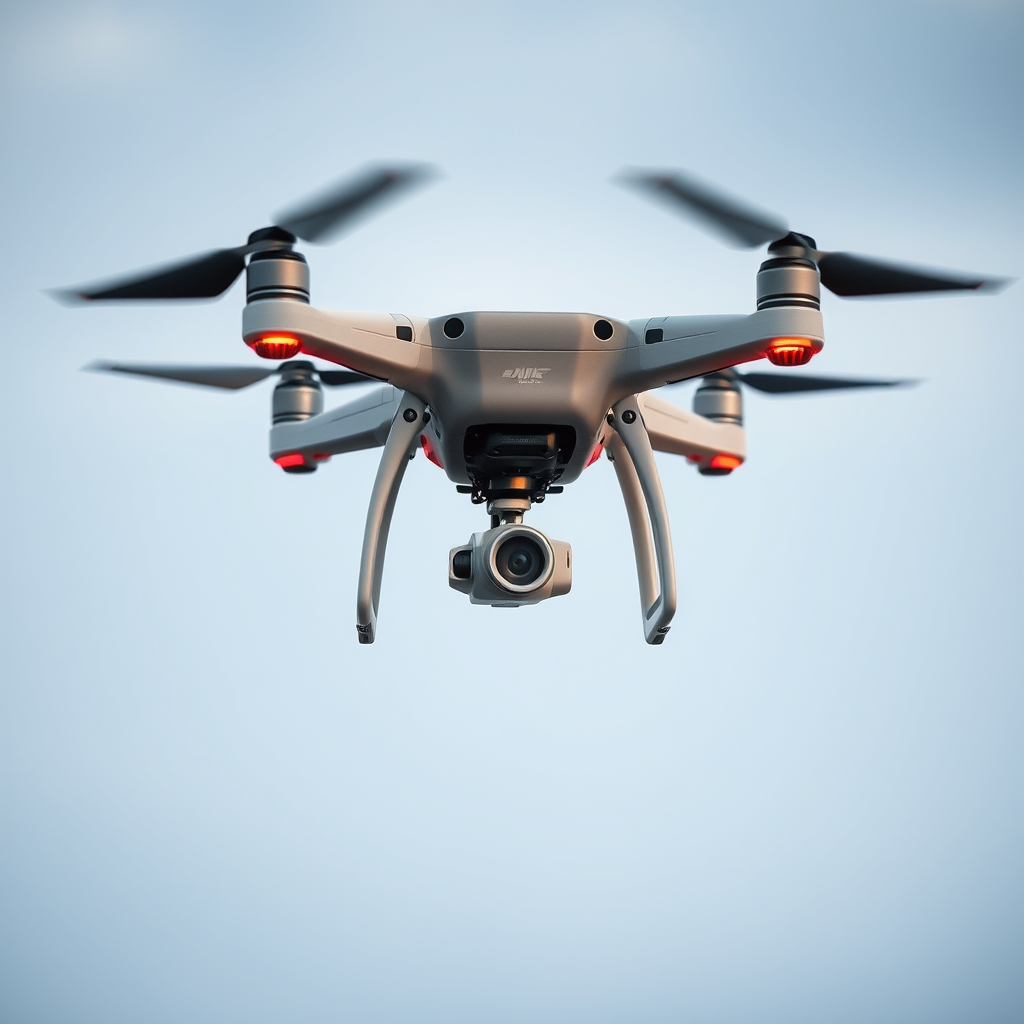
When discussing drone noise, it’s essential to recognize the variety of drones available on the market. Consumer drones, designed primarily for hobbyists and enthusiasts, often generate more noise due to their larger propellers and powerful motors. These drones are typically equipped with multiple rotors, which can create a distinct buzzing sound that is easily audible, especially when flying at lower altitudes. For example, popular models like the DJI Phantom series can produce significant noise, often reaching levels of 70-80 decibels.
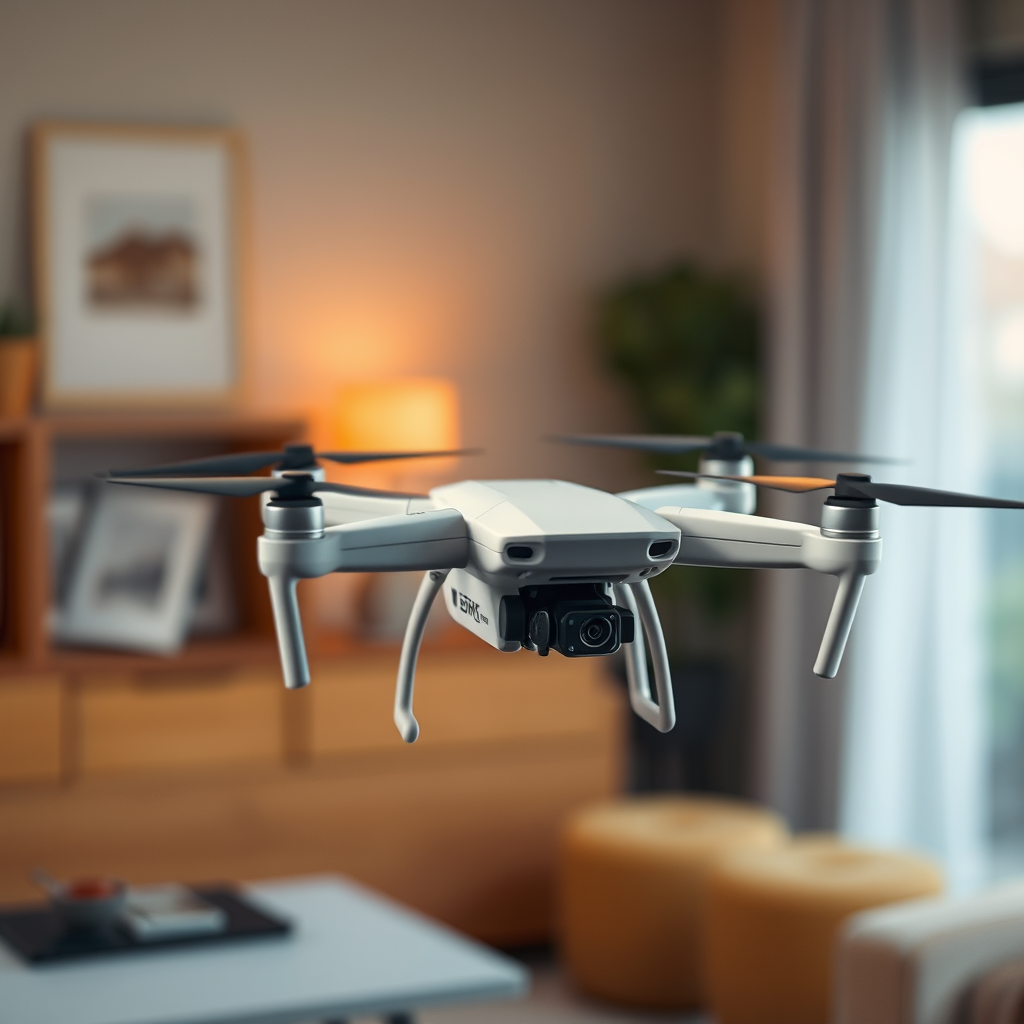
On the other hand, professional drones and racing drones may be designed with quieter operation in mind. These models often utilize advanced engineering techniques, such as optimizing rotor design for reduced noise production. While they can still be heard at close range, their noise levels are generally lower than those of consumer drones. For instance, some high-end commercial models, like the DJI Matrice series, operate at quieter decibel levels, making them more suitable for applications in urban areas or sensitive environments.
Factors Affecting Drone Noise Perception
Several factors influence how drone noise is perceived by individuals in the vicinity. One of the most significant factors is distance. The farther away a drone is, the less audible it becomes. For example, a drone flying at a distance of 100 meters may only produce a faint hum, while one flying nearby can create a noticeable disturbance. This distance effect is crucial for operators to consider, especially when flying in residential areas or near sensitive locations.
Environmental conditions also play a vital role in how drone noise is perceived. Wind can either amplify or muffle sounds, depending on its direction and intensity. For instance, a strong headwind may carry the sound of a drone farther than usual, while a gentle breeze may help dissipate the noise. Furthermore, terrain and urban structures can influence sound propagation. Buildings can create echoes or reflections that increase the perceived noise level, while open fields may allow sound to dissipate more effectively.
Typical Sound Levels of Drones
To better understand the noise levels associated with drones, it is helpful to examine the typical sound levels produced by various models. Most consumer drones operate at around 70-80 decibels, which is comparable to the sound of a vacuum cleaner or heavy traffic. This level of noise can be disruptive, particularly in quiet neighborhoods or rural settings.
Higher-end commercial drones, however, may operate at lower decibel levels, making them quieter and less disruptive. Some advanced models utilize technology designed to minimize noise, successfully operating at around 60-70 decibels. As manufacturers continue to innovate, we can expect the development of even quieter models that meet the needs of both operators and the communities in which they operate.
Regulations and Noise Control Measures
As drone usage has increased, so too have concerns about noise pollution. In response, several regions have implemented noise regulations for drone operations to minimize disturbances. These regulations often vary by location, with some areas imposing strict limits on allowable noise levels, particularly in residential zones or near wildlife habitats. Operators must familiarize themselves with local regulations to ensure compliance and foster positive relationships with the communities they serve.
Manufacturers are also taking proactive measures to address noise concerns. Many are exploring designs that incorporate noise-reducing technologies, such as quieter propellers and sound-dampening materials. By prioritizing noise control in their engineering processes, drone manufacturers aim to create products that can coexist harmoniously with urban and natural environments.
Tips for Reducing Drone Noise Impact
For drone operators concerned about noise impact, there are several strategies to consider to minimize disturbances. One of the most effective ways is to fly drones in open areas away from residential zones whenever possible. Open fields or dedicated drone parks can provide ample space for flying while reducing the likelihood of disturbing nearby residents.
Another approach is to choose quieter drone models if noise is a significant concern for you or your community. Researching and investing in drones known for their low noise levels can help operators balance their needs with those of the surrounding environment. Additionally, being mindful of flight times and avoiding early morning or late evening operations can further minimize noise impact on local communities.
Future Trends in Drone Noise Technology
The future of drone noise technology looks promising, with ongoing innovations aimed at reducing noise levels. Researchers and engineers are exploring new designs for quieter propellers that can significantly decrease the sound produced during flight. These advancements could make drones more suitable for use in urban environments and sensitive areas.
Furthermore, there is growing interest in sound-dampening materials that can be integrated into drone construction. Such materials could help absorb sound and reduce overall noise levels, making drones less intrusive. As the industry evolves, these technologies may lead to the development of next-generation drones that are not only quieter but also more efficient and environmentally friendly.
In conclusion, while you can hear drones flying, their noise levels can vary widely based on several factors, including the type of drone, its distance, and environmental conditions. Understanding these elements can help manage expectations and promote responsible drone use in your area. With advancements in technology and thoughtful regulations, the future holds promise for quieter, more considerate drone operations. If you’re interested in the latest drone technology or noise-reduction innovations, be sure to stay informed about developments in this fast-evolving field.
Frequently Asked Questions
Can you hear drones flying overhead?
Yes, you can typically hear drones flying overhead, especially if they are flying at lower altitudes. The noise level can vary depending on the drone’s size, type, and distance from the observer. Larger drones, such as those used for commercial or agricultural purposes, tend to produce more sound compared to smaller recreational drones, which might create a subtle buzzing noise that can be easily drowned out by ambient sounds.
Why do some drones make more noise than others?
The noise produced by a drone is influenced by several factors, including its design, size, and the type of motors and propellers used. Drones with larger propellers or more powerful motors tend to be noisier because they generate more air turbulence. Additionally, racing or high-speed drones are often designed for performance rather than quiet operation, making them louder than standard consumer drones.
How far away can you hear a drone flying?
The distance from which you can hear a drone flying largely depends on its noise level, flight altitude, and environmental conditions. Generally, a small consumer drone may be audible from about 100 to 400 feet away, while larger commercial drones can be heard from even greater distances, particularly in quiet environments. Factors like wind direction and background noise can also affect how far the sound travels.
What can I do if a drone is making too much noise in my area?
If a drone is causing noise disturbances in your area, the first step is to check local regulations regarding drone operations. Many areas have noise regulations that govern when and where drones can be flown. If the noise is excessive and you believe it violates local laws, you can contact local authorities or the Federal Aviation Administration (FAA) for guidance on how to address the issue.
Which drones are the quietest on the market?
The quietest drones on the market are typically those designed specifically for aerial photography or surveying, as they prioritize stability and noise reduction. Models like the DJI Mavic Air 2 and the Parrot Anafi are known for their relatively low noise levels due to their efficient propeller design and quieter motors. When choosing a drone, it’s important to consider specifications related to noise levels if you’re concerned about sound pollution.
References
- https://en.wikipedia.org/wiki/Drone
- https://www.theguardian.com/technology/2022/feb/04/can-you-hear-drones-flying
- https://www.sciencedirect.com/science/article/pii/S1369811821001061
- https://www.nytimes.com/2021/12/15/technology/drones-noise.html
- https://www.faa.gov/uas/
- https://www.nasa.gov/mission_pages/airboard/news/drone-noise.html
- https://www.ncbi.nlm.nih.gov/pmc/articles/PMC7541325/
- https://www.itu.int/en/ITU-T/journal/Pages/2020-1.aspx
