

Yes, you can jam drones using specific technologies, but it’s important to note that doing so may be illegal in many jurisdictions. Drone jamming involves disrupting the communication signals between a drone and its operator, effectively rendering the drone inoperable. This article explores the methods of jamming drones, the legal implications surrounding this technology, and alternative solutions for managing unwanted drone activity.
Understanding Drone Jamming Technology
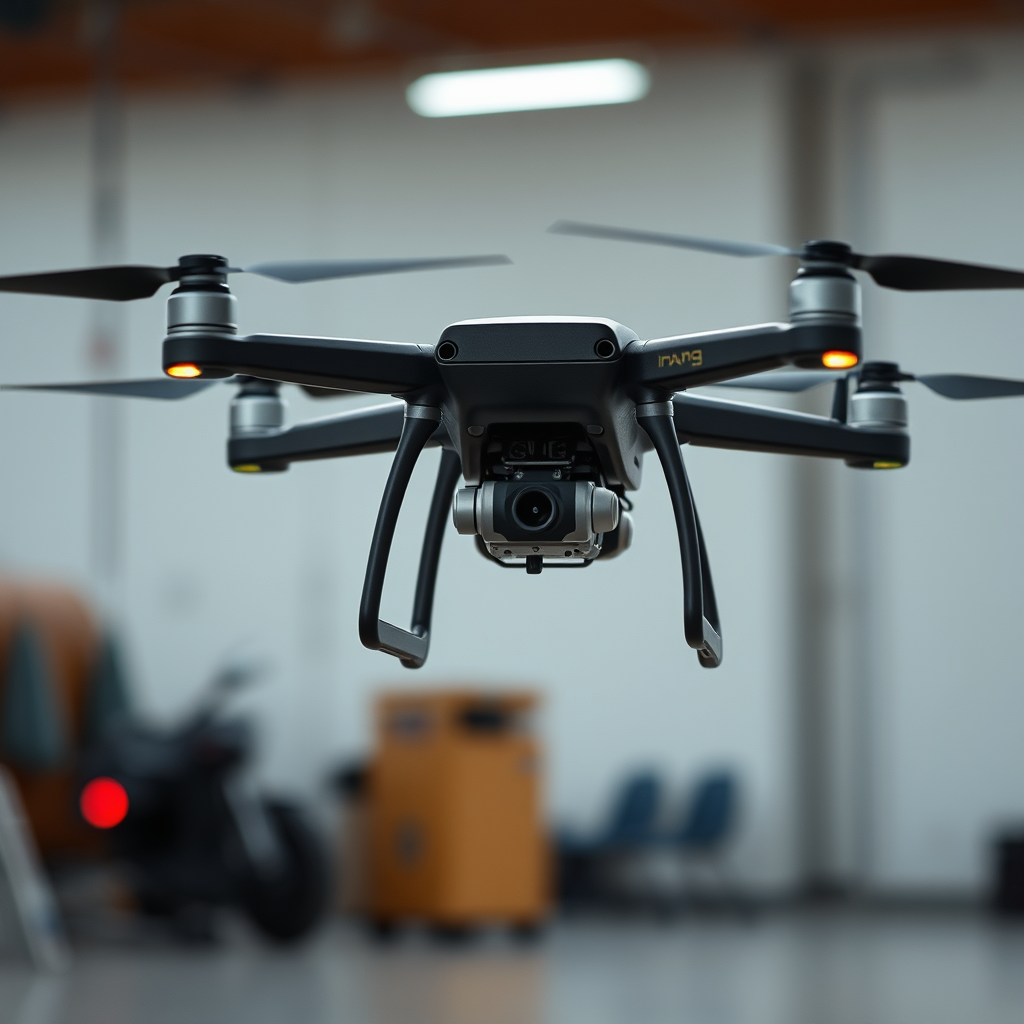
Drone jamming entails using electronic devices to interfere with the radio frequencies or GPS signals that control drones. By disrupting these signals, jamming technology can cause drones to lose connection with their operators, leading to erratic behavior or forced landings. Jamming devices can vary in complexity and power, ranging from handheld units designed for personal use to large-scale systems employed by military organizations.
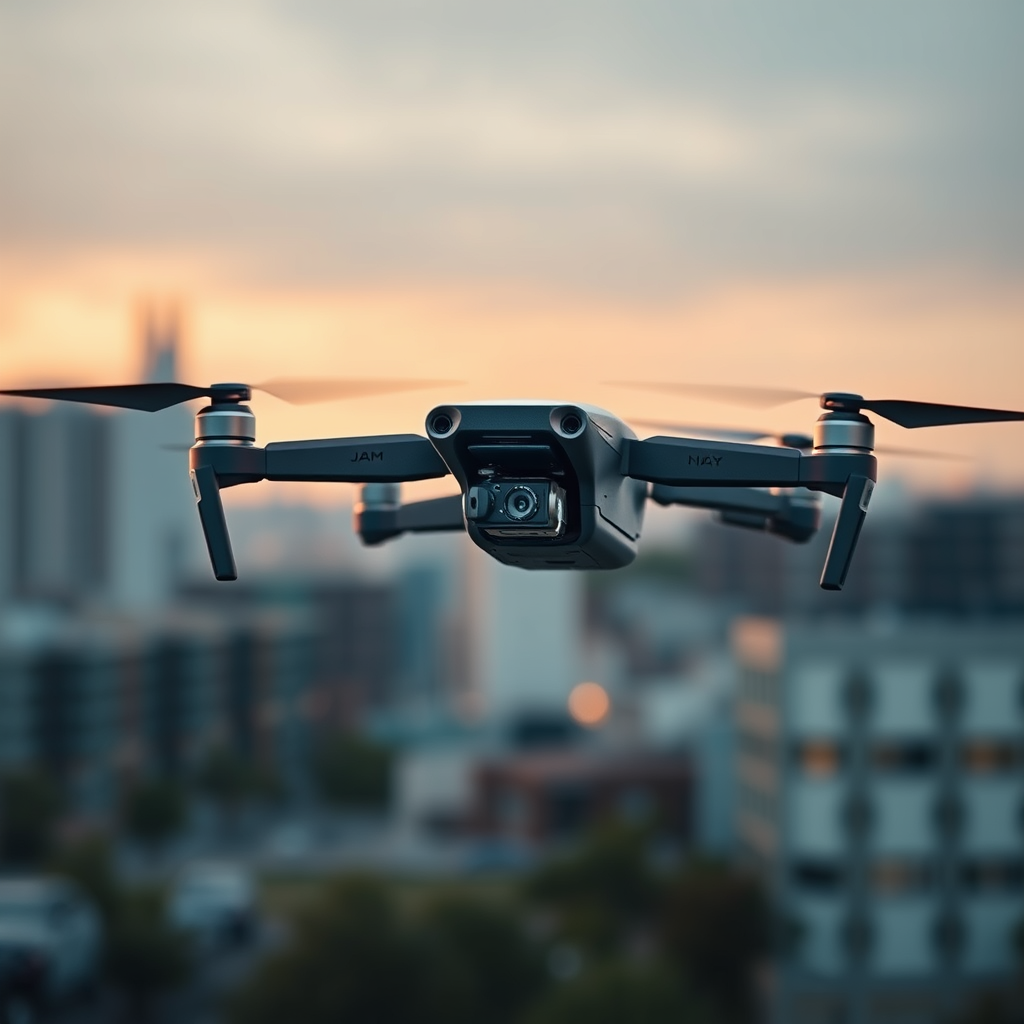
There are two primary types of jamming devices: radio frequency (RF) jammers and GPS jammers. RF jammers target the communication links between the drone and the operator, while GPS jammers disrupt the drone’s navigation systems. This distinction is critical for understanding how jamming works and the potential impacts on drone operations.
Legal Implications of Drone Jamming
The use of jamming technology is heavily regulated in many countries due to its potential to interfere with legitimate communications and safety operations. In the United States, for example, the Federal Communications Commission (FCC) prohibits the operation of jamming devices under any circumstances. Violators can face severe penalties, including hefty fines and possible imprisonment.
Similar regulations exist in other countries, with legal frameworks varying but generally emphasizing the importance of maintaining communication integrity in both civilian and military contexts. Unauthorized jamming can lead not only to legal repercussions but also to safety risks, as interfering with drone operations could inadvertently affect manned aircraft or emergency services.
Types of Jamming Techniques
There are two main types of jamming techniques: active and passive jamming. Active jamming involves transmitting signals that interfere with the target signals, effectively drowning them out. This technique requires careful calibration to ensure that the jamming signals are powerful enough to disrupt the drone without affecting other communications in the vicinity.
On the other hand, passive jamming does not involve transmitting signals but instead relies on creating physical barriers or employing natural obstructions to disrupt signal reception. For example, deploying nets or reflective surfaces can impede a drone’s ability to receive signals or communicate effectively. While passive jamming may be less intrusive and more legally permissible, its effectiveness can vary greatly depending on the environment.
Situations Where Jamming Might Be Used
Jamming technology has specific applications where its use is considered necessary or beneficial, particularly in military and security contexts. Military operations may employ jamming to prevent enemy drones from gathering intelligence or conducting surveillance. Similarly, security personnel may utilize jamming to protect sensitive areas from unauthorized drone access, such as prisons, government buildings, or major events.
However, the use of jamming technology is not without ethical considerations. Non-commercial uses of jamming can lead to unintended consequences, such as disrupting legitimate drone operations, which may be used for emergency services, deliveries, or recreational purposes. It is essential to weigh the potential benefits against the ethical implications of jeopardizing lawful activities.
Alternatives to Jamming Drones
Given the legal and ethical complexities associated with jamming, exploring alternative methods for managing drone presence is critical. Legal solutions include notification systems that inform drone operators about restricted areas, enabling them to comply without interference. Additionally, implementing drone detection technologies can help identify unauthorized drones and provide real-time alerts, allowing for appropriate responses.
Physical barriers can also serve as effective deterrents. For instance, installing netting around sensitive areas can physically prevent drones from trespassing. Moreover, geo-fencing technology, which restricts drone operation in designated areas, serves as a proactive measure to mitigate unwanted drone activity.
The Future of Drone Jamming
As technology continues to evolve, the landscape of drone management is likely to change significantly. Advances in signal processing and electronic warfare may lead to more sophisticated jamming techniques that are harder to detect and regulate. Additionally, as drones become more integrated into various industries, the push for clearer regulations regarding jamming technology may intensify.
Legal frameworks surrounding drone jamming may also evolve in response to growing concerns about privacy, security, and the safety of airspace. Stakeholders, including drone manufacturers, law enforcement, and policymakers, must collaborate to establish comprehensive regulations that balance security needs with the rights of drone operators.
In conclusion, while jamming drones is technically feasible, it carries significant legal risks and ethical considerations. The complexities surrounding jamming technology highlight the importance of exploring alternative solutions for dealing with unwanted drone activity. By ensuring compliance with local laws and utilizing innovative strategies, individuals and organizations can effectively manage drone interactions without resorting to jamming.
Frequently Asked Questions
Can you legally jam drones in the United States?
No, jamming drones is illegal in the United States under the Communications Act of 1934. The Federal Communications Commission (FCC) prohibits the use of jamming devices, as they can interfere with legitimate communications and emergency services. Instead of jamming, it is advisable to report unauthorized drone activity to local authorities or use legal alternatives like drone detection systems.
How do drone jammers work?
Drone jammers work by emitting radio frequency signals that disrupt the communication between the drone and its controller. This interference can cause the drone to lose connection, potentially leading to a fail-safe mode where the drone returns to its takeoff point or hovers in place. However, using such devices can lead to severe legal repercussions and unintended consequences, such as endangering public safety.
Why would someone want to jam a drone?
Individuals may want to jam drones for various reasons, such as protecting their privacy, preventing surveillance, or stopping potential security threats. However, it’s crucial to note that while the intention might be to safeguard personal space or property, the act of jamming is illegal and can result in significant fines or criminal charges. There are lawful alternatives for addressing drone-related concerns.
What are the best legal alternatives to jamming drones?
The best legal alternatives to jamming drones include using drone detection systems, which can alert you to nearby drone activity without interference. You can also consult with local law enforcement about concerns regarding privacy and security. Additionally, some areas have implemented no-fly zones; contacting local authorities can provide clarity on the regulations in your area.
Which devices can interfere with drone operations without jamming?
Devices such as signal blockers or RF detectors can help monitor drone activity without actively jamming signals. These devices can alert you to the presence of drones and their operating frequencies. However, it is essential to remain compliant with local regulations and ensure that any equipment used does not interfere with legitimate communications or emergency services.
References
- https://en.wikipedia.org/wiki/Drone_jamming
- https://www.bbc.com/news/world-us-canada-57197901
- https://www.faa.gov/uas/resources/policy_briefings/media/Drones_and_Jamming.pdf
- https://www.cnbc.com/2022/02/25/ukraine-uses-drone-jamming-technology-to-disrupt-russian-invasions.html
- https://www.nytimes.com/2022/10/10/technology/drones-jamming.html
- https://www.rand.org/pubs/research_reports/RR2495.html
