
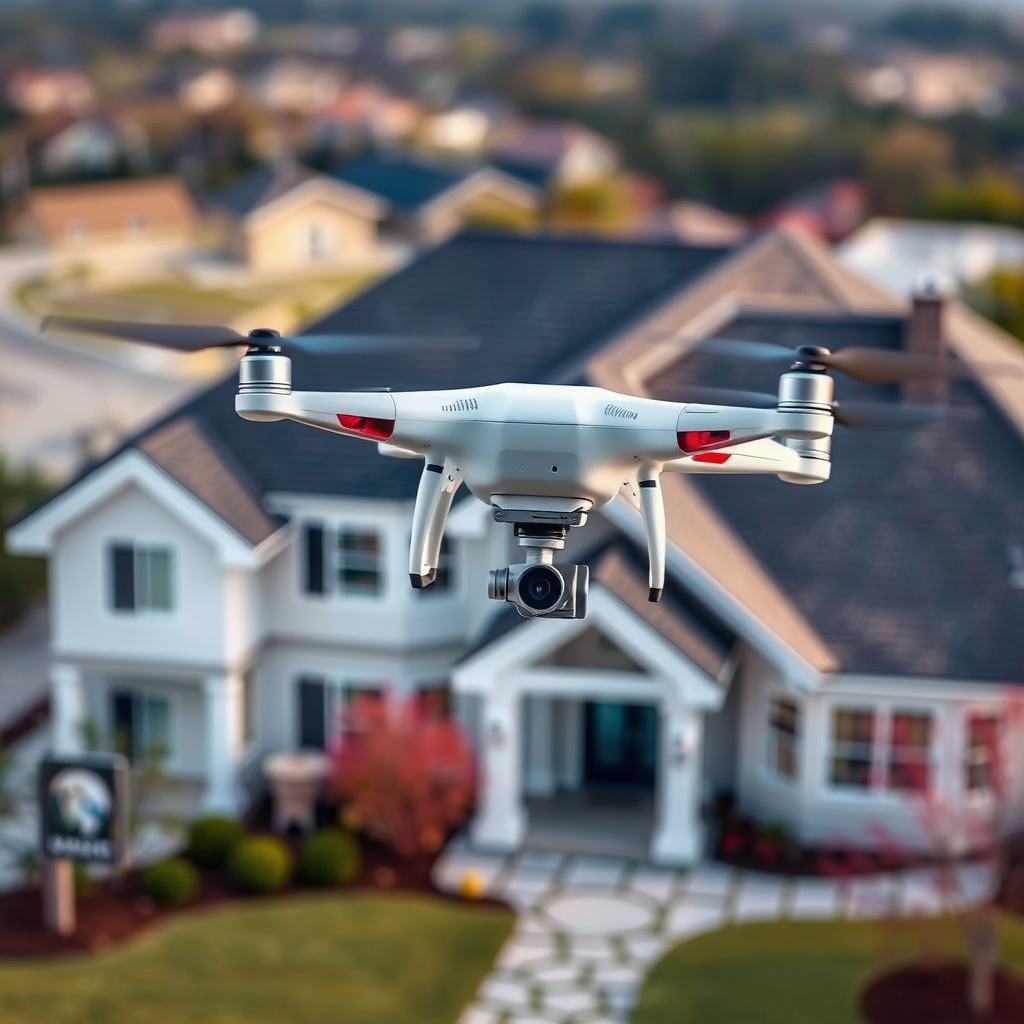
Yes, in Oklahoma, property owners have the right to shoot down a drone that is flying over their property, as long as it poses a threat or is considered trespassing. However, this action carries significant legal nuances and safety considerations that must be understood before taking such drastic measures. The rise of drone technology has prompted various regulatory frameworks at both federal and state levels, making it crucial for property owners to be informed about their rights and the potential consequences of shooting down a drone.
Understanding Drone Regulations in Oklahoma
In the United States, drone use is primarily regulated by the Federal Aviation Administration (FAA). The FAA has established comprehensive rules governing drone operation, including registration requirements, pilot certification, and operational limits. These federal regulations are designed to ensure safety in the national airspace and apply uniformly across states, including Oklahoma.
However, Oklahoma state law also imposes additional restrictions on drone operations. For instance, the Oklahoma Drone Law prohibits the use of drones in certain situations, such as to conduct surveillance without consent or to invade an individual’s privacy. Furthermore, local municipalities may have their own regulations regarding drone use, which can add another layer of complexity for property owners. It is essential for individuals to familiarize themselves with both federal and state regulations to ensure they are compliant and to understand their rights when it comes to dealing with drones over their property.
Property Rights and Airspace
Property rights in Oklahoma extend to a reasonable use of the airspace above one’s land, but this is not absolute. Legally, property owners are entitled to control the airspace to a certain height, typically around 500 feet, which is consistent with FAA regulations. This means that while you may have rights to the airspace directly above your property, those rights diminish as altitude increases, particularly as aircraft and drones operate in higher altitudes.
Shooting down a drone can be considered destruction of property, as drones are owned by individuals or businesses. If the drone is not trespassing or posing an immediate threat, taking action against it could expose the shooter to legal repercussions, including civil lawsuits for damages or even criminal charges. Therefore, property owners must weigh the potential for legal consequences against their rights to protect their property.
Legal Consequences of Shooting a Drone
The legal landscape surrounding the shooting of drones is complex and fraught with potential pitfalls. Destroying a drone can lead to civil lawsuits, especially if the drone was not actively threatening the property or the owner. Owners of destroyed drones may pursue compensation for damages, including the cost of the drone, any data or equipment it carried, and potentially even punitive damages if they can prove willful misconduct.
Moreover, criminal charges may arise if the action is deemed reckless or if it endangers public safety. In Oklahoma, this could lead to charges of endangerment or unlawful discharge of a firearm, depending on the circumstances. Therefore, it is crucial to understand the legal definitions of “trespassing” in relation to airspace to determine whether the drone’s presence qualifies for a defensive response.
Safety Considerations
Shooting a drone is not just a legal issue; it also poses significant safety risks to individuals and property nearby. Bullets can ricochet, potentially harming innocent bystanders or damaging nearby structures. Additionally, the act of shooting a drone can escalate tensions between neighbors or lead to confrontational scenarios that could result in injury or further legal complications.
Property owners should consider the implications of their actions on their community and the potential for unintended consequences. Engaging in responsible behavior and considering the safety of others is paramount. It’s advisable to explore non-destructive alternatives for addressing drone concerns before resorting to drastic measures.
Alternatives to Shooting a Drone
Instead of shooting down a drone, property owners have several safer and legally sound alternatives. One effective option is to report the drone to local authorities. Many police departments have procedures in place to handle drone complaints, and they can investigate the situation to determine whether any laws are being violated.
Another alternative is the use of technology designed to disrupt drone operations, such as “drone jammers.” These devices can interfere with the control signals between a drone and its operator, causing the drone to land safely without the need for destructive action. However, it’s important to note that the legality of using jammers varies and often falls under strict federal regulations, so consulting legal advice before employing such technology is essential.
Engaging with local law enforcement or community organizations can also provide avenues for resolving drone-related issues without conflict. Many localities are developing drone ordinances, and becoming involved in these discussions can help shape responsible drone use in the community.
When to Seek Legal Advice
Given the complexities surrounding property rights, drone regulations, and potential legal consequences, seeking legal advice is prudent if you are uncertain about your rights or if an incident occurs involving a drone. An attorney with expertise in aviation law and property rights can help clarify your legal standing, assist with any disputes, and provide guidance on how to navigate the intricacies of drone laws.
Legal counsel can also be invaluable in situations where a drone’s presence raises privacy concerns or poses a legitimate threat to safety. Consulting an attorney can help you make informed decisions that protect your rights while minimizing risks.
In summary, while you technically can shoot a drone over your property in Oklahoma, it is fraught with legal and safety implications. Property owners should carefully assess the situation, consider alternative solutions, and seek legal counsel if necessary to protect their rights responsibly. Understanding the regulatory landscape and exploring non-destructive options can help foster a safer and more harmonious environment in the face of emerging drone technology.
Frequently Asked Questions
Can I legally fly a drone over my own property in Oklahoma?
Yes, you can legally fly a drone over your own property in Oklahoma, as long as you comply with federal regulations outlined by the Federal Aviation Administration (FAA). This includes registering your drone if it weighs more than 0.55 pounds and adhering to rules regarding airspace and altitude restrictions. Additionally, be mindful of privacy laws and avoid flying over private property without permission from the owners.
What are the restrictions for flying drones in Oklahoma?
In Oklahoma, drone operators must follow both federal and state regulations. This includes flying below 400 feet, keeping the drone within visual line of sight, and avoiding restricted airspace near airports and military bases. Furthermore, the Oklahoma law prohibits using drones for surveillance or to invade someone’s privacy, so it’s essential to stay updated on local laws and regulations to ensure compliance.
How can I ensure I’m flying my drone safely over my property in Oklahoma?
To ensure safe drone operation over your property in Oklahoma, always perform a pre-flight check of your drone, familiarize yourself with the area, and monitor weather conditions. It’s also important to stay away from crowds and avoid flying near critical infrastructure or emergency response efforts. Lastly, consider taking a drone safety course to enhance your flying skills and knowledge of safety protocols.
What should I do if my drone flies over my neighbor’s property in Oklahoma?
If your drone accidentally flies over your neighbor’s property in Oklahoma, the best approach is to land it immediately and communicate with your neighbor about the situation. Explain that it was unintentional and reassure them that you respect their privacy. Additionally, familiarize yourself with local drone laws to avoid future incidents and maintain good neighborly relations.
Are there any insurance options for flying drones in Oklahoma?
Yes, there are various insurance options available for drone operators in Oklahoma. Many companies offer liability insurance designed specifically for drone pilots, which can cover damages caused by accidents or injuries. It’s advisable to research and compare different policies to find coverage that fits your needs, especially if you plan to use your drone for commercial purposes or in sensitive areas.
References
- https://www.faa.gov/uas/getting_started/registration
- https://www.faa.gov/uas/resources/policy_library/
- https://www.faa.gov/uas/media/Part_107_Summary.pdf
- https://www.oklahoma.gov/oom/faq/drone-laws.html
- https://www.nolo.com/legal-encyclopedia/drone-laws-what-you-need-know-29724.html
- https://www.nytimes.com/2021/06/10/us/drone-regulations.html
