

Yes, you can pack a drone on an airplane, but there are specific regulations and guidelines you must follow to ensure compliance with airline policies and safety protocols. Understanding these rules will help you travel smoothly with your drone, allowing you to capture breathtaking aerial footage during your trip. As the popularity of drones continues to soar, it’s essential for travelers to stay informed about the requirements for air travel with these devices, including packing, security checks, and international regulations.
Airline Policies for Drones
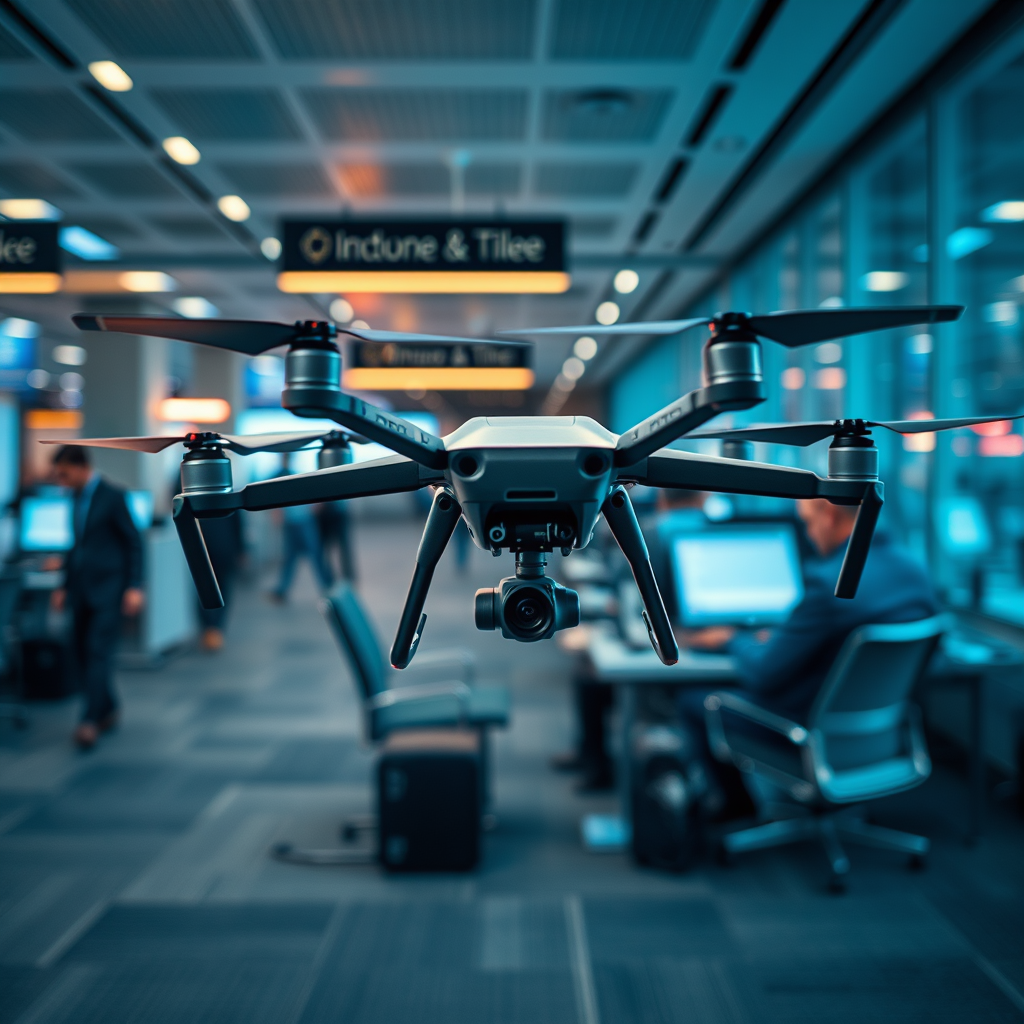
Airline policies regarding drones can vary significantly, so it is crucial to check the specific regulations of your airline before you travel. Some airlines permit drones in both carry-on and checked baggage, while others strictly require that they be carried on. For instance, major carriers like American Airlines and Delta have guidelines that may restrict the size and weight of drones allowed in the cabin. Additionally, certain airlines may impose restrictions on the use of drones in their destination countries, which can also affect your travel plans. Always review your airline’s policy on drones and consider calling their customer service for clarification if needed.
Packing Your Drone Safely
To ensure your drone arrives at your destination in optimal condition, packing it safely is paramount. Using a padded case specifically designed for drone transportation can help protect it from potential damage during transit. Many manufacturers provide hard or soft shell cases that are tailored to fit their models, complete with compartments for accessories.
Moreover, before packing your drone, it is essential to remove the batteries and store them separately. Lithium batteries, which are commonly used in drones, are subject to specific regulations due to their potential fire hazard. The FAA and many airlines require that lithium batteries be carried in the cabin, with limits on the watt-hour rating. Typically, batteries over 100 watt-hours are not permitted in carry-on luggage, so verify the specifications of your batteries to ensure compliance.
TSA Regulations
Familiarizing yourself with TSA regulations is a critical step in traveling with a drone. The Transportation Security Administration has established rules regarding the transport of electronic devices, including drones. Generally, drones must be placed in carry-on luggage, and larger models may need to undergo additional screening at security checkpoints.
When you arrive at the security checkpoint, it is advisable to declare your drone to TSA personnel. This declaration can help prevent delays or misunderstandings during the screening process. Additionally, be prepared to remove the drone from your bag for inspection, as TSA may need to conduct a thorough check to ensure safety compliance.
International Travel Considerations
Traveling internationally with a drone requires additional research and preparation. Each country has its own set of regulations governing drone usage, and failure to comply can lead to legal issues or confiscation of your equipment. For example, countries like Canada and the United Kingdom have specific rules regarding the registration of drones and operator certification.
Before traveling, investigate the importation and usage laws of your destination country. Some nations may require you to obtain permits or adhere to stringent regulations regarding where and how you can fly your drone. Failing to comply with local laws can result in fines or even criminal charges, so thorough research is essential.
Travel Tips for Drone Enthusiasts
As a drone enthusiast, ensuring a seamless travel experience involves more than just adhering to regulations. Consider packing extra propellers and essential accessories, as these components are susceptible to damage during travel. This preparation can save you from potential frustration upon arrival should you need to replace a broken part.
Engaging with drone forums or communities can provide valuable insights and tips from fellow travelers. These platforms often share firsthand experiences regarding traveling with drones, including recommendations for specific locations that are drone-friendly and advice on navigating various airline policies. Leveraging community knowledge can enhance your overall travel experience and help you connect with like-minded individuals.
Insurance and Liability
When traveling with a drone, it is prudent to look into travel insurance that specifically covers drone damage or loss. Not all travel insurance policies include coverage for drones, so it is vital to choose a plan that explicitly addresses these devices.
Additionally, understanding your liability in case of accidents or incidents involving your drone during travel is crucial. Some insurance policies may offer liability coverage for damages caused by your drone, providing peace of mind as you navigate new environments. Always read the fine print and ensure that you have adequate coverage to protect yourself and your investment.
In conclusion, traveling with a drone is certainly achievable as long as you adhere to the regulations set forth by airlines and the TSA. By proactively researching airline policies, packing your drone safely, and understanding international travel regulations, you can enjoy your flying experience at your destination. Remember to engage with local drone communities and ensure your equipment is insured to further enhance your travel experience. Ultimately, careful planning and adherence to guidelines will ensure that your journey with your drone is both enjoyable and compliant.
Frequently Asked Questions
Can you pack a drone in your carry-on luggage when flying?
Yes, you can pack a drone in your carry-on luggage when flying, but there are specific guidelines to follow. Most airlines allow drones in carry-on bags as long as they meet size and weight restrictions. Additionally, ensure that the drone’s lithium battery is properly stored, typically in its original packaging or a protective case, to comply with safety regulations.
What are the regulations for flying with a drone on an airplane?
Regulations for flying with a drone on an airplane can vary by airline and country, but generally, travelers are advised to check both airline policies and local laws regarding drone use. In the U.S., the FAA allows drones under 55 pounds in carry-on, but you must declare them at security. International travel may have stricter regulations, so it’s crucial to research your destination’s drone laws before packing.
How do I safely transport my drone on a plane?
To safely transport your drone on a plane, ensure that the drone is disassembled if possible, and securely packed to prevent damage. Use a sturdy, padded case designed for drones, and remove the batteries to comply with airline regulations. Always check specific airline guidelines regarding battery watt-hour ratings to avoid issues at security checkpoints.
Why do airlines have restrictions on carrying drones?
Airlines have restrictions on carrying drones primarily due to safety concerns related to lithium batteries, which can pose fire hazards if damaged or improperly handled. Additionally, drones can be considered potential security risks, necessitating careful screening at checkpoints. Complying with airline policies helps ensure a smooth travel experience for all passengers.
What is the best way to prepare my drone for air travel?
The best way to prepare your drone for air travel is to first check the airline’s specific guidelines and ensure your drone is within size and weight limits. Remove the batteries, and store them in a safe, compliant manner, such as a battery case. Additionally, consider carrying spare parts like propellers in your checked luggage to prevent any disruptions during your trip.
References
- https://www.faa.gov/uas/getting_started/packing_drones
- https://www.tsa.gov/travel/security-screening/whatcanibring/items/drone
- https://www.nytimes.com/2020/07/07/travel/drones-air-travel.html
- https://www.washingtonpost.com/road-to-recovery/2020/07/02/what-you-need-know-about-flying-with-your-drone/
- https://www.tsa.gov/travel/security-screening/whatcanibring/items/drone
- https://www.edc.eu/en/faq/drone-travel-airplane.html
- https://www.bbc.com/news/technology-48666358
