

Yes, you can put a camera on a drone, and it’s a common practice among hobbyists and professionals alike. Attaching a camera allows for stunning aerial photography and videography, unlocking creative opportunities that were once only available to filmmakers and photographers with access to expensive equipment. However, before you embark on this aerial adventure, there are several crucial considerations to keep in mind regarding compatibility, weight, and legal regulations.
Understanding Drone Compatibility
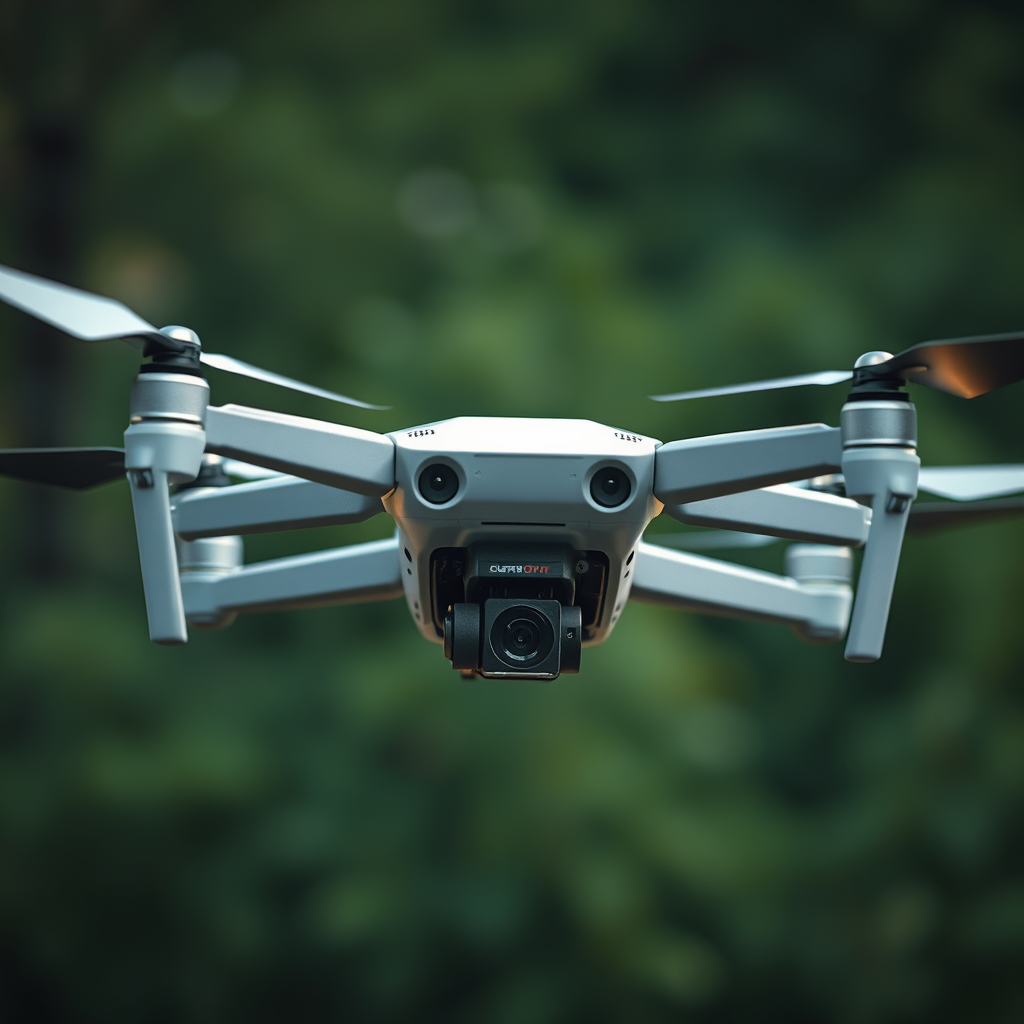
Not all drones are designed to support cameras, so it’s essential to check the specifications of your drone before attaching any equipment. Some drones come equipped with built-in cameras, such as DJI’s Mavic series or the Phantom line, which are engineered for optimal performance with their integrated imaging systems. Others, however, are designed to allow for aftermarket camera attachments, providing flexibility for users who want to customize their setup. When selecting a drone, consider factors such as the payload capacity, the stabilization system, and the controlling software, as these elements will significantly influence the performance and quality of the footage captured.
Types of Cameras for Drones
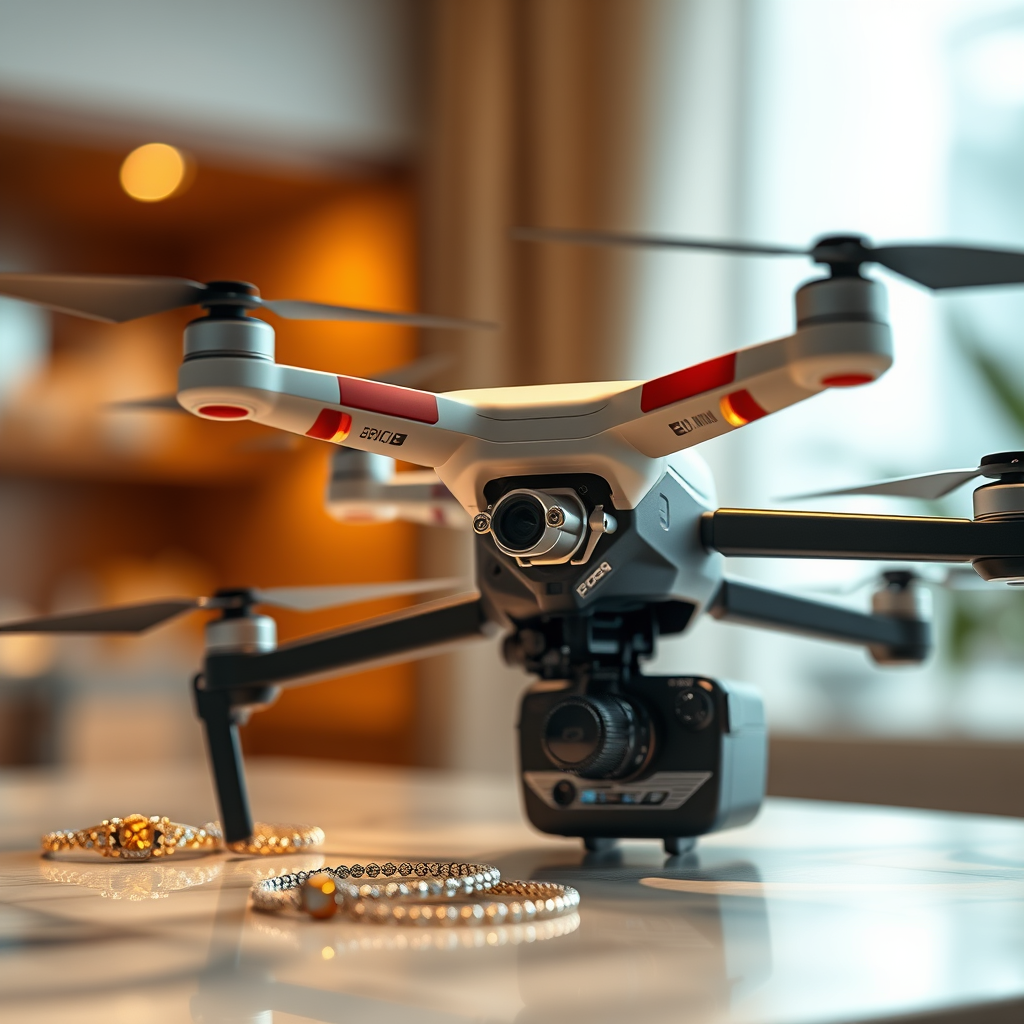
When it comes to choosing a camera for your drone, there are various options to consider, each with its unique advantages. Action cameras, such as the GoPro Hero series, are popular choices due to their lightweight design and durability. They are engineered to withstand harsh environmental conditions and are easy to mount on most drones. For those seeking higher-quality imagery, DSLR and mirrorless cameras can be used but require more robust drone models capable of handling the additional weight. For instance, the DJI Matrice series can accommodate high-end cameras like the Sony A7 series, allowing for exceptional image quality and versatility. Each camera type caters to different filming needs and styles, making it vital to align your choice with your specific objectives.
Weight Considerations
One of the most critical aspects of attaching a camera to a drone is ensuring that the camera’s weight is within the drone’s payload capacity. Every drone has a specified limit for how much weight it can safely carry, and exceeding this can lead to decreased flight performance, reduced battery life, and even potential crashes. For example, if a drone has a maximum payload of 1,000 grams and you attach a camera weighing 500 grams, you must also account for the weight of any mounting equipment and additional accessories. It’s advisable to keep the total weight well below the maximum to maintain optimal maneuverability and safety. A general rule of thumb is to aim for a payload that is around 70-80% of the drone’s total capacity to ensure a safe and effective flight.
Mounting and Stabilization
To achieve the best results in aerial photography and videography, proper mounting and stabilization of the camera are crucial. Using gimbals or specialized mounts can significantly enhance the stability of your camera during flight, reducing vibrations that can lead to shaky footage. Gimbals work by using motors to counteract the drone’s movements, stabilizing the camera and allowing for smooth, cinematic shots. For instance, the DJI Ronin series provides advanced stabilization technology that can be particularly effective when filming dynamic scenes. Additionally, ensure that the camera is securely fastened to the drone to prevent any accidents during flight. Familiarize yourself with mounting techniques and invest in high-quality accessories to improve the overall quality of your captured footage.
Legal Regulations and Safety
Before flying a drone equipped with a camera, it is paramount to check local laws and regulations regarding drone operation and camera usage, particularly in public areas. Many countries have specific rules governing where and how drones can be flown, especially when equipped with cameras, to protect the privacy of individuals. In the United States, for example, the Federal Aviation Administration (FAA) has established guidelines that drone operators must adhere to, including maintaining visual line-of-sight, flying below 400 feet, and avoiding restricted airspace. Additionally, some states and municipalities have their regulations regarding drone flights, so it’s essential to research and comply with all relevant laws. Prioritizing safety and legal compliance not only protects you but also promotes responsible drone usage within your community.
Tips for Capturing Great Footage
To maximize the potential of your drone camera setup, planning your shots and practicing flying with the camera attached is essential. Consider scouting locations and identifying the best angles for your footage in advance. Experimenting with various heights and camera angles can yield dynamic results that enhance the storytelling aspect of your videos. For instance, low flying shots can create dramatic perspectives, while high-altitude views can capture expansive landscapes. Moreover, understanding the principles of composition, such as the rule of thirds, can significantly improve the aesthetic appeal of your shots. Finally, practice flying in different conditions to become comfortable with your drone’s handling and capabilities, ensuring that you can adapt to varying environments during your shoots.
Maintenance and Care
Regular maintenance of both your drone and camera is vital to ensure optimal performance and longevity. After each flight, inspect your drone for any signs of wear and tear, particularly on the propellers and battery. Clean the camera lens to avoid any obstructions that could affect image quality. Additionally, store your equipment properly in a protective case to prevent damage from environmental factors such as moisture or extreme temperatures. Following a routine maintenance schedule not only enhances the performance of your drone and camera but also ensures that you are always ready for your next aerial adventure.
In summary, attaching a camera to a drone is not only possible but can significantly elevate your aerial photography and videography experience. By carefully considering compatibility, weight limits, mounting techniques, and legal regulations, you can create stunning visual content safely and effectively. With the right preparation and knowledge, you can explore the skies and capture breathtaking footage that showcases the world from a new perspective. Start exploring your options today and unlock the potential of aerial imaging!
Frequently Asked Questions
Can you put a camera on any drone?
Not all drones are designed to carry cameras. Most consumer drones come with a built-in camera or a mounting option for an external one. However, if you want to attach a camera to a drone that doesn’t have this capability, you need to consider the drone’s weight limit and stability. Always ensure that the drone can handle the additional weight of the camera and that the mounting does not obstruct any drone components.
How do you attach a camera to a drone?
Attaching a camera to a drone typically involves using a mounting bracket or a gimbal, which stabilizes the camera during flight. First, ensure that the drone is powered off, then securely fasten the camera to the drone’s mounting point. Follow the manufacturer’s instructions for specific drones, as the attachment method can vary. Additionally, make sure to check that the camera is balanced to avoid affecting the drone’s flight performance.
Why would someone want to put a camera on a drone?
People put cameras on drones for various reasons, including aerial photography, videography, surveying land, and capturing unique perspectives that are difficult to achieve otherwise. Drones equipped with high-quality cameras can provide stunning visuals for personal projects, real estate listings, and even professional film production. Moreover, using drones for surveillance or monitoring can be invaluable for businesses and industries, making them an essential tool in many fields.
What is the best type of camera to use with a drone?
The best type of camera to use with a drone depends on your intended use. For professional-grade photography and videography, high-resolution cameras like DSLRs or mirrorless models are ideal, though they require more robust drones. If you are a hobbyist, action cameras like the GoPro are lightweight and provide excellent image quality. Always ensure that the camera’s weight does not exceed the drone’s payload capacity to maintain optimal flight performance.
Which drones are best for carrying cameras?
Drones that are specifically designed for aerial photography and videography are the best choices for carrying cameras. Popular models include the DJI Phantom series, DJI Mavic series, and the Autel Robotics EVO series. These drones come with advanced stabilization features, high payload capacities, and impressive flight times, making them suitable for capturing high-quality images and videos. When selecting a drone, consider the camera’s compatibility and the drone’s specifications to ensure optimal performance.
References
- https://en.wikipedia.org/wiki/Drone_photography
- https://www.faa.gov/uas/getting_started/part_107/
- https://www.nationalgeographic.com/science/article/drones-are-changing-the-way-we-see-the-world
- https://www.reuters.com/business/aerial-photography-drones-are-changing-way-we-capture-images-2021-08-10/
- https://www.sciencedirect.com/science/article/pii/S2352864817300417
- https://www.pnas.org/content/116/40/19815
- https://www.techrepublic.com/article/how-to-choose-the-best-drone-for-your-needs-2021-edition/
- https://www.wired.com/story/why-drone-photography-is-the-future-of-visual-media/
