

You can shoot a drone over your property, but there are important legal and safety considerations to keep in mind. While property owners may feel the urge to protect their privacy and property rights, understanding the regulations surrounding drone use and the potential consequences of using force is crucial. This blog post delves into the intricacies of drone laws, property rights, and the ramifications of taking aggressive actions against drones, equipping you with the knowledge to navigate this complex issue.
Understanding Drone Laws

Federal Aviation Administration (FAA) regulations govern airspace and drone usage in the United States. According to the FAA, drones are classified as Unmanned Aircraft Systems (UAS) and are subject to national airspace laws. The FAA requires drone operators to adhere to specific guidelines, including maintaining a maximum altitude of 400 feet and flying within visual line-of-sight. Additionally, certain areas, such as near airports, military bases, and national parks, are designated as no-fly zones, which means that flying a drone in these areas is strictly prohibited.
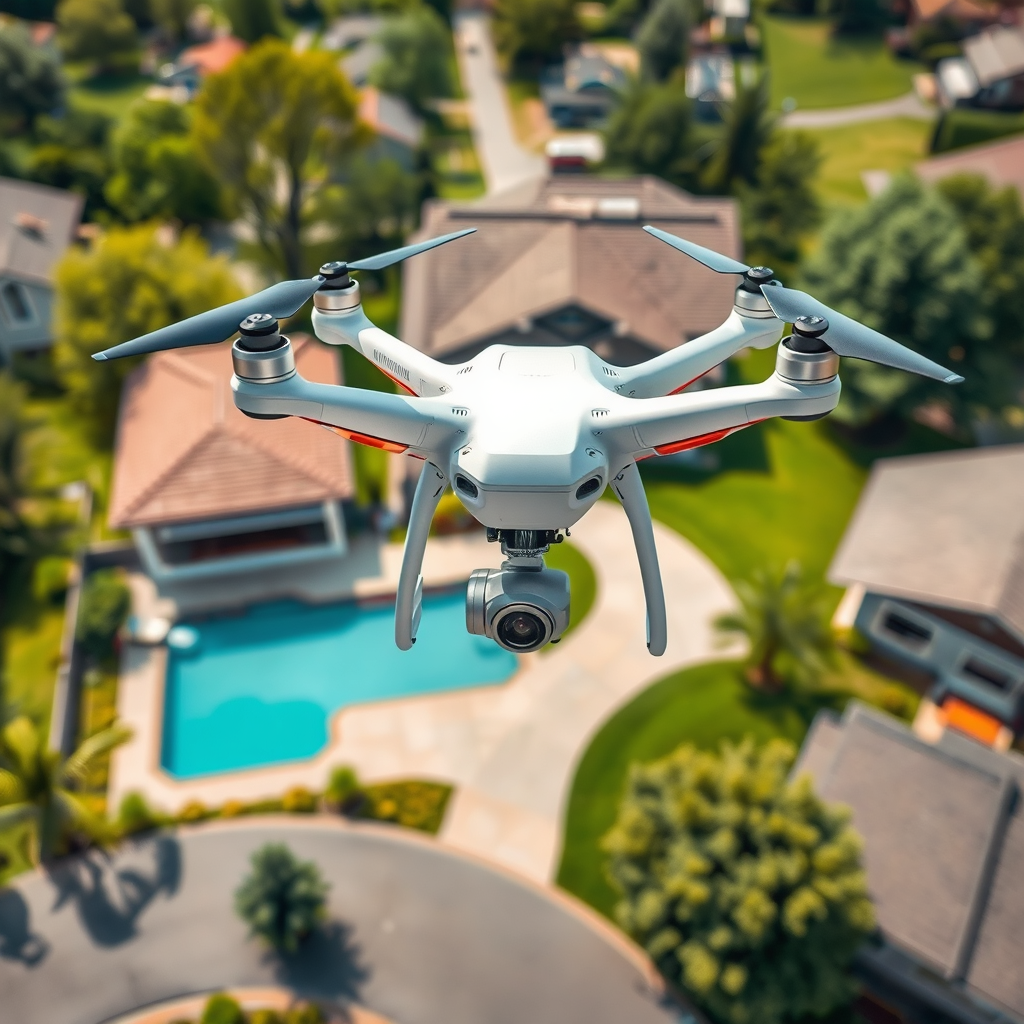
Local laws may impose additional restrictions on drone operations, including limitations on where and when drones can be flown. Some municipalities have enacted ordinances that restrict drone usage in residential neighborhoods or public parks to mitigate privacy concerns and noise disturbances. Therefore, property owners concerned about drone activity should familiarize themselves with both federal and local regulations to ensure compliance and avoid potential conflicts.
Your Rights as a Property Owner
As a property owner, you have certain rights concerning the airspace above your land. While it is generally accepted that property owners have rights extending vertically to a reasonable height, the legal interpretation of what constitutes “reasonable” can vary significantly by jurisdiction. In many cases, this height is considered to be around 200 feet, but it can differ based on local laws and court rulings.
Understanding the distinction between reasonable use of airspace and an invasion of privacy is vital. For instance, if a drone is hovering at a safe altitude and capturing images or video of your property, it may not necessarily be deemed an invasion of privacy under the law. However, if the drone is capturing footage from a lower altitude or intruding into your personal space, you may have grounds for legal action. It is crucial to review local statutes and consult with a legal professional to fully understand your rights in these scenarios.
Consequences of Shooting a Drone
Shooting down a drone, despite being within your property rights, can lead to severe legal repercussions. The FAA has strict regulations against interfering with aircraft operations, and shooting a drone could be interpreted as such interference. Engaging in this behavior can result in hefty fines, potential criminal charges, and civil liability. For example, a property owner who shot down a drone in a recent case faced fines exceeding $10,000 and was charged with reckless endangerment.
Moreover, if the drone belongs to another person, causing damage to the drone or any property resulting from the act could lead to liability claims against you. Property owners should consider the long-term implications of their actions, as insurance may not cover intentional acts of destruction, leaving them financially responsible for any damages incurred.
Alternative Actions to Consider
Instead of resorting to aggressive actions like shooting down a drone, reporting unlawful drone activity to local authorities is often a more prudent course of action. Many police departments have a dedicated unit for handling drone complaints, and they can investigate potential violations of privacy or local drone laws.
Additionally, property owners may explore non-destructive methods to deter drones from their airspace. While the legality of these methods can vary, options such as signal jammers or specialized deterrent devices can be effective in discouraging drones from hovering over private property. However, it is paramount to check local regulations before employing such measures, as some devices may be illegal in certain areas.
Safety Considerations
When contemplating any actions against a drone, safety should always be the top priority. The risk of injury to yourself, others, or property when using a firearm is significant. For instance, stray bullets can pose a danger to nearby homes, vehicles, or individuals, leading to unintended and severe consequences. Moreover, the potential for collateral damage can escalate conflicts and draw unwanted attention from law enforcement.
It is essential to ensure that any action taken does not pose a safety hazard to bystanders or air traffic. The FAA has established strict guidelines for maintaining safe airspace, and any violation could result in not only legal repercussions but also a risk to public safety. Therefore, property owners should carefully evaluate the implications of their actions and consider the potential fallout from using force against a drone.
Best Practices for Dealing with Drones
To effectively manage drone-related concerns, property owners should prioritize education about local drone regulations and their rights. Keeping informed about changes in drone laws and local ordinances can empower homeowners to take appropriate action when faced with unwanted drone activity.
Maintaining open communication with neighbors regarding drone usage can also help avoid conflicts. By discussing concerns and establishing mutual agreements, property owners can foster a sense of community while addressing any issues related to drone operations. Organizing community awareness campaigns on drone regulations can further enhance understanding and compliance among residents.
In addition, property owners should consider investing in privacy measures, such as fencing or landscaping, to create a natural barrier against potential drone surveillance. Employing these methods can provide peace of mind without resorting to aggressive actions.
In conclusion, while you can shoot a drone over your property, it is fraught with legal and safety challenges. Understanding your rights as a property owner, the implications of using force, and exploring non-destructive alternatives is paramount. Prioritizing safety and legality in any actions taken will not only protect your interests but also contribute to a more harmonious environment in your community. Always consider the broader implications of your actions and seek out constructive solutions to address your concerns with drones in your airspace.
Frequently Asked Questions
Can I legally fly a drone over my own property?
Yes, you can legally fly a drone over your own property, but there are important regulations to follow. The Federal Aviation Administration (FAA) allows drone use as long as you adhere to guidelines such as maintaining visual line-of-sight, flying below 400 feet, and not flying near airports. Additionally, check local laws and homeowners association rules, which may impose further restrictions on drone use.
What are the restrictions when flying a drone over my property?
While you may fly a drone over your property, there are restrictions to consider. You cannot fly near people or gatherings without permission, and if your drone captures images or videos of neighboring properties, you might face privacy concerns. Always ensure you’re following FAA regulations and any local ordinances to avoid potential legal issues.
How can I ensure my drone flight is safe and compliant?
To ensure your drone flight is safe and compliant, start by familiarizing yourself with the FAA regulations and any specific local laws. Use a pre-flight checklist that includes checking the weather, ensuring your drone is in good working condition, and confirming that you’re not flying in restricted airspace. Additionally, consider taking a drone safety course to enhance your skills and knowledge.
What should I do if a neighbor complains about my drone flying over their property?
If a neighbor complains about your drone flying over their property, it’s crucial to address their concerns calmly and respectfully. Explain the regulations that allow you to fly over your property, and listen to their specific issues. Open communication can often resolve misunderstandings, but if the situation escalates, you may want to consult local laws to ensure you are compliant.
Which drone models are best for flying over private property?
The best drone models for flying over private property are those that offer features like stable flight, high-resolution cameras, and obstacle avoidance technology. Popular choices include the DJI Mavic Air 2, which combines portability and advanced features, and the DJI Phantom 4 Pro, known for its excellent camera capabilities and flight stability. When choosing a drone, consider your specific needs such as photography or surveying and ensure it complies with local regulations.
References
- https://en.wikipedia.org/wiki/Drone_regulations_in_the_United_States
- https://www.faa.gov/uas/getting_started/
- https://www.nytimes.com/2021/04/19/technology/drones-property-rights.html
- https://www.nrc.gov/reading-rm/doc-collections/fact-sheets/drone-safety.html
- https://www.technologystudent.com/blog/what-you-need-to-know-about-flying-drones-over-private-property
- https://www.theguardian.com/us-news/2020/jul/16/us-drone-flying-laws-property-rights
- https://www.aa.com.tr/en/americas/us-drone-laws-and-regulations-explained/2138448
- https://www.ncsl.org/research/transportation/drone-laws.aspx
