
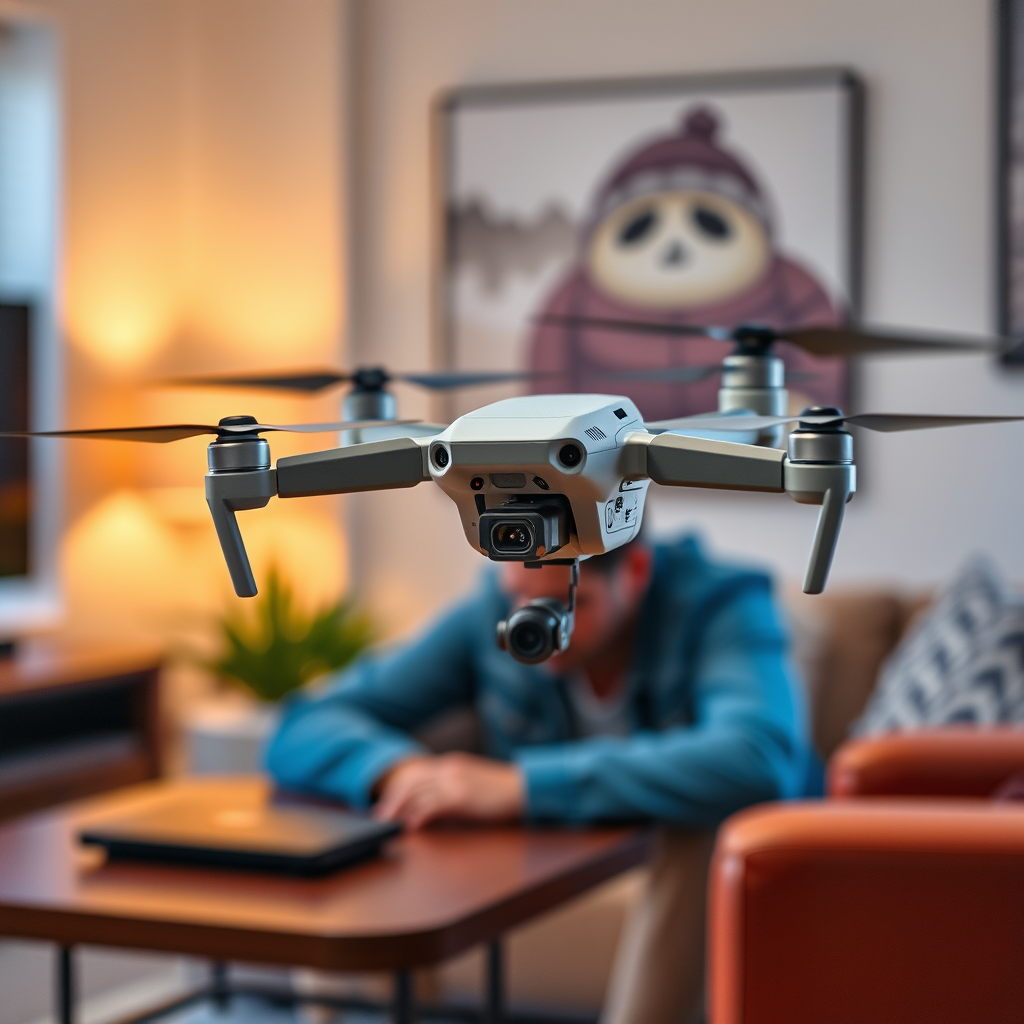
Yes, you can shoot a drone, but doing so is illegal in many places and can have serious legal consequences. While this might seem like a straightforward solution to an unwanted drone hovering over your property, the complexities of laws and ethical considerations surrounding drone usage necessitate a deeper understanding. In this article, we will delve into the legal landscape governing drone shooting, examine the potential ramifications, discuss the ethical dimensions involved, and explore alternative methods for addressing unwanted drone activity.
Understanding Drone Regulations
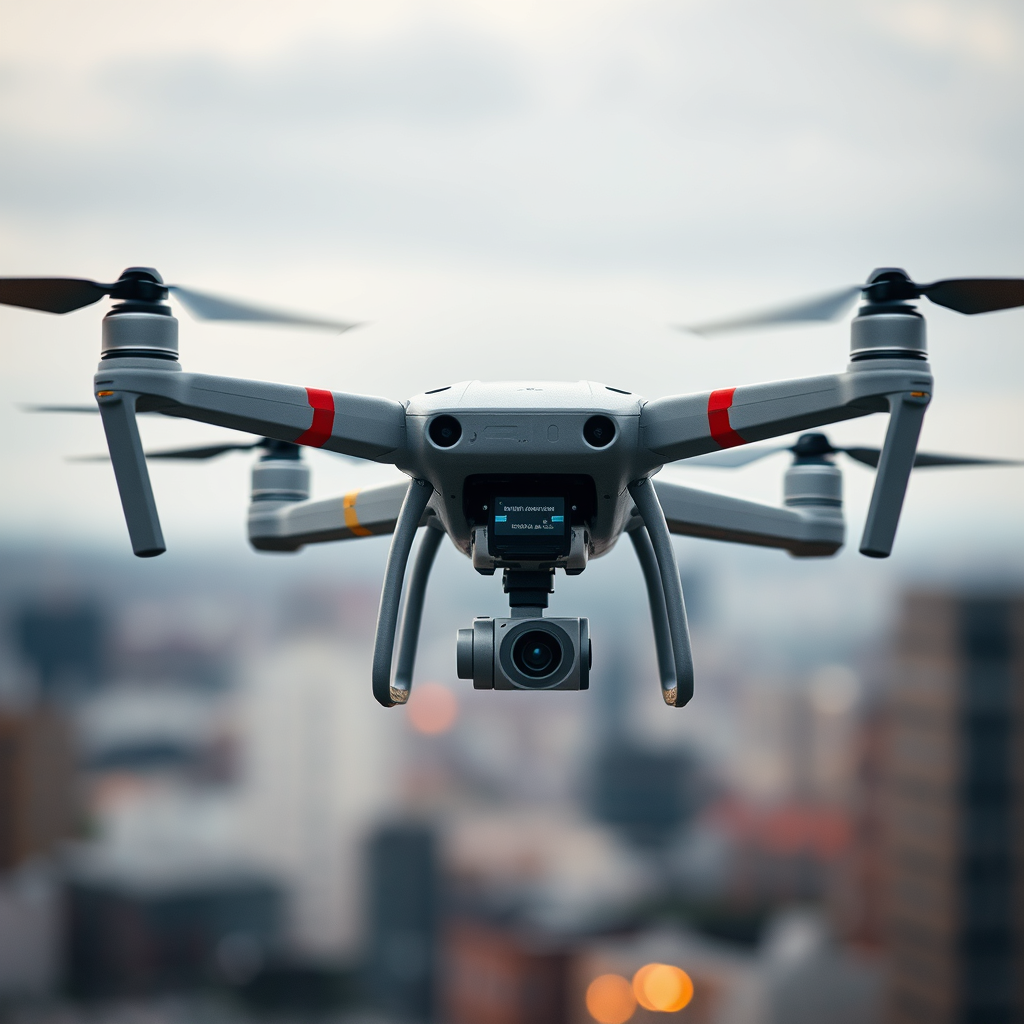
Federal and state laws often prohibit shooting down drones, classifying them as aircraft under various aviation regulations. In the United States, for instance, the Federal Aviation Administration (FAA) has established clear guidelines that govern the operation of unmanned aerial vehicles (UAVs). It is illegal to destroy or damage any aircraft, including drones, which can be punishable by fines or imprisonment. Many states have enacted their own statutes that reinforce these federal regulations, making it crucial for individuals to be aware of the laws in their specific jurisdiction.
Regulations can also vary significantly by location; for example, some states may allow drone usage for specific purposes such as agriculture or surveillance while others may impose strict bans. Furthermore, homeowners may feel justified in defending their privacy, but property rights concerning airspace can be complicated. Generally, the airspace above one’s property is still subject to federal and state laws, complicating the notion of personal defense against drones.
Legal Consequences of Shooting a Drone
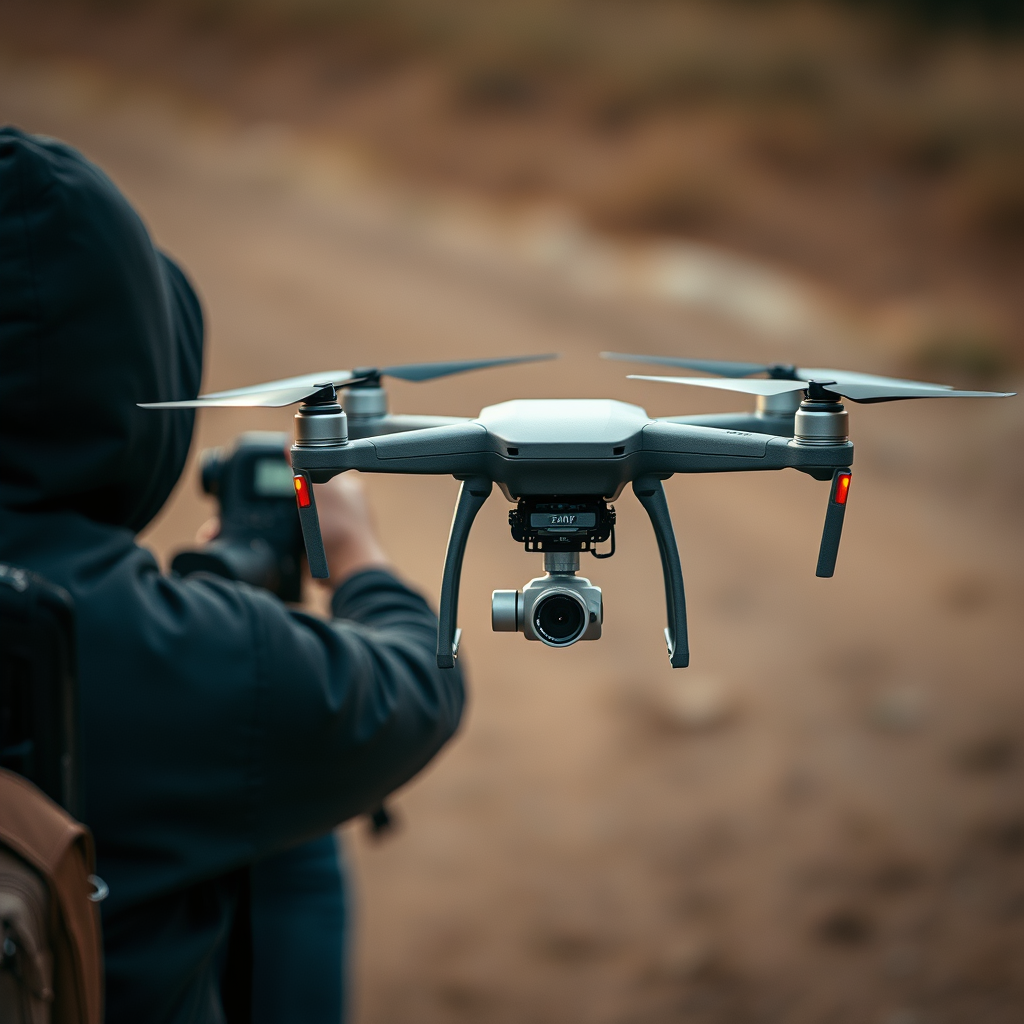
Shooting a drone can be considered destruction of property, leading to significant legal repercussions. When a drone is shot down, the operator can pursue criminal charges based on the act of destruction, as drones are classified as personal property. This can result in civil lawsuits from the drone owner seeking compensation for damages. In many cases, these lawsuits can be financially devastating, as they may cover not only the cost of the drone but also any associated losses, such as data or business opportunities lost due to the drone’s destruction.
Moreover, engaging in such an act may also lead to more serious criminal charges, including reckless endangerment or even assault if someone is harmed during the incident. It is important to recognize that shooting a drone does not only affect the person shooting but can also have widespread implications for the operator and any bystanders in the vicinity. With the increasing prevalence of drones, law enforcement agencies are also taking these matters seriously, leading to potential arrests and criminal records for those who take the law into their own hands.
Ethical Considerations
Beyond the legal ramifications, there are significant ethical considerations when contemplating shooting a drone. Many individuals may feel their privacy is being violated when a drone is hovering above their property; however, the act of shooting it down could result in unintended consequences. The destruction of technology not only represents a loss of property but also raises concerns about the broader implications of such actions on societal norms regarding privacy and technology use.
Additionally, shooting down a drone can endanger people or wildlife below. Drones often operate at low altitudes, and the debris from a downed drone can pose risks to those nearby, especially if the drone is carrying a payload. The ethical dilemma deepens when considering the potential for injury to innocent bystanders or animals in the area, highlighting the need for more thoughtful and responsible approaches to drone-related conflicts.
Alternatives to Shooting a Drone
Instead of resorting to the drastic measure of shooting a drone, individuals have several alternatives that can address their concerns while remaining within legal and ethical boundaries. One of the most effective methods is to use reporting mechanisms to alert local authorities. Many jurisdictions have established protocols for reporting drone activity, especially if it is suspected to be invasive or dangerous. Engaging with law enforcement or aviation officials can lead to appropriate actions being taken without the need for personal intervention.
Additionally, individuals can consider non-destructive methods for dealing with drones, such as signal jamming, where legal. This technique disrupts the communication between the drone and its operator, causing the drone to land safely or return to its point of origin. However, it is essential to note that signal jamming is illegal in many areas, so individuals should thoroughly research local laws before considering this option.
Another approach is to communicate directly with the drone operator, if identifiable, to express concerns and negotiate a resolution. Often, drone operators may not be aware of the discomfort their activities are causing and may be willing to adjust their flight patterns accordingly.
Popular Misconceptions About Drone Shooting
Many people believe that shooting a drone is a right to protect their privacy; however, laws vary widely, and misinformation can lead to dangerous confrontations with drone operators. A common misconception is that individuals have the sovereignty to defend their airspace without repercussions. In reality, the laws surrounding drones are complex and often favor the operators, especially if they are flying within legal boundaries.
This misunderstanding can create heightened tensions, leading to conflict and potentially violent encounters. Engaging in confrontational behavior can escalate the situation further, resulting in legal actions against the individuals who attempt to take matters into their own hands. Education and awareness about drone regulations are essential to prevent these misunderstandings and promote peaceful resolutions.
Technologies for Drone Deterrence
As the use of drones continues to grow, so do the technologies designed to safely deter them without causing damage. Various tools are available in the market, such as drone detection systems that alert users to unauthorized drone activity. These systems can provide real-time notifications and help individuals ascertain the nature of the drone’s operation.
Additionally, geo-fencing technology is becoming increasingly popular. This innovative solution creates virtual boundaries that restrict drones from entering specific areas, such as residential neighborhoods, schools, or sensitive sites. By implementing geo-fencing, property owners and organizations can proactively manage drone access, reducing the likelihood of unwanted drone encounters.
Furthermore, some companies are developing drone interceptors that can safely capture or redirect drones without causing destruction. These devices typically utilize nets or other non-lethal methods to disable the drone and bring it down safely.
In conclusion, while the idea of shooting a drone might seem appealing in certain situations, it is crucial to understand the legal and ethical implications involved. Instead of resorting to drastic measures, consider alternative solutions that respect the law and safety. If you encounter an unwanted drone, reach out to local authorities or explore non-destructive deterrents. Emphasizing education, communication, and innovative technologies can lead to more effective and responsible management of drone-related issues.
Frequently Asked Questions
Can you legally shoot a drone if it flies over your property?
Legally shooting down a drone that invades your airspace can lead to significant legal repercussions. In most jurisdictions, drones are considered aircraft, and shooting one down can be classified as destruction of property or unlawful use of a firearm. It’s important to check local laws and regulations regarding drone use and airspace rights before considering any drastic actions.
What should I do if a drone is hovering over my property?
If a drone is hovering over your property, the first step is to assess whether it’s invading your privacy or posing a safety risk. You can try to identify the drone operator and discuss your concerns directly. If the drone is being flown recklessly, consider contacting local law enforcement or the Federal Aviation Administration (FAA), which handles drone regulations, for guidance on how to proceed.
Why is it illegal to shoot a drone down?
Shooting a drone down is illegal primarily because drones are classified as aircraft under federal law, and downing one poses risks to public safety and air traffic. Additionally, the destruction of private property is a serious offense, as the drone may belong to someone else. Instead, legal channels exist for addressing any grievances regarding drone activity.
How can I prevent drones from flying over my property?
While you cannot completely prevent drones from flying over your property, you can take several measures to deter them. Installing physical barriers like fences or planting trees may help reduce visibility. Additionally, you can use drone detection systems or work with local authorities to address persistent drone activity in your area.
What are the best methods to report drone activity that disturbs my privacy?
The best methods to report invasive drone activity include documenting the incidents with video or photos and noting the time and frequency of occurrences. You can then report this information to local law enforcement or the FAA, which provides a formal process for filing complaints about drone misuse. Being proactive and gathering evidence will help authorities take your concerns seriously.
References
- https://en.wikipedia.org/wiki/Drone#Legal_issues
- https://www.faa.gov/uas/getting_started/registration
- https://www.theguardian.com/technology/2021/sep/02/drone-regulations-uk-what-you-need-to-know
- https://www.nytimes.com/2020/09/12/us/politics/drone-shooting-laws.html
- https://www.bbc.com/news/technology-49675461
- https://www.nap.edu/catalog/21896/drones-and-the-future-of-military-operations
- https://www.sciencedirect.com/science/article/pii/S2352864819300287
- https://www.aclu.org/news/free-speech/what-you-should-know-about-drone-regulation-in-the-us
- https://www.faa.gov/newsroom/faa-issues-new-drone-rules-aiming-increase-safety
- https://www.nrc.gov/docs/ML1625/ML16252A030.pdf
