

In most cases, you cannot legally shoot down drones on your property, as doing so could lead to serious legal repercussions. The laws governing drone usage are intricate and primarily governed by federal regulations, making it critical to understand these rules before taking any action. This article will explore the legal implications, property rights, and alternatives to consider when dealing with unwanted drones, ensuring that property owners are well-informed and equipped to handle such situations appropriately.
Understanding Drone Laws
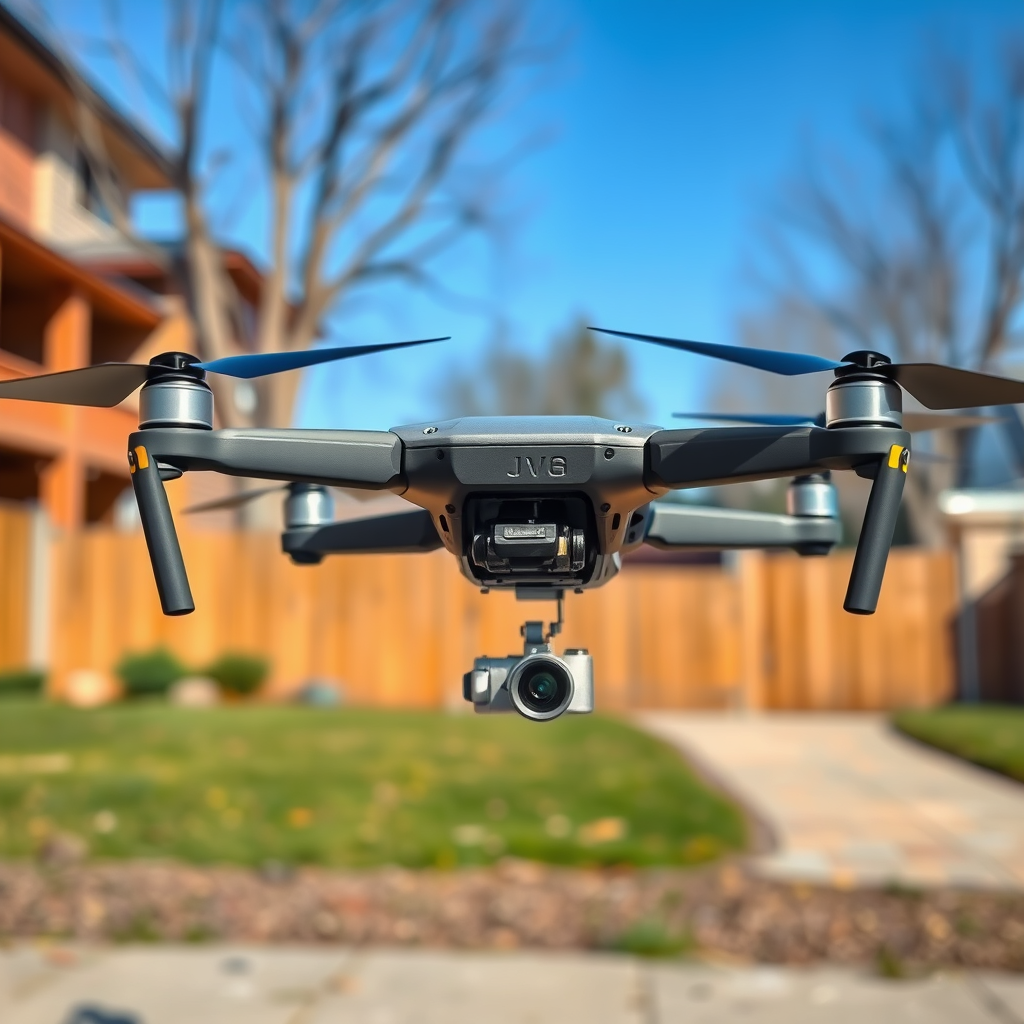
Federal Aviation Administration (FAA) regulations govern drone flights, establishing rules that all drone operators must follow. According to the FAA, drones are classified as unmanned aerial vehicles (UAVs) and are subject to strict regulations that dictate where and how they may be flown. One of the most significant considerations is that drones are not permitted to fly above certain altitudes without proper authorization. Engaging in actions such as shooting down a drone may violate these federal laws, particularly airspace regulations that protect the operational integrity of national airspace.
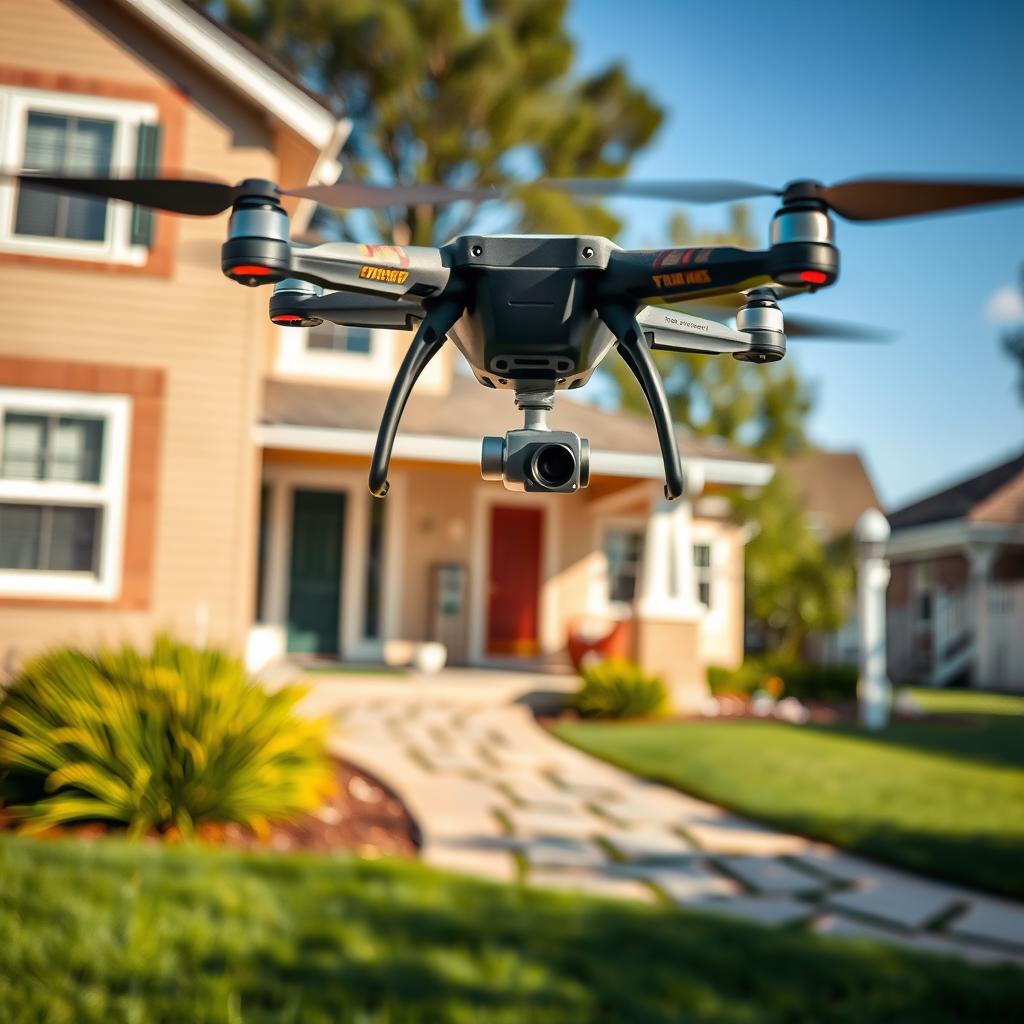
For example, the FAA has designated airspace classifications that determine where drones can operate, and shooting down a drone could be seen as a violation of these classifications. Additionally, the FAA has implemented a registration system for drones weighing over 0.55 pounds, requiring operators to adhere to specific operational guidelines. Ignoring these regulations not only jeopardizes public safety but could also lead to substantial fines and legal action against the individual who attempted to shoot down a drone.
Property Rights and Drones
Property owners do possess rights to their airspace, but these rights are limited and must be understood within the context of federal and state regulations. The concept of “navigable airspace,” as defined by the FAA, refers to the airspace above a minimum altitude—generally 500 feet above ground level for manned aircraft and lower for drones. This means that while property owners can assert some control over the airspace directly above their property, they cannot claim exclusive rights to this space if a drone is operating legally within designated altitudes.
Legal precedent indicates that courts have upheld the notion that the public has a right to access navigable airspace, thus limiting a property owner’s ability to take unilateral actions against drones. Cases like the 2016 decision in U.S. v. Causby illustrate the complexities of property rights in relation to airspace use. Therefore, property owners must navigate the delicate balance between their rights and the rights of drone operators to avoid potential legal conflicts.
Legal Consequences of Shooting Down Drones
Attempting to shoot down a drone can lead to serious legal consequences. Potential charges may include destruction of property, depending on whether the drone is owned by another individual or entity, or even endangering public safety, which could attract federal scrutiny. The FAA has made it clear that such actions are not only illegal but can also result in hefty fines or criminal charges against the individual who engages in such behavior.
Several legal cases have established precedents regarding drone shooting incidents. For instance, in 2015, a Virginia man was charged after shooting down a drone flying over his property, highlighting the serious ramifications of such actions. Legal experts warn that engaging in destructive actions against drones could lead to lawsuits from the drone operator or criminal charges, making it imperative for property owners to seek alternative methods for resolving drone-related disputes.
Alternatives to Shooting Down Drones
Rather than resorting to drastic measures like shooting down a drone, property owners have several alternatives to address their concerns. First and foremost, engaging in verbal communication with the drone operator can often yield satisfactory results. If it is safe to do so, approaching the operator and expressing your concerns may lead to a mutual understanding, allowing the operator to adjust their flight path or avoid your property altogether.
If direct communication is not possible or does not resolve the issue, consider reporting the drone to local authorities or the FAA for investigation. Many local law enforcement agencies are equipped to handle complaints about drone activity, particularly if it is deemed intrusive or unlawful. Filing a complaint with the FAA can also initiate an investigation into the operator’s adherence to regulations, potentially leading to action against them if they are found in violation.
Privacy Concerns with Drones
Drones equipped with cameras raise significant privacy concerns for homeowners. The potential for unwarranted surveillance can create anxiety and discomfort for many individuals. Understanding local laws related to privacy invasion is crucial, as these regulations vary by state and municipality. In some jurisdictions, it may be illegal for drone operators to capture images or recordings of individuals on private property without consent.
Homeowners should familiarize themselves with local ordinances that address drone usage and privacy. This knowledge empowers them to take appropriate action if they believe their privacy is being compromised. For example, if a drone is flying over your property and recording, you may have grounds to file a complaint based on invasion of privacy laws specific to your area.
How to Prevent Unwanted Drones
To proactively prevent unwanted drones from intruding on your property, consider investing in anti-drone technology that complies with local regulations. These technologies can detect drones and even interfere with their operation, although it is vital to ensure that any measures taken are legal and do not infringe on the rights of drone operators.
Additionally, utilizing physical barriers or landscaping can serve as a deterrent. Dense trees, tall fences, or even strategically placed structures can make it difficult for drones to fly over your property without being obstructed. While these measures may not completely eliminate the presence of drones, they can significantly reduce their likelihood of intruding on your space.
In conclusion, while the idea of shooting down a drone may seem appealing, it is fraught with legal risks and consequences. Understanding your rights and exploring alternative actions is crucial for handling unwanted drones effectively. Engaging with drone operators, reporting concerns to authorities, and implementing preventive measures can provide more effective solutions while minimizing legal complications. If you find yourself frequently bothered by drones, consider taking these steps to ensure your peace of mind and protect your property rights.
Frequently Asked Questions
Is it legal to shoot down a drone that is flying over my property?
The legality of shooting down a drone over your property varies by location and is generally illegal in many areas. In the United States, for example, the Federal Aviation Administration (FAA) prohibits the use of firearms against drones, classifying them as aircraft. Instead of resorting to shooting, property owners are encouraged to report unauthorized drone flights to local law enforcement or the FAA.
What can I do if a drone is invading my privacy on my property?
If a drone is invading your privacy, you have several options. First, document the drone’s activity, including photographs or videos, and note the time and location of the incidents. You can file a complaint with local law enforcement, as many states have laws regarding drone privacy violations. Additionally, consider contacting the drone operator if you can identify them, as they may not be aware of any privacy concerns.
How can I protect my property from unwanted drones?
To protect your property from unwanted drones, consider installing drone detection systems that can alert you when a drone is nearby. Additionally, you can use physical barriers, such as privacy fences or netting, to deter drone access. Educating yourself on local drone laws can also empower you to take appropriate action if a drone is invading your space.
Why are drones flying over my property, and what should I do about it?
Drones may be flying over your property for various reasons, including aerial photography, surveying land, or recreational use. If you believe the drone activity is intrusive or illegal, first try to identify the operator and discuss your concerns. If the situation persists or feels threatening, you can contact local authorities to investigate the matter further.
What is the best way to report a drone that is harassing me?
The best way to report a harassing drone is to gather evidence of its activity, such as video footage, timestamps, and descriptions of the drone. Once you have sufficient information, contact your local law enforcement agency or the FAA to file a report. In some cases, it may also be beneficial to consult with a legal professional to understand your rights and options regarding drone harassment.
References
- https://www.wired.com/story/can-you-shoot-down-a-drone/
- https://www.theguardian.com/us-news/2020/jul/15/shooting-down-drones-legal-issues
- https://www.nytimes.com/2020/07/15/us/drones-property-rights.html
- https://www.faa.gov/uas/getting_started/
- https://www.nolo.com/legal-encyclopedia/shooting-down-drones-your-property-29732.html
