

Yes, you can take a small drone on a plane, but there are specific regulations and guidelines you must follow to ensure compliance and safety. Traveling with a drone requires awareness of both federal regulations and airline policies, as well as careful preparation to avoid complications at the airport. By understanding the requirements and best practices, you can enjoy a hassle-free experience while bringing your drone along for your travels.
Understanding FAA Regulations

The Federal Aviation Administration (FAA) has established clear rules regarding the transport of drones on commercial flights. According to the FAA, drones that weigh less than 55 pounds are classified as “small” drones. This classification is crucial because it determines the specific regulations that apply to your drone during air travel. It’s important to note that the FAA not only regulates the use of drones but also their transport. For instance, while you can carry your small drone on a plane, you must ensure that it complies with weight and size limitations specified by both the FAA and the airline.
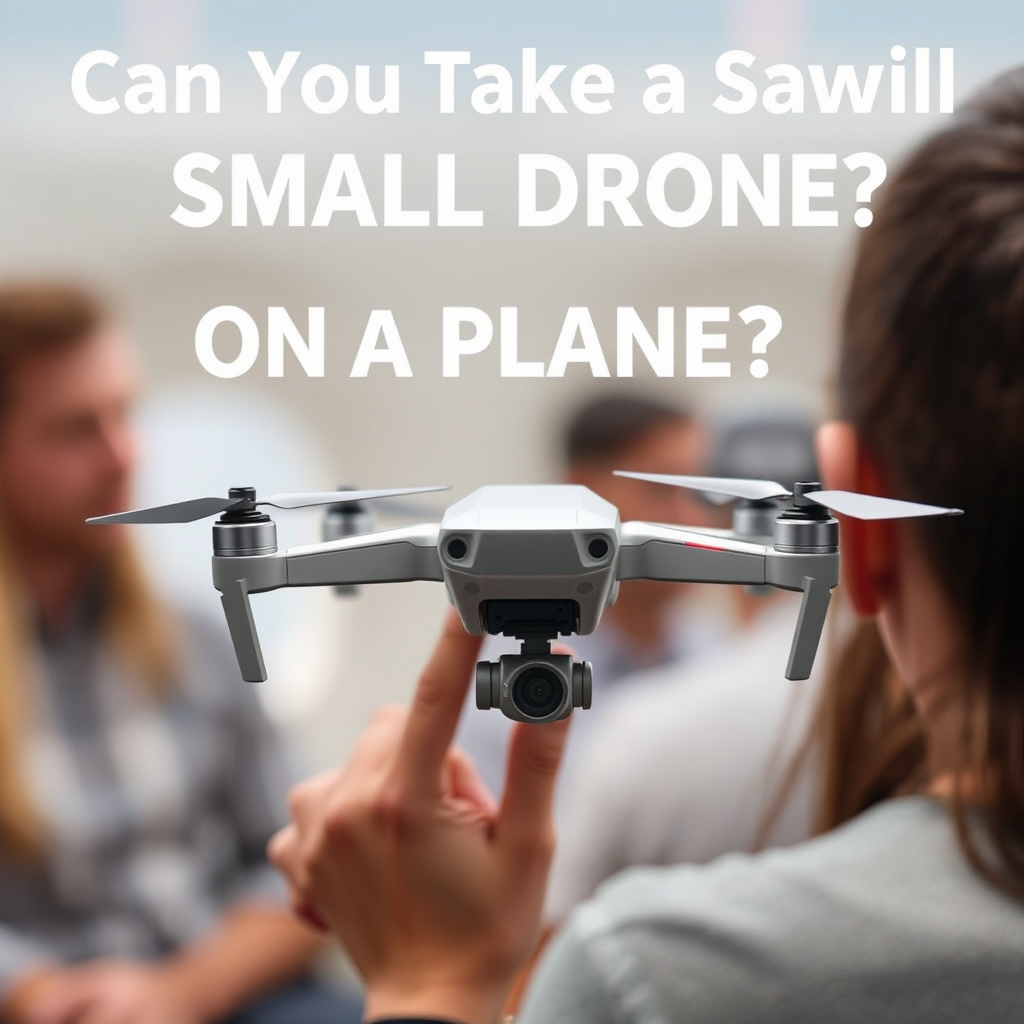
In addition to weight restrictions, travelers should also be aware of any requirements for drone registration. If you plan to operate your drone during your travels, it may need to be registered with the FAA, particularly if it weighs over 0.55 pounds. For small drones that fall under this weight limit, registration is not mandatory, but it’s beneficial to keep documentation handy to demonstrate compliance if questioned by authorities.
Airline Policies
Each airline has its own policies regarding the transport of drones, which can vary significantly. Some airlines may allow small drones as carry-on items, while others may require them to be checked in. Additionally, size restrictions may apply, meaning that even if your drone is light enough, it must fit within the airline’s dimensions for carry-on luggage. For example, airlines like Delta and American Airlines generally permit small drones in the cabin, but they often stipulate that the batteries must be carried in the passenger compartment rather than in checked luggage.
To avoid any last-minute surprises, it’s crucial to check with your airline prior to your flight. Review their website for specific guidelines concerning drones, and consider calling customer service to clarify any uncertainties. Being proactive in understanding these policies can save you from potential complications at the airport.
Packing Your Drone
Properly packing your drone is essential to prevent damage during transit. It is highly recommended to use a hard case designed specifically for drones. These cases protect against impact and environmental conditions, ensuring that your equipment remains intact throughout your journey. Many drone manufacturers offer custom cases that fit their products perfectly, providing compartments for the drone itself, batteries, remote controls, and other accessories.
When packing your drone, it is crucial to remove the batteries and store them according to airline regulations. Lithium batteries are subject to specific guidelines due to their flammability risk. Most airlines require that lithium batteries be carried in carry-on luggage, generally restricting those with a watt-hour rating of over 100. Always check the watt-hour rating of your batteries and ensure they comply with the airline’s restrictions to avoid any issues at security checkpoints.
International Travel Considerations
If you are traveling internationally, be aware that different countries have varying regulations regarding drone use. Researching the laws of your destination country is essential to ensure compliance and avoid legal complications. For example, countries like Canada and the United Kingdom have specific rules regarding drone operation, including maximum altitude limits and no-fly zones. Additionally, some countries require permits or registration to fly drones, and failing to adhere to these regulations can result in hefty fines or confiscation of your equipment.
Certain popular tourist destinations may have strict drone regulations in place to protect privacy or wildlife. For instance, national parks in many countries prohibit drone use altogether. Before you arrive at your destination, familiarize yourself with local drone laws and consider contacting local authorities if you have questions about operating your drone legally and responsibly.
Security Procedures at the Airport
As you prepare to travel with your drone, be ready for additional security checks at the airport. The Transportation Security Administration (TSA) recommends that travelers inform their agents that they are carrying a drone, as this may expedite the screening process. To facilitate a smooth experience, keep all drone components easily accessible, including the drone itself, batteries, and remote controls.
During the screening process, TSA agents may ask to inspect your drone and its components. Being cooperative and prepared to explain your equipment can make the process more efficient. Additionally, consider arriving at the airport early to allow ample time for any potential delays related to security checks.
Insurance and Liability
Before traveling with your drone, it is wise to consider purchasing drone insurance to cover any potential damages or loss. While many homeowners’ insurance policies may cover personal drone use, they often come with limitations. Specialized drone insurance can provide coverage for theft, damage, and liability in case of accidents, which is particularly important when flying in unfamiliar locations.
Understanding your liability as a drone operator is also crucial, especially when traveling internationally. Many countries have strict laws regarding drone operation, and you could be held liable for any incidents that occur while flying. Having comprehensive insurance can protect you from significant financial burdens in case of unforeseen incidents.
Best Practices for Traveling with a Drone
To ensure a successful travel experience with your drone, adhere to best practices. Always keep your drone within your sight and follow local laws when flying. Respect privacy concerns and avoid flying over crowds or private property without permission. Additionally, stay updated on drone regulations, as they can change frequently. Make a habit of checking for updates from the FAA, local aviation authorities, and your airline before every trip.
Engaging with drone communities online can provide valuable insights and tips regarding travel with drones, as fellow enthusiasts often share their experiences. Leveraging resources such as forums and social media groups can keep you informed about the latest best practices and regulatory changes.
In conclusion, taking a small drone on a plane is entirely feasible, but it requires careful planning and adherence to regulations. By understanding FAA guidelines, airline policies, and international laws, as well as ensuring proper packing and insurance coverage, you can enjoy a hassle-free travel experience. Always stay informed and prepared, and you will be ready to capture stunning aerial footage wherever your travels take you. Happy flying!
Frequently Asked Questions
Can I take a small drone on a plane as carry-on luggage?
Yes, you can typically take a small drone on a plane as carry-on luggage, but it’s essential to check the airline’s specific regulations beforehand. Most airlines allow drones that meet size and weight restrictions, but you must also adhere to safety regulations regarding battery capacity. Lithium batteries, commonly used in drones, often have limits on watt-hour ratings, usually not exceeding 100Wh for carry-on.
What are the TSA regulations for flying with a drone?
The Transportation Security Administration (TSA) allows passengers to carry drones on planes, but they must undergo screening at security checkpoints. Ensure your drone is easily accessible for inspection, and remember that any lithium batteries must be packed in your carry-on luggage, not checked baggage. Familiarizing yourself with TSA guidelines can help you avoid delays at the airport.
How do I pack my drone for air travel?
To pack your drone safely for air travel, use a hard-shell case or padded backpack designed for drones. It’s crucial to disassemble any detachable parts, like propellers, and secure them to prevent damage. Additionally, place lithium batteries in a protective case to avoid short-circuits and ensure they’re within the allowed watt-hour limits for air travel.
Are there restrictions on flying a drone at my destination?
Yes, many countries and regions have specific regulations regarding drone usage, which may include registration requirements, no-fly zones, and altitude limits. Before traveling, research the local laws and regulations about drone flights in your destination to avoid fines or confiscation of your drone. Websites like the Federal Aviation Administration (FAA) or local aviation authorities can provide updates on these regulations.
Why do airlines have different policies on carrying drones?
Airlines have different policies on carrying drones due to varying safety and security concerns, as well as local regulations that influence what can be transported. Each airline may interpret safety guidelines differently, especially regarding battery types and sizes. Therefore, it’s crucial to check the specific airline’s policy on drones before your flight to ensure compliance and a hassle-free travel experience.
References
- https://www.faa.gov/uas/travel
- https://www.tsa.gov/travel/security-screening/whatcanibring/items/drone
- https://www.wired.com/story/faa-drone-travel-rules/
- https://www.nytimes.com/2021/06/24/technology/drones-air-travel.html
- https://www.bbc.com/news/technology-49012364
- https://www.faa.gov/uas/getting_started/registration/
- https://www.nps.gov/articles/drone-use-in-national-parks.htm
