

Yes, you can travel with a drone on an airplane, but there are specific regulations and guidelines to follow. Understanding these rules can help you avoid potential issues at the airport and ensure a smooth travel experience with your drone. With the growing popularity of drones for both recreational and professional use, it’s essential to navigate the complexities of air travel with these devices properly. From airline policies to TSA regulations and international laws, this guide will provide you with the comprehensive information needed to travel with your drone confidently.
Understanding Airline Policies
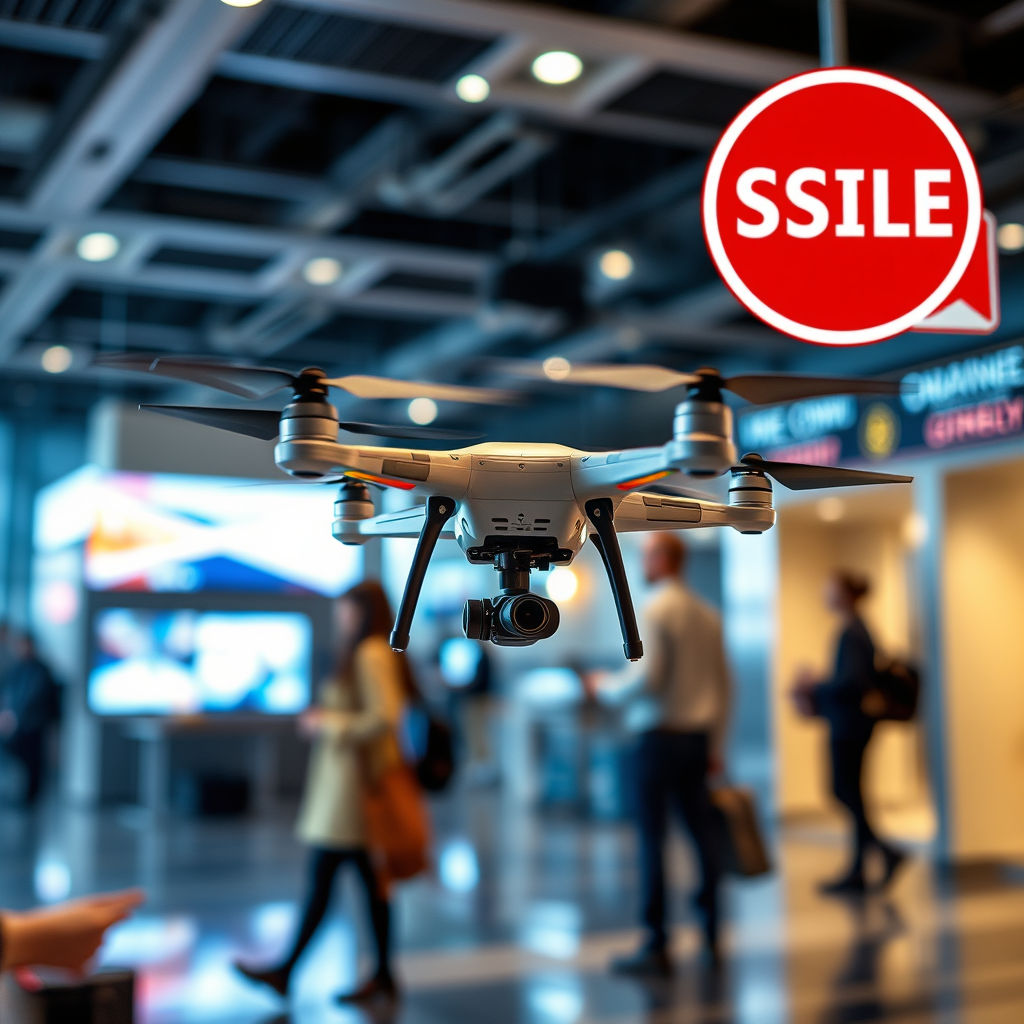
Each airline has its own rules regarding drone transportation, so check their policies before your flight. Airlines such as Delta, American Airlines, and Southwest have specific guidelines that dictate how drones can be carried on their flights. For instance, some airlines may require drones to be packed in carry-on luggage to ensure they are handled properly and remain secure during transit. Conversely, others may permit drones in checked baggage, provided they meet weight and size restrictions.
Additionally, it’s crucial to pay attention to the specific dimensions of both your drone and its carrying case. If your drone exceeds the airline’s carry-on size limits, you may face issues at the gate. Familiarize yourself with the airline’s policy on lithium batteries, as these are often a significant concern when traveling with drones. Checking these details ahead of time can prevent last-minute surprises at the airport.
TSA Regulations for Drones
The Transportation Security Administration (TSA) has guidelines that dictate how drones must be transported. Generally, drones are permitted in both carry-on and checked luggage, but the TSA emphasizes the importance of safely transporting lithium batteries, which are commonly used in drones. Per TSA regulations, lithium-ion batteries must not exceed 100 watt-hours (Wh) when carried in carry-on luggage, and any spare batteries should be protected against short circuits.
When going through security, it is advisable to remove your drone from its case and place it in a separate bin for screening. This action can expedite the security process, as TSA agents may need to inspect the drone more closely. Always ensure that your drone is accessible and that any additional accessories, like batteries or remote controls, are also stored in a way that complies with TSA guidelines.
International Travel Considerations
Different countries have varied regulations for drone use; research the destination’s drone laws before traveling. For instance, European countries may require drone operators to register their drones, acquire permits, or ensure insurance coverage before flying. Countries like Canada and Australia have stringent guidelines that specify how and where drones can be flown, which can include no-fly zones around airports, military bases, or densely populated areas.
Before traveling internationally, consult the local aviation authority or relevant government websites to understand the specific regulations. Additionally, consider downloading apps that provide real-time information on drone regulations in various regions. This research will not only help you stay compliant but also enhance your flying experience by avoiding potential fines or confiscation of your equipment.
Packing Your Drone Safely
Use a hard case or padded bag to protect your drone from damage during travel. A well-designed case can prevent impact damage and keep your drone secure while in transit. Ensure that the case fits the drone snugly and offers adequate protection for its delicate components, such as propellers and cameras.
When preparing your drone for travel, remove the batteries and pack them in accordance with airline safety guidelines to prevent fire hazards. Many travelers find it helpful to carry spare batteries in their carry-on luggage, as this not only ensures compliance with regulations but also allows for easier access when you arrive at your destination. Make sure to clearly label your case and ensure that it is easy to open and inspect, which can help facilitate smoother security checks at the airport.
At the Airport: What to Expect
Be prepared to remove your drone from its case during security screenings. Airport security personnel may need to inspect your drone closely, and having it easily accessible will expedite the process. Arriving early at the airport is also advisable to allow extra time for security checks and potential questions about your equipment. Airports can be busy and unpredictable, so having a buffer can alleviate stress.
In addition to your drone, be prepared to provide information about your travel plans and how you intend to use the drone at your destination. Familiarizing yourself with the airport’s layout and security protocols can also aid in making your experience more efficient. If you encounter any issues, don’t hesitate to ask airport staff for assistance, as they can help clarify any uncertainties regarding drone transportation.
Tips for Flying Your Drone at Your Destination
Familiarize yourself with local drone regulations, such as no-fly zones and altitude limits. Each region has its own unique set of rules that govern drone operation, which can vary widely from one place to another. For instance, national parks in the United States often have strict regulations prohibiting drone use altogether, while urban areas may have designated areas for drone flying.
While at your destination, consider joining local drone clubs or online forums where you can connect with other drone enthusiasts. These communities can provide valuable insights into local regulations and best practices. Always respect privacy and safety rules when flying your drone in public places; this includes not flying over private property without permission and being mindful of crowds.
Additionally, consider the weather and terrain when planning your flights. Adverse weather conditions can impact drone performance, and certain terrains may pose challenges for safe operation. Always prioritize safety and the well-being of those around you when flying.
In conclusion, while traveling with a drone on an airplane is possible, it requires careful planning and adherence to rules set by airlines and authorities. Understanding airline policies, TSA regulations, and international drone laws are crucial to ensuring a hassle-free journey. By packing your drone safely, preparing for airport procedures, and being informed about local regulations at your destination, you can enjoy a seamless travel experience with your drone. Always remember to do your research ahead of time, as thorough preparation will enhance your ability to capture stunning aerial footage wherever your travels take you.
Frequently Asked Questions
Can you bring a drone on an airplane as carry-on luggage?
Yes, you can typically bring a drone on an airplane as carry-on luggage, but there are specific guidelines to follow. Most airlines allow small drones to be carried in the cabin, but you should check with your airline for their particular policies. Ensure that the drone’s battery complies with the International Air Transport Association (IATA) regulations, which usually limit lithium battery capacity to 100 watt-hours in carry-on bags.
What are the TSA regulations for flying with a drone?
The Transportation Security Administration (TSA) allows travelers to bring drones on domestic flights, but you must pass through security screening. You may need to remove your drone from its case, similar to laptops, for separate screening. Additionally, ensure that your drone is powered off during the flight to comply with safety measures and regulations.
Are there restrictions on flying drones in other countries?
Yes, many countries have specific regulations regarding drone use, including registration, licensing, and operational limitations. Before traveling with your drone, it’s crucial to research the local laws and regulations of your destination. Some countries may require you to register your drone or may have no-fly zones that could affect your ability to operate it upon arrival.
How do I pack my drone for air travel?
When packing your drone for air travel, use a hard shell case or padded bag to protect it from damage during transit. Remove any detachable parts, such as propellers, to minimize the risk of breakage. Additionally, ensure that your drone’s batteries are stored in a fireproof bag and comply with airline regulations regarding lithium battery transportation.
What should I do if my drone is damaged during a flight?
If your drone is damaged during air travel, the first step is to document the damage with photographs and gather any receipts or proof of purchase. Report the incident to the airline immediately, as they may have a claims process for damaged luggage. Keep in mind that airlines typically have liability limits, and coverage may vary depending on your specific situation and the airline’s policy.
References
- https://en.wikipedia.org/wiki/Drone_regulations
- https://www.faa.gov/uas/traveling_with_your_drone
- https://www.tsa.gov/travel/security-screening/carry-ons/prohibited-items
- https://www.nytimes.com/2021/07/22/travel/drone-travel.html
- https://www.theguardian.com/travel/2021/jun/14/travel-with-drone-tips-what-to-know
- https://www.faa.gov/uas/getting_started/registration
- https://www.cnet.com/tech/mobile/flying-with-a-drone-how-to-pack-and-travel-safely/
- https://www.nps.gov/articles/traveling-with-your-drone.htm
