
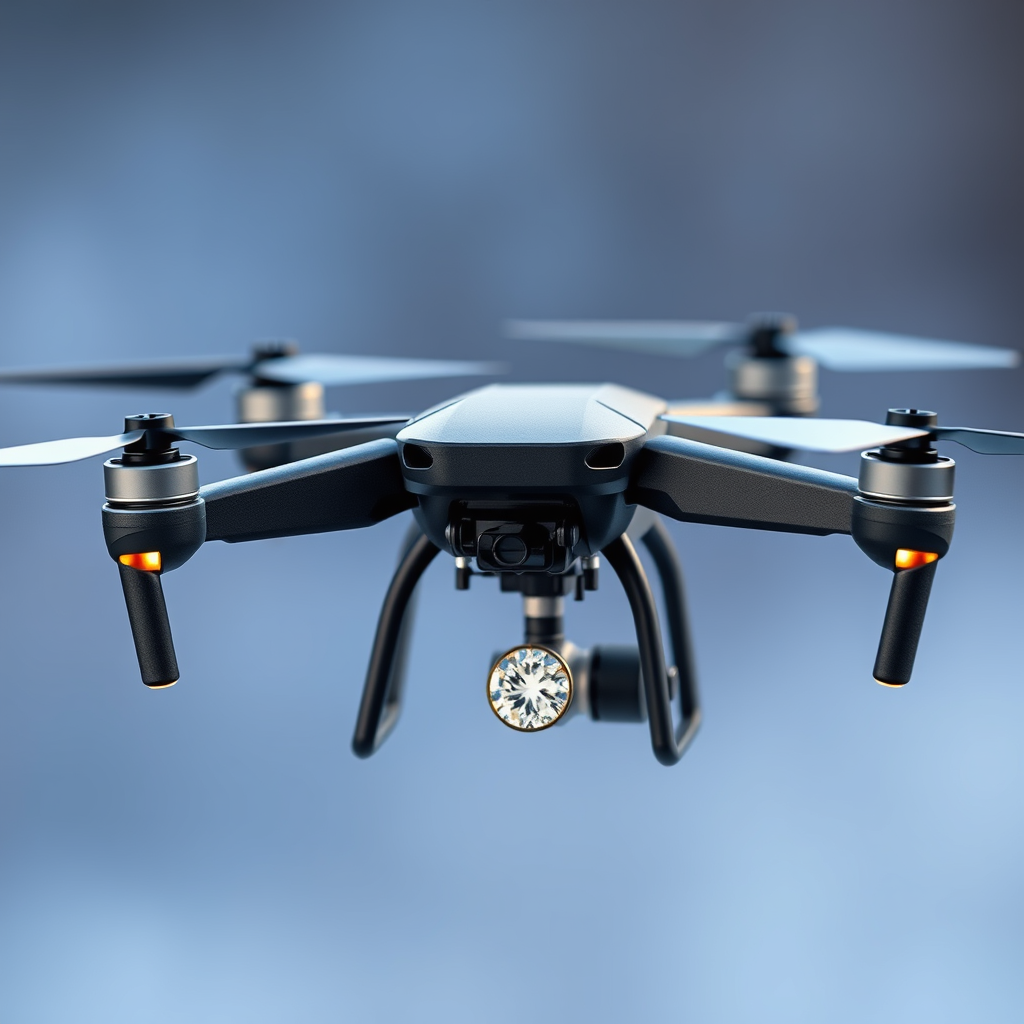
Yes, you can use drones to find deer, as they offer a unique aerial perspective that can help locate these animals more efficiently. Drones equipped with advanced cameras and thermal imaging technology allow hunters and wildlife enthusiasts to scout vast areas without disturbing the natural environment. This innovative approach not only enhances the hunting experience but also promotes responsible wildlife observation, making it a valuable tool for both seasoned hunters and conservationists alike.
Understanding Drone Technology for Deer Tracking

Drones have evolved significantly over the years, integrating sophisticated technologies that make them invaluable for deer tracking. Most modern drones come equipped with GPS systems that allow for precise navigation and mapping of the terrain, enabling users to create detailed aerial surveys of hunting grounds. High-resolution cameras provide clear images that can reveal deer movements and patterns that might otherwise go unnoticed from the ground.
Moreover, thermal imaging drones are particularly effective for locating deer, especially in dense forests or during low-light conditions. These drones can detect heat signatures emitted by animals, distinguishing them from their surroundings. This capability is particularly advantageous during early mornings or late evenings when deer are most active. By leveraging these advanced technologies, hunters can identify deer locations with remarkable accuracy, thereby increasing their chances of a successful hunt.
Benefits of Using Drones for Deer Location
The use of drones in deer scouting offers numerous benefits that enhance the hunting experience. Firstly, drones significantly increase efficiency; they can cover expansive areas in a fraction of the time it would take using traditional scouting methods. This rapid reconnaissance allows hunters to identify promising locations and patterns without extensive foot travel, which can be physically taxing and time-consuming.
Additionally, drones minimize disturbance to deer behavior and their habitats. Traditional scouting methods often involve walking through woods and fields, which can alert deer and alter their natural patterns. In contrast, drones operate quietly from above, reducing the likelihood of startling animals. This non-intrusive approach not only preserves deer behavior but also promotes a more ethical hunting practice by allowing hunters to observe wildlife in their natural state.
Legal Considerations and Regulations
While the integration of drones into hunting practices offers several advantages, it is essential to familiarize oneself with local laws regarding drone usage for hunting and wildlife observation. Regulations vary significantly by region, and many jurisdictions impose specific restrictions on drone operation, especially concerning altitude and airspace.
For instance, in the United States, the Federal Aviation Administration (FAA) has established guidelines for drone use, including restrictions on flying over certain areas such as national parks and wildlife reserves. Additionally, some states have enacted laws that prohibit the use of drones for hunting altogether or limit their use to specific seasons. It is crucial to research these regulations to ensure compliance and avoid legal repercussions while utilizing drones for deer scouting.
Choosing the Right Drone for Deer Hunting
Selecting the appropriate drone is critical for effective deer scouting. Hunters should consider several factors when choosing a drone, including battery life, camera quality, and features designed for outdoor use. A drone with a long battery life is essential for extended scouting sessions, allowing for more comprehensive coverage of larger areas without the need for frequent recharging.
High-quality cameras are another crucial component; look for drones that offer at least 4K resolution and can capture clear images during both day and night. Furthermore, features such as obstacle avoidance technology are invaluable when navigating wooded areas to prevent crashes. Drones equipped with GPS functionality and real-time video transmission capabilities can further enhance the scouting experience by providing live feedback on deer movements.
Best Practices for Using Drones in the Field
To maximize the effectiveness of drones in deer scouting, hunters should adhere to best practices that ensure both efficiency and ethical considerations. Firstly, it is vital to operate drones from a safe distance to avoid startling deer. Maintaining a respectful altitude and distance not only preserves deer behavior but also enhances the quality of the observation.
Monitoring weather conditions is also essential; strong winds, rain, or low visibility can hinder drone performance and compromise safety. Additionally, ensuring that the drone is well-equipped for outdoor use, such as being waterproof or resistant to the elements, can prevent malfunctions during critical scouting missions.
Lastly, consider establishing a scouting schedule that aligns with deer activity patterns. Early mornings and late evenings are typically when deer are most active, making these prime times for drone scouting. By aligning drone usage with these periods, hunters can increase their chances of spotting deer.
Ethical Considerations of Drone Usage
The introduction of drones into hunting practices raises several ethical considerations that warrant careful reflection. While technology can enhance efficiency and success rates, it is essential to strike a balance between modern methods and traditional hunting practices. The use of drones should not diminish the challenge and skill associated with hunting; rather, it should complement responsible wildlife observation.
Moreover, hunters must consider the potential impact of drones on deer and their habitats. Over-reliance on technology can lead to a detachment from the natural hunting experience and the ecosystems that hunters seek to engage with. It is crucial to approach drone usage with mindfulness, ensuring that the technology enhances rather than detracts from the principles of fair chase and conservation.
Tips for Successful Drone Scouting
Successful drone scouting requires a strategic approach to maximize effectiveness. One valuable tip is to scout areas known for deer activity during peak hours, which are typically early mornings and late evenings. During these times, deer are more likely to be on the move, increasing the likelihood of successful sightings.
Additionally, drones can be used to identify potential deer trails and feeding areas, which can inform future hunting strategies. Utilizing the data collected from drones, hunters can gain insights into deer behavior, including preferred routes and feeding patterns. This information is instrumental in planning effective hunting strategies and ensuring a more successful experience.
Lastly, consider documenting the data obtained during drone flights. Capturing images and videos can provide valuable reference points for future scouting trips and hunting seasons, allowing hunters to build a comprehensive understanding of deer movement and habits over time.
Using drones can significantly enhance your ability to locate deer, but it’s crucial to stay informed about legal and ethical considerations. By embracing this technology responsibly, hunters can improve their hunting experience while respecting wildlife and the environment. As drone technology continues to evolve, it offers exciting possibilities for the future of hunting and wildlife observation, making it an essential tool for the modern outdoorsman.
Frequently Asked Questions
Can drones be effectively used to locate deer during hunting season?
Yes, drones can be highly effective in locating deer during hunting season. Equipped with high-resolution cameras and thermal imaging technology, drones can cover large areas quickly, allowing hunters to spot deer from the air. This aerial view helps identify deer movements, bedding areas, and feeding patterns, making it easier to plan a successful hunt.
What are the legal regulations regarding using drones for deer hunting?
The legal regulations for using drones in deer hunting vary by state and country. In many areas, using drones to locate or track wildlife is prohibited during hunting. It’s crucial for hunters to check local wildlife laws and regulations to ensure compliance, as violating these rules can result in fines or loss of hunting privileges.
How can I choose the best drone for finding deer?
When selecting a drone for deer tracking, consider features such as camera quality, flight time, and range. Drones with thermal imaging capabilities are particularly beneficial for locating deer in low light conditions. Additionally, look for models that are durable and easy to operate, as well as those with a good reputation for reliability in outdoor conditions.
Why should hunters consider using drones for deer tracking?
Hunters should consider using drones for deer tracking because they provide a unique vantage point that enhances situational awareness. Drones can help identify deer locations without disturbing the environment, leading to more ethical hunting practices. Moreover, they can save time and energy by allowing hunters to scout large areas quickly, improving the overall hunting experience.
Which drone features are essential for tracking deer successfully?
Essential drone features for tracking deer include high-resolution cameras for clear imaging, thermal or infrared capabilities for nighttime or low-visibility conditions, and GPS functionality for accurate mapping. Long battery life and stability in flight are also critical, as they ensure that the drone can cover extensive areas without interruption, increasing the likelihood of successfully locating deer.
References
- https://www.nytimes.com/2019/11/18/us/deer-hunting-drones.html
- https://www.wildlife.state.nm.us/download/education/drones-in-wildlife-management.pdf
- https://www.usgs.gov/news/featured-story/drone-technology-assists-wildlife-management
- https://www.nature.com/articles/s41598-021-82674-6
- https://www.abc.net.au/news/2020-11-25/drones-help-hunters-find-deer-in-new-york/12916438
- https://www.ncbi.nlm.nih.gov/pmc/articles/PMC7355676/
- https://www.wildlife.org/drones-use-in-wildlife-management/
- https://www.wisconsinwildlife.org/using-drones-for-wildlife-research-and-management/
