

The DJI Mavic Pro outshines its competitors in terms of portability, camera quality, and flight time, making it the clear choice for serious drone enthusiasts. This review will determine why the Mavic Pro stands out in a crowded market and under what conditions it is the best investment for your aerial photography needs. Get ready for a decisive verdict on which drone should take to the skies in your next adventure.
What You’re Really Risking If You Choose Wrong
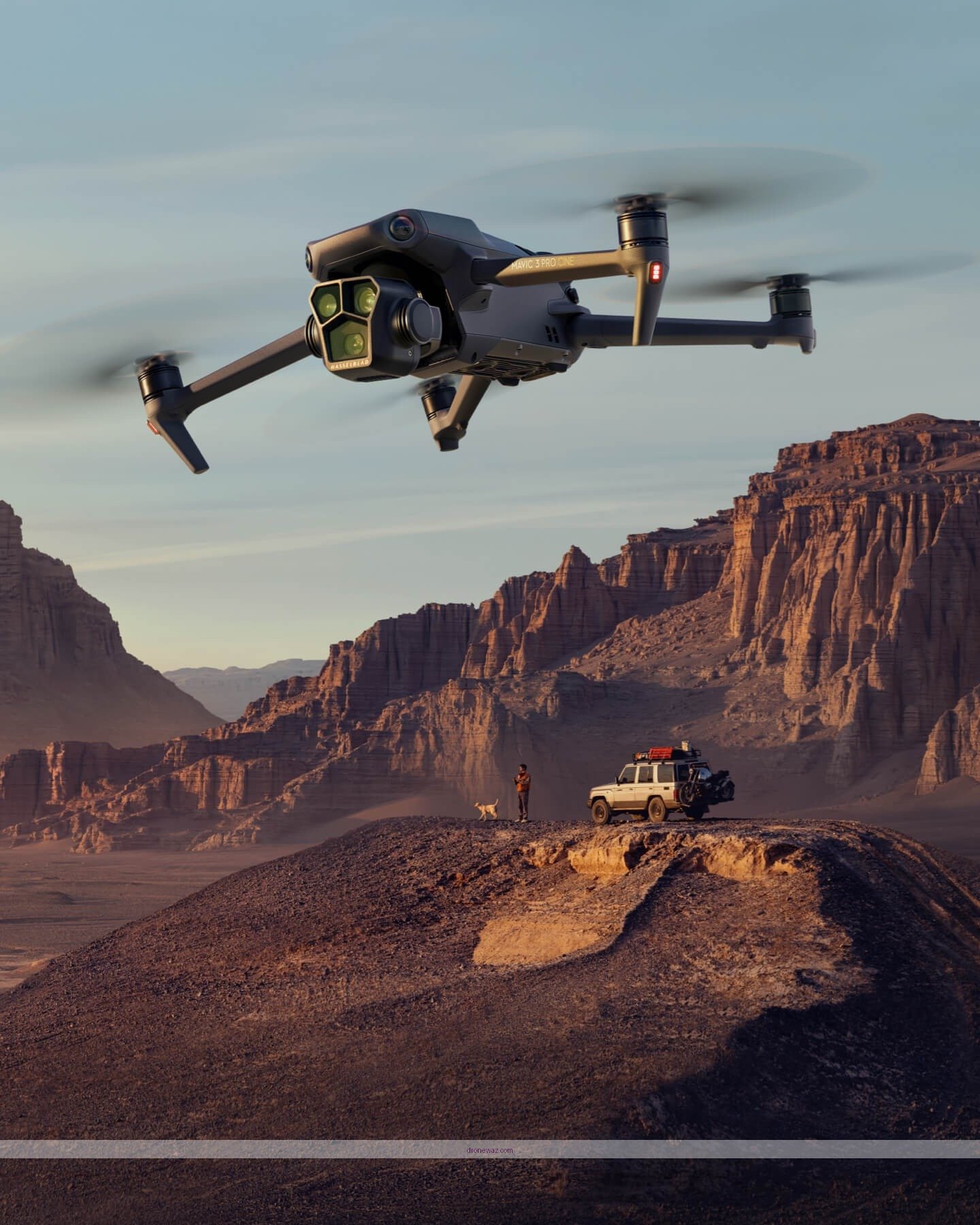
Choosing the wrong drone can lead to significant financial loss. Although the DJI Mavic Pro comes with a higher upfront cost, its superior durability and performance can save you money on repairs and replacements in the long run. An underperforming drone can result in missed shots, wasted time, and considerable frustration, particularly if you’re relying on it for an important project. If you value features such as camera quality and flight stability, settling for a lesser competitor can lead to disappointing imagery and flight experiences, ultimately undermining your projects or hobbies. Moreover, poor battery life in competitor drones can mean missed opportunities; picture setting up a perfect shot only to have your drone fail mid-flight, leaving you with no results to show for your efforts.
The Mistake Almost Everyone Makes
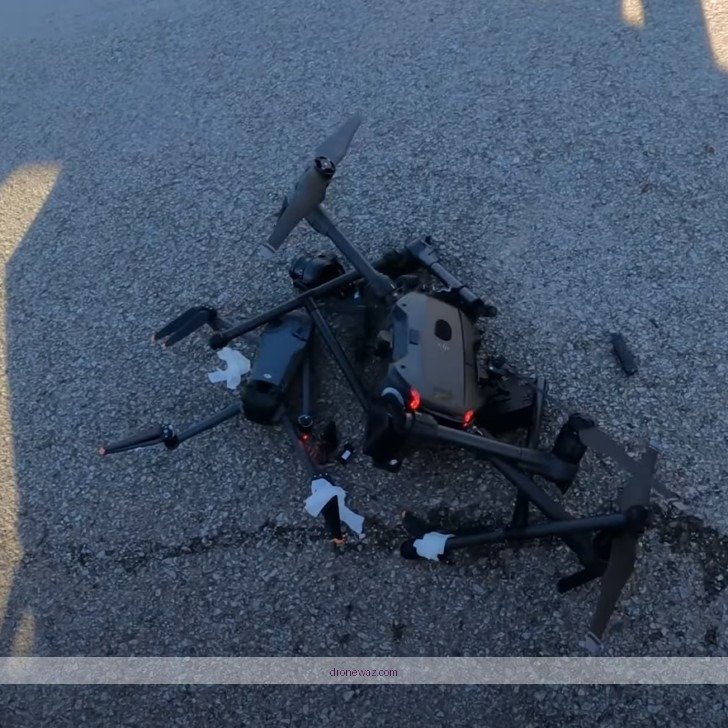
Many users concentrate solely on price rather than performance, often opting for a cheaper competitor without recognizing that the Mavic Pro’s advanced technology justifies its higher cost. A prevalent oversight is failing to appreciate the significance of features like obstacle avoidance systems, where the Mavic Pro truly excels. This oversight can lead to crashes and costly repairs with less advanced models. Additionally, users frequently disregard user reviews and expert opinions regarding reliability; the Mavic Pro consistently garners high ratings for its ease of use and dependable performance compared to its rivals. This miscalculation can result in dissatisfaction and additional expenses that could have been easily avoided.
How to Know Which One Is Right for You
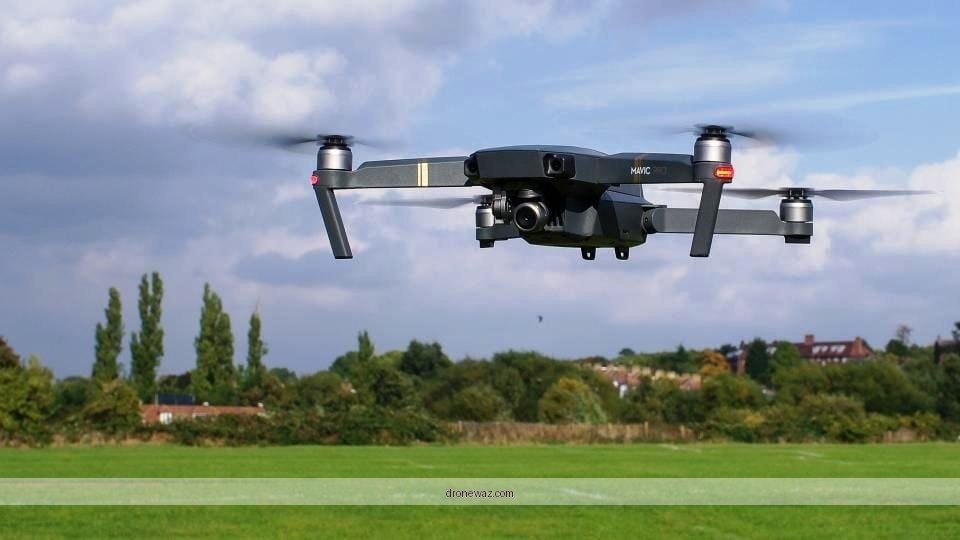
To find the drone that suits you best, start by determining your primary use: casual photography, professional videography, or racing. The Mavic Pro is particularly well-suited for serious photographers seeking high-quality footage. Beginners might find the DJI Mavic Air more appealing due to its user-friendly design and lower price point. It’s also essential to assess your skill level; novices may benefit from the Mavic Pro’s intuitive controls and safety features, while more experienced users might prefer alternatives that offer advanced customization options. Additionally, consider your budget and how frequently you plan to use the drone. If you’re a frequent flyer, investing in the Mavic Pro’s longevity and performance is a smarter choice than opting for a cheaper, less reliable option.
Why You Should Choose DJI Mavic Pro
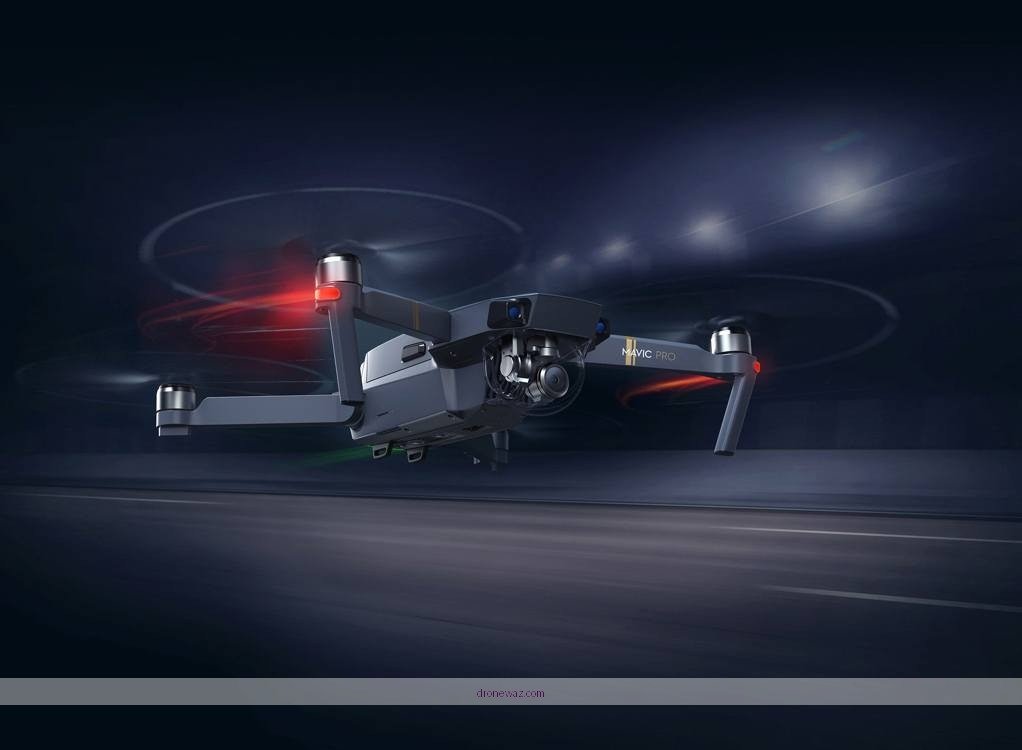
The DJI Mavic Pro distinguishes itself with its 4K camera, delivering exceptional image quality that is crucial for professional work, making it a preferred choice for filmmakers and photographers. Its advanced obstacle avoidance technology facilitates safer flying in complex environments, providing peace of mind while capturing stunning aerial shots. With a compact design and portability, the Mavic Pro is ideal for users who need a reliable drone that doesn’t compromise on performance during travel. Boasting a flight time of up to 27 minutes, it significantly outperforms many competitors, allowing for extended shooting sessions without the hassle of constant recharging. Its robust build quality further ensures that it can withstand outdoor use, making it a dependable partner for serious drone enthusiasts.
Why You Should Choose DJI Mavic Air
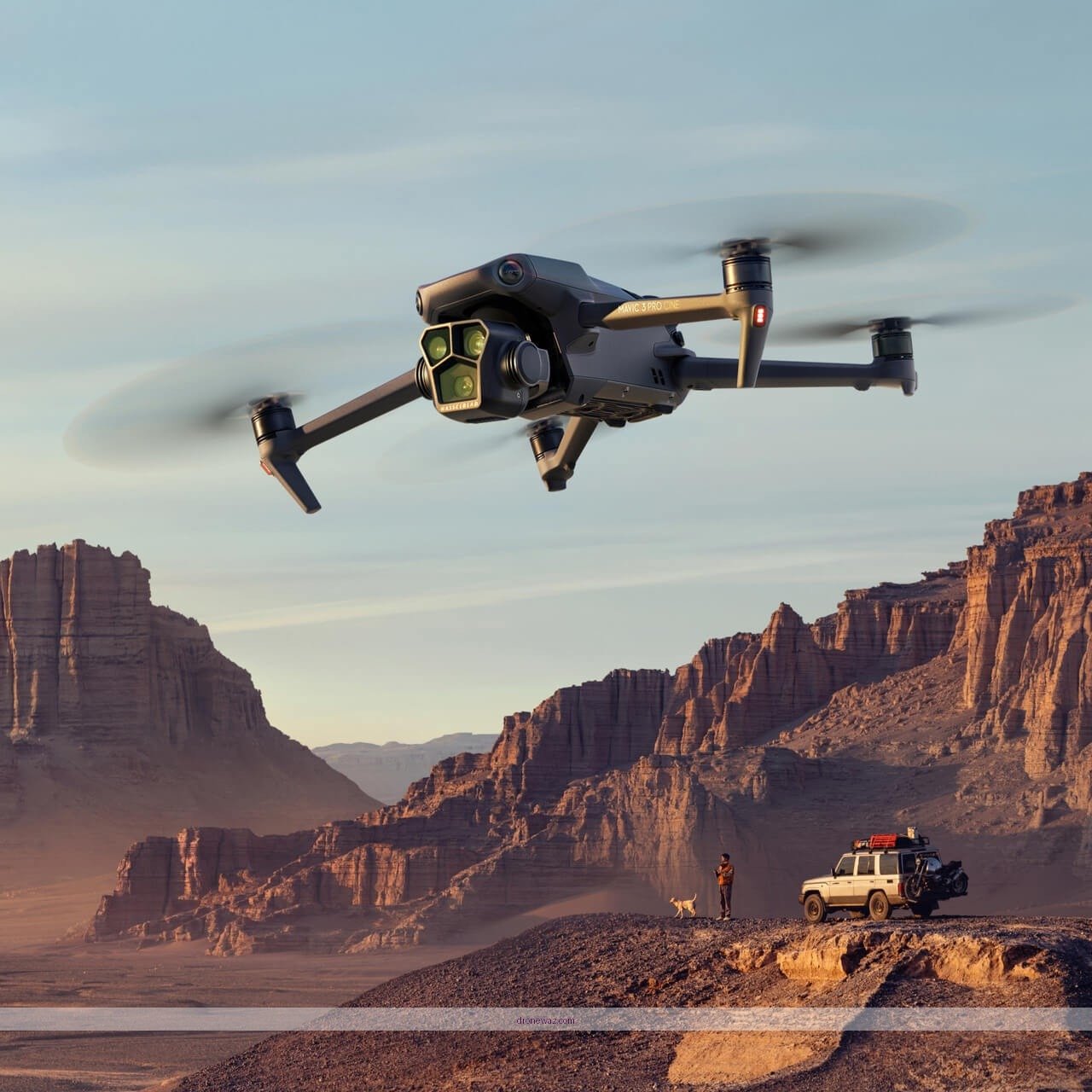
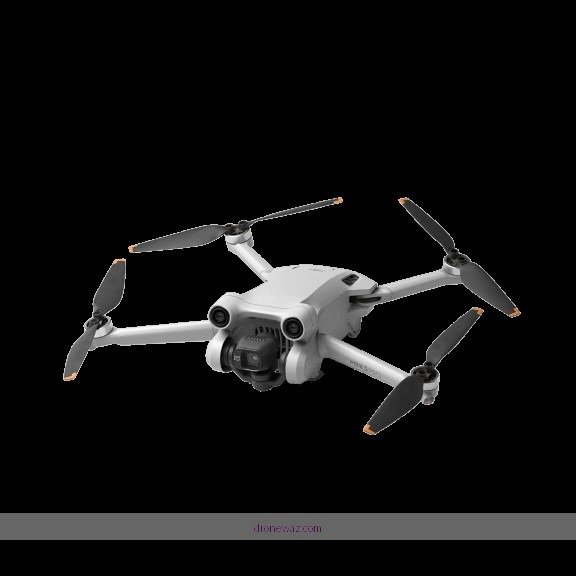
The DJI Mavic Air is lighter and more compact than the Mavic Pro, making it a better option for casual users who prioritize portability over extensive features. Its lower price point appeals to hobbyists seeking a quality drone for leisure without the commitment of a higher-end model like the Mavic Pro. Despite its size, the Mavic Air offers impressive features, including 4K video and a respectable flight time of up to 21 minutes, making it suitable for newcomers wanting good capabilities without a hefty investment. Its intuitive controls simplify the flying experience, especially for those who may feel intimidated by more complex models. The Mavic Air’s sleek design and lightweight nature make it an attractive choice for travelers looking for a drone that won’t weigh them down.
Head-to-Head Comparison Table
| Feature / Criteria | ✅ DJI Mavic Pro | ✅ DJI Mavic Air |
|---|---|---|
| Pricing | $999 | $799 |
| Camera Resolution | 4K at 30fps | 4K at 30fps |
| Flight Time | Up to 27 minutes | Up to 21 minutes |
| Weight | 743 grams | 430 grams |
| Obstacle Avoidance | Yes | Yes |
| Transmission Range | 7 km | 4 km |
| Max Speed | 65 km/h | 68 km/h |
| Battery Type | LiPo 3S 3830mAh | LiPo 3S 2375mAh |
| Best For | Professional Use | Casual Use |
| Verdict | Better Overall | Good Alternative |
Our Verdict
Opt for the DJI Mavic Pro if you are a serious photographer or videographer seeking top-tier performance, advanced features, and reliable flight capabilities. The Mavic Pro’s exceptional camera quality, longer flight time, and enhanced safety features clearly position it as the best choice for professionals. Alternatively, consider the DJI Mavic Air if you are a beginner or casual user who values portability, ease of use, and affordability. The Mavic Air still delivers quality performance for everyday users without requiring a significant financial commitment.
When the Answer Flips
For travelers seeking a lightweight and compact drone that fits easily in a backpack, the DJI Mavic Air may be the better choice, as it prioritizes weight and size without sacrificing too much performance. If budget constraints are paramount and you’re willing to compromise slightly on features, the Mavic Air presents a cost-effective alternative that still produces quality aerial footage. For users who primarily fly for fun and do not need advanced features, the Mavic Air’s affordability and ease of use make it the more pragmatic option compared to the pricier Mavic Pro.
Frequently Asked Questions
What are the key features of the DJI Mavic Pro drone?
The DJI Mavic Pro drone boasts a compact design, 4K video recording capabilities, and a flight time of up to 27 minutes. It includes advanced features such as obstacle avoidance sensors, a 3-axis gimbal for stabilization, and a maximum transmission range of 4.3 miles, making it ideal for both hobbyists and professional videographers.
How does the DJI Mavic Pro perform in windy conditions?
The DJI Mavic Pro is designed to handle moderate wind conditions with stability, thanks to its robust build and GPS-assisted flight capabilities. However, pilots should exercise caution in strong winds, as excessive gusts can affect the drone’s flight stability and battery life, potentially leading to unsafe flying situations.
Why should I choose the DJI Mavic Pro over other drones?
The DJI Mavic Pro stands out due to its portability, impressive camera quality, and intelligent flight modes that cater to both beginners and experienced users. With its foldable design, it is easy to transport, and the combination of 4K video and user-friendly features makes it a top choice for aerial photography enthusiasts.
What is the best way to optimize battery life for the DJI Mavic Pro?
To optimize battery life for the DJI Mavic Pro, ensure that the drone firmware is up-to-date and avoid flying in extreme temperatures. Additionally, use features like the “Low Battery RTH” (Return to Home) setting to prevent battery depletion during flight, and try to keep your flight patterns smooth to conserve energy.
Which accessories should I consider for enhancing my DJI Mavic Pro experience?
Essential accessories for the DJI Mavic Pro include extra batteries for extended flight time, ND filters for improved video quality, and a carrying case for safe transport. Additionally, a set of propeller guards can enhance safety during flights, especially for beginners, while a mobile device holder can improve the flying experience by providing better visibility of the drone’s camera feed.
References
- https://en.wikipedia.org/wiki/DJI_Mavic_Pro
https://en.wikipedia.org/wiki/DJI_Mavic_Pro - https://www.bbc.com/news/technology-42196243
https://www.bbc.com/news/technology-42196243 - https://www.theguardian.com/technology/2017/jan/25/dji-mavic-pro-review-drone
https://www.theguardian.com/technology/2017/jan/25/dji-mavic-pro-review-drone - https://www.nytimes.com/2017/01/24/technology/dji-mavic-pro-drone-review.html
https://www.nytimes.com/2017/01/24/technology/dji-mavic-pro-drone-review.html - https://www.sciencedirect.com/topics/engineering/drones
https://www.sciencedirect.com/topics/engineering/drones - https://scholar.google.com/scholar?q=Dji+Mavic+Pro+drone+review Google Scholar
https://scholar.google.com/scholar?q=Dji+Mavic+Pro+drone+review - https://scholar.google.com/scholar?q=Dji+Mavic+Pro+drone+performance Google Scholar
https://scholar.google.com/scholar?q=Dji+Mavic+Pro+drone+performance - https://scholar.google.com/scholar?q=Dji+Mavic+Pro+drone+features Google Scholar
https://scholar.google.com/scholar?q=Dji+Mavic+Pro+drone+features - https://www.nature.com/articles/nature20171
https://www.nature.com/articles/nature20171 - https://www.pubmed.ncbi.nlm.nih.gov/31843912
https://www.pubmed.ncbi.nlm.nih.gov/31843912
