

The DJI Mini 3 Pro clearly excels with its impressive 10km O3 transmission range, making it the better option for those who prioritize extended flight capabilities. In contrast, the Freefly Alta X is tailored for professional filmmakers, boasting robust cinematic features that enhance stability and payload capacity. In this article, we will conduct a thorough comparison of these two standout drones, delving into their unique capabilities to help you determine which model best suits your needs.
Overview of the DJI Mini 3 Pro
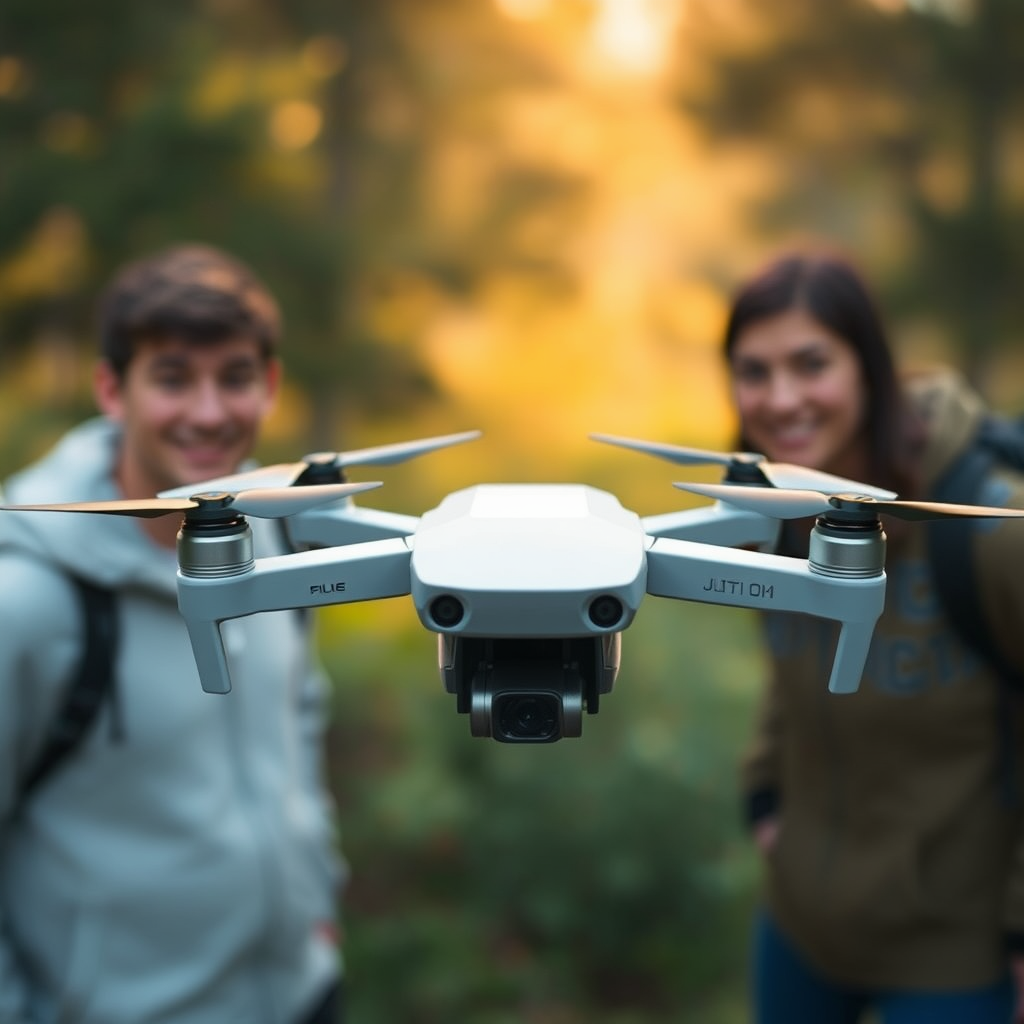
The DJI Mini 3 Pro is a compact powerhouse, featuring the innovative O3 transmission technology that allows for an extended flight range of up to 10 kilometers. This remarkable capability is particularly beneficial for enthusiasts and professionals who require reliable video transmission over long distances. Weighing only 249 grams, the Mini 3 Pro is exceptionally lightweight and portable, making it an ideal choice for travel and casual use. Its small form factor does not compromise its features; it comes equipped with a 1/1.3-inch sensor capable of capturing 4K video at 60 frames per second, ensuring high-quality footage. The drone’s foldable design further enhances its travel convenience, making it easy to store in a backpack or carry-on.
Overview of the Freefly Alta X
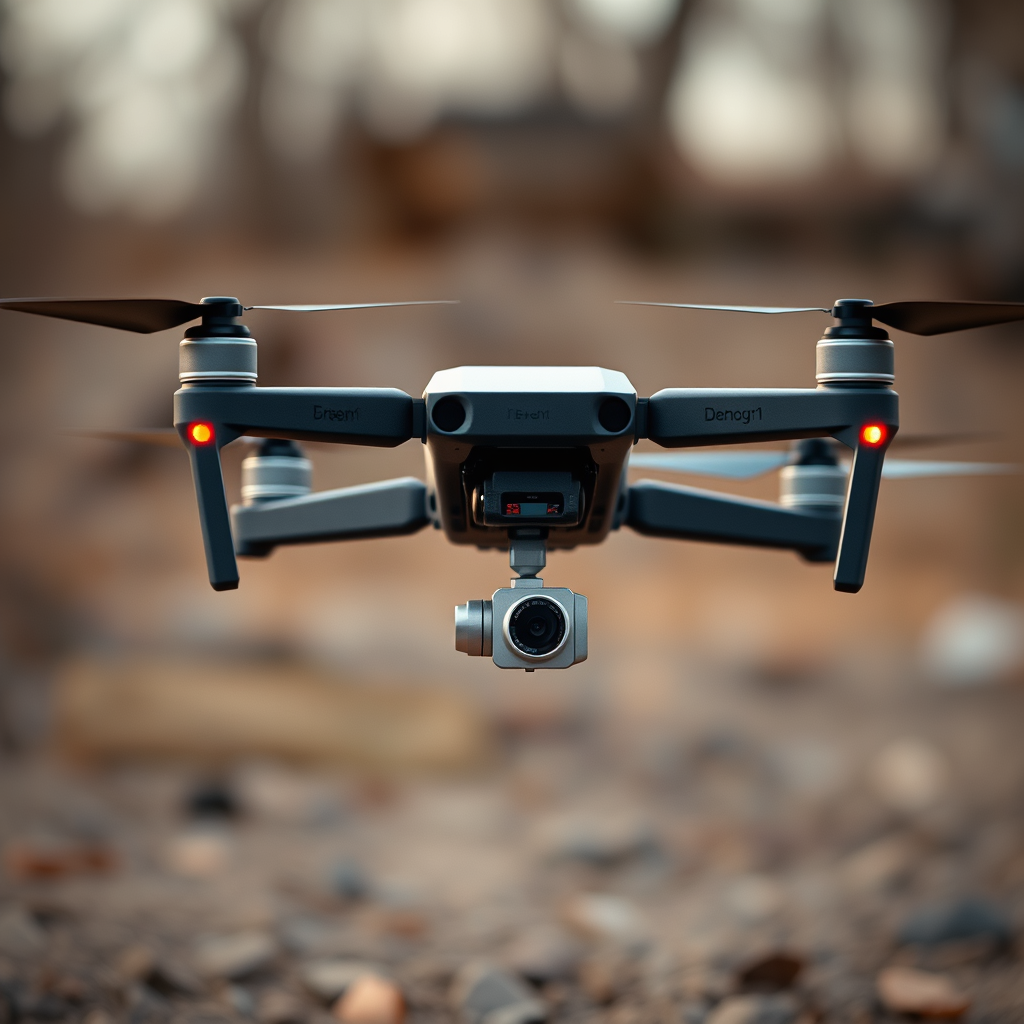
In stark contrast, the Freefly Alta X is designed specifically for professional cinematography, offering a radio range of 5 kilometers. While this may seem limited compared to the Mini 3 Pro, the Alta X excels in its heavy payload capacity, allowing it to carry specialized cinema cameras and lenses that weigh up to 15 kilograms. This capability makes it an exceptional choice for filmmakers who need to capture high-quality footage with advanced equipment. The Alta X is engineered with a focus on stability, utilizing advanced vibration isolation technology to ensure smooth footage even in challenging conditions. Its robust build and versatility in payload management make it a top contender for high-end film production.
Flight Performance Comparison
When it comes to flight performance, the DJI Mini 3 Pro stands out for its agility and responsiveness. The drone is equipped with advanced flight modes, including ActiveTrack and FocusTrack, which allow it to follow subjects seamlessly while maintaining stability. Its nimble design ensures that it can navigate tight spaces and perform complex maneuvers with ease, appealing to both amateur and semi-professional pilots.
Conversely, the Freefly Alta X offers unparalleled stability when carrying heavier camera setups. Its design features a dual-operator mode, enabling one pilot to control the drone’s flight while another operates the camera. This functionality is particularly valuable for capturing cinematic shots that require precision and control. The Alta X’s stability is further enhanced by its aerodynamic design and powerful propulsion system, allowing it to handle windy conditions and maintain smooth flight paths.
Cinematic Capabilities
The camera capabilities of the DJI Mini 3 Pro are impressive, with its 4K/60fps video recording and HDR capabilities offering a dynamic range that appeals to content creators. It also features a range of intelligent shooting modes, such as Timelapse and Panorama, giving users the versatility to experiment with different filming techniques. The Mini 3 Pro’s camera system is designed for ease of use, allowing users to achieve professional-level results without extensive training.
In comparison, the Freefly Alta X is specifically built for serious filmmakers, capable of supporting a variety of cameras and lenses from brands like RED, Arri, and Canon. This flexibility allows filmmakers to choose the right equipment for their specific project needs. Additionally, the Alta X’s advanced stabilization technology ensures that even the most dynamic shots are captured smoothly, making it ideal for high-end productions. It also supports live video transmission features, which are crucial for broadcast and film industries.
Usability and Control
The DJI Mini 3 Pro is renowned for its intuitive controls and user-friendly interface. The DJI Fly app enhances the flying experience, providing a straightforward setup process and easy access to various flight modes and camera settings. This simplicity makes it accessible for beginners while still offering advanced features that experienced pilots can take advantage of. The drone’s automatic return-to-home feature and obstacle avoidance sensors further bolster user confidence, ensuring a safe flying experience.
On the other hand, the Freefly Alta X provides a range of control options tailored for professionals. Its compatibility with various remote controllers and software enhances its customization capabilities. This flexibility allows users to configure the drone’s settings to meet specific production requirements. The Alta X’s dual-operator functionality adds an additional layer of control, allowing for intricate cinematic shots that would be difficult to achieve with a single operator.
Battery Life and Endurance
Battery life is a critical factor for both drones, impacting their overall flight time and usability. The DJI Mini 3 Pro boasts a maximum flight time of approximately 34 minutes under optimal conditions, providing ample time for capturing stunning footage. This duration can vary based on factors like wind conditions and payload, but overall, it offers significant endurance for casual users and professionals alike.
In contrast, the Freefly Alta X features a shorter flight time of around 30 minutes when carrying a full payload. However, its impressive lifting capabilities often justify this trade-off for filmmakers who require the ability to carry heavier equipment. The Alta X’s battery management system also allows for quick battery swaps, ensuring minimal downtime during shoots.
Price and Value for Money
When considering price, the DJI Mini 3 Pro is generally more affordable than the Freefly Alta X, making it a more accessible option for hobbyists and those new to drone flying. The Mini 3 Pro’s competitive pricing, combined with its extensive features, offers excellent value for money, particularly for those focused on recreational use or entry-level videography.
Conversely, the Freefly Alta X comes at a premium price point, which is reflective of its professional-grade capabilities and heavy payload capacity. For serious filmmakers and production teams, the investment in the Alta X can be justified by its performance and versatility, especially for high-budget projects where quality is paramount.
In conclusion, the DJI Mini 3 Pro is ideal for those needing extended range and versatility, while the Freefly Alta X caters to cinematic professionals who prioritize payload and stability. Ultimately, your choice will depend on whether you value lightweight convenience or professional filmmaking capabilities. Consider your specific needs and budget, and choose the drone that aligns best with your goals. Whether you go for the Mini 3 Pro’s portability or the Alta X’s cinematic prowess, both drones represent the cutting edge of drone technology in their respective categories.
Frequently Asked Questions
What are the main differences between the DJI Mini 3 Pro and Freefly Alta X in terms of usability and features?
The DJI Mini 3 Pro is designed for consumer use, featuring a compact design, user-friendly controls, and impressive automated features like QuickShots and FocusTrack, making it ideal for casual filmmakers and hobbyists. In contrast, the Freefly Alta X is a professional-grade drone, emphasizing heavy payload capabilities and advanced cinematography features, suitable for commercial productions. While the Mini 3 Pro offers a 4K camera and O3 transmission technology, the Alta X supports larger camera systems and extends operational range, catering to high-end filmmaking needs.
How far can each drone fly with their respective transmission systems?
The DJI Mini 3 Pro utilizes O3 transmission technology, allowing for a maximum range of up to 10 kilometers under optimal conditions, making it an excellent choice for extended flights and expansive coverage. On the other hand, the Freefly Alta X has a maximum radio range of approximately 5 kilometers, focusing on stability and reliability over longer distances. Therefore, if long-range operation is a priority, the Mini 3 Pro may be more suitable, while the Alta X excels in controlled professional environments.
Why is the weight of a drone important when choosing between the DJI Mini 3 Pro and Freefly Alta X?
The weight of a drone significantly impacts its portability, flight duration, and regulatory requirements. The DJI Mini 3 Pro is lightweight (weighing around 249 grams), making it easy to transport and exempt from certain regulations in many regions, which is beneficial for casual users. Conversely, the Freefly Alta X, being heavier and designed to carry professional camera equipment, provides stability in windy conditions but may require additional permits and considerations for commercial use. Buyers should weigh these factors based on their intended use.
Which drone is better for cinematic quality and why?
The Freefly Alta X is generally considered superior for cinematic quality due to its ability to carry heavier, high-end camera systems like the RED or ARRI series, allowing filmmakers to achieve professional-grade footage. Its robust build and advanced stabilization features provide enhanced control over complex shots. While the DJI Mini 3 Pro offers excellent 4K video capabilities and a range of intelligent shooting modes, it is primarily designed for casual users, thus may not meet the high standards required for serious cinematic projects.
How does the pricing of the DJI Mini 3 Pro compare to the Freefly Alta X, and what should I consider when choosing between them?
The DJI Mini 3 Pro is significantly more affordable, typically costing around $700, making it accessible for beginners and hobbyists. In contrast, the Freefly Alta X is a high-end drone priced in the range of $12,000 and up, reflecting its advanced capabilities and intended use in professional environments. When choosing between them, consider your budget, the intended purpose (hobby vs. commercial), and the type of camera equipment you wish to use, as this will greatly influence your decision.
References
- DJI Mini
- https://www.bbc.com/news/technology-61558957
- https://www.theverge.com/2022/5/10/23067000/dji-mini-3-pro-review-features-camera-battery
- https://www.techradar.com/reviews/dji-mini-3-pro-review
- Alta X – US Made Heavy Lift Drone (NDAA/Blue List)
- https://www.reuters.com/technology/dji-launches-new-mini-drone-2022-05-10/
- https://www.nytimes.com/2022/05/10/technology/dji-mini-3-pro-drone.html
- https://www.sciencedirect.com/topics/computer-science/drone-technology
- https://www.wired.com/story/dji-mini-3-pro-review/
- https://www.techcrunch.com/2022/05/10/dji-mini-3-pro-launch/
