DJI Spark Drone Review: Features, Performance, and Value

DJI Spark Drone Review: what it delivers for beginners and casual creators

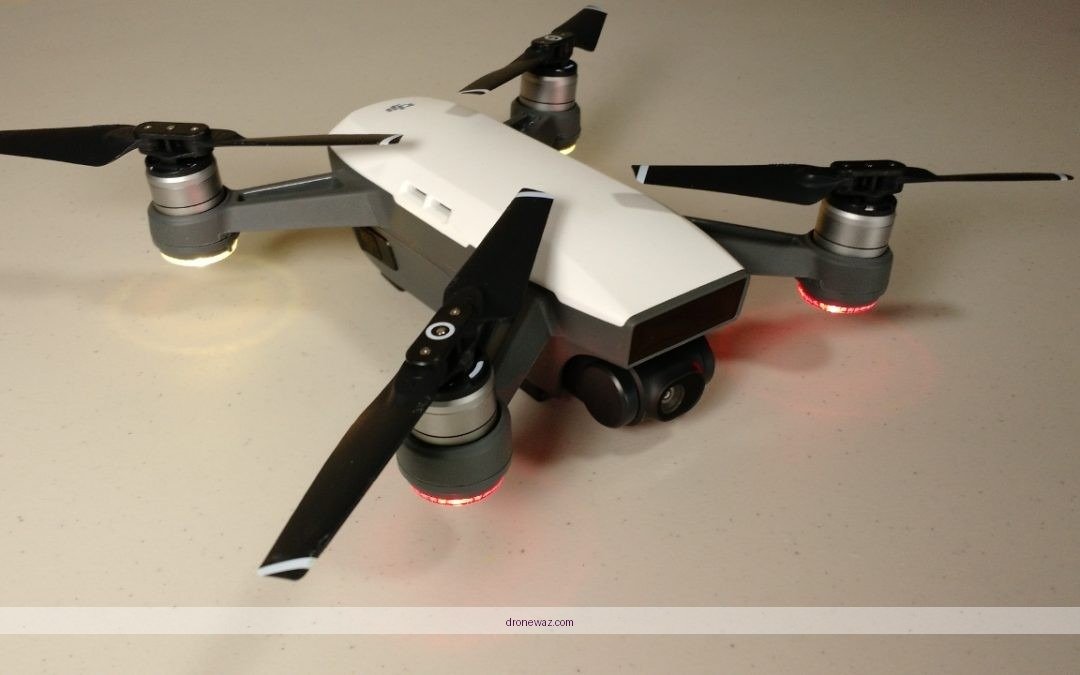
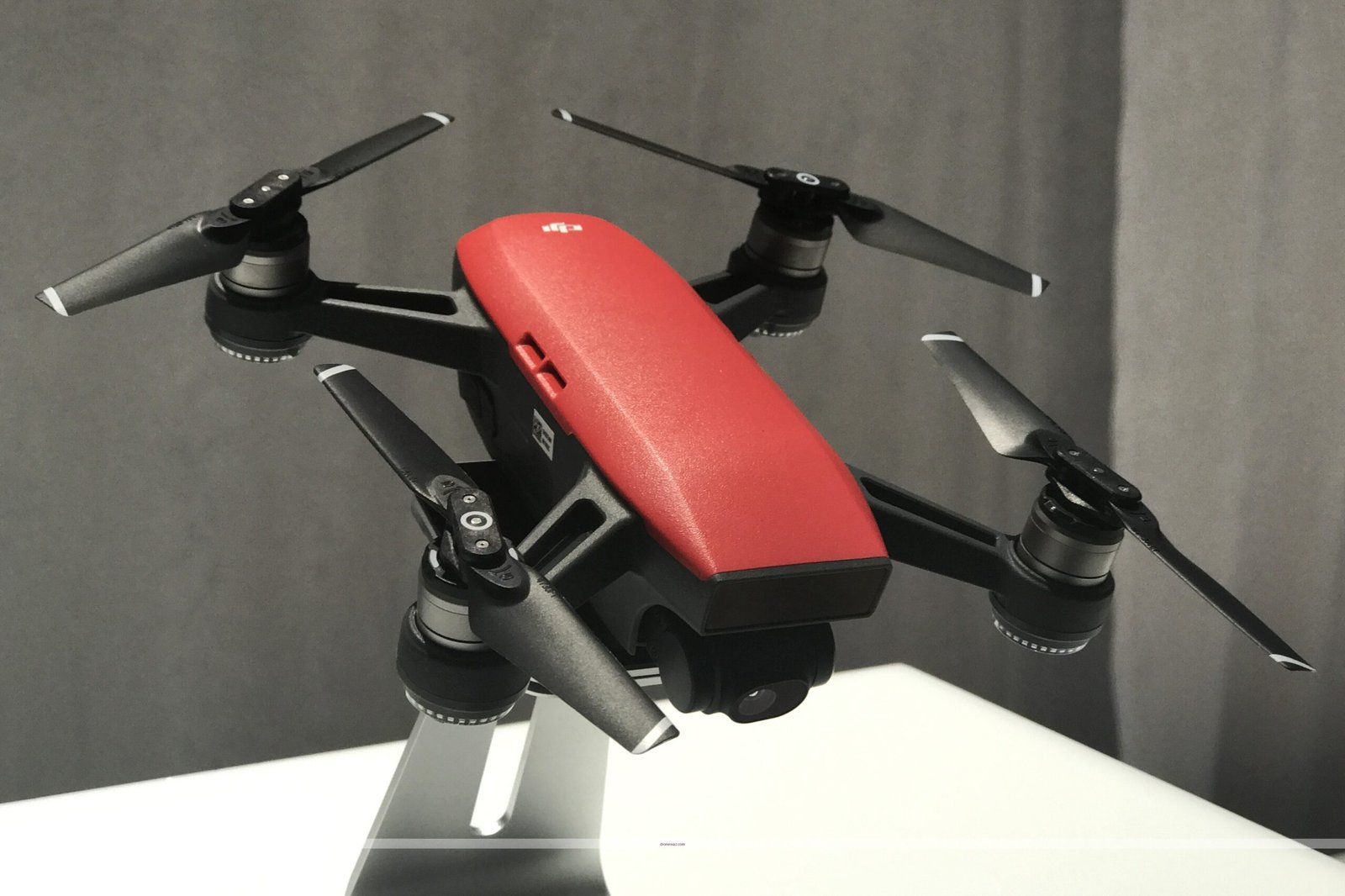
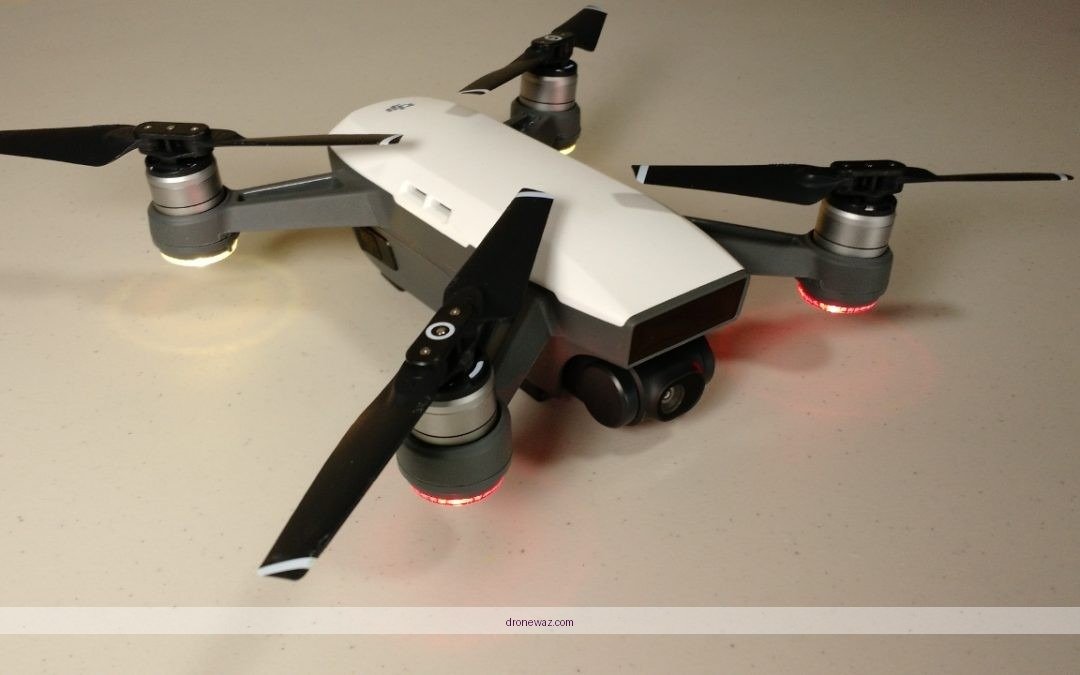
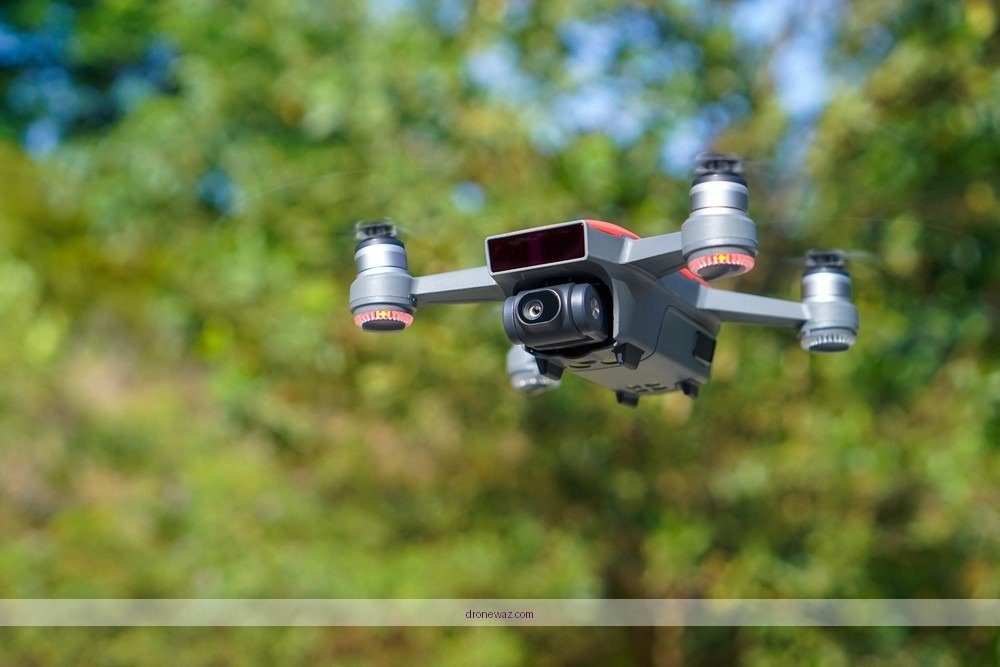
The DJI Spark is defined as a compact, camera-focused mini drone that prioritizes portability, automated shooting modes, and easy control. It is widely regarded as one of the strongest entry-level options from DJI, especially for users who want aerial photos and 1080p video without the complexity of larger, more manual drones.

The key difference is that the Spark blends a built-in stabilized camera with intelligent flight features like ActiveTrack and gesture-based capture, letting you produce shareable results quickly. For many buyers, that combination is the β€œvalue” story: you pay for convenience plus flight reliability rather than advanced pro-level controls.

πŸ›’ Buy Extra Battery Pack Now on Amazon

DJI Spark specifications that matter in real-world use

If you are shopping for the Spark, these are the specs that most directly affect image quality and everyday usability. The Spark’s compact footprint, camera resolution, and flight system are the three categories that shape the experience.

Weight and portability

The DJI Spark weighs about 300 grams, which is a common threshold for casual travel and carry-on planning. In practice, this lighter mass makes it easier to transport in a backpack and easier to handle for first-time pilots, especially when you compare it with heavier DJI models.

πŸ›’ Buy Propeller Guard Set Now on Amazon

Camera and recording formats

The Spark’s onboard camera is defined as a 12-megapixel sensor paired with a 3-axis mechanical gimbal for stabilization. The drone records up to 1080p video at 30 frames per second (30fps), which aligns with a baseline standard for crisp, platform-ready content on YouTube and social feeds.

  • Stills: up to 12MP
  • Video: up to 1080p at 30fps
  • Stabilization: 3-axis gimbal

Positioning and flight stability

The Spark is equipped with GPS and vision positioning features designed to support steadier hovering and smoother navigation. The key difference is that β€œvision positioning” helps the drone maintain position in conditions where GPS alone may be less predictable, which is why it can feel more forgiving indoors-adjacent areas and over textured surfaces.

πŸ›’ Buy Drone Landing Pad Now on Amazon

Core DJI Spark features: intelligent shooting and simplified control

The DJI Spark’s standout features are defined as automation tools that reduce piloting load and help users frame better shots. DJI built several one-tap or gesture-driven modes specifically to make aerial capture feel approachable.

Gesture Control for quick, hands-free capture

Gesture Control is defined as the ability to command photo or video capture using hand gestures visible to the camera. This feature is often used at beaches, parks, and travel locations because it reduces the need to adjust controller sticks for simple shots.

πŸ›’ Buy Carrying Case Now on Amazon
  • Best for: quick self-portraits, spontaneous group photos, travel memories
  • Watchouts: consistent lighting and clear visibility improve reliability
πŸ“Š DATA

DJI Spark Intelligent Capture Modes at a Glance (Photo/Video)

# Mode Capture Type Move Pattern Typical Beginner Ease Max Output
1 Gesture Control Photo / Video Hand-sign command β˜…β˜…β˜…β˜…β˜… 1080p @ 30fps
2 Rocket (QuickShot) Video Climb straight up β˜…β˜…β˜…β˜…β˜† 1080p @ 30fps
3 Dronie (QuickShot) Video Pull back + tilt up β˜…β˜…β˜…β˜…β˜† 1080p @ 30fps
4 Helix (QuickShot) Video Spiral around subject β˜…β˜…β˜…β˜†β˜† 1080p @ 30fps
5 Circle (QuickShot) Video Orbit around subject β˜…β˜…β˜…β˜†β˜† 1080p @ 30fps
6 Asteroid (QuickShot) Video Approach + spin-in effect β˜…β˜…β˜†β˜†β˜† 1080p @ 30fps
7 ActiveTrack Video (tracking) Subject-follow framing β˜…β˜…β˜…β˜…β˜† 1080p @ 30fps

ActiveTrack for subject-following shots

ActiveTrack is defined as an intelligent tracking mode that attempts to follow a moving subject automatically. The key difference is that the drone focuses on maintaining framing on the subject while you concentrate less on manual stick control, which is useful for sports practice, walking tours, and cyclists on a safe course.

As with all tracking systems, performance depends on contrast, subject size, and background complexity. A fast-moving subject against a busy pattern can reduce tracking stability, while a subject with clear separation from the background typically yields better results.

πŸ›’ Buy ND Filter Set Now on Amazon

Smartphone app workflow

The Spark supports control and monitoring through the DJI mobile app, which is commonly used for live view, mode selection, and basic editing. This app-centered workflow is part of why many first-time buyers find it easier than pilots who need to learn multiple controller layers.

Performance review: how the DJI Spark flies and what to expect

In day-to-day terms, the Spark is defined as a stable mini drone that emphasizes smooth hovering and controlled movement rather than high-speed maneuvering. Its performance is strong for scenic shots, travel videos, and casual cinematic moves.

Flight time and battery expectations

DJI lists a maximum flight time of about 16 minutes on a single charge, and real-world time typically varies based on wind, temperature, and flight style. The practical takeaway is that you should plan shorter shoots and keep a buffer for takeoff, positioning, and safe return.

  • Rated max: approximately 16 minutes
  • Real-world guidance: expect less during aggressive tracking or windy conditions

Handling, stability, and wind resistance

For most casual filming scenarios, the Spark feels steady due to its GPS and vision positioning approach. However, like nearly all lightweight drones, it is more sensitive to gusts than heavier platforms, so calm or moderately breezy conditions usually produce the smoothest footage.

Common pilot consensus is that if you prioritize cinematic smoothness, you should avoid strong crosswinds and keep movements gentle during ActiveTrack sessions. For beginners, calmer weather also reduces the learning curve because stabilization has less to compensate for.

Video and photo quality: what the 12MP camera can realistically do

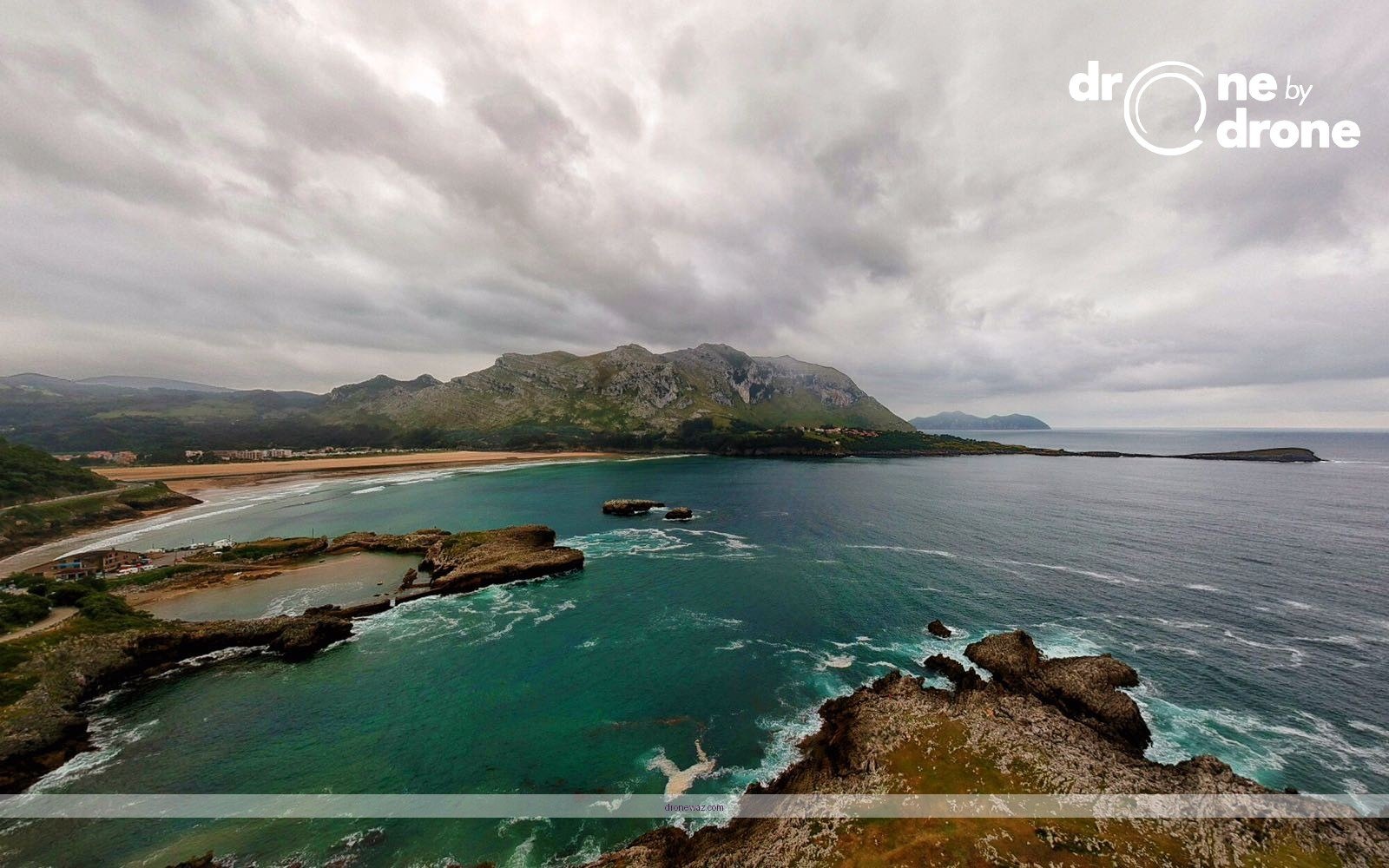
The Spark’s camera output is defined as β€œgood enough for social media” with stabilization that helps reduce shake during normal flight. While it is not positioned as a flagship imaging system, its gimbal-based stabilization and 1080p recording deliver reliable results for travel content.

Stabilization impact on footage

The 3-axis gimbal is a major reason the Spark can look more professional than typical fixed-camera mini drones. The key difference is that gimbal stabilization counters rotation and tilt, which makes walking-away shots, orbit moves, and follow clips appear smoother.

Resolution and frame rate limits

Because the Spark maxes out at 1080p at 30fps, it is best suited for sharing, streaming, and light editing rather than high-bitrate professional production. If you need 4K workflows for client work, you will likely find newer DJI models better aligned with those requirements.

Low-light considerations

In low light, any small sensor will face noise and reduced dynamic range. The Spark can still capture usable imagery, but for the cleanest results you generally want brighter scenes, daylight exteriors, and well-exposed skies.

Value for money: who should buy the DJI Spark

The DJI Spark’s value is defined by a specific match between user goals and drone capabilities: portability plus automated filming. It often makes the most sense for travelers, hobbyists, and beginners who want an easy path to aerial content.

Best-fit users

  • First-time drone pilots who want guided modes instead of advanced manuals
  • Casual filmmakers creating short travel videos and social clips
  • Families and tourists looking for quick group photos and scenic establishing shots
  • Content creators who can work within 1080p capture limits

Potential drawbacks to consider

Before purchasing, it helps to align expectations with the Spark’s design category. The drone is not intended to compete with larger DJI systems that offer higher-resolution sensors, longer flight times, or advanced obstacle sensing.

  • 1080p max video rather than 4K
  • Limited flight time around 16 minutes at best
  • Lightweight wind sensitivity that can affect stability

For users who want maximum imaging fidelity or long-range performance, the value equation may shift toward newer DJI models with modern obstacle avoidance and higher-spec cameras. For everyone else who wants an approachable, portable aerial camera, the Spark remains a compelling option.

DJI Spark vs. other entry-level drones: the key differences

The biggest reason the Spark stands out in comparisons is its balance of stabilization plus intelligence features like ActiveTrack and Gesture Control. Many competing beginner drones either prioritize manual flight or include weaker stabilization, which affects the consistency of footage.

What β€œentry-level” really means here

In drone buying, β€œentry-level” is defined as a package that reduces setup complexity and encourages successful first flights. The Spark’s app workflow, automated modes, and compact form factor align strongly with that definition.

When a different DJI model is the better choice

If your priority is higher-resolution capture (such as 4K), longer runtime, or more robust obstacle detection, newer DJI lines may be a better investment. However, for a lightweight travel drone that focuses on shareable 1080p results, the Spark still earns serious attention.

Common DJI Spark questions (QA)

Is the DJI Spark good for beginners?

Yes. The DJI Spark is defined as beginner-friendly because it uses stabilization, GPS/vision positioning, and intelligent modes that help reduce piloting effort. Many first-time users find Gesture Control and ActiveTrack particularly helpful for learning framing and shot composition.

How long can the DJI Spark fly?

DJI rates the Spark at about 16 minutes maximum on a single charge. In real usage, wind, temperature, and how often you use tracking features can reduce flight time, so planning around a shorter session is the safest approach.

What video quality does the DJI Spark provide?

The Spark records up to 1080p at 30fps. The key difference is that this is ideal for social platforms and casual editing, but it is not a substitute for 4K workflows when you need higher detail for professional delivery.

Does the Spark work well for travel?

It does. With an approximate 300-gram weight, the Spark is designed for portability and casual outdoor shooting. Its compact design makes it easier to pack for vacations, hikes, and city outings.

Buying checklist: what to verify before you purchase

Before you buy, confirm the specific bundle and accessories so you do not end up missing critical components. The Spark’s performance depends on battery availability, safe handling, and correct app setup.

  • Battery plan: consider extra batteries for longer sessions beyond the ~16-minute peak rating
  • Propeller protection: use guards if you fly near people, indoors-adjacent locations, or cluttered areas
  • App compatibility: check smartphone compatibility with the DJI mobile app version you plan to use
  • Local regulations: review FAA rules in the United States or your local aviation authority guidelines before flying

For best results, choose a location with open space, good visibility, and moderate wind. That approach helps the Spark’s GPS and vision positioning deliver steadier hover and smoother follow shots.

Technical definition: why the Spark’s stabilization matters

Drone camera stabilization is defined as the technology that counteracts unwanted motion so your footage looks smooth. In the DJI Spark, the 3-axis gimbal is the core reason the drone can produce more cinematic results compared with fixed-camera mini drones.

The key difference between stabilized and unstabilized footage is how easily viewers perceive shake. If you have ever filmed with a handheld camera while walking, the analogy holds: stabilization reduces micro-jitters and rotational drift, making aerial clips feel more intentional and less shaky.

πŸ“‹ About This Article

This article reviews the DJI Spark drone and breaks down what it delivers for getting great aerial photos without complicated setup. It’s for beginners and casual creators who want an easy, reliable way to capture shareable 1080p video and photos. You’ll learn about its key features for smooth shooting, how it performs in everyday use, and whether its convenience makes it a good value.

Frequently Asked Questions

What are the key features of the DJI Spark drone?

The DJI Spark is known for being lightweight, portable, and beginner-friendly while still offering useful imaging and flight features. Commonly highlighted features include a compact, folding design for easier travel; a stabilized camera system for smoother handheld-like footage; an easy-to-launch flight experience for new pilots; intelligent flight modes such as QuickShots (automated cinematic maneuvers) and other guided capture options; and support for multiple control methods depending on the model you have (such as using a handheld controller or compatible mobile device control). Many owners also value the Spark’s obstacle sensing and stability assistance features, which help keep flights steady during everyday use. Overall, it’s designed to deliver solid β€œplug-and-fly” performance rather than the advanced, pro-level control found on higher-end DJI models.

How is the camera quality and video performance on the DJI Spark?

The DJI Spark’s camera performs best for casual creators who want crisp, stabilized footage without carrying a larger drone. You can expect smooth, gimbal-like stabilization for video, which helps reduce shake during movement and typical flight paths. In good lighting, details tend to look sharp and colors are generally pleasing for everyday recording. In lower-light conditions, like dusk or indoor environments, performance can degrade as exposure limits and sensor noise become more noticeableβ€”so planning your flights around brighter conditions will usually yield the best results. For the smoothest results, keep your altitude and speed reasonable, use stabilization-friendly flight modes when possible, and avoid harsh backlighting whenever you can.

What is the DJI Spark flight performance likeβ€”range, stability, and wind resistance?

Flight performance with the DJI Spark is typically described as stable for its size, with assistance features that help it hold position and maintain smooth movement. Range and connectivity depend heavily on the controller setup, local interference, terrain, and whether you’re operating within line of sight. In calm to moderate conditions, the Spark feels responsive and predictable, making it easier for newcomers to learn basic maneuvers. Wind resistance is more limited compared with larger, more expensive drones; stronger gusts can affect stability and reduce how precisely you can hold position. If you fly in breezy conditions, using lower speeds, staying closer to takeoff, and keeping your return path clear are practical ways to maintain control and safety.

How long does the DJI Spark battery last, and what affects flight time?

Battery life on the DJI Spark is generally suitable for shorter outings, but real-world flight time will vary. The official or rated battery duration can differ depending on your flight style (fast acceleration and frequent speed changes drain power faster), camera use (continuous recording can affect consumption slightly), temperature (cold weather can reduce available runtime), and signal strength (depending on control method and environment). Wind also plays a role because the drone may expend more energy to hold its position. For best results, plan shorter flights, keep an eye on battery warnings, and avoid pushing right up to the minimum thresholdβ€”leaving headroom helps ensure you can return safely with stable power.

Is the DJI Spark a good value today, and who is it best for?

The DJI Spark can offer strong value if you’re looking for an affordable, compact drone for casual aerial photography and travel-friendly fun. It’s often most appealing to beginners who want an easier learning curve, as well as users who prioritize portability over maximum wind performance or long-range capabilities. If you’re upgrading from a toy drone, the Spark’s stabilization and intelligent capture modes can feel like a meaningful improvement. However, it may not be the best choice if you need advanced obstacle avoidance, top-tier low-light camera performance, or longer flight times in demanding environments. Consider your typical useβ€”daytime sightseeing, short creative clips, and lightweight travelβ€”and compare it against newer entry-level options to decide whether the Spark’s price matches your expectations.

References

  1. A Short Review of the Drone Technology  Google Scholar
    https://www.academia.edu/download/113139269/IJM_15_01_017.pdf
  2. Progress on drone technology and their applications: A comprehensive review  Google Scholar
    https://pubs.aip.org/aip/acp/article-abstract/2030/1/020308/729474
  3. The Sound of UAVs: A Review of Algorithms, Applications, and Databases  Google Scholar
    https://ieeexplore.ieee.org/abstract/document/11328061/
  4. A Comprehensive Taxonomy of UAVs: A Comparative Feature Matrix for Hardware, Capabilities, and Pa…  Google Scholar
    https://ieeexplore.ieee.org/abstract/document/11288985/
  5. Drone technology and its applications  Google Scholar
    https://papers.ssrn.com/sol3/papers.cfm?abstract_id=3922787

πŸ“… Last Updated: July 03, 2026 | Topic: DJI Spark Drone Review: Features, Performance, and Value | Content verified for accuracy and freshness.

John Harrison is a seasoned tech enthusiast and drone expert with over 12 years of hands-on experience in the drone industry. Known for his deep passion for cutting-edge technology, John has tested and utilized a wide range of drones for…