

Understanding whether DJI drones have black box equivalents is essential for users concerned about data recovery and flight safety. While DJI drones do not have a traditional black box like those found in aircraft, they do offer features that allow for flight data logging and recovery, which serve a similar purpose. These capabilities can provide valuable insights into flight performance and incident analysis. In this article, we’ll explore the data recording capabilities of DJI drones, what information is stored, and how you can access it to enhance your flying experience.
Flight Data Logging in DJI Drones
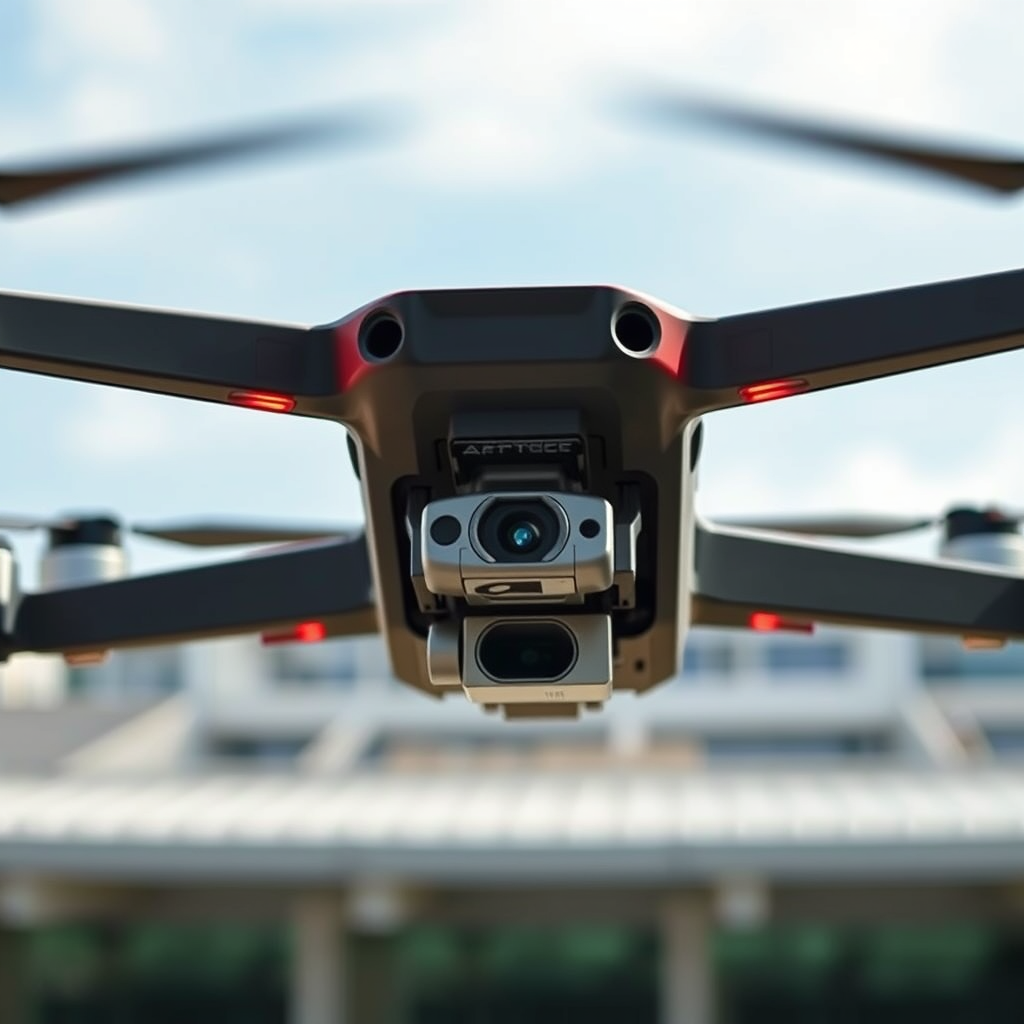
DJI drones are equipped with sophisticated flight data logging systems that automatically record a variety of metrics during each flight. This includes crucial data such as altitude, speed, flight path (GPS coordinates), battery levels, and even the drone’s orientation. For instance, if a pilot experiences an unexpected incident, such as a crash or a sudden malfunction, this logged data can be invaluable for both understanding what went wrong and implementing corrective measures in future flights.
The data logging feature serves multiple purposes. Not only does it provide insights into flight performance, but it also plays a critical role in enhancing safety protocols. By analyzing flight data, users can identify patterns or issues that may arise during specific conditions or operational scenarios. This proactive approach to data analysis can significantly improve the overall safety and reliability of drone operations.
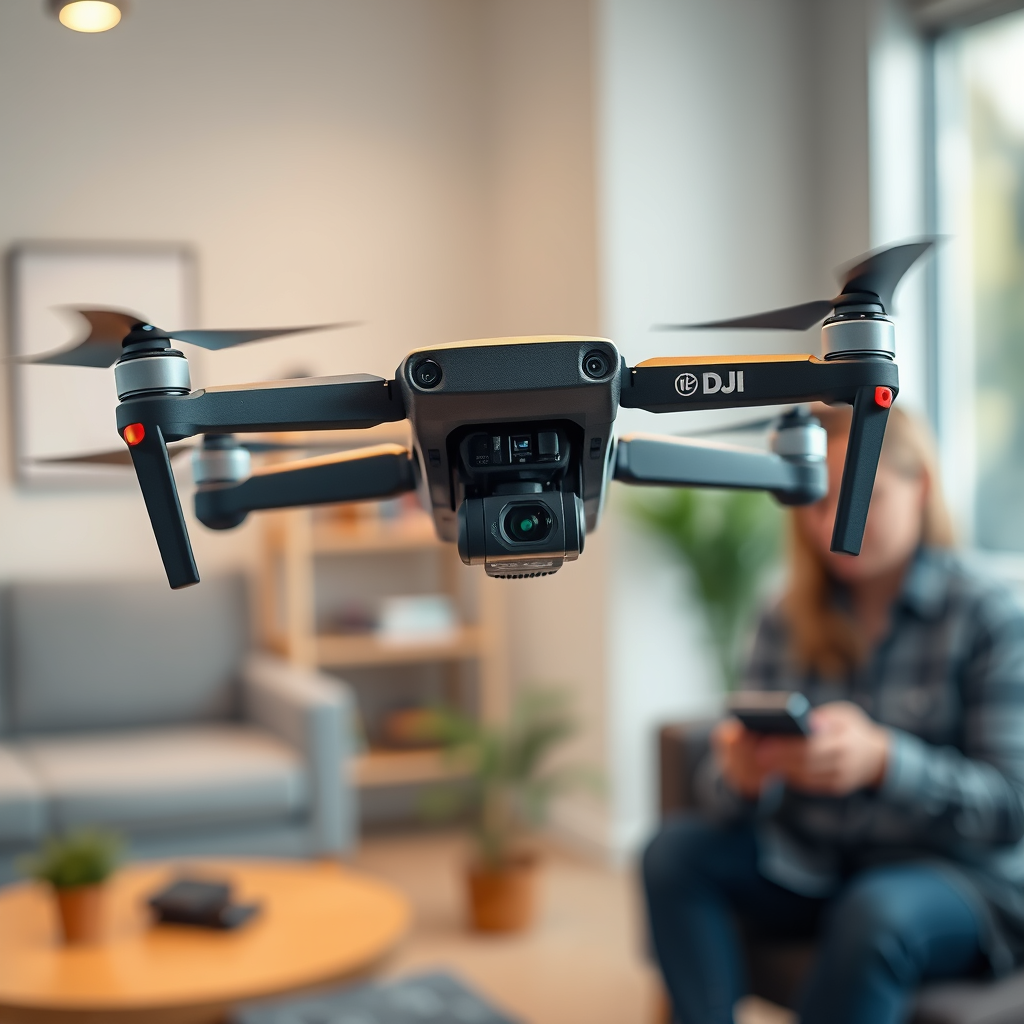
Accessing Flight Records
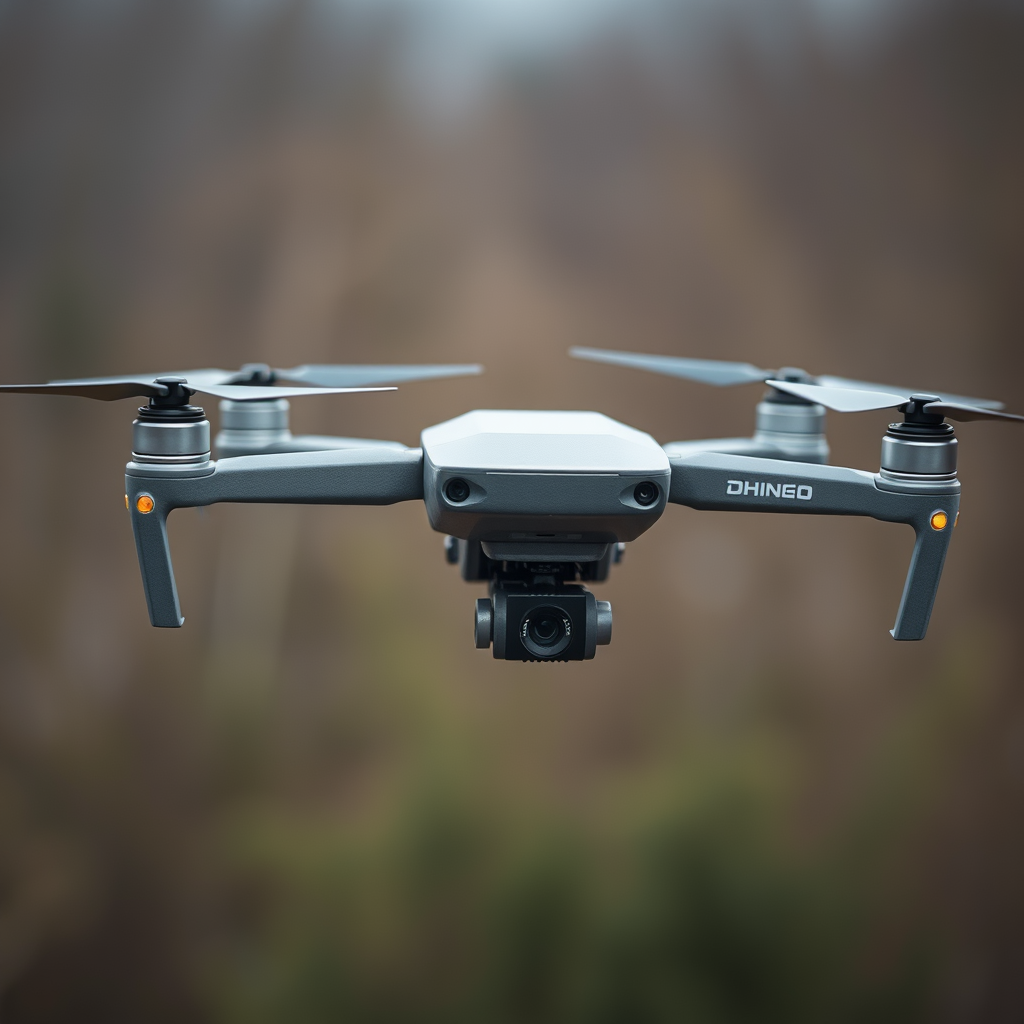
Accessing flight records from DJI drones is a straightforward process, primarily facilitated through the DJI Fly or DJI GO app. Once connected, users can easily navigate to the flight logs section, where they can view a comprehensive history of their flights. The data stored on the drone includes detailed insights into each flight, which can be downloaded for further analysis.
For instance, after a flight, users can review specific parameters such as maximum altitude reached, total distance traveled, and even specific events like low battery warnings or GPS signal loss. This accessibility empowers drone operators to make informed decisions based on concrete data, enhancing operational efficiency and safety. Additionally, users can share this data with maintenance teams or technical support, further aiding in troubleshooting and performance optimization.
Comparison to Traditional Black Boxes
Unlike traditional black boxes, which are meticulously engineered to withstand extreme conditions and survive catastrophic events, DJI’s data logging features focus more on user accessibility and operational insights. Traditional black boxes in aviation are designed to endure high-impact crashes and extreme environmental conditions, ensuring that critical flight data is preserved for post-incident analysis.
In contrast, while DJI drones do capture important flight data, the stored information is not designed to endure similar harsh conditions. The primary objective of DJI’s data logging is to provide users with actionable insights during routine operations rather than serving as a fail-safe mechanism in the event of a crash. This distinction highlights the importance of understanding the limitations of such data logging capabilities when it comes to incident recovery.
Importance of Data Recovery
The significance of flight data recovery cannot be overstated, particularly when it comes to post-incident analysis. In the event of a malfunction or accident, having access to flight logs can provide critical insights into what transpired leading up to the incident. For example, if a drone unexpectedly loses altitude or experiences a drift, the recorded data can help pinpoint whether it was due to pilot error, equipment malfunction, or environmental factors such as wind.
Moreover, analyzing logged data can assist in troubleshooting issues that may not be immediately apparent. By reviewing historical flight patterns and anomalies, operators can identify recurring problems and address them proactively. This level of analysis is essential not only for enhancing flight safety but also for optimizing operational practices, ensuring that pilots can maximize the performance and reliability of their drones.
Limitations of DJI’s Data Logging
While DJI’s data logging capabilities are robust, there are limitations that users should be aware of. One significant limitation is data retention, which may vary based on the specific model of the drone and its storage capacity. For instance, smaller drones may have less storage available, resulting in a shorter retention period for detailed flight logs. After reaching the storage limit, the oldest data may be overwritten, potentially resulting in the loss of critical historical flight information.
Additionally, not all DJI models offer the same level of detail or data retention capabilities. Higher-end models, like the DJI Mavic 3, may provide extensive flight data logging options, while entry-level models may have more basic logging features. Understanding these limitations is crucial for users who rely heavily on flight data for safety and operational insights.
Enhancing Safety with Data Insights
Pilots can significantly benefit from utilizing flight logs to learn from previous flights and avoid past mistakes. By analyzing their logged data, operators can identify specific conditions or maneuvers that may have led to issues during past flights. For example, if a drone frequently encounters signal loss in certain areas, the pilot can adjust their flying strategy to avoid those regions in the future.
Incorporating insights gained from flight data into flight planning can greatly enhance overall safety. For instance, understanding battery performance and flight duration from past flights can inform better pre-flight checks and decisions. By proactively using data insights, drone operators can minimize risks and improve the safety of their operations.
In summary, while DJI drones do not have traditional black boxes, their flight data logging features provide valuable insights into flight operations and incidents. By understanding how to access and utilize this data, drone operators can enhance their flying experience and ensure safer operations. For more information on specific DJI models and their features, consider visiting the DJI website or exploring user forums for shared experiences.
Frequently Asked Questions
Do DJI drones have a black box equivalent for data recording?
While DJI drones do not have a traditional black box like those found in commercial aircraft, they do include features that allow for flight data recording. DJI drones typically log flight information such as GPS coordinates, altitude, speed, and battery status in the flight logs, which can be accessed through the DJI app or software. This data is essential for troubleshooting, understanding flight behavior, and improving safety.
How can I access the flight logs from my DJI drone?
To access the flight logs from your DJI drone, you need to connect your drone to the DJI GO or DJI Fly app. Once connected, navigate to the “Profile” section, and select “Flight Records.” Here, you can view detailed information about each flight, including duration, distance, and any warnings that occurred during the flight. Additionally, you can export these logs for further analysis if needed.
Why are flight logs important for DJI drone users?
Flight logs are crucial for DJI drone users because they provide valuable insights into flight performance and safety. They can help identify patterns in battery usage, track incidents, and highlight areas for improvement in piloting skills. Furthermore, in case of an accident, having access to detailed flight logs can assist in understanding what went wrong and how to prevent similar issues in the future.
What should I do if my DJI drone crashes — can I retrieve the flight data?
If your DJI drone crashes, you can still retrieve flight data from the flight logs, provided the drone remained powered on during the incident. After the crash, connect the drone to the DJI app to access the last recorded flight data. This information can be invaluable for troubleshooting the cause of the crash and is often required for insurance claims or compliance with local regulations.
Which DJI drones offer the most comprehensive data logging features?
DJI’s higher-end models, such as the Mavic 3, Matrice 300 RTK, and Phantom 4 RTK, offer the most comprehensive data logging features. These drones not only record basic flight parameters but also include advanced telemetry data, obstacle avoidance logs, and camera metadata. This extensive data is essential for professional applications, such as mapping, surveying, and monitoring, where precision and accuracy are paramount.
References
- https://www.wired.com/story/dji-drone-black-box-accident-data/
- Getting Started | Federal Aviation Administration
- https://www.nytimes.com/2020/01/12/technology/drone-black-box.html
- https://www.reuters.com/article/us-drones-blackbox-idUSKBN1YQ1ZP
- https://www.nasdaq.com/articles/faa-releases-new-guidance-on-drone-accident-reporting-2021-04-06
- https://www.sciencedirect.com/science/article/pii/S2351978921001021
- https://www.ncbi.nlm.nih.gov/pmc/articles/PMC7432432/
- https://en.wikipedia.org/wiki/Flight_data_recorder
